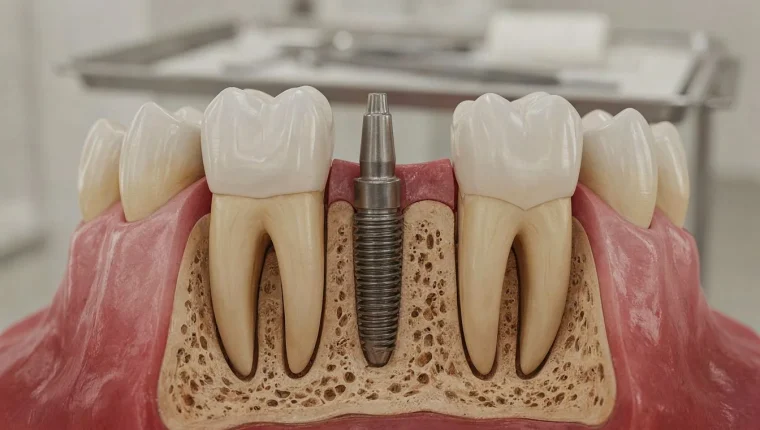
Losing a tooth affects more than your smile. It can make chewing less comfortable, let nearby teeth shift, and change how confidently you speak or eat. The two common fixed solutions are a dental implant, which replaces the tooth root and supports a crown, and a dental bridge, which fills the gap by attaching an artificial tooth to neighboring teeth. The better choice depends on your gum and bone health, the condition of adjacent teeth, treatment time, budget, and willingness to maintain the restoration over many years. Understanding these differences helps you weigh immediate practicality against stability, appearance, long-term care, and possible future treatment.
How Dental Implants and Bridges Replace Missing Teeth

Replacing a missing tooth involves restoring both the visible crown and the support that keeps the replacement in place. The two main approaches do this differently. A dental implant uses a small titanium post placed in the jawbone to act as an artificial tooth root. Once it has integrated with the surrounding bone, a custom crown is attached to fill the gap without relying on neighboring teeth for support.
A dental bridge replaces the missing tooth with a suspended crown, called a pontic, held between crowns or connectors attached to adjacent teeth. Those neighboring teeth provide the stability that the missing root no longer can, so they must be strong enough to support the bridge. In some cases, a bridge may replace more than one tooth, depending on the condition of the supporting teeth and the location of the gap.
The key structural distinction is independent support: an implant stands on its own within the jaw, while a bridge depends on nearby teeth or other dental supports. This difference forms the foundation for comparing how each option affects the surrounding mouth.
Key Differences in Stability, Appearance, and Function
How a replacement is supported directly affects how secure and natural it feels during daily activities. An implant is anchored in the jaw and supports a crown independently, while a bridge relies on crowns attached to neighboring teeth. That distinction can influence chewing comfort, speech, smile design, and the amount of preparation required around the missing-tooth area.
| Feature | Dental Implant | Dental Bridge |
|---|---|---|
| Stability | Supported by an implant in the jaw, creating an independent foundation. | Held by crowns placed over adjacent teeth, with stability depending partly on those supporting teeth. |
| Appearance | Can be designed to blend closely with the surrounding teeth and gumline. | Can also provide a natural-looking result, although the connected crowns may have a different gumline profile. |
| Function | Often feels more like a single replacement tooth when eating and speaking. | Restores chewing and speech, but may feel different because several crowns are joined together. |
| Neighboring teeth | Does not require the adjacent teeth to serve as bridge supports. | Requires preparation of neighboring teeth to support the restoration. |
For many patients, an implant offers a more independent feel and preserves the separation between the replacement and healthy adjacent teeth. A bridge may provide effective function and an attractive smile, particularly when neighboring teeth already need crowns. The best comparison therefore depends not only on appearance, but also on how much support the surrounding teeth can provide and which everyday sensation matters most to the patient.
Treatment Process and Recovery Timeline

Treatment begins with an examination, imaging, and a discussion of the available replacement options. These steps help the dentist assess the gap, surrounding teeth, gums, and supporting bone before planning treatment. The timeline then differs because an implant and a bridge are placed in fundamentally different ways.
With a dental implant, the implant post is inserted into the jawbone first. The gum is allowed to heal, and the bone gradually bonds with the implant in a process called osseointegration. This healing stage commonly takes several months before the final crown can be attached. If additional procedures are needed, the overall process may take longer. A temporary tooth may be used during part of this period, depending on the treatment plan.
A dental bridge is usually more direct. The dentist prepares the teeth supporting the bridge, takes impressions or digital scans, and places a temporary restoration while the permanent bridge is made. Once the final bridge is ready and its fit is checked, it can typically be cemented during a later appointment. Because it does not require bone integration, recovery is generally limited to sensitivity or gum soreness around the prepared teeth.
In either pathway, the replacement becomes usable in stages rather than instantly. Patients should follow instructions about eating, cleaning, and attending follow-up visits while the tissues settle and the final restoration is assessed.
Comparing Long-Term Costs and Maintenance
The initial price is only one part of the financial decision. A dental bridge may cost less at the start, while an implant usually involves a longer treatment process and may require additional procedures before placement. The final estimate can also vary according to the materials used, the number of teeth being replaced, and the condition of the surrounding bone and gums.
Long-term value depends on how well the restoration is maintained and how long it remains functional. Bridges require careful cleaning beneath and around the replacement tooth, while implants need consistent brushing, interdental cleaning, and routine professional care. Neither option is maintenance-free, and untreated gum disease, poor hygiene, or excessive biting forces can shorten the service life of either restoration.
Long-term maintenance should therefore be included when comparing costs. A bridge may eventually need repair or replacement if its supporting teeth develop decay or other problems. An implant can also require maintenance, component repair, or treatment of inflammation around it. Regular dental reviews help identify these issues early and make future expenses more predictable.
When reviewing estimates, ask what is included in the initial fee, which follow-up visits are expected, and what replacement or complication costs might arise later. This broader comparison gives a more realistic view than focusing on the first quoted price alone.
Which Option Best Fits Your Oral Health?
The right replacement depends on more than how the missing tooth looks. A dentist must consider whether the surrounding tissues can support treatment, how much preparation nearby teeth would require, and which option fits your health, schedule, and priorities. A personalized examination is essential because the treatment that seems more convenient may not be suitable in a particular mouth. Reviewing these factors together helps clarify whether an implant, bridge, or another restorative approach is most appropriate for your situation.
- Bone support: Adequate jawbone volume is important for implant placement. If bone support is limited, additional evaluation or treatment may be needed before an implant can be considered.
- Gum and neighboring-tooth health: Healthy gums and stable adjacent teeth influence both treatment suitability and the expected performance of a bridge or implant.
- General health and healing: Medical conditions, medications, smoking, and oral hygiene can affect healing and the ability to maintain either restoration safely.
- Treatment tolerance: Patients who prefer to avoid surgery or a longer healing period may discuss whether a bridge better matches their practical needs.
- Budget and priorities: The decision should account for the initial fee, future maintenance, appearance, function, and willingness to attend follow-up care.
Clinical suitability ultimately guides the choice. An implant may be appealing when independent support and preservation of neighboring teeth are priorities, while a bridge may be more practical when surgery is unsuitable or a faster restoration is preferred. Discussing these factors openly with a dentist helps turn the comparison into a treatment plan based on your oral condition rather than a general rule. Your dentist can also explain the expected process, maintenance requirements, and potential limitations of each option so that your decision reflects both your clinical needs and your personal priorities.
FAQs
How do dental implants compare with dental bridges in durability?
Dental implants generally offer greater durability than dental bridges, often lasting 15 years or longer with proper care, while bridges typically last about 5–15 years. Implants replace the tooth root and help preserve the jawbone, whereas bridges rely on neighboring teeth for support and may need replacement sooner. Proper oral hygiene, regular dental visits, and overall health significantly affect the lifespan of either option.
Which option is more affordable: dental implants vs dental bridge?
A dental bridge is usually more affordable upfront than a dental implant because it requires fewer procedures and often has lower initial costs. However, implants typically last longer and may offer better value over time, while bridges may require replacement and can involve additional maintenance.
Are dental implants or a dental bridge better for preserving jawbone health?
Dental implants are generally better for preserving jawbone health because they replace the tooth root and stimulate the surrounding bone, helping limit bone loss. A dental bridge restores the visible tooth but does not replace the root, so the bone beneath the missing tooth may gradually resorb. The best choice depends on your bone volume, oral health, and overall treatment needs.