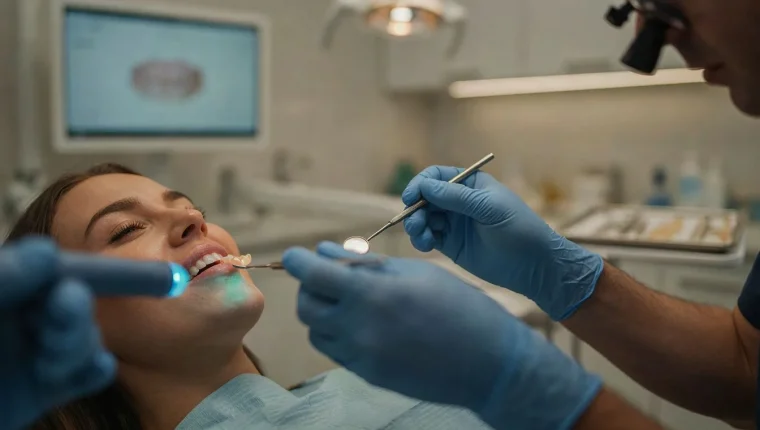
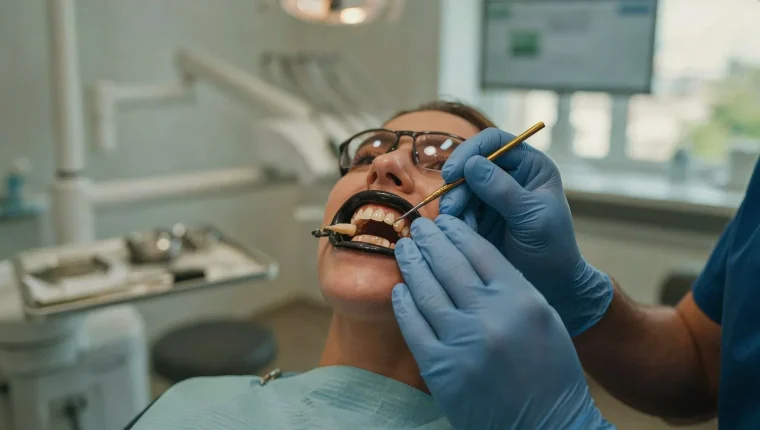
Combining dental veneers with teeth whitening can create a brighter, more balanced smile, but the order and shade planning matter. Whitening changes the color of natural tooth enamel, while porcelain or composite veneers are made to a fixed shade. If you whiten after placing veneers, your natural teeth may become lighter while the veneers remain unchanged, creating a noticeable mismatch. Treatment decisions should be based on the final appearance you want across your entire smile, not on the brightness of one tooth or one procedure alone. Whitening can establish a lighter foundation, while veneer shade selection can then be coordinated with the surrounding teeth. Your dentist should also consider existing restorations, the number of veneers planned, and how your smile may change over time. Careful coordination helps maintain a natural-looking, consistent color from the start.
Can You Combine Dental Veneers With Teeth Whitening?
Yes, dental veneers and teeth whitening can be part of the same smile makeover, but they do not work as interchangeable treatments. Whitening changes the color of natural tooth enamel, while a veneer keeps the shade selected when it is made. The key is to plan the final smile color before either treatment is completed.
When natural teeth and veneers are visible together, treating them independently can create a noticeable difference in shade. A dentist can assess your existing tooth color, the location of the planned veneers, and how bright you want your smile to appear. This helps determine whether whitening is appropriate and which veneer shade will blend most naturally.
The central planning principle is shade coordination. In many cases, the desired color of the natural teeth is established before the veneer shade is chosen, rather than attempting to lighten the veneer afterward. This approach gives the dentist a stable reference for designing a balanced smile and reduces the risk of veneers looking too dark or too bright beside the surrounding teeth.
How Whitening Treatments Affect Natural Teeth and Veneers

Whitening treatments work by breaking down stains within natural tooth enamel and, in some cases, the underlying dentin. This can make natural teeth appear lighter, but the result depends on the type and depth of discoloration. Surface stains may respond more noticeably than intrinsic changes, and existing restorations do not necessarily react in the same way.
Porcelain veneers and many composite veneers are designed to resist discoloration rather than chemically lighten during bleaching. As a result, whitening the surrounding natural teeth may leave veneers looking darker by comparison. The reverse can also be true: if veneers were chosen to match teeth before whitening, the natural enamel may become lighter afterward while the veneer shade remains unchanged.
This difference between tooth structure and restorative material creates the main risk of an uneven smile. The visible contrast may be subtle under some lighting but more apparent in photographs or daylight. It is therefore important to treat the smile as a complete color system rather than assuming every visible surface will respond equally. Whitening does not reliably change the shade of existing veneers, so the timing and shade plan should be coordinated with a dental professional before either treatment begins.
When to Whiten Before Getting Veneers
Whitening is generally best completed before veneers because the veneer shade is fixed when the restoration is made. Unlike natural enamel, porcelain and composite veneers do not respond to bleaching in the same way, so whitening afterward may brighten the surrounding teeth without changing the veneers. This can create a visible difference in color.
Completing whitening first allows the natural teeth to reach the brightness you want before your dentist plans the veneers. It also gives any temporary sensitivity or gum irritation time to settle, making the shade assessment more reliable. The goal is not simply to create a whiter smile, but to establish a stable reference point for the final restorations.
Timing should be planned with your dentist rather than based on a single whitening appointment. The final shade can be influenced by the whitening method, the original tooth color, and how your teeth respond to treatment. Once the natural teeth have reached their intended color, your dentist can evaluate the smile under appropriate lighting and continue with veneer planning.
Whitening before veneers is especially important when the restorations will be placed next to untreated natural teeth. Choosing a veneer color from an earlier, darker baseline may leave the veneers looking too dull after whitening. Allowing treatment planning to reflect the resulting natural-tooth shade reduces that risk and supports a more balanced appearance.
Choosing the Right Veneer Shade
Veneer shade selection should be based on the color of the entire smile, not simply on choosing the whitest option available. The dentist will assess the natural teeth that will remain visible, the amount of whitening planned, and how the veneers will appear beside those teeth in different lighting conditions.
Brightness and translucency are considered together. A very bright veneer may look artificial if the surrounding teeth are softer in color, while a shade that is too muted may not achieve the desired improvement. Translucency also affects how naturally the veneer reflects light and how its color interacts with the underlying tooth structure.
The final shade should therefore support the patient’s overall treatment goals. Someone seeking a subtle enhancement may prefer a shade close to the whitened natural teeth, whereas a more dramatic smile design may require carefully coordinating several visible teeth. The dentist may use shade tabs, photographs, and trial materials to compare options before the laboratory fabricates the veneers.
It is also important to evaluate the smile as a whole rather than focusing only on the front surfaces. The selected veneer color should harmonize with the adjacent teeth, facial features, and the intended appearance of the smile. This careful comparison helps prevent noticeable differences between veneers and natural teeth once treatment is complete.
How to Maintain a Consistent Smile Color After Treatment

Maintaining an even smile color depends on recognizing that natural teeth and veneers do not age in exactly the same way. Natural enamel can gradually darken or pick up surface stains, while veneers generally retain their original shade. Daily habits and oral-care routines therefore play an important role in how unified the smile continues to look. Consistent care can help preserve the appearance achieved after treatment and reduce the likelihood that differences in shade become noticeable. Paying attention to lifestyle choices, cleaning techniques, and changes in the smile supports a more balanced appearance over time.
- Limit staining exposure: Coffee, tea, red wine, tobacco, and deeply colored foods can discolor natural teeth over time. Rinsing with water after consuming them can reduce prolonged contact with the teeth.
- Keep a consistent hygiene routine: Brushing twice daily with a non-abrasive toothpaste, cleaning between the teeth, and attending regular dental visits help control plaque and surface staining.
- Protect the veneer margins: Careful brushing and professional cleanings can help prevent buildup around the edges, where discoloration may become more noticeable.
- Monitor changes gradually: Comparing the smile in consistent lighting can reveal color differences earlier than casual observation.
These habits should be continued as part of a regular oral-care routine rather than used only when a color difference appears. Gentle care is especially important because aggressive brushing or abrasive products may affect the surrounding natural teeth and the areas near the veneers. Regular dental visits also provide an opportunity to identify plaque, surface staining, or changes in the natural teeth before they have a greater effect on the overall smile.
If the natural teeth begin to look darker than the veneers, avoid using whitening products without guidance. A dental professional can assess the cause of the change and recommend whether cleaning, whitening, or another approach is appropriate without compromising the existing veneer work. Following individualized professional advice helps maintain a consistent smile color while protecting both the natural teeth and the veneers.
FAQs
Can You Whiten Your Teeth After Getting Dental Veneers?
Traditional teeth whitening does not change the color of dental veneers, so whitening them after placement is not effective. If your natural teeth darken around the veneers, a dentist can assess whether professional whitening or veneer replacement is appropriate to restore a consistent shade.
Will Teeth Whitening Change the Color of Dental Veneers?
Teeth whitening does not change the color of porcelain or composite dental veneers because whitening agents do not affect these materials. It can, however, whiten natural teeth around the veneers, potentially creating a noticeable shade difference. For this reason, dentists often recommend whitening natural teeth before placing veneers and matching the veneers to the final shade.
How Long Should You Wait Between Teeth Whitening and Veneer Treatment?
Wait about two weeks after professional teeth whitening before choosing a veneer shade or starting veneer treatment. This allows the whitening results and tooth color to stabilize, helping your dentist match the veneers accurately. Veneers do not whiten, so completing whitening first prevents a noticeable color mismatch.