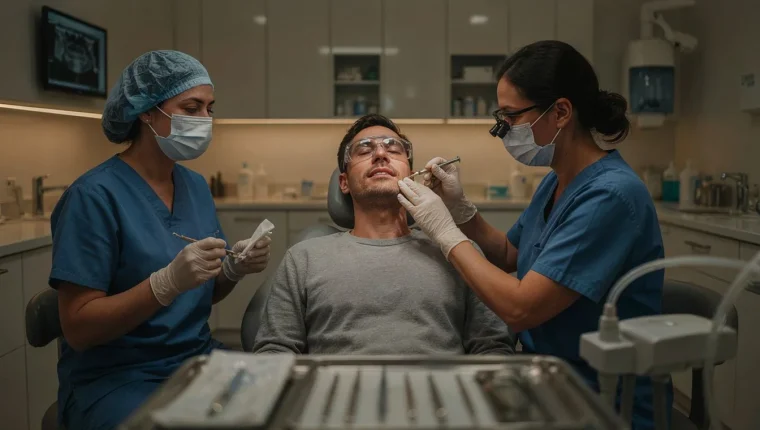
Preparing for dental implants involves more than scheduling surgery. Your overall health, oral condition, medications, and daily habits can affect treatment and implant healing. Good preparation means understanding the treatment plan, arranging required tests, and planning for transportation, meals, work, and early recovery. Your implant dentist should guide decisions based on your bone structure, medical history, and planned procedure, so do not rely on generic instructions alone. Share complete and accurate health information, including prescribed medicines, supplements, smoking or vaping habits, and previous dental problems. By organizing these details in advance and following your clinical team’s instructions, you can reduce avoidable delays, arrive prepared, and make recovery more comfortable after implant placement.
Who Is a Good Candidate for Dental Implants?

Suitability for dental implants depends on more than having one or more missing teeth. The jawbone must provide enough support to stabilize the implant, while the gums and surrounding tissues should be healthy enough to protect it during healing. Active gum disease, untreated decay, or poor oral hygiene may need attention before implant treatment can proceed.
Your general ability to heal also matters. Conditions such as uncontrolled diabetes, immune system disorders, or a history of difficult wound healing may affect the timing or safety of treatment. Smoking and nicotine use can reduce blood flow and increase the risk of complications, so your implant dentist may recommend stopping or reducing use before and after surgery.
Tell the dental team about every medication and supplement you take, including drugs that affect bleeding or bone metabolism. Do not stop prescribed medication without medical advice; instead, allow your providers to coordinate a safe plan. Age alone does not determine candidacy, and bone grafting or other preliminary care may expand treatment options for some patients.
Individual clinical assessment determines whether implants are appropriate. Examination findings, imaging, medical history, and your ability to maintain daily oral hygiene all guide that decision, rather than any single checklist item.
What to Discuss With Your Implant Dentist
Use the consultation to understand exactly how your treatment will be planned and delivered. Ask what the examination and imaging show, including the condition of the teeth, gums, jawbone, and nearby nerves or sinuses. If bone grafting or another preliminary procedure may be needed, ask why it is recommended, how it could affect timing, and whether it changes the number of treatment stages.
Request a clear explanation of the proposed implant sequence, from any extractions or preparatory care through implant placement, healing, abutment placement, and the final restoration. Discuss whether temporary teeth will be available and how long each stage is expected to take. Your dentist should also explain the main benefits, limitations, and alternatives relevant to your situation.
Ask which type of anesthesia or sedation is appropriate, what discomfort is usually expected, and which complications require prompt attention. Share your complete medical history, current medications and supplements, allergies, smoking or vaping habits, and any history of delayed healing. These details can affect planning and follow-up.
Confirm who will monitor healing, how often appointments are expected, and what responsibilities you will have between visits. Ask for an itemized estimate covering examinations, imaging, grafting, the implant, restoration, sedation, and follow-up care. The confirmed treatment plan should determine the final fee and timeline, rather than a general advertised price. If anything remains unclear, ask the implant dentist to explain it before consenting to treatment.
How to Prepare for Dental Implant Surgery

In the days before surgery, practical preparation helps prevent delays and makes it easier for your dental team to work safely. Follow the confirmed treatment plan and contact the clinic if your health, medications, or availability changes before the appointment. Follow your dental team’s instructions exactly, especially when sedation or anesthesia is planned.
- Review medications: Give the dentist a complete list of prescription medicines, over-the-counter products, vitamins, and supplements. Do not stop or change any medication unless the treating team or prescribing clinician tells you to do so.
- Follow eating and drinking instructions: Ask when you should stop food and fluids, since requirements vary according to the type of anesthesia or sedation. Do not assume that standard fasting advice applies to your procedure.
- Maintain gentle oral hygiene: Brush and clean between your teeth as instructed, but avoid irritating the surgical area if your dentist has identified one. Report signs of infection or sudden oral discomfort before surgery.
- Avoid smoking and alcohol: Follow the clinic’s guidance about stopping or limiting both before treatment, as they can interfere with healing and may affect anesthesia or medication safety.
- Organize your schedule: Choose comfortable, loose clothing, arrange transportation if sedation is involved, and allow sufficient time away from work, exercise, and routine commitments.
Before leaving home, confirm the appointment time, location, prescribed medicines, and the clinic’s emergency contact procedure. If any instruction is unclear—particularly about fasting, medication timing, or transportation—call the dental team rather than relying on general online advice.
What to Arrange for Recovery and Aftercare
Plan your first few days at home before the procedure so recovery does not depend on last-minute decisions. Stock soft, nourishing foods such as yogurt, eggs, oatmeal, soup, and smoothies, and keep water available to support hydration. Follow the clinic’s guidance about when and how to take prescribed medicines, and ask whether any recommended supplies should be ready in advance.
Arrange reliable transportation if you will receive sedation or may feel uncomfortable afterward. It can also help to organize childcare, time away from work, and assistance with shopping, cooking, or other daily tasks during the initial recovery period. Keep the surgical area protected by avoiding pressure, unnecessary touching, and activities your dental team has restricted.
Cleaning instructions may vary according to the procedure, so follow them exactly rather than improvising with vigorous brushing, rinsing, or home remedies. Attend scheduled follow-up visits so healing can be assessed and adjustments made when needed. Contact your dental team promptly if you develop symptoms that concern you, such as worsening pain, persistent bleeding, increasing swelling, fever, or difficulty swallowing or breathing. Postoperative instructions should take priority over generic advice because they are based on your treatment and healing needs.
What to Bring and Expect on Treatment Day
On treatment day, bring photo identification, current medication details, relevant medical information, and any consent or insurance documents the clinic requested. Keep the practice’s phone number and your emergency contact readily available, and wear comfortable clothing that allows easy access for monitoring.
Confirm the anesthesia plan, whether you need an escort, and who will drive you home if sedation is used. Allow enough time for check-in, pre-procedure checks, and questions before treatment begins; the appointment length depends on your treatment plan and anesthesia choice.
Before the procedure, the team may review your health history, medications, consent forms, and final instructions. Afterward, listen carefully to the discharge guidance and clarify anything you should do or avoid before leaving.
FAQs
What should I do before my dental implant consultation?
Gather your dental and medical history, including current medications, allergies, previous procedures, and any recent X-rays or scans. Write down your concerns, treatment goals, and questions, and bring relevant insurance or referral information. If the clinic provides pre-appointment instructions, follow them carefully and contact the office beforehand if you have an active infection or significant health condition.
Are there foods, medications, or habits to avoid during dental implants preparation?
Avoid smoking, vaping, and alcohol, as they can impair healing and increase the risk of complications. Follow your dentist’s instructions about medications, especially blood thinners, and do not stop prescribed drugs without medical guidance. Before surgery, avoid foods and drinks your dental team restricts, particularly if sedation or anesthesia is planned.
How long does it take to recover after dental implant surgery?
Most people return to normal daily activities within a few days, although mild swelling and discomfort may last for about a week. The implant typically needs three to six months to fuse securely with the jawbone before the permanent crown or bridge is placed. Healing time can vary depending on the number of implants, bone grafting, and your overall health.