Dense packing hair transplant is a graft-placement approach designed to create a fuller-looking result by positioning hair follicles closely together in selected areas of the recipient zone. It is not a separate transplant method such as FUE or DHI, but a planning and placement strategy that may be used with either technique. The main question is whether tighter graft distribution can improve visible hair density without unnecessarily straining the donor area. Suitability depends on factors such as the pattern of hair loss, available follicles, scalp characteristics, and realistic expectations. This article explains what dense packing means, how it may affect the appearance of thinning areas, and why an individual assessment remains essential before treatment.
What Is a Dense Packing Hair Transplant?
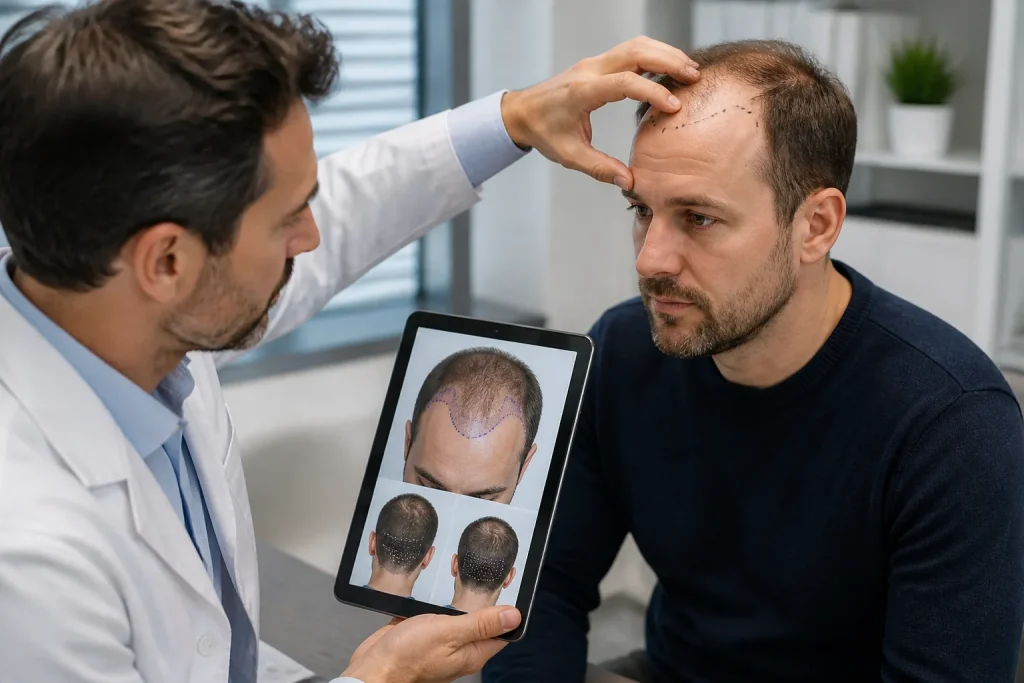
A dense packing hair transplant is a hair restoration approach in which grafts are placed at a relatively close concentration within a carefully selected recipient area. The goal is to use the available follicles strategically so thinning zones can appear fuller, while preserving an appropriate direction, angle, and distribution for natural-looking growth.
The term describes the graft concentration and placement strategy, not a separate harvesting method. Follicular unit extraction (FUE) or direct hair implantation (DHI) may be used to obtain and place the grafts, but these techniques are distinct from the decision to pack follicles more closely in a specific area.
Planning must balance cosmetic density with the limits of the donor area. A surgeon assesses the number and quality of available grafts, the stability of ongoing hair loss, scalp characteristics, and the design of the hairline before deciding where concentrated placement is appropriate. Excessive packing is not automatically better: a dense arrangement must still allow sufficient blood supply and follow the natural pattern of the patient’s existing hair.
For this reason, the approach may be focused on a limited region, such as a visible thinning patch or a section behind the hairline, rather than applied uniformly across the scalp. The final plan should reflect both the patient’s current needs and the long-term availability of donor follicles.
How Does Dense Packing Increase Hair Density?
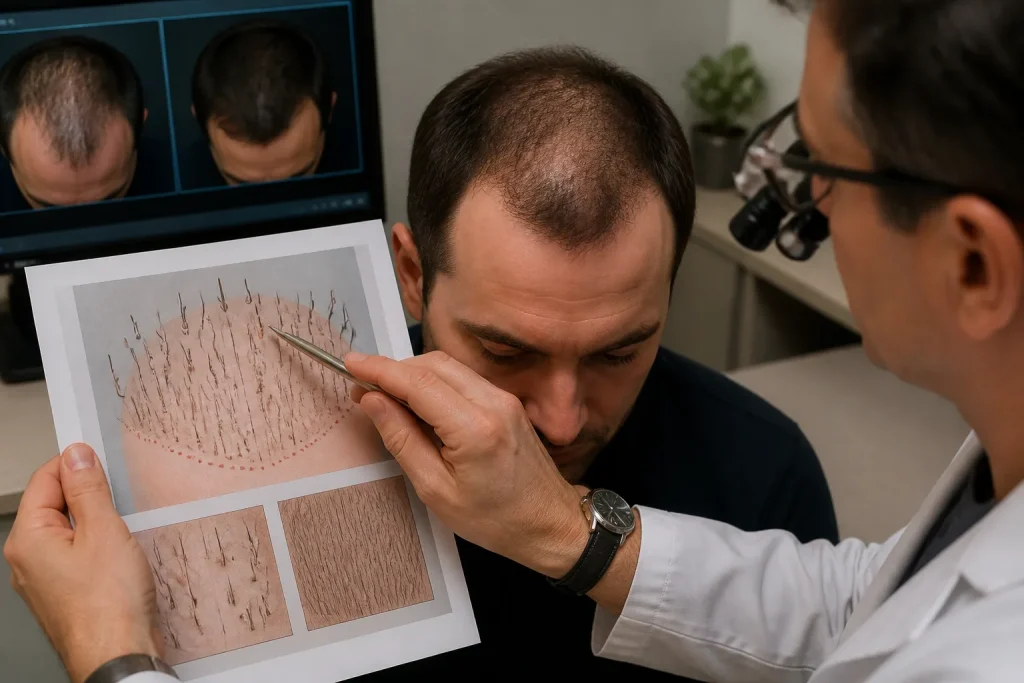
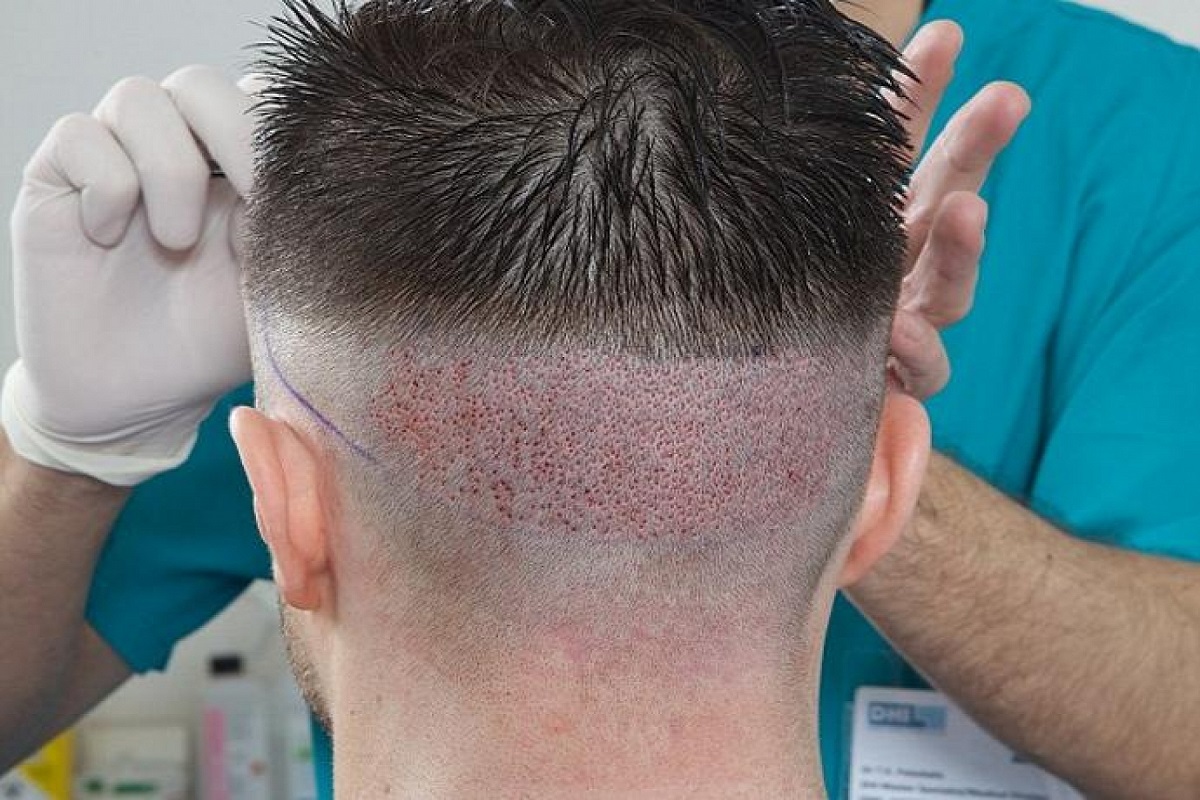
Hair density improves when follicular grafts are distributed more closely within an appropriate recipient area. This reduces the amount of visible scalp between neighboring growth points and can create a fuller visual pattern, particularly in zones where the existing hair is still strong enough to blend with the transplanted follicles.
The effect depends on more than the number of grafts used. Graft spacing determines how evenly coverage is created, while each graft may contain one, two, three, or more hairs. As a result, two areas receiving the same number of grafts may appear different if their follicular units have different hair counts. Skilled planning considers both the placement pattern and the natural direction, angle, and distribution of the patient’s existing hair.
Closer placement is generally most useful in carefully selected recipient zones. Packing grafts too tightly into an area with limited blood supply, poor scalp quality, active inflammation, or insufficient supporting tissue may affect healing and the final appearance. Hair caliber, texture, curl, color contrast with the scalp, and the strength of the donor area also influence how much fullness is perceived.
Dense placement can therefore improve optical coverage without creating unlimited density. The available donor supply remains finite, and the final result depends on graft survival, scalp characteristics, and how transplanted hair integrates with native growth. A surgeon must balance immediate coverage goals with natural-looking distribution and long-term hair loss patterns.
Who Is a Suitable Candidate for This Technique?
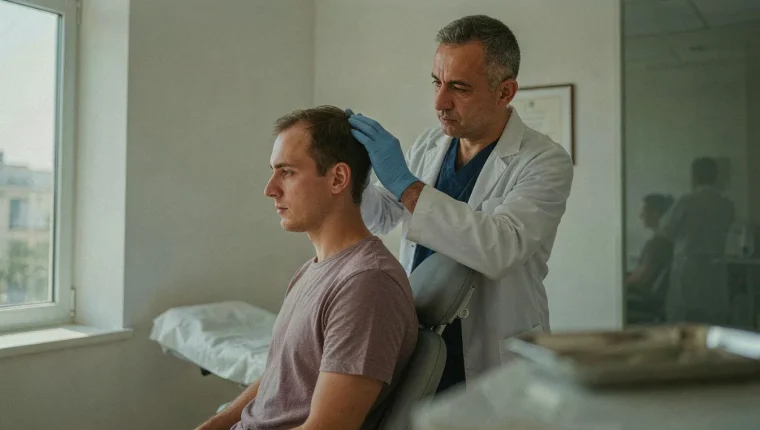
Suitability depends on more than wanting a fuller-looking result. A consultation begins with an examination of the donor area, where the surgeon assesses follicle quality, available coverage, hair calibre, and whether harvesting is likely to leave visible thinning. A stable, sufficiently dense donor supply generally provides more flexibility for carefully selected placement.
The pattern and progression of hair loss also matter. People with a relatively defined area of thinning may be considered for concentrated restoration, while ongoing or advanced loss can change the treatment priorities. If the recipient area is extensive or the donor supply is limited, distributing grafts across broader regions may be more appropriate than pursuing maximum concentration in one small zone.
Recipient-area characteristics are reviewed as well, including scalp condition, existing hair, hair direction, and the amount of space available between native follicles. The surgeon also considers whether future hair loss could affect the visual balance of the result. Expectations should remain realistic: transplanted follicles can improve coverage, but they cannot recreate unlimited density or prevent unrelated hair from continuing to thin.
Individualized assessment is therefore essential. There is no universal graft threshold that defines a suitable candidate. A qualified hair-restoration professional should review medical history, medications, previous procedures, and the stability of the loss before recommending a plan.
What Happens During the Procedure?
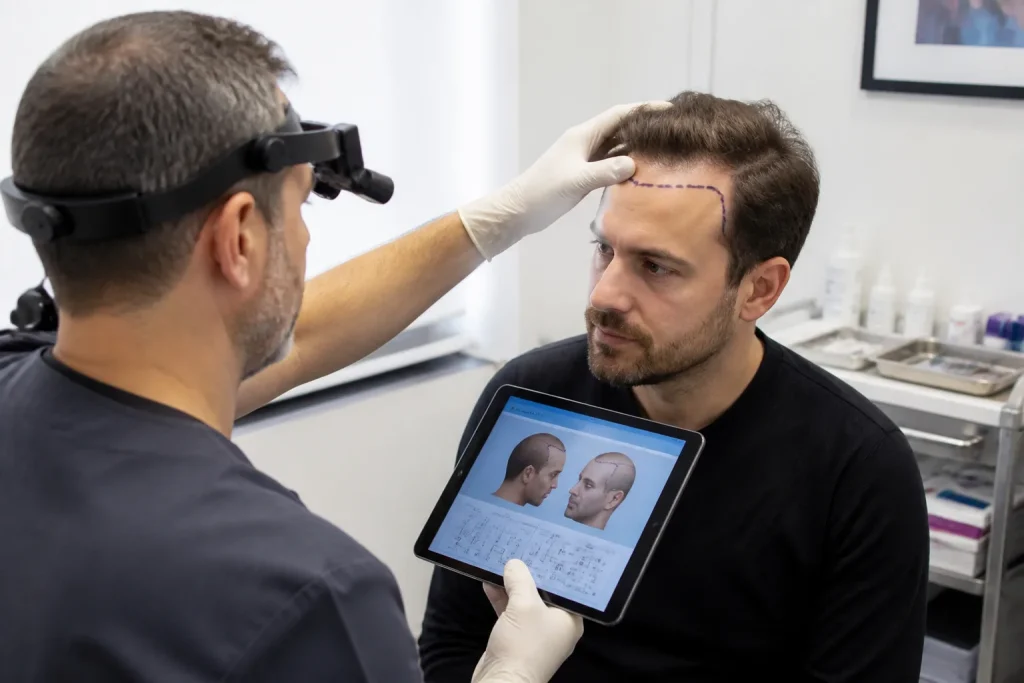
The procedure begins with a detailed consultation and surgical plan. The clinician assesses the donor area, examines hair direction and follicle quality, and designs the hairline and recipient zone according to the patient’s facial proportions and available grafts. The estimated graft number depends on the treatment area, desired coverage, and characteristics such as follicle grouping, hair thickness, and curl.
On the day of surgery, the donor area is trimmed and prepared with local anesthesia. Follicular units are then collected, usually with FUE or DHI, depending on the surgeon’s approach and the patient’s needs. FUE removes individual grafts through small extraction points, while DHI uses a specialized implanter to place prepared follicles directly into the recipient area.
After harvesting, the grafts are sorted and checked before implantation. Tiny recipient sites are created or selected to match the natural angle, direction, and distribution of existing hair. The size of the treatment zone, graft availability, follicle characteristics, and the level of density requested can affect the procedure’s duration and technical complexity. The scalp is then protected and aftercare instructions are provided before discharge.
What Recovery and Hair Growth Timeline Should You Expect?

Recovery begins with mild redness, swelling, tenderness, or tightness in the treated areas. These effects usually settle gradually, but the exact healing pattern varies according to the procedure, individual skin response, and the number of grafts placed. Follow your clinician’s aftercare instructions carefully, including guidance on washing the scalp, sleeping position, physical activity, and protecting the recipient area from friction or direct sun exposure.
Some transplanted hairs may shed during the first weeks or months. This temporary shedding can make progress appear slower than expected, even though the follicles remain in place and may later produce new strands. Early changes should therefore not be used to judge the final result.
Gradual hair growth is the normal expectation. New hairs typically emerge progressively rather than all at once, and visible improvement may continue over many months. Hair density is best assessed during scheduled follow-up visits, when the clinician can compare growth with the original plan and examine both the donor and recipient areas. Contact the clinic promptly if you notice worsening pain, spreading redness, unusual discharge, fever, or healing changes that concern you.
FAQs
Is dense packing suitable for advanced hair loss?
Dense packing may be suitable for advanced hair loss if the donor area contains enough healthy hair follicles to provide adequate grafts. However, extensive baldness often requires staged hair restoration, and placing grafts too closely can reduce survival or create an unnatural appearance. A qualified hair transplant surgeon should assess donor density, scalp laxity, hair characteristics, and the recipient area before recommending FUE, DHI, or another approach.
How many grafts are usually needed for dense packing?
Dense packing commonly requires around 30–50 grafts per square centimeter, but the total depends on the size of the thinning area, existing hair density, hair characteristics, and donor supply. A small hairline restoration may need 1,500–2,500 grafts, while larger areas can require 3,000 or more. A hair transplant specialist should assess the recipient and donor areas to create a safe, natural-looking plan.
Can dense packing hair transplants look natural?
Yes, dense-packing hair transplants can look natural when a qualified surgeon places grafts at the correct angle, direction, and spacing. Natural results also depend on donor-area quality, hair characteristics, graft survival, and a suitable hairline design. Excessive density in one session may increase surgical stress, so the surgeon should create a realistic plan based on the recipient area and long-term hair loss.