Dental implants Turkey packages may seem affordable, but their value depends on more than the advertised price. A fair comparison should include the proposed implant system, number of appointments, diagnostic work, restorative treatment, travel arrangements, and follow-up support. It should also include costs that may arise if bone grafting, sinus lifting, extractions, or additional visits are needed. The cheapest quote is not automatically the best option, especially when implant treatment requires careful planning and long-term maintenance. Patients should weigh financial savings against clinical standards, communication, convenience, and access to support after returning home. Turkey may offer practical value for some patients, but the decision should be based on a complete treatment plan and a reputable provider rather than a headline package price.
What Do Dental Implants Turkey Packages Include?
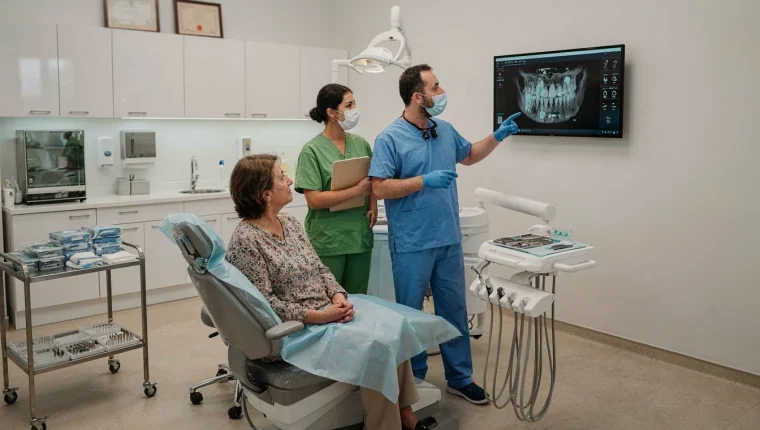
A dental implant package typically combines the clinical treatment with practical arrangements for an overseas patient. The medical portion may include an initial examination, panoramic X-rays or 3D imaging, implant placement, temporary teeth, and the final crowns or bridge. Some clinics also include routine consultations, medications, and a follow-up appointment in the quoted price.
The travel side can be equally important. Depending on the provider, the offer may cover airport transfers, hotel accommodation, transport between the hotel and clinic, and an interpreter or patient coordinator. Flights are less commonly included, so they should never be assumed to form part of the package.
What is covered can change significantly according to your dental condition. Bone grafting and sinus-lift procedures are often charged separately, as may tooth extractions, advanced scans, temporary dentures, sedation, or treatments for gum disease. Even the number and type of implants, abutments, and final restorations can vary between quotes.
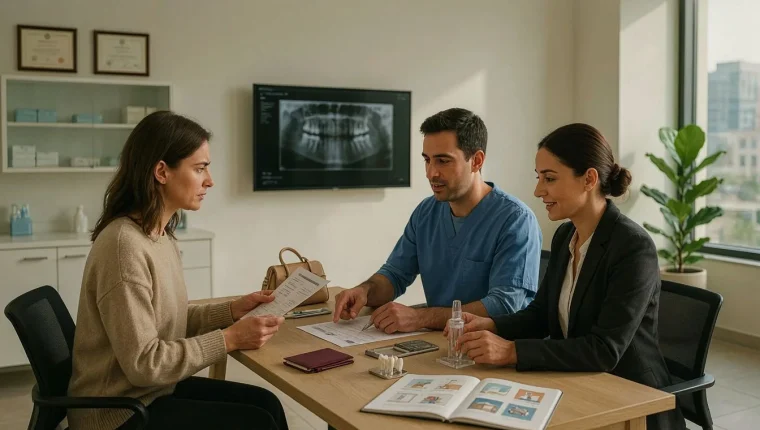
Before comparing packages, request a written treatment plan that separates included services from exclusions. Ask whether the price covers both surgical and restorative stages, how many visits are required, and what happens if additional treatment is identified after scanning. Confirm possible charges for extended accommodation, replacement medication, laboratory upgrades, or emergency adjustments. This detail helps you compare like-for-like offers rather than relying on an attractive headline price.
How Much Can You Save on Treatment in Turkey?

The apparent saving from treatment in Turkey depends on whether you are comparing equivalent care. A low starting quote may cover a different implant brand, fewer surgical stages, or a basic restoration than the treatment proposed by a local dentist. Compare the complete clinical plan, including the number of implants, abutments, crowns, imaging, and any required preparatory work.
Build a realistic budget rather than relying on the advertised treatment price. Include flights, accommodation, airport transfers, meals, time away from work, and possible costs for a companion. You should also check whether travel insurance covers planned dental treatment and whether your local dentist would charge for examinations or follow-up care after you return.
The most useful comparison is between like-for-like treatment costs, using the same implant manufacturer, restoration materials, surgical complexity, and number of appointments. Ask each clinic for a written, itemised quotation and confirm what could change after an examination or scan. Prices and exchange rates can change, so use current quotes from reputable clinics and compare them with up-to-date local estimates. This approach shows whether the overall saving remains meaningful after travel and related expenses are included.
What Quality and Safety Standards Should You Expect?
Before booking implant treatment abroad, assess the clinic’s clinical governance as carefully as its quoted price. Confirm that the treating dentist is appropriately qualified and licensed to practise in Turkey, and that the facility is legally authorized to provide the planned procedures. A reputable provider should be willing to explain who will perform each stage of treatment rather than relying on a brand name or sales representative.
Hygiene standards deserve specific attention. Ask how instruments are cleaned, packaged, and sterilized, whether sterilization records are maintained, and how single-use items are handled. The clinic should also identify the implant manufacturer and provide traceability for the components used. A clear explanation of the dental laboratory’s role, including where crowns or bridges are fabricated and how quality is checked, adds further reassurance.
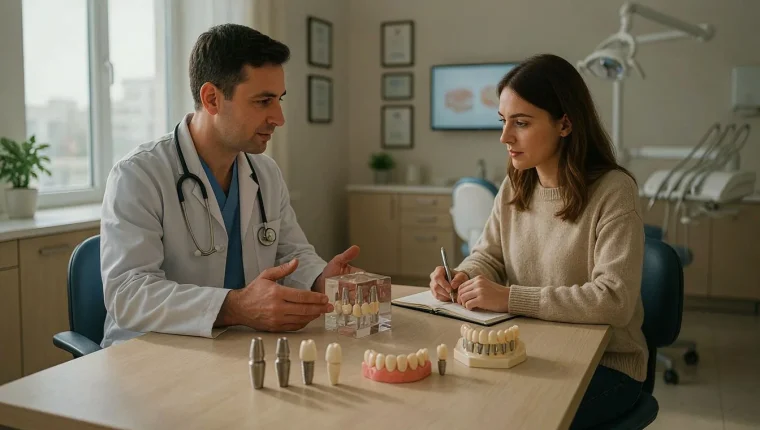
You should receive a written treatment plan based on appropriate diagnostic records, such as clinical examination and suitable imaging. It should set out the proposed procedures, materials, fees, healing stages, and realistic limitations. Informed consent is essential: you should understand the alternatives, foreseeable complications, and circumstances that could change the plan before treatment begins.
Finally, distinguish verifiable evidence from polished advertising. Credentials, facility documentation, implant records, and transparent clinical processes carry more weight than testimonials or promotional claims alone. Clear communication before payment is also an important indicator of patient protection.
How Do You Choose a Trusted Turkish Dental Clinic?
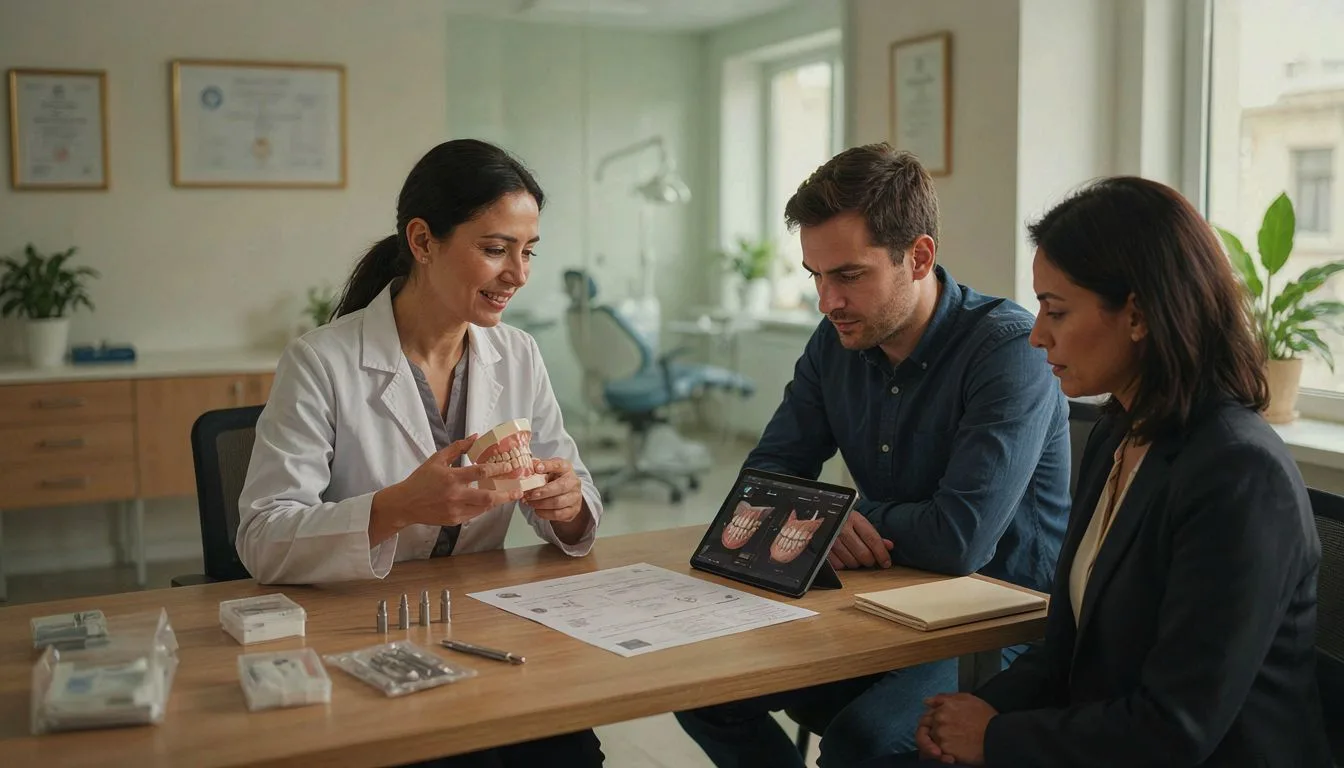
Choosing a clinic remotely requires more than comparing package prices. Start by assessing whether the provider understands your individual case and communicates with enough clarity for you to make an informed decision. A reputable clinic should be willing to discuss alternatives, explain why specific procedures may be needed, and connect you directly with the dentist responsible for planning and delivering treatment. Reviewing the clinic’s experience, documentation, scheduling, policies, and reputation can help you identify whether its approach is thorough and patient-focused before you commit to treatment.
- Case experience: Ask how often the clinician treats cases similar to yours, including full-arch or complex implant work where relevant.
- Written treatment plan: Request an itemized estimate showing the proposed stages, implant system, laboratory work, provisional teeth, and any possible additional charges.
- Clear timescales: Confirm how many appointments and days in Turkey are expected, and whether the schedule allows appropriate clinical assessment rather than rushed treatment.
- Revision terms: Read the clinic’s written policy for adjustments, remakes, or treatment complications, including what is excluded from its responsibility.
- Independent reputation: Compare detailed reviews across more than one platform, looking for consistent comments about communication, planning, and aftercare rather than generic praise.
These checks can also help you understand how the clinic manages communication before, during, and after your visit. Good communication is a practical quality indicator. Be cautious if staff avoid direct questions, promise guaranteed results, or pressure you to pay before reviewing diagnostic records. Before booking, ask who will remain your point of contact and how records will be shared with your dentist at home. Taking time to confirm these details supports a more informed decision and helps ensure that the proposed treatment is properly planned rather than based only on an attractive package price.
What Are the Risks, Recovery Needs, and Long-Term Results?
Implant surgery usually involves soreness, swelling, and a period of restricted chewing, with discomfort often greatest during the first few days. Healing of the gum may take several weeks, while the implant may need several months to integrate with the jawbone before the permanent crown is fitted. Where treatment is staged, patients may wear a temporary restoration between visits, so confirm how eating, speech, and appearance will be managed during this period.
Long-term success depends on more than the implant brand or package price. Bone volume, gum health, general medical conditions, smoking, oral hygiene, bite forces, and the accuracy of treatment planning all affect the result. Bone grafting or sinus-lift procedures can extend recovery, and unsuitable timing may increase complications.
Overseas treatment also makes follow-up more complex. Before travelling, establish who handles urgent problems, how revision responsibility works, and which costs arise if an implant fails. Arrange continuing examinations and professional cleaning with a local dentist, because long-term maintenance remains essential even after successful healing.
FAQs
Are dental implants Turkey packages genuinely more affordable than treatment at home?
Dental implants Turkey packages are often more affordable than treatment at home, even after including accommodation and transfers, mainly because clinic and laboratory costs are lower. However, prices vary by implant materials, treatment complexity, aftercare, and what the package includes, so compare itemized quotes and verify the dentist’s qualifications and clinic standards.
What do dental implants Turkey packages typically include?
Dental implant packages in Turkey typically include an initial consultation, diagnostic scans, implant placement, abutments, and crowns or other final restorations. Many also cover airport transfers, hotel accommodation, medication, and follow-up appointments, but inclusions vary by clinic and treatment plan. Confirm the exact procedures, materials, accommodation, and aftercare included before booking.
How can I assess the quality and safety of implant clinics in Turkey?
Check that the clinic is licensed by Turkey’s Ministry of Health and that the implant dentist has recognized qualifications, relevant experience, and verifiable professional registration. Review the implant system’s manufacturer, treatment plan, sterilization procedures, complication rates, and independent patient feedback, and ask for transparent pricing and follow-up arrangements. A reputable clinic should provide clear information, obtain informed consent, and never guarantee results.