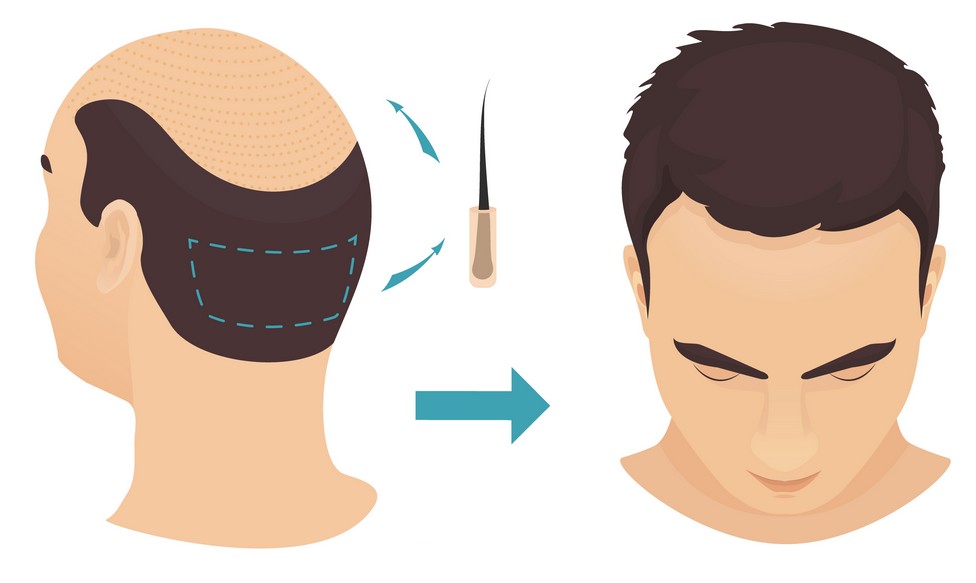
An FUE hair transplant may appear unsuccessful for several reasons, but poor early growth does not always mean permanent graft loss. Temporary shedding, delayed hair growth, uneven density, and visible gaps may occur during recovery, while confirmed failure requires a proper clinical assessment at the right stage. The outcome can also be influenced by the condition of the transplanted follicles, surgical handling, aftercare, scalp health, and continued loss of native hair. This article examines the main causes of failure after FUE hair transplant, explains why results may not meet expectations, and outlines what patients should consider before assuming the procedure has failed or exploring corrective hair restoration.
What Does FUE Hair Transplant Failure Look Like?
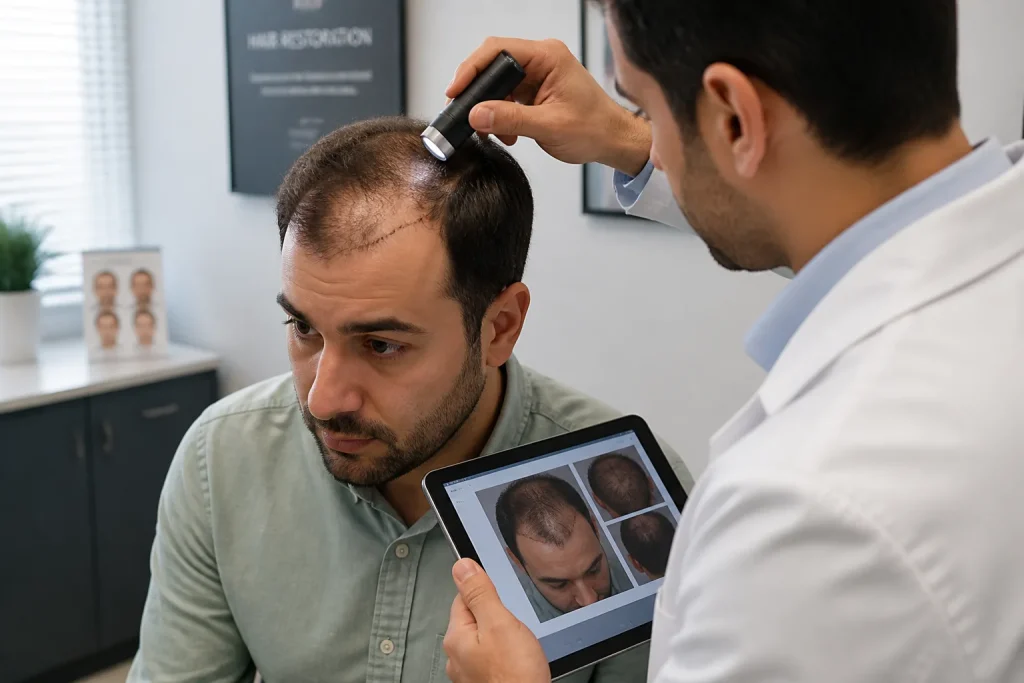
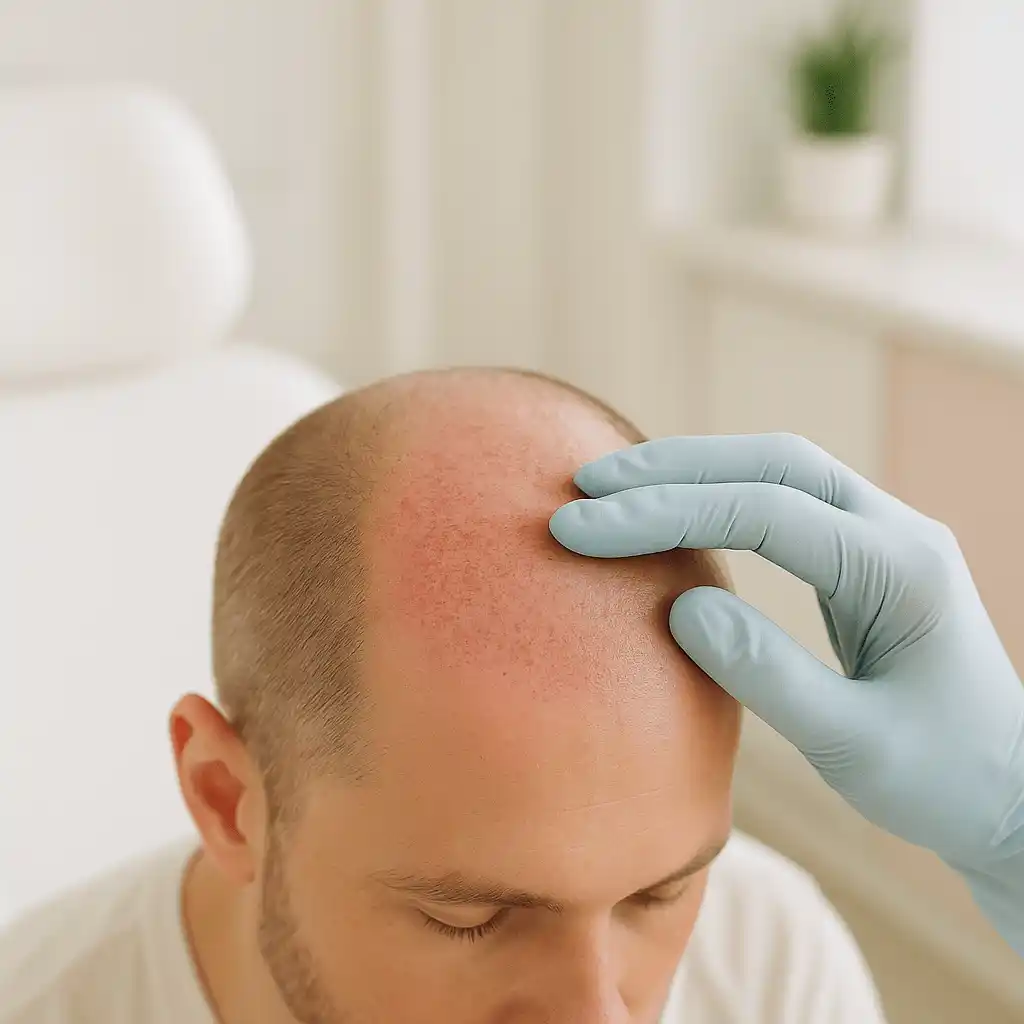
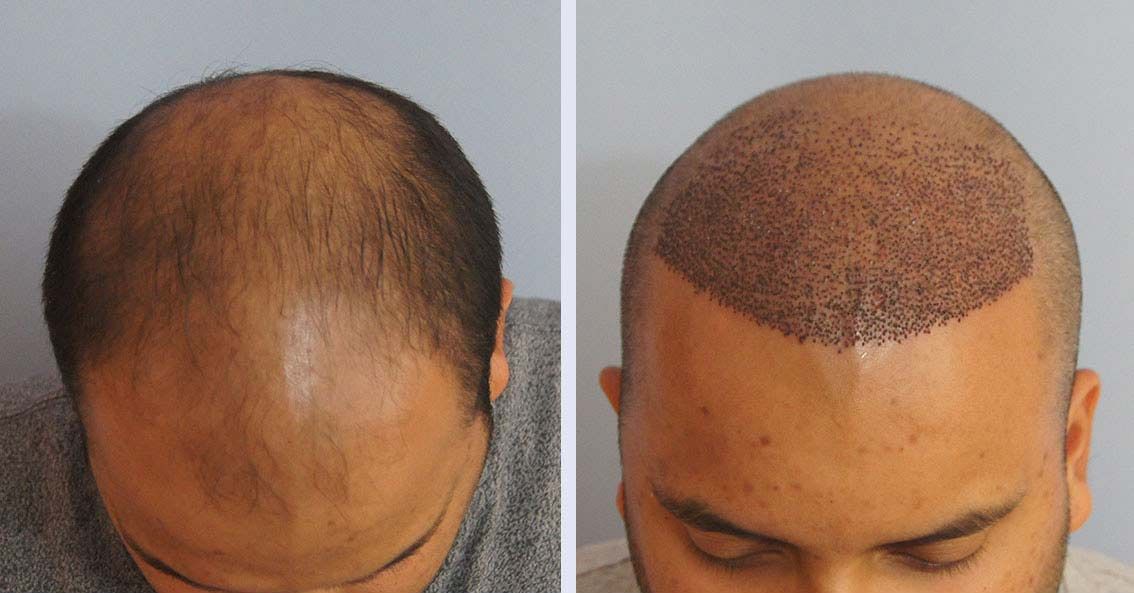
A concerning FUE result may appear as low density in the recipient area, visible gaps between grafts, or an uneven hairline that remains noticeably thin after the expected growth period. Some areas may show little or no new hair, creating a patchy appearance rather than uniform coverage. The donor area can also raise concerns if extraction marks remain unusually visible, density looks reduced, or the scalp appears uneven.
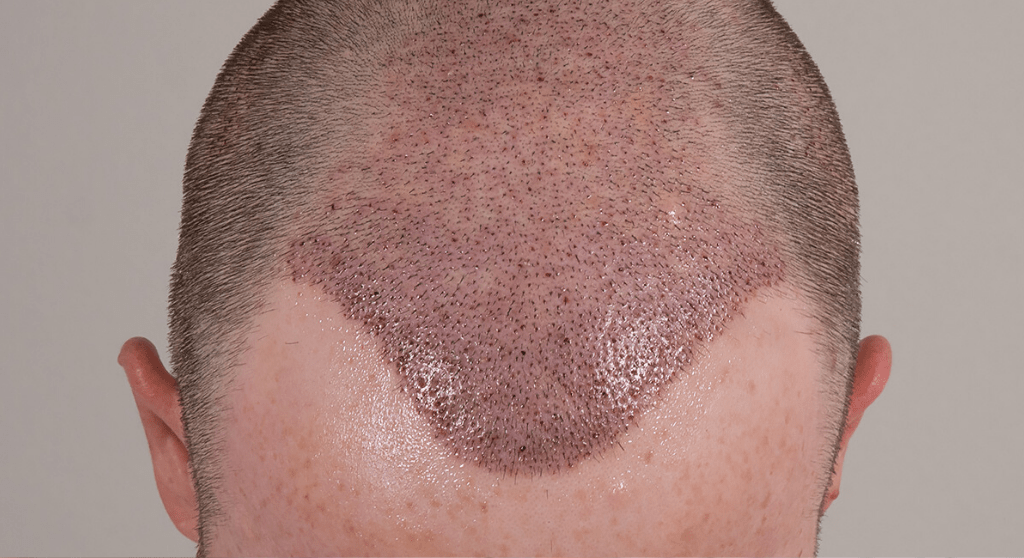
Timing is essential before interpreting these signs. Crusting, redness, temporary shedding, and an initially bare recipient area are common during recovery, and transplanted hairs may shed before new growth begins. Judging the outcome too early can therefore make normal postoperative changes look like treatment failure. Hair growth develops gradually, so the appearance should be assessed according to the surgeon’s expected timeline.
Persistent sparse growth deserves professional review when empty areas, marked patchiness, or poor donor-area healing remain after sufficient recovery time. Clinical photographs taken at consistent intervals can show whether coverage is improving. An examination, comparison with preoperative images, and review of operative records may also help determine whether grafts survived or whether the visible result reflects another cause.
Why Do Hair Follicles Fail to Grow After FUE?
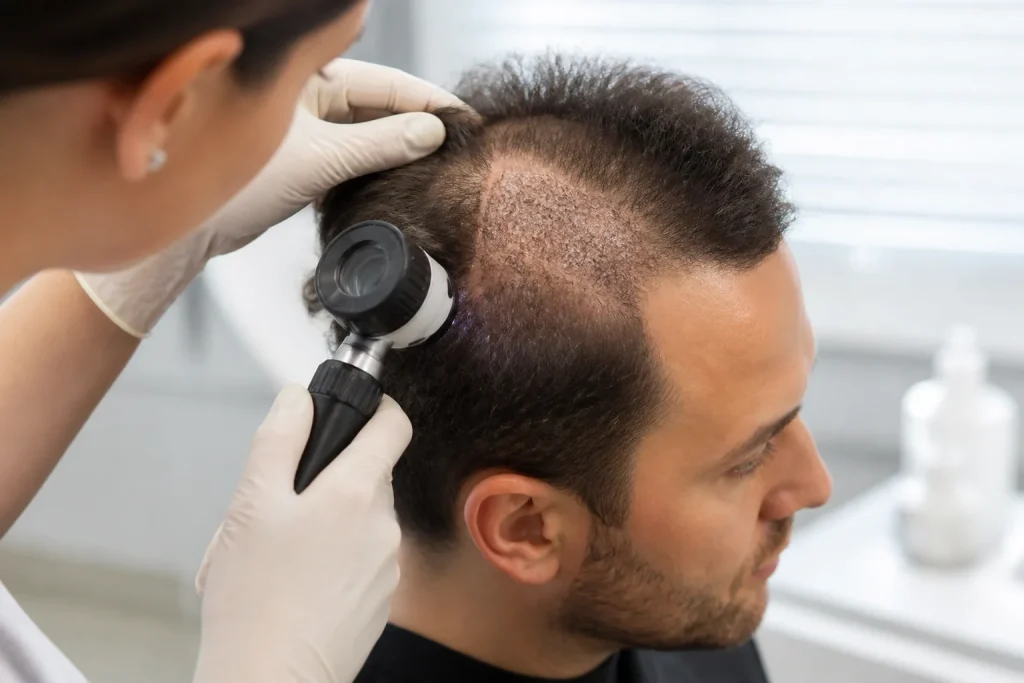
Transplanted follicles may fail to produce visible hair when they are severely damaged, do not survive the recovery period, or remain dormant longer than expected. Follicles can be affected by physical trauma, dehydration, insufficient oxygenation in the recipient tissue, infection, or individual differences in healing. These factors may reduce the number of grafts that successfully establish themselves, although the exact cause cannot be confirmed from appearance alone.
Early shedding does not automatically mean that a transplant has failed. Many implanted hairs shed during the initial recovery phase while the follicular structures remain beneath the skin. New growth can then emerge gradually over the following months, and some follicles may develop later than others. Temporary shock loss in nearby native hair can also make the recipient area look thinner before density improves.
Follicle viability is usually assessed through the pattern and timing of regrowth, together with examination of the scalp. Persistent redness, swelling, crusting, tenderness, or signs of infection may interfere with healing and require prompt medical review. Scarring or other recipient-area abnormalities can also affect emergence, but these conditions should not be self-diagnosed from photographs alone.
A qualified hair-restoration clinician can evaluate whether slow growth reflects normal recovery, delayed emergence, poor graft survival, or another scalp problem. Assessment is more reliable when performed after sufficient healing time and supported by preoperative images, postoperative records, and comparisons of the donor and recipient areas.
How Do Surgical Technique and Graft Handling Affect Results?
Surgical execution can influence how many extracted follicles remain usable and how naturally the transplanted hair eventually appears. During FUE, poorly controlled punching may damage follicles or cause transection, while rough removal can injure the graft before it leaves the donor area. Excessive handling, prolonged exposure to air, drying, unsuitable storage temperature, or delays before implantation are also important points to review because each graft has limited tolerance outside the scalp.
Recipient-site preparation affects the final pattern as well. Incisions that are too large, closely packed, poorly angled, or placed at inconsistent directions may produce an unnatural appearance or reduce effective coverage. Implantation trauma can damage grafts or the surrounding tissue, while incorrect depth may leave grafts buried, exposed, or vulnerable during healing. The design should also account for existing hair direction, planned density, and the limited supply in the donor area.
Graft handling and implantation technique should therefore be assessed alongside the visible result rather than judged from photographs alone. Operative notes may clarify the number of grafts extracted, their distribution, and whether multiple-hair units were preserved appropriately. Aftercare instructions can reveal whether washing, pressure, medication, or activity restrictions were clearly explained. A qualified clinician reviewing these details, the donor and recipient areas, and the timing of growth can help distinguish a technical concern from normal variation and avoid assigning responsibility without adequate evidence.
Which Health and Hair Loss Factors Can Reduce Long-Term Density?
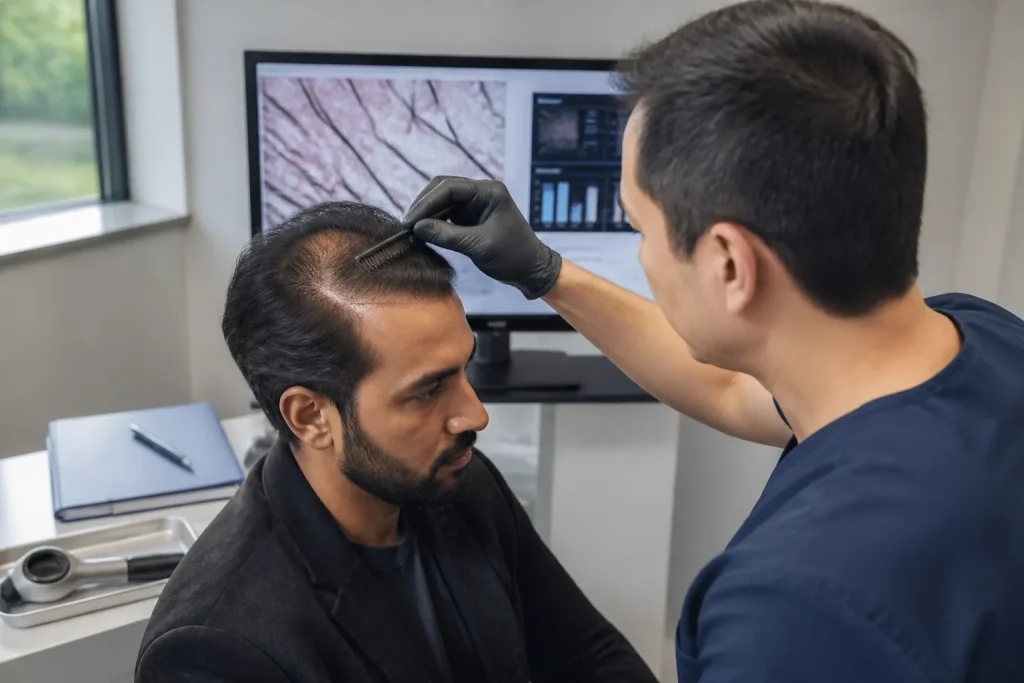
Long-term density can decline even when transplanted follicles initially survive, particularly if the underlying hair-loss process remains active. Progressive androgenetic alopecia may continue to miniaturize untreated native hairs around the grafts, creating a thinner appearance over time. Unstable hair loss, especially in younger patients or those with rapid shedding, can therefore make the final result look less dense than expected.
Medical management should be reviewed when ongoing thinning is suspected. A clinician may assess the pattern of loss and consider whether treatment is appropriate, while also reviewing nutrition, medications, smoking, and conditions that could affect healing or hair growth. Scalp disorders such as inflammation, infection, or severe seborrheic dermatitis may also interfere with the quality of the hair-bearing environment and require diagnosis rather than self-treatment.
Planning limitations can further affect perceived coverage. Donor-area capacity is finite, and low hair caliber, limited graft availability, or strong contrast between the scalp and hair may make density appear reduced even with reasonable graft placement. A large bald area may also require compromises in coverage and hairline design. These factors should be distinguished from implantation-related problems through an individualized clinical review.
How Can a Failed FUE Transplant Be Evaluated and Corrected?
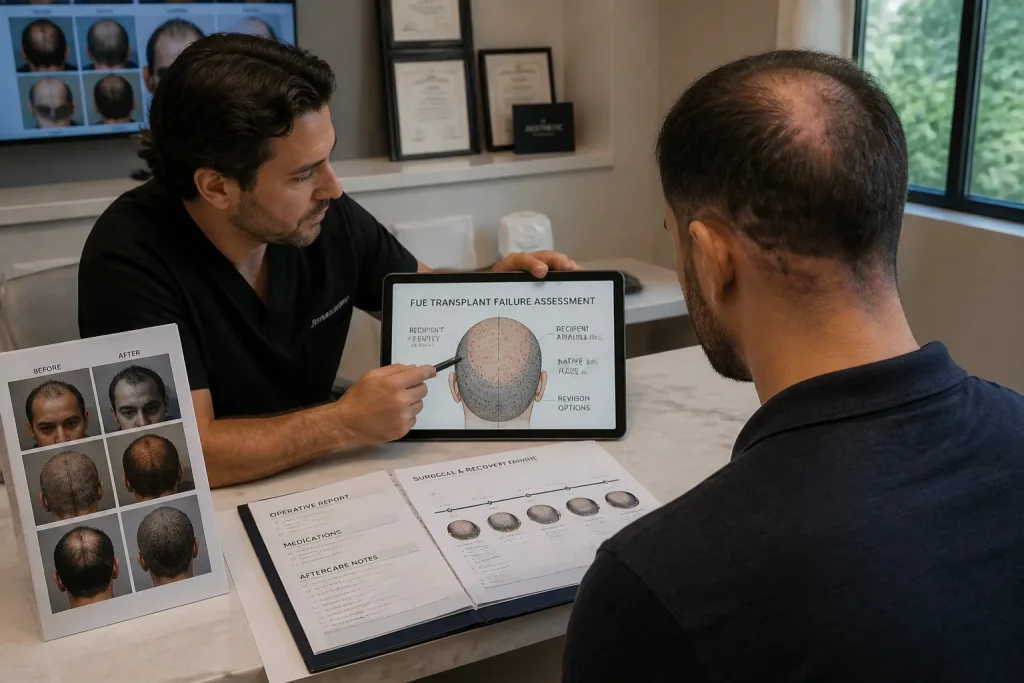
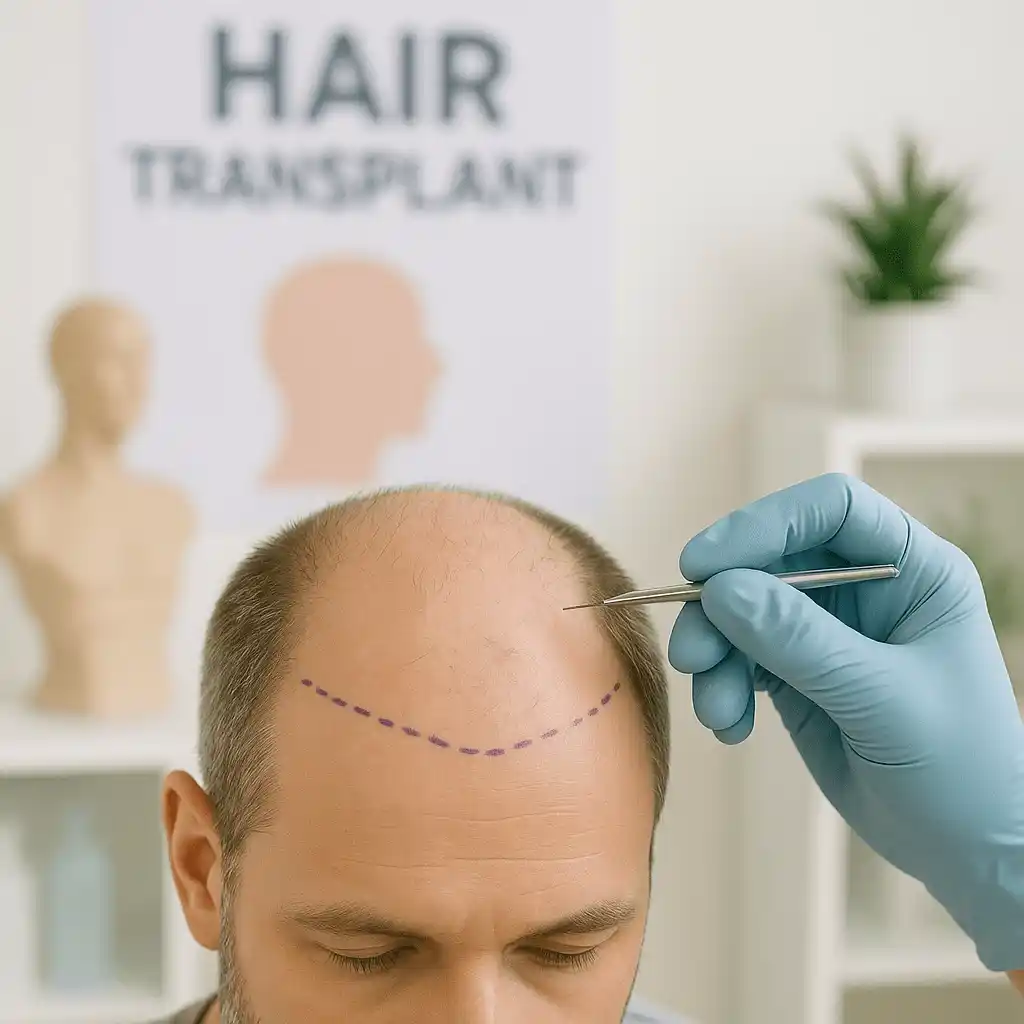
Evaluation should begin with a structured review rather than an immediate decision to repeat surgery. Timed photographic assessment using comparable lighting, angles, and hair length can show whether density is improving, stable, or declining. A specialist should then examine the recipient and donor areas, assess scalp health and available follicles, and review the operative report, treatment timeline, medications, and aftercare history. Previous procedures and ongoing native-hair loss also influence what correction is realistic.
Revision planning may require allowing additional time for maturation, stabilizing hair loss, or treating inflammation and other scalp or medical issues first. Depending on the findings, options may include observation, medical management, styling or camouflage products, or carefully planned additional transplantation. Revision is not automatically suitable if donor reserves are limited or the underlying loss remains active.
Prompt medical review is needed for severe or worsening pain, spreading redness, pus, fever, marked swelling, persistent inflammation, or abnormal scarring. These symptoms may require treatment before any cosmetic correction is considered.
FAQs
How long should I wait before deciding an FUE transplant has failed?
Wait at least 12 months before deciding that an FUE hair transplant has failed, as new growth often appears gradually and hair density can continue improving during this period. Temporary shedding, uneven growth, and slow maturation are common during recovery, especially in the first six to nine months. If there is little or no visible growth after 12 months, arrange an assessment with your transplant surgeon to check graft survival, hair growth patterns, and possible causes.
Can failed hair grafts be replaced with a second procedure?
Yes, failed or poorly growing hair grafts can sometimes be replaced during a second hair transplant procedure. A specialist should first determine whether the grafts truly failed, as shedding and slow growth can be normal during recovery, and assess the donor area, scarring, and remaining hair. Revision surgery may involve placing new grafts in the recipient area, improving density, or correcting the hairline, but results depend on the cause of failure and available donor follicles.
What should I do if my transplanted hair is growing unevenly?
Uneven growth is common during the recovery period because hair follicles enter the growth cycle at different times. Follow your clinic’s aftercare instructions, avoid pulling or trimming the grafts without medical advice, and allow several months for the hair density to develop. Contact your hair transplant surgeon if patchy growth persists after the expected regrowth period, worsens, or occurs with pain, redness, swelling, or signs of infection.