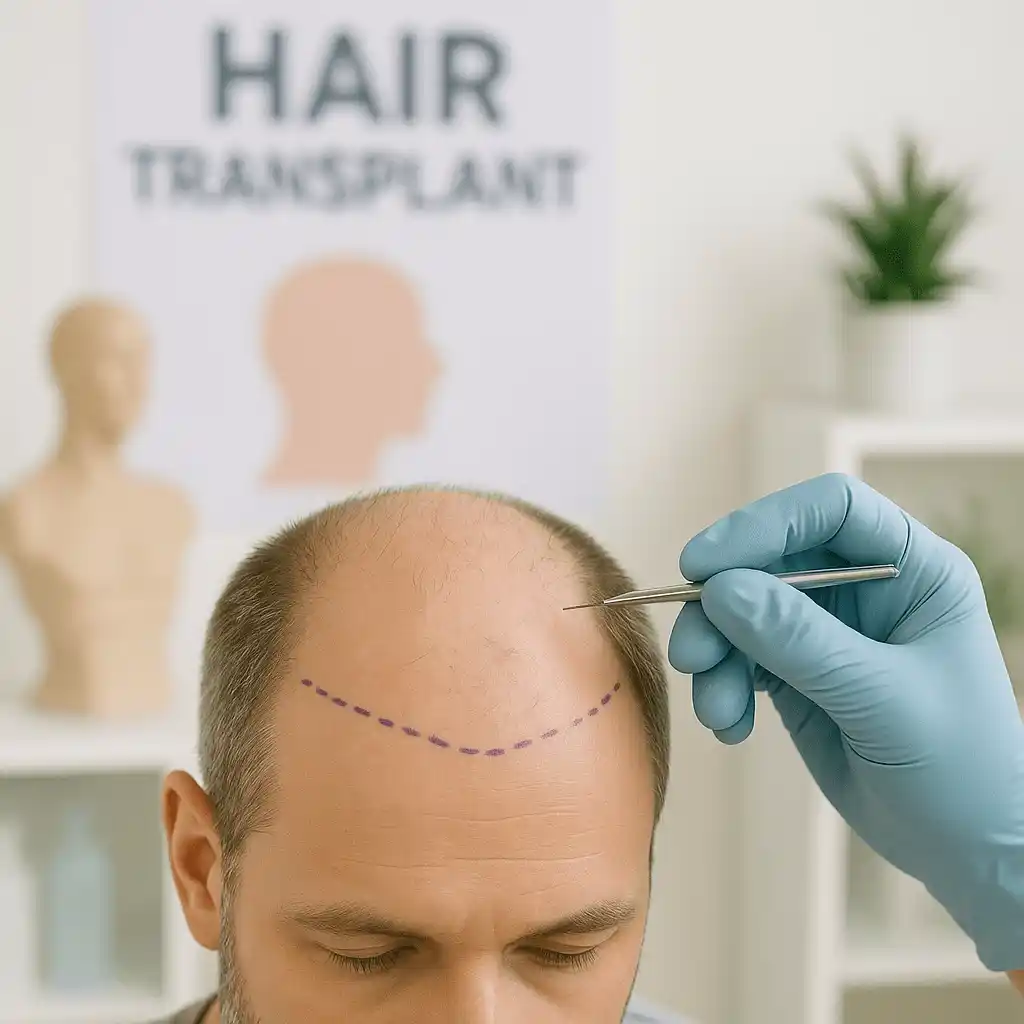
Choosing hair care products after a hair transplant is less about finding the most expensive formula and more about protecting the healing scalp. The wrong shampoo, moisturizer, or styling product may cause irritation or make cleansing more difficult while the grafts settle. Your clinic’s aftercare instructions should always take priority, since timing can vary after FUE, DHI, or other hair restoration procedures. This guide explains how to choose gentle products, reduce unnecessary contact with the recipient area, and build a manageable routine during recovery. It also explains when normal hair care and growth treatments may gradually become appropriate.
Hair Care Products After Hair Transplant: What to Use During Recovery
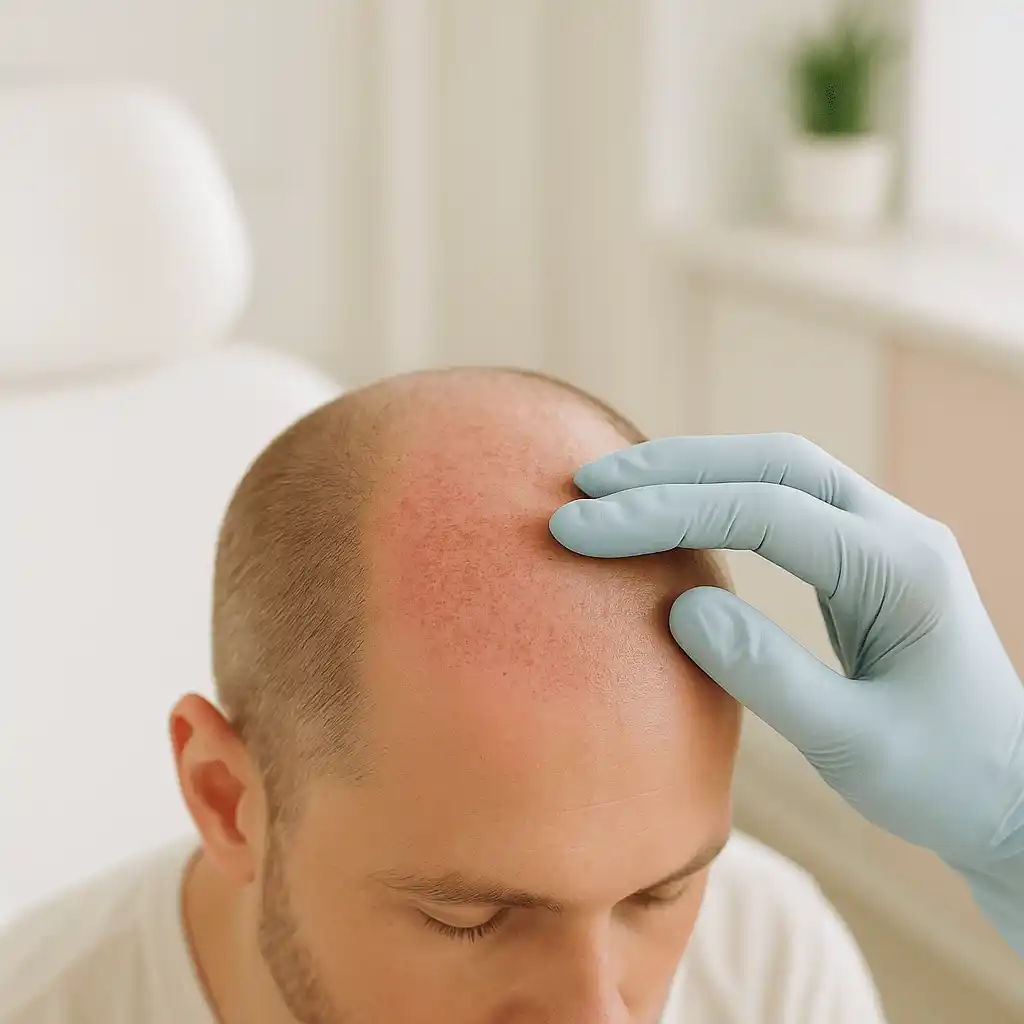
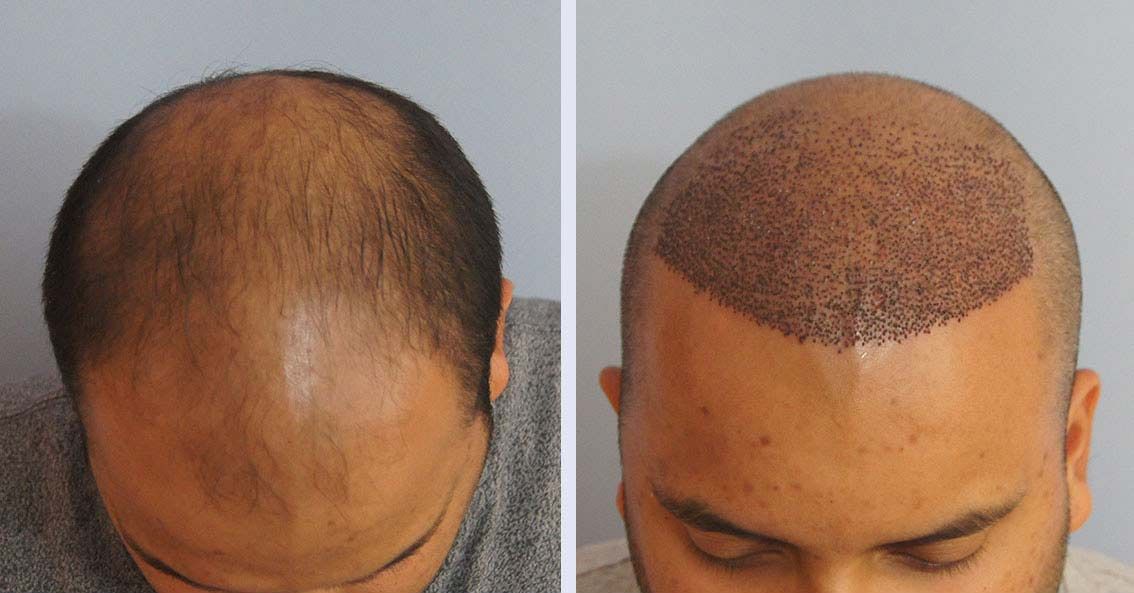
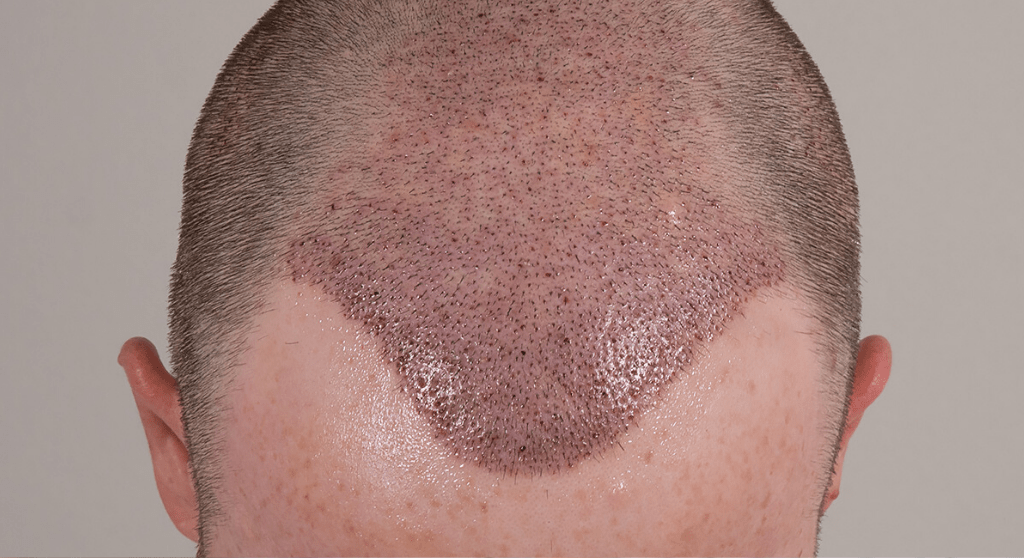
The right products depend on how far the scalp has progressed through recovery. In the first days after an FUE or DHI procedure, the recipient area needs protection rather than an elaborate hair routine. The main priorities are keeping the scalp clean according to the clinic’s instructions, avoiding friction, and preventing anything from catching or pressing against newly placed grafts.
During this early stage, use only products specifically approved by your hair restoration clinic. Some clinics provide a post-transplant cleanser or recommend a simple, fragrance-free formula, while others modify washing instructions according to the condition of the grafts and donor area. Do not assume that a product marketed for hair growth, sensitive skin, or natural ingredients is automatically suitable for fresh wounds.
As the scalp settles, your routine may gradually include a mild cleanser and, if needed, a carefully selected product for dryness or tightness. Apply products with clean hands and gentle contact; rubbing, scratching, vigorous massage, and high-pressure shower water can disturb healing tissue. The same care applies to the donor area, even though it may recover differently from the recipient site.
Your clinic’s aftercare protocol should override general product advice because it reflects the technique used, graft placement, and your individual healing response. Contact the clinic if washing causes persistent bleeding, increasing pain, marked swelling, pus, or worsening redness. Product choices become easier once the scalp is stable, but early recovery should remain simple and closely supervised.
How to Choose a Gentle Shampoo for New Grafts
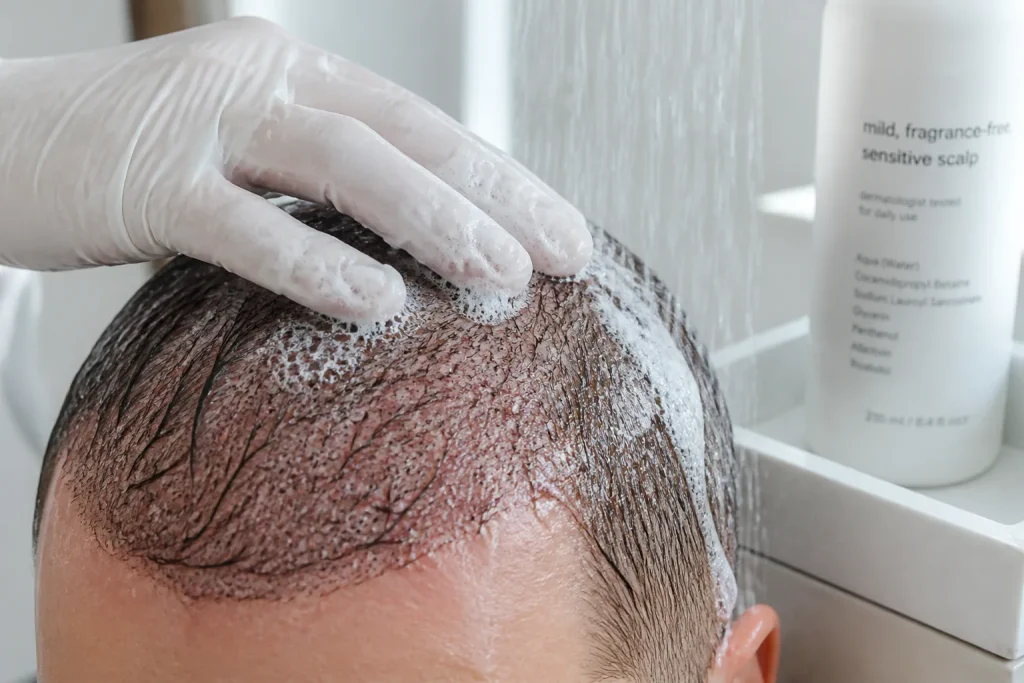
A gentle shampoo should remove excess oil and residue without making you scrub the recipient area. Choose a formula described as mild, sensitive-scalp, or low-irritant, with a light texture that spreads easily over wet hair. The cleansing strength matters: a product that leaves the scalp tight, burning, or unusually dry may be too aggressive during early graft recovery.
Check the ingredient list if your skin reacts easily. Fragrance, essential oils, strong exfoliating ingredients, and harsh surfactants can increase irritation for some people, although sensitivity varies. A fragrance-free formula is often a sensible option while the scalp is healing. Do not assume that a product marketed as “natural” is automatically suitable; botanical ingredients can also trigger redness or itching.
Application technique is just as important as the bottle you choose. Use lukewarm water, dilute shampoo in your hands if recommended by your clinic, and let the lather move gently across the scalp rather than rubbing with fingertips or nails. Avoid directing strong water pressure at fresh grafts. Pat the area dry with a clean, soft towel instead of dragging it over the skin.
If scabs, persistent redness, stinging, or unusual sensitivity continue, pause experimentation with new products and ask your surgeon or clinic to assess the scalp. They can confirm whether the shampoo is appropriate for your stage of recovery and advise when a different cleanser is safe.
Moisturizers and Scalp Treatments for Post-Transplant Comfort
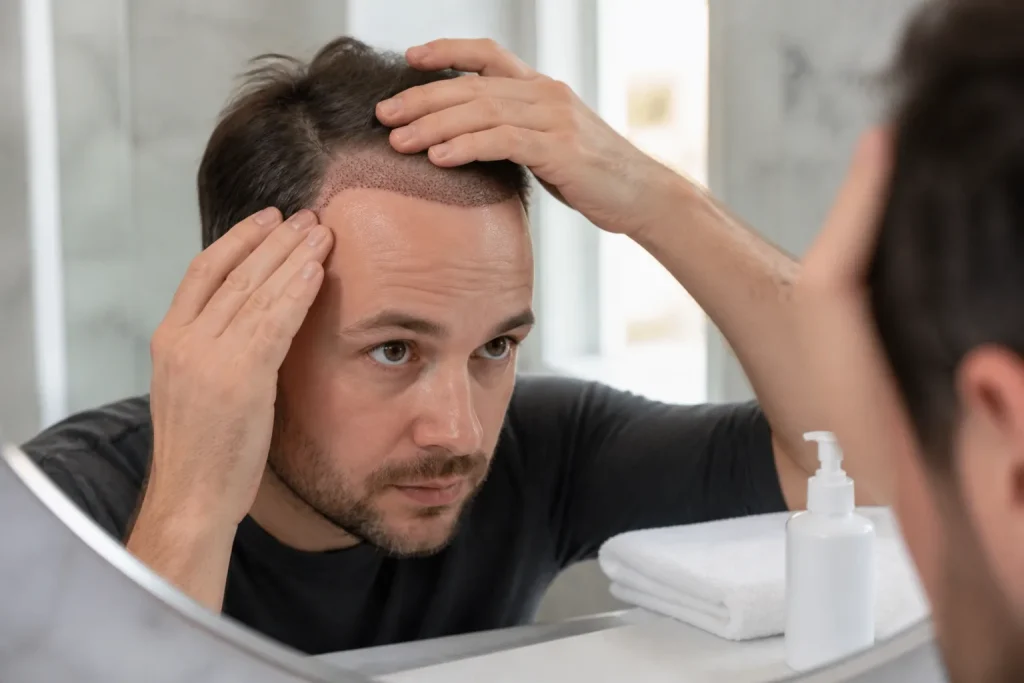
Dryness, tightness, or mild sensitivity can make the recipient area uncomfortable during recovery. A simple, fragrance-free moisturizer may help support scalp comfort once the treating clinic confirms that the grafts are secure and the product is suitable. Choose a lightweight, non-stinging formula rather than a thick cream that leaves a heavy film over the skin.
Application technique matters as much as the formula. Avoid rubbing, scratching, or pressing directly on newly implanted grafts. If approved, spread a small amount gently around the dry areas with clean fingertips, following the clinic’s instructions. Excess product can trap sweat and oil, while aggressive handling may disturb healing skin.
Clinic approval before applying scalp treatments is especially important for oils, leave-in conditioners, exfoliating products, and medicated lotions. Natural ingredients are not automatically safe for a healing scalp, and some may cause irritation or create an occlusive layer. Ask whether a product is appropriate for the recipient area, donor area, or both.
Basic moisturization is intended to relieve discomfort; it is different from treatments designed to influence hair growth, shedding, or hair density. Delay those products until your surgeon provides a clear reintroduction plan. Contact the clinic if dryness becomes severe or is accompanied by increasing redness, swelling, pain, discharge, or a worsening rash.
Products to Avoid While the Recipient Area Heals
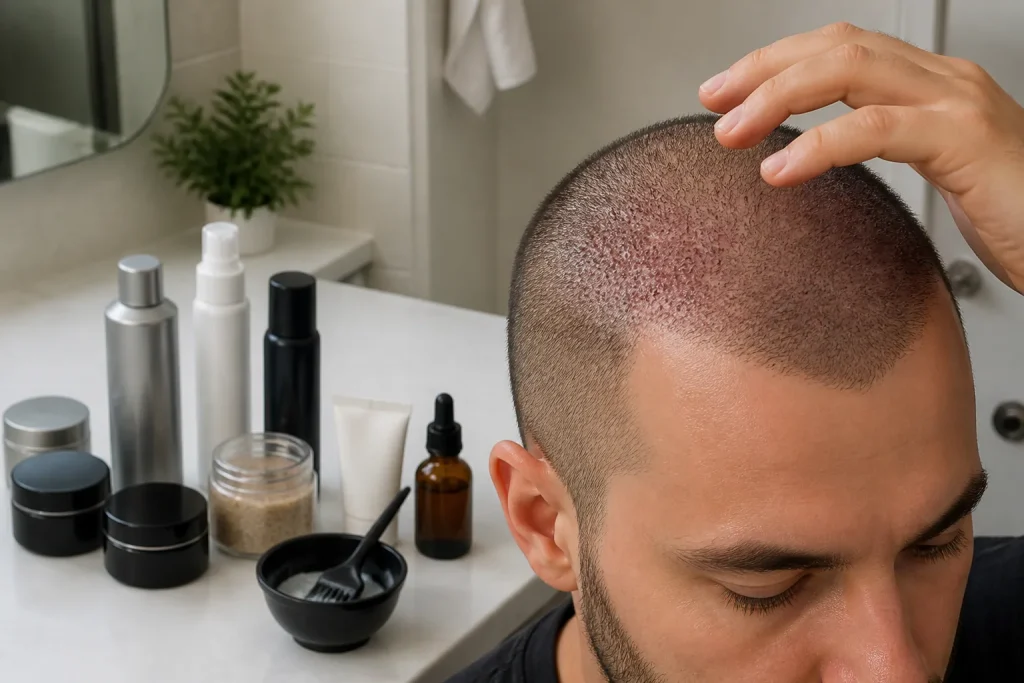
During early recovery, a product can cause problems even if it is normally safe for everyday hair care. Friction, residue, harsh ingredients, and unnecessary stimulation may irritate the recipient area or disturb fragile grafts. Keep anything that touches the scalp simple, and follow your clinic’s timing instructions before adding a new formula.
- Styling products: Gels, waxes, sprays, and mousses can create buildup and may require rubbing or pulling during removal, so avoid applying them near healing grafts unless your clinic approves them.
- Strong fragrances: Fragranced products may sting or trigger irritation on sensitive skin, particularly when the scalp is still red, tight, or tender.
- Exfoliants and scrubs: Physical scrubs, scalp brushes, and acids can increase irritation and should not be used on the recipient area during early healing.
- Dyes and chemical treatments: Hair dye, bleach, relaxers, and perms may irritate healing skin and should be postponed until the surgeon confirms that the scalp is ready.
- Active or oil-based formulas: Minoxidil, essential oils, and heavy oils are not automatically suitable simply because they are popular or “natural.” Use them only with professional guidance.
Stop using a new product if it causes burning, worsening redness, swelling, rash, discharge, or persistent itching. Contact the transplant clinic promptly if these symptoms continue or if grafts appear unusually loose, as they may require assessment rather than another topical product.
When to Reintroduce Styling Products and Hair Growth Treatments
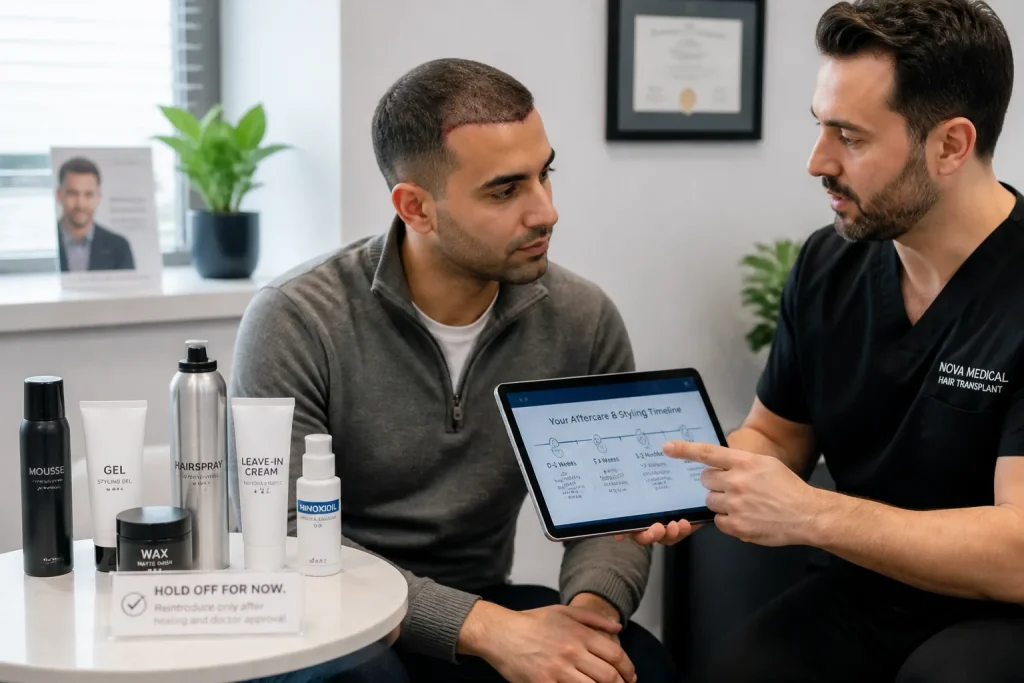
Styling products and hair growth treatments should return only after the recipient area has settled and your surgeon’s aftercare instructions allow them. The timeline can differ according to the procedure, such as FUE or DHI, the condition of the scalp, and how quickly the grafts heal. A product that feels harmless on unhealed skin may cause discomfort or make gentle washing more difficult.
Cosmetic products, including mousse, gel, wax, hairspray, and leave-in styling creams, are usually reintroduced gradually. Begin with a small amount, keep it away from any crusting or tender areas, and remove it gently without rubbing or scratching. Stop using it if redness, itching, burning, or increased sensitivity develops.
Minoxidil and other active hair-growth treatments require separate consideration. Do not restart them based on a general timeline alone. Surgeon approval is especially important if the scalp remains irritated, healing is incomplete, or temporary shedding occurs after transplantation. Your clinician can advise when treatment is appropriate and whether the formula or application method should be adjusted.
FAQs
Can I wash my hair normally after a hair transplant?
You should avoid washing your hair normally immediately after a hair transplant. Follow your clinic’s aftercare instructions, usually washing gently after the first few days with mild shampoo while avoiding rubbing, scratching, or directing strong water pressure at the grafts. Most patients gradually return to their usual washing routine within about two weeks, but the exact timing depends on healing and whether they had FUE or DHI.
When can I use minoxidil after the procedure?
Most patients can restart minoxidil about 7–14 days after a hair transplant, once the recipient area has healed and scabs have cleared. Your surgeon may recommend a different timeline based on the procedure, such as FUE or DHI, your recovery, and the condition of the grafts. Resume it only as directed, and stop if you develop significant irritation, redness, or swelling.
Are natural oils safe for transplanted hair?
Natural oils are usually safe after a hair transplant once the recipient area has healed, but they should not be applied directly to fresh grafts unless your surgeon approves. During early recovery, oils may irritate the scalp, interfere with aftercare, or loosen grafts if rubbed in. Follow your clinic’s instructions and introduce products such as coconut, jojoba, or argan oil only after the recommended healing period.