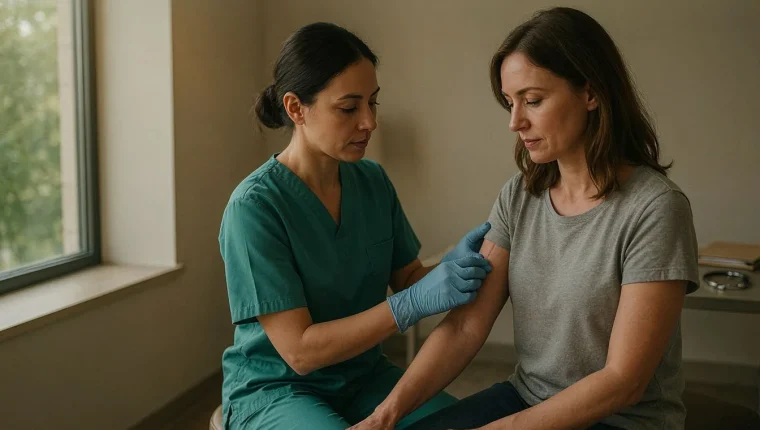
An arm lift consultation in Turkey is when you turn your decision into a plan. During the consultation, you get answers about sagging skin, scar placement, recovery time, and what your arms will look like once the swelling goes down. This appointment affects the technique used, the clinic you choose, the price you accept, and the confidence you bring to surgery.
Many people walk in unprepared, focused only on the before-and-after photos. The smarter approach is to treat the consultation like a working meeting. Come with your medical history, your expectations, and a short list of specific questions that force the surgeon to explain their reasoning. A good doctor will welcome that. A weak one will rush you. Either way, you leave knowing exactly where you stand.
What to Prepare Before Your First Appointment
Walking into your first appointment prepared can make the entire conversation more productive and far less stressful. Start by gathering your basic medical history, including any past surgeries, chronic conditions, allergies, and the medications or supplements you currently take. The clinic will almost certainly ask about weight stability, so note roughly how long your weight has been steady and whether you have any plans for future weight loss or pregnancy, since both can affect the long-term result.
It also helps to bring clear photos of how your arms looked at your lowest and highest weights, plus a short list of what bothers you most, such as loose skin on the upper arm, tissue that extends toward the chest, or irritation when wearing fitted sleeves. Wearing a simple top that lets the surgeon see the area easily will save time, and removing nail polish or heavy jewelry beforehand keeps the examination smooth.
Finally, write down any specific concerns you want addressed, such as scar placement, downtime, or how compression garments are fitted. Having these points ready ensures nothing important gets overlooked and gives your surgeon a much clearer picture of your goals from the very first meeting.
Key Questions About the Surgeon's Experience
The surgeon’s track record is the single most reliable predictor of how your own experience will unfold, so it deserves more than a polite glance at a clinic brochure. During the consultation, ask for specifics: how many body contouring procedures they perform each year, how their patient cohort breaks down between full brachioplasty, mini-arm lifts, and revision cases, and whether they keep complication logs. A surgeon who talks freely about outcomes — including the cases that did not heal perfectly — is usually one who has seen enough variety to manage yours well.
Before you commit, it helps to know precisely which credentials and habits to probe so the conversation stays focused rather than drifting into vague reassurance.
- Board certification and specialty training: Confirm certification in plastic, reconstructive, or aesthetic surgery from a recognized Turkish or international board, and ask where they completed their brachioplasty-specific training.
- Volume of arm lift procedures: Request the surgeon’s annual and lifetime numbers for this operation; high-volume surgeons typically have more refined technique and faster protocols.
- Before-and-after portfolio: Review unedited photos of patients with similar skin laxity, scarring tendencies, and body type to your own, not just the most flattering results.
- Hospital privileges and revision policy: Ask which accredited hospitals grant the surgeon operating rights and what the clinic’s policy is if a touch-up or revision becomes necessary.
- Patient references and independent reviews: Request contact with a past arm lift patient and cross-check feedback on independent platforms to confirm consistent communication and follow-through.
Notice how the surgeon responds when you push for detail: a confident specialist welcomes thorough questions because verified answers protect both of you. If answers feel guarded or rushed, treat that itself as a meaningful answer about who will be holding the scalpel.
Understanding the Procedure and Techniques Used
Once you feel confident in your surgeon’s background, the next layer of your discussion should focus on how the operation itself is performed. Brachioplasty is not a one-size-fits-all procedure, and the technique your surgeon recommends will depend on the amount and location of excess skin, the quality of underlying tissue, and whether liposuction is needed to address stubborn fat deposits along the upper arm or lateral chest wall.
A common starting point is the incision pattern. For mild to moderate skin laxity, a limited incision hidden in the armpit crease may be enough, while more significant sagging typically requires a vertical incision running from the armpit toward the elbow. Ask how the surgeon decides between these options and whether the scar can be positioned to remain discreet in short sleeves or sleeveless clothing.
Equally important is understanding how tissue excision and lymphatic respect are handled during the operation. Experienced surgeons preserve the deeper lymphatic vessels whenever possible to limit swelling and reduce the risk of long-term fluid retention in the arm. Inquire about the use of drains, internal sutures, and whether the procedure is combined with liposuction to refine contour rather than relying on skin removal alone.
Finally, request a realistic explanation of what the arm will look like at various stages of healing, including how the scar is expected to mature over the first twelve to eighteen months and whether any non-surgical options, such as silicone-based scar therapy or laser treatments, are part of the clinic’s standard aftercare protocol.
Anesthesia, Scarring, and Recovery Details
Pain control during an arm lift usually combines local infiltration with sedation or general anesthesia, and the choice depends on how much tissue is being removed and whether liposuction is added at the same time. Ask your surgeon which option they recommend, who administers the anesthesia, and whether a board-certified anesthesiologist stays in the room throughout the case. Clarify fasting rules, which medications you should pause beforehand, and how nausea or grogginess is managed if you are sensitive to these effects.
Scarring is a separate but closely linked concern, because the incision sits along the inner or back of the arm where it can be visible in short sleeves. The length and placement vary with the amount of loose skin, your skin quality, and whether the surgeon uses a short-scar or extended technique. Bring up how the scar typically matures over the first year, what silicone-based aftercare is suggested, and whether laser or microneedling is offered later if the line remains red or raised.
Recovery usually involves drains for a few days, compression sleeves for several weeks, and restricted lifting for about a month. Ask when you can drive again, shower, return to desk work, and resume exercise, and what warning signs should prompt an immediate call to the clinic. Realistic recovery milestones help you plan time off and arrange help at home before you commit to surgery.
Costs, Packages, and What Is Included

Money questions often feel awkward to bring up in a surgical setting, yet a transparent price conversation during your consultation protects you from hidden fees and surprise add-ons. The total figure a clinic quotes can swing widely based on the technique planned, the length of hospital stay, and whether revisions are bundled in. Treat any written estimate as a working draft that still needs line-by-line verification before you commit.
- Surgeon’s fee – the amount paid directly to the operating surgeon, usually tied to their experience, case volume, and the specific arm lift technique chosen.
- Facility and operating room costs – charges for the hospital or accredited surgical center, including nursing staff, equipment use, and the length of time in the operating theater.
- Anesthesia and anesthesiologist fees – separate from the facility fee, covering the type of anesthesia, monitoring, and the specialist’s time during surgery.
- Pre-operative testing – blood work, ECG, imaging, and any medical clearances required before the date of surgery.
- Post-operative supplies and garments – compression sleeves, dressings, scar care products, and any drain-care items you will need at home.
- Accommodation and transfers – hotel nights, airport pick-ups, and clinic-to-hotel transport for patients traveling specifically for arm lift surgery in Turkey.
Ask for an itemized quote rather than a single round number, and confirm whether follow-up visits, minor revisions, or treatment of potential complications fall inside the package or trigger extra billing. Clarify the payment schedule, accepted currency, and refund policy if medical reasons force a cancellation. A clinic that answers these questions openly during the consultation is far more likely to handle the financial side of your journey with the same clarity.
Clinic Standards, Safety, and Aftercare Support

Beyond the surgeon, the environment where your arm lift takes place shapes your entire experience, so it is worth asking how the operating facility is accredited and what emergency systems sit behind the doors. A reputable clinic will be transparent about its accreditation status, the presence of an on-site intensive care unit or transfer agreement with a nearby hospital, and the staffing ratios during and after surgery.
Ask who monitors you in the first twenty-four hours, how complications such as hematoma or infection are handled, and whether the same surgeon who performs your operation is the one who reviews you during recovery. Continuity of care often determines how smoothly small concerns are resolved before they become bigger ones.
Aftercare support deserves just as much attention as the procedure itself. Clarify how many follow-up visits are included, whether compression garments and wound care supplies are provided, and how you can reach the clinical team once you fly home. A clinic that offers structured remote check-ins, clear written recovery instructions, and a named coordinator tends to leave patients feeling held rather than handed off.
FAQs
What should I bring to my arm lift consultation in Turkey?
You should bring any previous medical records related to your arm health, a list of current medications and supplements, and photos of your desired arm shape if available. It is also helpful to bring a list of questions for the surgeon and details of your medical history, including past surgeries and allergies. Wearing or bringing a sleeveless top can make the physical examination easier.
How do I choose the right surgeon for an arm lift in Turkey?
Choose a surgeon who is board-certified in plastic surgery and has extensive experience performing arm lifts specifically, with a portfolio of before-and-after photos you can review. Look for positive patient reviews, a clinic that meets international hygiene standards, and a surgeon who provides a thorough consultation, answers all your questions, and outlines realistic expectations along with potential risks. It is also wise to confirm that the clinic offers proper aftercare support and that all costs are transparently explained before you commit.
What questions about recovery should I ask during my arm lift consultation in Turkey?
You should ask about the expected recovery timeline, including when you can resume daily activities, work, and exercise. Inquire about pain management strategies, required compression garments, and how to recognize signs of complications such as infection or poor wound healing. Finally, ask about follow-up appointments, whether they are conducted in person or virtually, and what support is available if you have concerns after returning home.