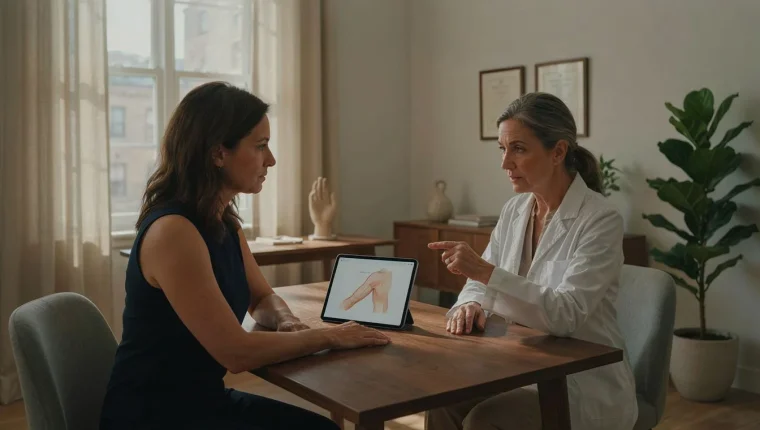
You’ve decided to get an arm lift and are considering the procedure in Turkey. That’s a practical choice. The country has a high concentration of surgeons performing arm lift surgery, and costs are generally lower than in many Western countries. Price and location shouldn’t be the only factors guiding your decision.
Choosing the right surgeon matters more than anything else. The outcome of the surgery, your safety during the procedure, and how smooth your recovery goes all depend heavily on who’s holding the scalpel. So, knowing what to look for, what questions to ask, and what red flags to avoid becomes essential when selecting an arm lift surgeon Turkey has to offer.
Credentials and Experience That Define a Qualified Arm Lift Surgeon Turkey
Surgical training tells you how a doctor learned to cut and stitch, but it does not guarantee steady hands for an aesthetic procedure like brachioplasty. When you start narrowing down your options, look past the marketing photos and focus on what a surgeon’s career actually shows. How many arm lifts have they performed over the past two or three years? Do they dedicate a meaningful share of their practice to body-contouring cases, or is upper-arm surgery a small side service alongside many other procedures?
Experience also reveals itself in the way a surgeon talks about trade-offs. A doctor who has managed hundreds of sagging-arm patients can speak fluently about scar placement, healing timelines, and the limits of what skin excision can achieve after major weight loss. They will usually reference specific cases, share honest photos of varied body types, and explain why they might recommend a brachioplasty combined with liposuction in some situations and not in others.
Membership in professional plastic or aesthetic surgery societies adds another layer of reassurance, because these groups typically require documented training, ethical standards, and ongoing education. When a surgeon can show a clear career path from residency through fellowships and continuing courses, you get a much more reliable picture than a glossy clinic website alone can provide.
Board Certification and Hospital Privileges to Verify
A surgeon’s qualifications aren’t only about training history; they also need to be officially recognized within the medical system where you’ll be treated. Board certification signals that the doctor has met peer-reviewed standards in plastic, reconstructive, or aesthetic surgery, while hospital privileges confirm that an independent institution allows them to perform procedures in a fully equipped operating environment. Together, these two markers act as a practical filter you can apply to any shortlist, helping you separate surgeons who have earned third-party validation from those whose credentials rely solely on self-promotion. Without this layer of verification, even an impressive CV or a polished website can mask gaps in formal recognition that matter when you’re consenting to surgery.
When you’re reviewing a potential surgeon’s background, look for documented recognition rather than marketing language. The following points cover what to confirm and how to verify it before committing to a decision:
- Certification by the Turkish Medical Association or EBOPRAS: Ask which national or European board granted certification, and request the specialist registration number so you can cross-check it with the issuing body.
- Active surgical privileges at an accredited hospital: A surgeon who only operates in private clinics may lack admitting rights; hospital privileges mean another institution has vetted their credentials.
- Specialty alignment with brachioplasty: Confirm the board certification is in plastic surgery specifically, since general surgery or dermatology certifications don’t cover the same scope of procedures.
- Current malpractice and disciplinary record: Check whether the Turkish Medical Chamber lists any open complaints or sanctions, which reflects ongoing standing rather than a one-time qualification.
- Membership in international societies: Affiliations with ISAPS or ASPS indicate peer accountability, ongoing education, and adherence to global safety standards.
These verification steps do more than satisfy due diligence; they also frame the conversation you’ll have during the consultation. A surgeon whose board status, hospital rights, specialty focus, disciplinary history, and society memberships all check out is signaling transparency, and that same transparency tends to carry over into how consent forms, complication rates, and revision policies are discussed. By collecting this information in writing before your first visit, you enter the appointment with a baseline that makes vague reassurances easier to spot and harder to accept. Once you’ve confirmed these markers, the next layer to examine is the visual record each surgeon can show you, because documented credentials still need to translate into results you find aesthetically convincing.
Before-and-After Results: Reading Visual Evidence Carefully

Photographs in a surgeon’s gallery aren’t just decoration; they’re the closest thing to a preview you’ll get. Look past the flattering angles and the consistent lighting and pay attention to what stays the same across the set: scar position, scar length, and whether the underarm contour looks smooth at rest rather than only when the arm is flexed or rotated. A genuine gallery usually includes a range of body types and skin qualities, not just the easiest cases.
Ask how recent the photos are and whether you’re seeing unretouched before-and-after images taken at consistent angles, distances, and lighting conditions. Compression filters and minor cropping can soften the appearance of a scar far more than any scalpel. When possible, request to see follow-up photos taken several months post-op, since swelling resolves and scars mature over time, and the early “after” often looks tighter than the final result.
Finally, remember that one carefully chosen image can flatter almost any surgeon. What matters is the pattern across many patients. If every case shows identical lighting, identical posing, and identical skin tone, you’re likely looking at curated marketing rather than an honest record of outcomes.
Comparing Surgical Techniques Offered for Upper Arm Contouring
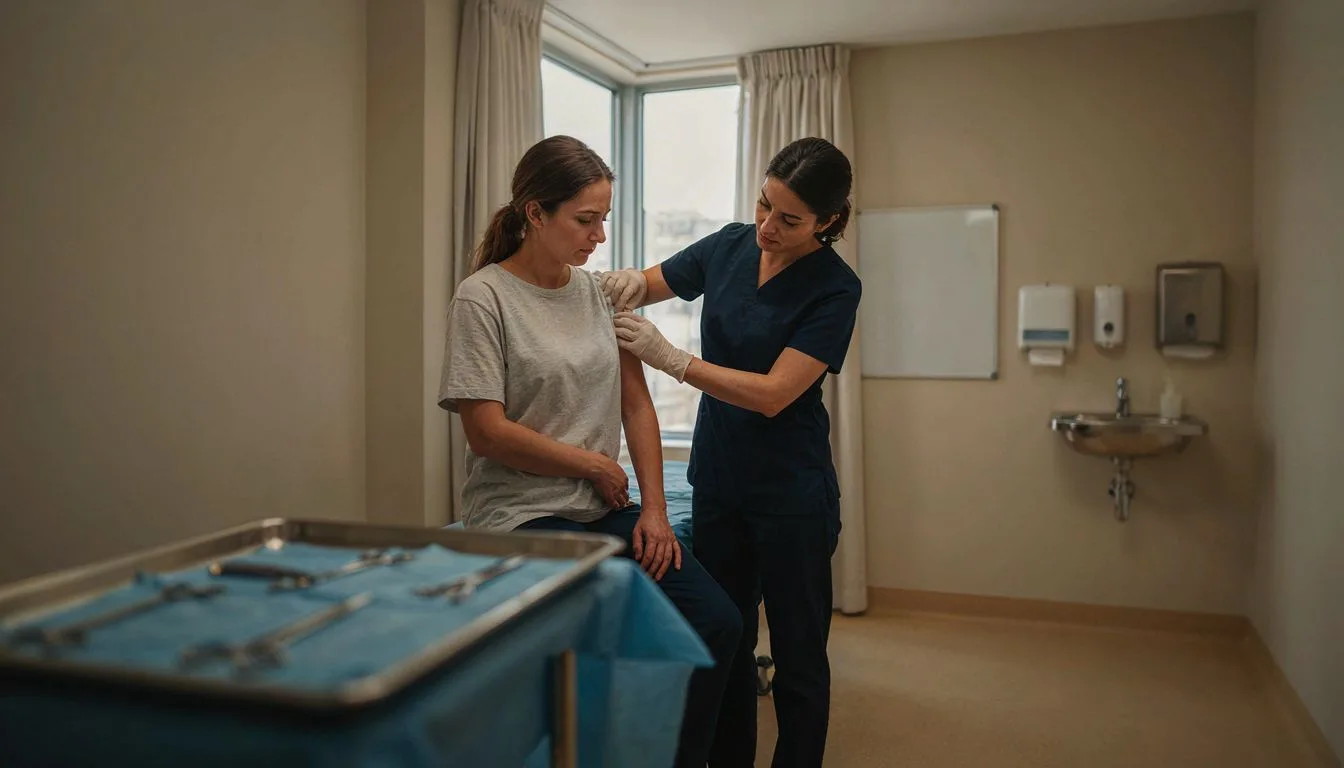
Once you’ve narrowed your list to qualified surgeons, the next meaningful comparison happens in the operating room itself. Different practitioners rely on different approaches, and the technique a surgeon favors shapes everything from scar length and placement to recovery time and how natural the final contour looks in motion.
The most common starting point is a traditional brachioplasty, where an incision runs along the inner arm, sometimes extending toward the armpit or elbow depending on how much skin needs to be removed. This method handles significant laxity but leaves a visible scar, which is why experienced surgeons often discuss scar placement strategies, length, and aftercare protocols before committing to it. If your tissue looseness is limited to the upper third near the armpit, a limited-incision or short-scar brachioplasty may be enough, trading maximal skin removal for a more discreet scar.
Some surgeons combine these excisional methods with liposuction-assisted contouring, using energy-based devices (laser-assisted or radiofrequency-assisted) or traditional suction to debulk surrounding fat and refine the result. Others offer a minimally invasive arm lift, relying almost entirely on internal radiofrequency or ultrasound energy to tighten skin through tiny entry points, though candidacy for that approach is narrower and depends on skin elasticity. Ask each surgeon how they decide between these options, what trade-offs they’re willing to make on scarring versus tightening, and which approach their own before-and-after gallery most often reflects.
Consultation Process: Questions to Ask Your Shortlisted Surgeon
A consultation is more than a meet-and-greet; it’s a working interview where the surgeon should be earning your trust, not assuming it. Walk in with a printed list so the appointment stays focused, and notice whether answers feel rehearsed or genuinely tailored to your anatomy, your scarring risk, and your lifestyle. If anything is dismissed or rushed, treat that reaction as information.
- Ask how many arm lifts the surgeon performs each year. High annual volume correlates with refined technique and predictable outcomes for brachioplasty.
- Request the specific technique they recommend for your arms and why. Whether they suggest a full excisional lift, a limited-incision approach, or liposuction-assisted contouring should be tied to your skin quality and fat distribution.
- Clarify scar placement, length, and healing expectations. Understand where the incision will sit, whether it may extend toward the chest, and what fading realistically looks like at twelve months.
- Confirm who handles anesthesia and where the procedure takes place. Knowing the anesthesiologist’s credentials and the hospital’s accreditation protects you from clinic-only shortcuts.
- Discuss complication rates and revision policy. A confident surgeon quotes their own seroma, hematoma, and revision numbers and explains what corrective care is included if healing goes off-script.
- Request a full written quote and recovery timeline. Garments, follow-up visits, medications, and time off work should all appear before you commit any deposit.
Pay attention to how the team communicates between visits as well. Responsive coordinators, translated consent forms, and clear pre-op instructions are early signs that your arm lift surgeon Turkey runs a process, not just a procedure. Save every email and document; they become your reference point if revision care or insurance questions arise months later.
Pricing Structure, Inclusions, and Hidden Costs to Anticipate
A quoted arm lift price rarely tells the whole story, so learning how Turkish clinics structure their fees helps you compare offers honestly. Most packages bundle the surgeon fee, anesthesia, operating room use, and one or two compression garments into a single figure, while separate line items typically appear for pre-operative bloodwork, implants or drains if needed, and any prescribed medications.
Travel-related costs are usually not included in the surgical quote, and these add up faster than many patients expect. Ask whether airport transfers, hotel nights, and a caregiver for the first 24 hours are part of the deal or out of pocket, because those line items can shift your total budget by several hundred euros.
Revision policies and follow-up visits deserve the same scrutiny as the headline number. A trustworthy surgeon explains in writing what happens if healing requires a touch-up, whether compression garments are replaced at no charge, and how many post-op consultations are covered before extra fees begin.
FAQs
How do I verify the credentials of an arm lift surgeon Turkey?
You can verify an arm lift surgeon’s credentials in Turkey by confirming their registration with the Turkish Medical Association (Türk Tabipleri Birliği) and checking that they hold a board certification in plastic, reconstructive, and aesthetic surgery from the Turkish Ministry of Health. Reputable surgeons also typically have international affiliations such as ISAPS or membership in EBOPRAS, which you can cross‑reference on those organizations’ official directories. Finally, look for verified patient reviews, before‑and‑after galleries, and accreditation of the clinic or hospital where they operate.