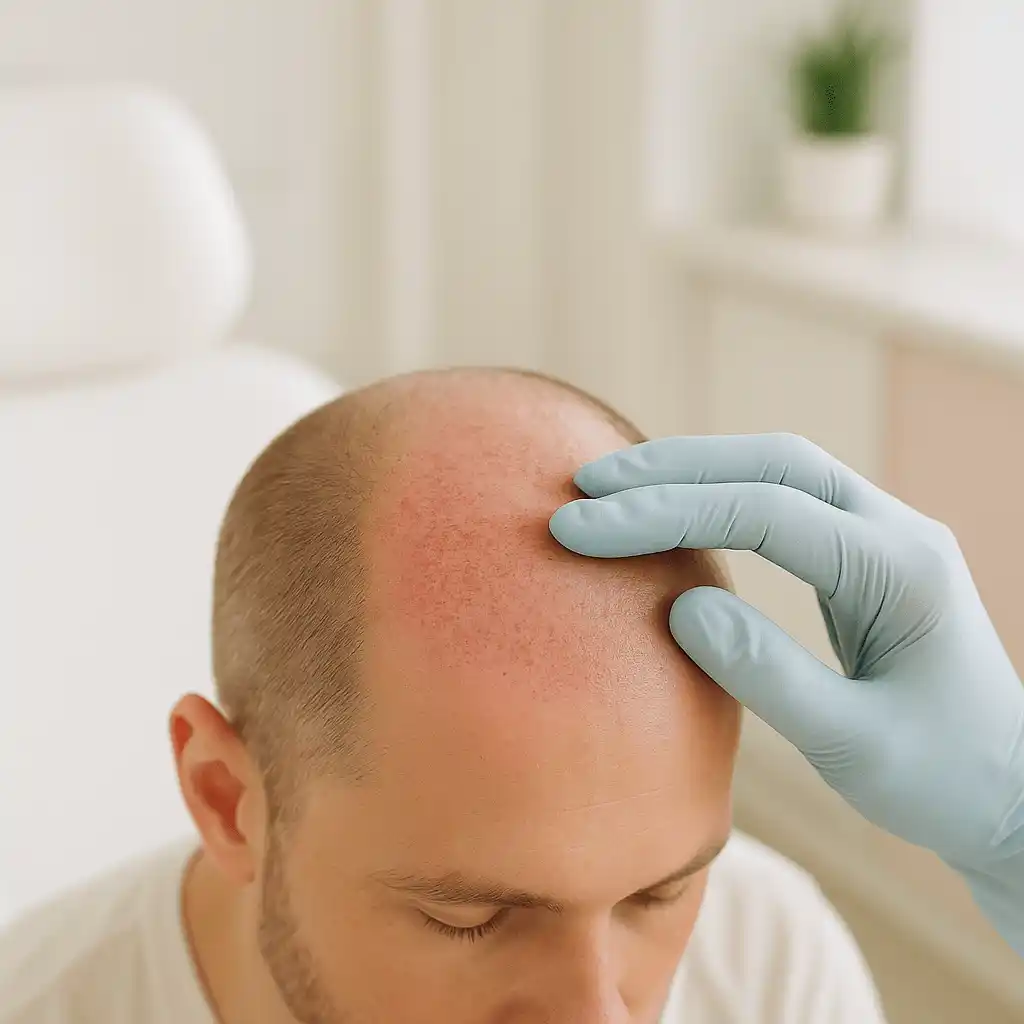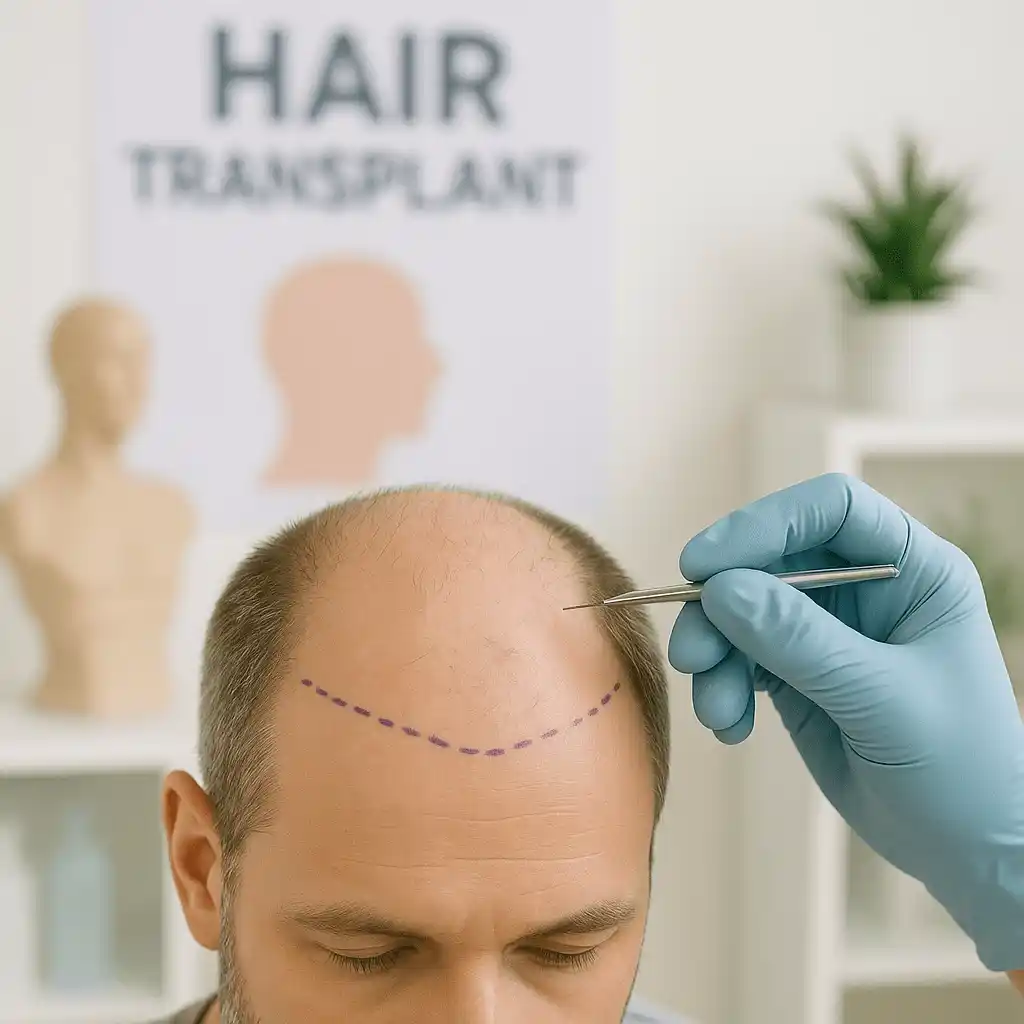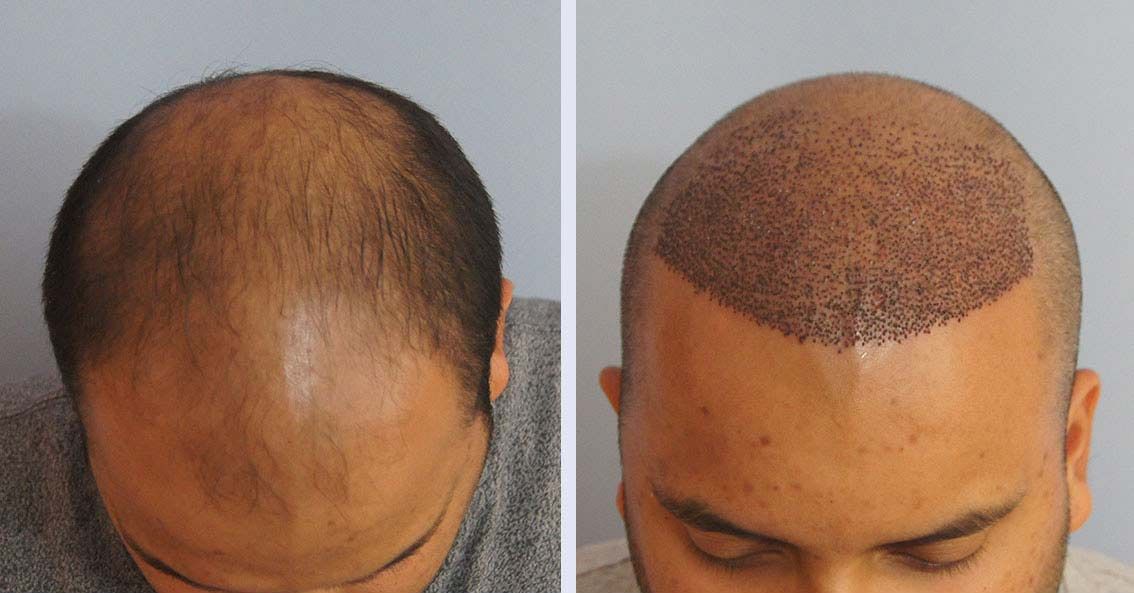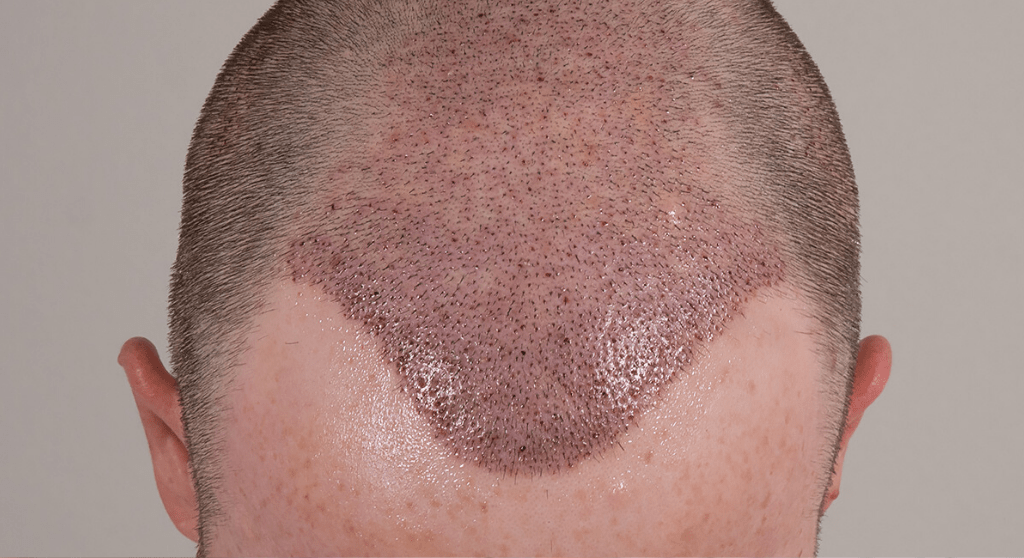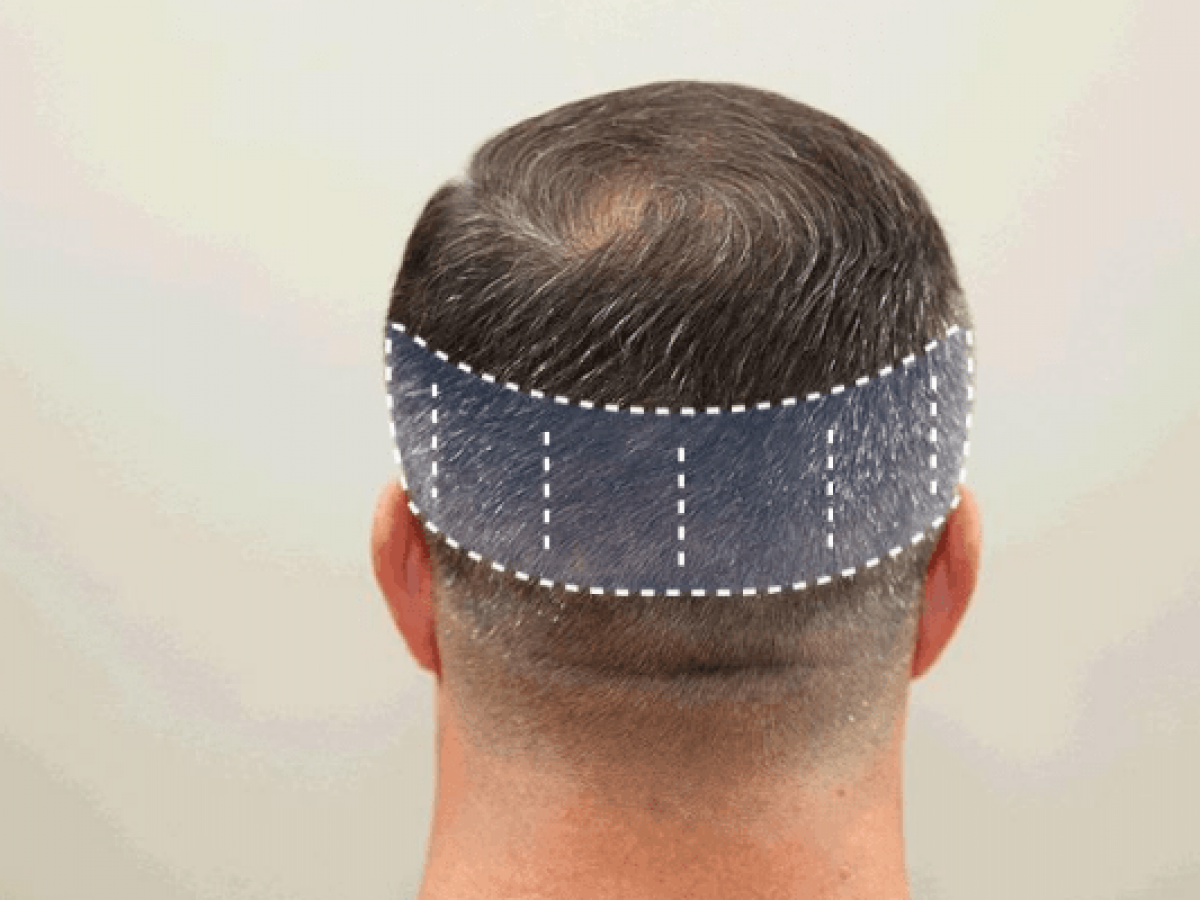
Numbness after hair transplant is a common concern, especially during the first days of recovery. Temporary changes in scalp sensation may occur after local anesthesia, FUE or DHI extraction, and the placement of grafts. While reduced feeling is often part of the healing process, its duration can vary from person to person and may affect the recipient area, donor area, or both. This guide explains what influences sensation recovery and how to judge whether your experience is typical. It provides general health information, not a personal diagnosis, so follow your clinic’s aftercare instructions and seek professional advice if your symptoms seem unusual or concerning.
What Causes Numbness After Hair Transplant?

Reduced scalp sensation usually begins with the procedure itself. Local anesthetic temporarily blocks nerve signals during surgery, so numbness can remain while the medication wears off and the tissues recover. During FUE, DHI, or another hair restoration technique, tiny openings are created and grafts are placed in the skin. This can cause mild irritation or temporary disruption of small sensory nerves.
The temporary irritation of sensory nerves is the main reason some patients notice a numb, dull, or altered feeling after treatment. These nerves generally recover gradually, but the experience can vary depending on the number of grafts, the size of the treatment area, the technique used, and individual healing characteristics.
Changes in sensation may occur in either the donor area or the recipient area, and sometimes in both. The donor region may feel numb or unusually sensitive after follicles are removed, particularly if a larger area was treated. In the recipient area, swelling, tiny incisions, and the placement of grafts can affect how the scalp feels. Some people describe reduced sensation, while others notice tingling or a feeling of tightness as the skin settles.
Healing response, scalp sensitivity, and aftercare can also influence how noticeable these sensations are. Numbness by itself is often related to normal tissue recovery, but new or worsening symptoms should be discussed with the transplant clinic rather than interpreted without professional advice.
How Long Does Numbness After Hair Transplant Usually Last?

Scalp sensation usually returns gradually rather than disappearing and reappearing at a predictable moment. Many patients notice reduced feeling for several days or weeks after the procedure, followed by mild tingling, prickling, or small areas of returning sensitivity. These changes often reflect recovering nerve function, but the pace differs from person to person.
For some people, sensation improves within a few weeks. For others, patches of numbness may remain for several months, particularly in areas that received extensive work. Gradual sensory recovery is generally more reassuring than a sudden change, although only the treating clinician can assess whether an individual course is appropriate.
The duration can depend on the transplant technique, the size and location of the treatment area, and how much manipulation the scalp experienced. FUE and DHI procedures can affect sensation differently depending on the number of grafts and the surgical approach. Individual healing, existing scalp sensitivity, swelling, and aftercare may also influence how quickly normal feeling returns.
Numbness may not improve evenly across the scalp. The recipient area, hairline, crown, and donor area can recover at different rates, so one patch may feel normal while another still seems dull. Avoid pressing, scratching, or massaging an insensitive area unless the clinic has specifically advised it, since reduced sensation can make irritation or injury harder to notice.
If numbness continues without any improvement, becomes more extensive, or worsens after initially getting better, contact the hair transplant clinic for advice. The clinic should also review symptoms accompanied by increasing pain, marked swelling, discharge, or other concerning changes.
Which Symptoms Are Normal During Scalp Recovery?
As the scalp heals, changes in sensation can occur in both the donor and recipient areas. Mild tenderness, tightness, or a feeling of pressure is common after grafts have been taken or placed. The skin may also feel unusually sensitive in some spots while remaining numb in others, because sensory nerves recover at different rates.
Tingling during scalp recovery can feel like pins and needles, brief prickling, or small electrical sensations. It may occur as sensation begins to change, but it does not by itself confirm a particular nerve outcome. Temporary itching is also frequent, especially as tiny scabs and crusts form around the grafts. Scratching should be avoided because it can irritate healing skin and potentially disturb grafts.
Small crusts, mild redness, and slight swelling can be expected during the early healing period. Tenderness in the donor area may last longer if many follicles were removed, while the recipient area may feel tight as the skin settles. These symptoms should generally remain manageable and gradually improve rather than become increasingly severe.
Symptoms that are rapidly worsening, severe, or accompanied by spreading redness, significant warmth, pus-like drainage, fever, heavy bleeding, or marked swelling are not typical recovery sensations. New weakness, intense pain, or a sudden change after initial improvement also deserves medical assessment. Contact the transplant clinic for individualized guidance if the scalp appears infected or the healing pattern seems unusual.
What Can Help Reduce Post-Transplant Numbness?
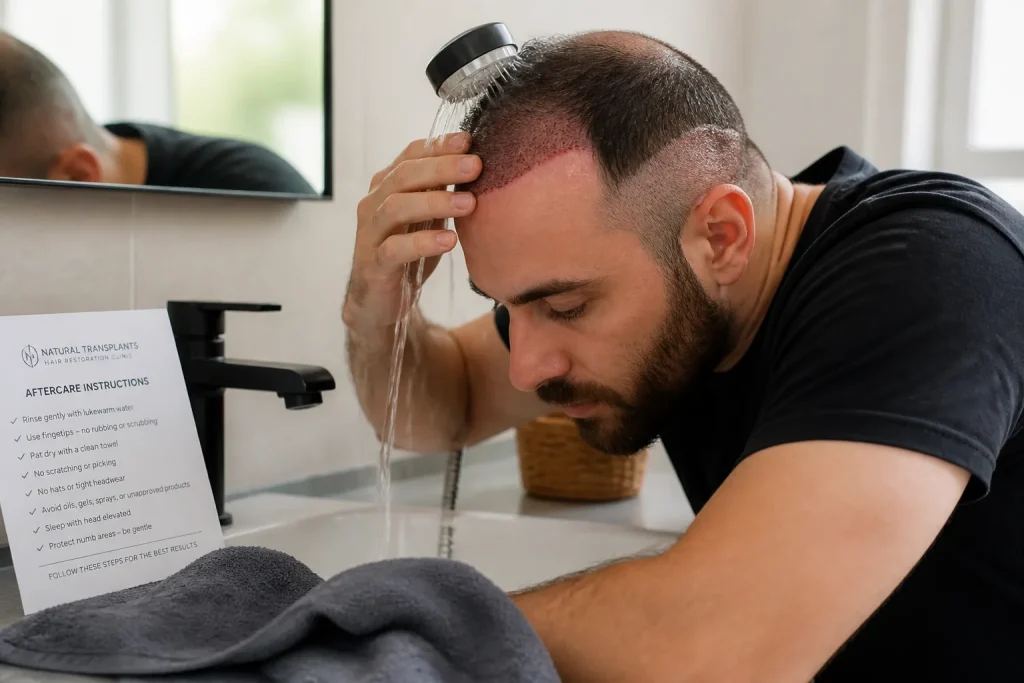
Comfort usually improves as healing progresses, but a few practical steps can protect the scalp and support recovery. Follow your clinic’s aftercare instructions closely, particularly for washing, sleeping position, physical activity, and care of the donor and recipient areas. These instructions are tailored to the technique used, such as FUE or DHI, and help prevent unnecessary pressure on newly placed grafts.
Avoid scratching, rubbing, pressing, or massaging areas that still feel numb. Reduced sensation can make it easier to overlook irritation or apply too much force. Keep the scalp away from excessive heat, including hot water, saunas, and direct sun, unless your clinic has cleared these activities. Do not apply oils, creams, numbing products, or other unapproved treatments to the healing skin.
Clinic-approved aftercare is the safest approach to managing discomfort and protecting grafts. Before taking pain medication or using any treatment, ask your transplant team or healthcare professional, especially if you take blood thinners, have allergies, or live with a medical condition. Medicines should be used only as directed rather than increased because numbness feels uncomfortable.
When Should You Contact Your Hair Transplant Clinic?

Contact your hair transplant clinic if reduced sensation is getting worse instead of gradually improving, especially after an initial period of recovery. Persistent or newly increasing numbness should be assessed by the team familiar with your procedure, whether you had FUE, DHI, or another hair restoration technique.
Seek prompt advice for severe or escalating pain, spreading redness, marked swelling, pus or other discharge, fever, or a wound that appears increasingly irritated. These changes may require an examination rather than self-treatment. Contact the clinic urgently if numbness is accompanied by facial weakness, difficulty moving normally, or other sudden neurological symptoms.
Unexpected or worsening symptoms are a reason to call even when they do not match a specific warning sign. Your surgeon can compare your recovery with the graft placement, donor area, medications, and aftercare instructions used in your case, then advise whether observation or in-person review is appropriate.
FAQs
Can numbness affect hair growth after a transplant?
Temporary numbness after a hair transplant usually does not affect hair growth or damage the transplanted follicles. It commonly results from local anesthesia or temporary nerve irritation and gradually improves during recovery. Contact your surgeon if numbness persists, worsens, or occurs with severe pain, swelling, infection signs, or poor graft healing.
Is tingling a sign that scalp sensation is returning?
Yes, tingling can indicate that scalp sensation is returning as irritated or healing nerves become active again, particularly after hair transplant surgery. However, it may also result from normal healing, dryness, swelling, or nerve irritation, so it does not guarantee complete sensation recovery. Contact your surgeon if tingling is severe, worsening, painful, or accompanied by redness, discharge, or fever.
Can numbness continue several months after FUE or DHI?
Yes, mild numbness or altered sensation can persist for several months after FUE or DHI because small sensory nerves need time to recover, especially in the recipient or donor area. It usually improves gradually, but contact your hair-transplant surgeon if numbness is worsening, painful, associated with swelling or weakness, or has not started improving after several months.