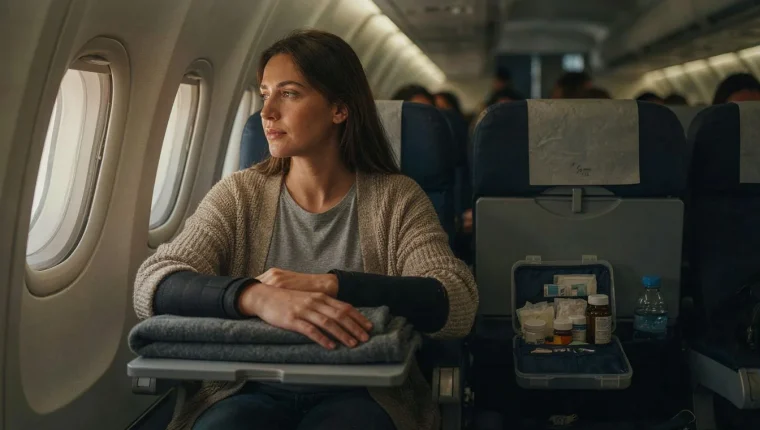
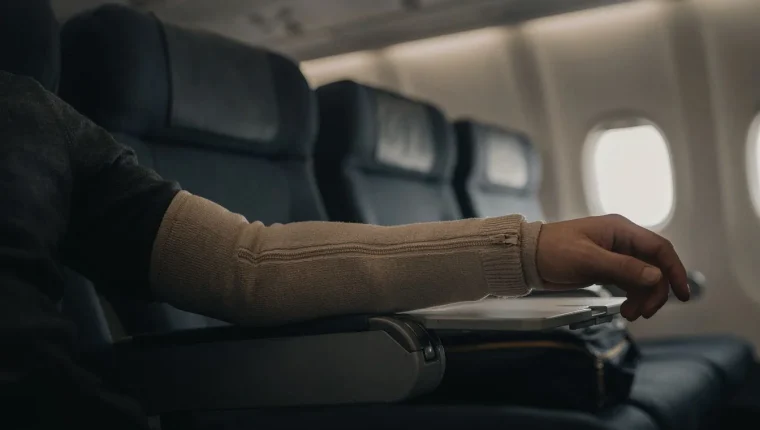
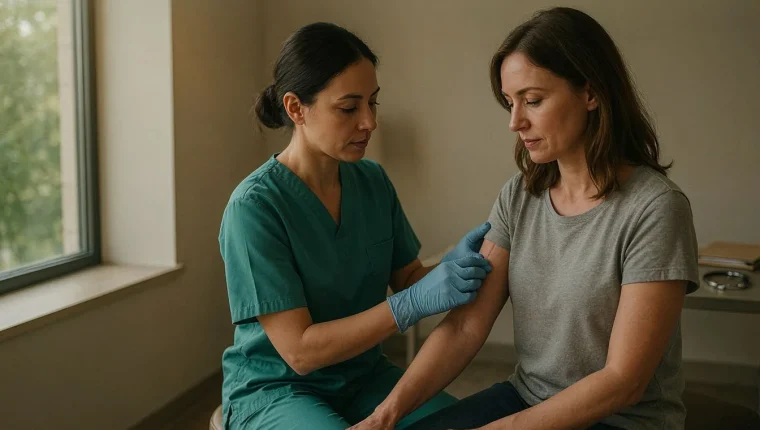
Your arm lift surgery is done, your surgeon is happy with the result, and you’re back home in Canada with compression sleeves and incision lines, wondering what the next six weeks will look like. Recovery continues after you land. Canadian patients often face a mix of climate, distance from the surgical team, and limited in-person follow-up appointments, making disciplined aftercare even more important. Swelling can linger longer in cold, dry air, and a long drive home from the airport can be hard on freshly sutured arms.
The good news is that arm lift aftercare in Canada follows clear, established protocols, and knowing what to watch for and when to act can prevent most complications. What matters most in the first days back home is keeping your incisions clean, wearing your compression sleeves as directed, managing pain before it spirals into guarding and stiffness, and knowing exactly who to call if something looks or feels off.
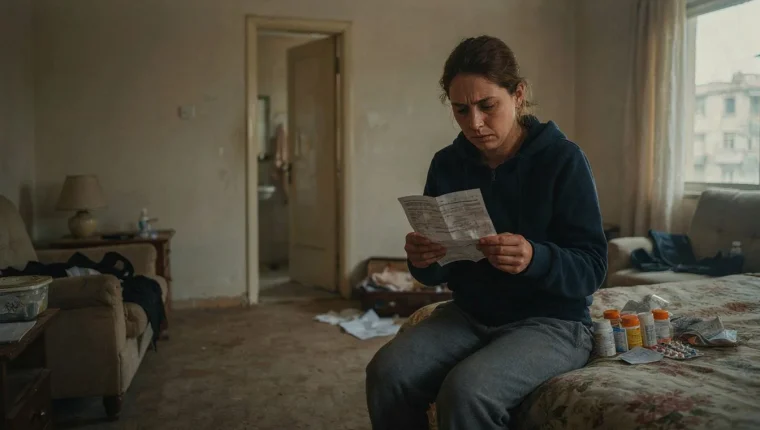
Managing Pain and Swelling During the First Week Home
Once you’re back home, the first seven days tend to be the most uncomfortable stretch of recovery, but a steady routine keeps things manageable. Plan to rest with your arms elevated on pillows whenever you’re sitting or lying down, since gravity is working against you in the early days. Cold compresses applied gently over your clothing can ease throbbing, but avoid pressing them directly on tender areas.
Your surgeon will likely prescribe a short course of pain medication, and taking it on schedule rather than waiting for sharp peaks makes a noticeable difference. Many patients find that alternating the prescribed painkiller with acetaminophen, once approved, maintains steadier comfort. Stay ahead of swelling by limiting sodium, drinking plenty of water, and avoiding heavy lifting or reaching overhead.
Expect bruising to peak around day three before gradually fading. If swelling suddenly worsens on one side or feels hot and tense, that’s information worth flagging to your surgical team rather than toughing out alone. Gentle wrist and finger movements throughout the day also help circulation without straining the healing tissues.
Caring for Incision Sites in Cooler Canadian Climates
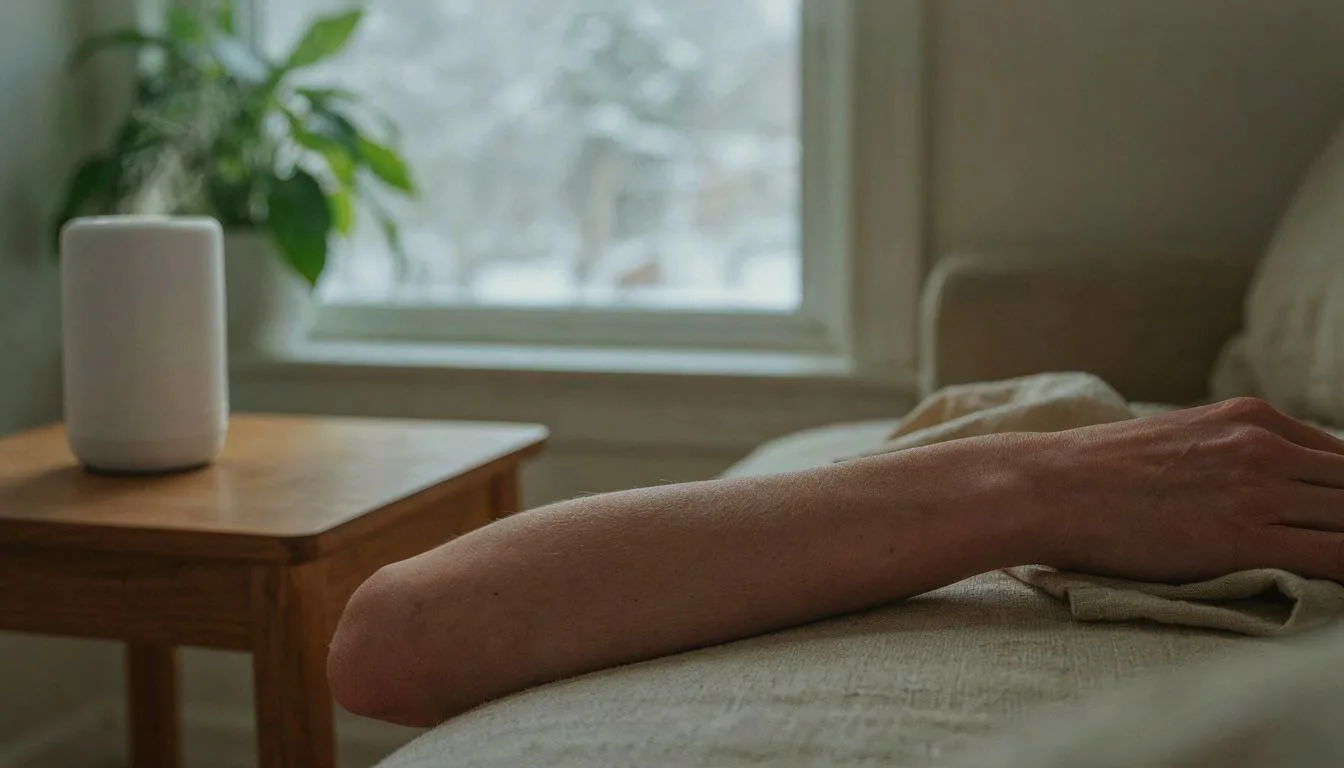
Canadian winters bring a mix of dry indoor air, biting outdoor wind, and rapid temperature swings that can quietly complicate how your incision lines behave during recovery. Once you are back home after a brachioplasty, the incision sites along the inner arm need a stable, gentle environment so they can close cleanly and begin to mature without unnecessary stress. Cooler seasons actually offer an advantage: less direct sun exposure on healing skin, provided you keep humidity and warmth properly balanced around the wound.
A few practical habits make day-to-day incision care easier when the climate is on the chilly side:
- Moisturize indoor air with a humidifier in the room where you rest most, since Canadian heating systems can drop humidity low enough to tighten scabs and slow epithelial repair.
- Layer loose, breathable cotton sleeves over the arms rather than tight sweaters, so warmth stays in without friction or pressure across the suture line.
- Clean the incision exactly as directed by your surgeon, then pat—never rub—dry before applying any prescribed ointment or silicone product.
- Avoid direct exposure to freezing wind during the first weeks, because cold-induced vasoconstriction can reduce blood flow right where new tissue is trying to form.
- Skip hot baths, saunas, and heavy winter sports that cause sudden sweating, since trapped moisture under dressings invites irritation around the incision.
Pay special attention to how the scar changes color and texture as temperatures shift indoors and outdoors. A healthy incision in a cool climate stays flat, pink, and comfortable; any pulling, cracking, or new drainage when you move from a warm room into the cold air is worth noting before your next follow-up.
Activity Restrictions and Safe Movement After Brachioplasty
Once the initial discomfort settles, the next hurdle is figuring out what your body can actually do without undoing your surgeon’s work. For the first 10 to 14 days, keep your elbows close to your sides and avoid any reaching overhead, lifting heavier than a small water bottle, or pushing yourself up from a chair using your arms. These seemingly small motions place direct tension across the incision line, which can stretch the scar before it has had a chance to anchor itself.
Walking is encouraged early on, since gentle movement helps circulation and may ease residual swelling in the hands and forearms. Short, frequent strolls around your home are far better than a single long outing that leaves you exhausted. Keep in mind that cold Canadian sidewalks in winter can be slippery, so plan routes carefully and wear supportive footwear until your balance feels reliable again.
Most patients can return to light desk work within 10 to 14 days, but upper-body exercise, including yoga, swimming, and lifting anything over about 4.5 kilograms, generally needs to wait until the four- to six-week mark. Always clear any new activity with your surgical team first, since rushing back to the gym is one of the most common reasons for widened scars after brachioplasty.
Monitoring for Warning Signs That Need Medical Attention
Even with the smoothest recovery, your body sometimes sends signals that something isn’t quite right. After a brachioplasty, those early weeks at home are when paying close attention to small changes can make a real difference. A temperature that climbs above 38°C, especially when paired with chills, is one of the clearest signs that an infection may be developing around the incision. Fresh redness that spreads outward rather than fading, skin that feels unusually hot to the touch, or drainage that turns yellow, green, or develops a foul odour all point in the same direction and deserve a prompt call to your surgical team.
Pain that suddenly worsens after a period of steady improvement is another red flag worth taking seriously. Some swelling and tightness are expected, but if one arm becomes noticeably more swollen than the other, feels firm and tense, or if you notice new shortness of breath or chest discomfort, these could suggest a blood clot and need emergency assessment without delay. Keep your surgeon’s after-hours number somewhere easy to find, and don’t hesitate to reach out even for symptoms that seem minor; the team that performed your procedure knows your specific case best and can tell you whether what you’re experiencing falls within the normal range of healing or requires a closer look.
Compression Garments and Scar Care Routines
Compression garments and scar care work together to shape the final result of your brachioplasty, so treating them as a single daily routine usually pays off. Most Canadian surgeons hand patients a medical-grade sleeve at the first post-op visit, and the garment is meant to stay on almost continuously during the first three to four weeks, then during the day for another few weeks. Putting it on before swelling has a chance to build up in the morning and stepping out of it only for short, scheduled breaks keeps fluid from pooling along the incision.
Once the sleeve is part of your morning rhythm, scar care fits naturally into the same block of time. A few small habits make the biggest difference in how the line along the inner arm matures:
- Silicone-based sheets or gel applied once the incision is fully closed help flatten and soften the scar, and they should be worn for at least twelve hours a day over several months.
- SPF 30+ sunscreen on the healed scar prevents darkening when your arms are exposed during Canadian summers or even on bright winter days with snow glare.
- Gentle, fragrance-free moisturizers massaged along the line keep the tissue supple and reduce the tight, pulling feeling that often shows up as range of motion returns.
- Daily scar massage with clean hands for a few minutes encourages blood flow and keeps the deeper tissue from sticking to underlying muscle.
- Layering a soft cotton long-sleeve under the compression sleeve adds comfort in cooler weather and prevents the elastic from rubbing against sensitive skin.
Pairing the sleeve with these scar habits turns aftercare into a predictable ritual rather than a guessing game. Over time, the scar typically fades from pink to a thin, flat line that blends with the natural crease of the inner arm, especially when the routine is kept consistent through the first six months.
Scheduling Follow-Up Visits With Your Local Surgeon

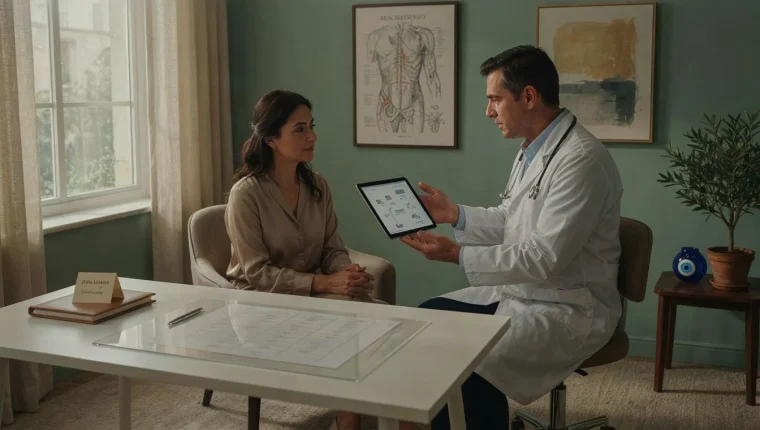
Planning your follow-up appointments before you even leave the surgical facility makes the weeks after returning home feel far more manageable. Most Canadian surgeons prefer to see patients in person around day five to seven for suture or drain checks, then again at three weeks, six weeks, and three months to track how scars are maturing. If you live several hours away from the clinic, ask whether any of these visits can be handled virtually through secure photo submissions, since driving long distances while still tender is rarely advisable.
Before each appointment, jot down questions about anything that feels off, from lingering numbness to small openings along the incision line. Bring your current medications, compression garment, and a list of products you’ve been using on the scars so your surgeon can review the full picture. Between visits, keep a simple photo log of the same arm angle in the same lighting, which gives your surgeon a clear timeline of healing without relying on memory alone.
If your original surgeon practices in another country, coordinate early with a trusted local practitioner who can step in for urgent concerns between scheduled video calls. Clear handoff notes, including the surgical technique used and your allergy history, help that person respond quickly. Staying proactive about follow-up care keeps small issues from becoming setbacks and gives you confidence that every stage of your recovery is being monitored closely.
FAQs
How long should I wear compression garments after my arm lift once I am back in Canada?
You should generally wear your compression garments continuously for about 4 to 6 weeks after an arm lift, removing them only for showering or as your surgeon specifically directs. Once that initial period is over, many surgeons recommend wearing them during the day for a few additional weeks, especially during physical activity. Since recovery can vary, follow the personalized timeline your surgeon provides based on how your healing progresses once you are home in Canada.
When is it safe to resume exercise and heavy lifting during arm lift recovery at home in Canada?
Most surgeons in Canada recommend waiting at least 4 to 6 weeks before resuming heavy lifting or strenuous upper-body exercise after an arm lift, with light walking encouraged from the first week. You can typically begin gentle range-of-motion movements around weeks 2 to 3, but anything that strains the incisions, such as lifting over 5 to 10 pounds, pushing, or pulling, should be avoided until your surgeon clears you, often around 6 to 8 weeks. Because every recovery is different, follow your own surgeon's timeline and contact their office if you feel pain, swelling, or pulling at the incision sites before resuming activity.
What signs of complications should prompt me to contact my surgeon during the aftercare period in Canada?
Contact your surgeon immediately if you notice any of the following warning signs during your aftercare period: increasing or severe pain that is not relieved by prescribed medication, swelling, redness, or warmth that worsens around the surgical site, as these may indicate infection. Also seek prompt medical attention for fever above 38°C, persistent nausea or vomiting, shortness of breath, chest pain, sudden or heavy bleeding, discharge from the incision, or any sudden changes in the operated area. Timely communication with your surgical team helps address complications early and supports a safe recovery.