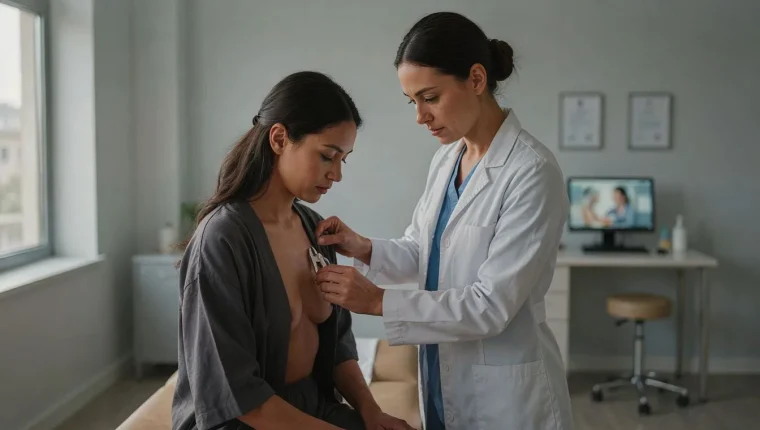
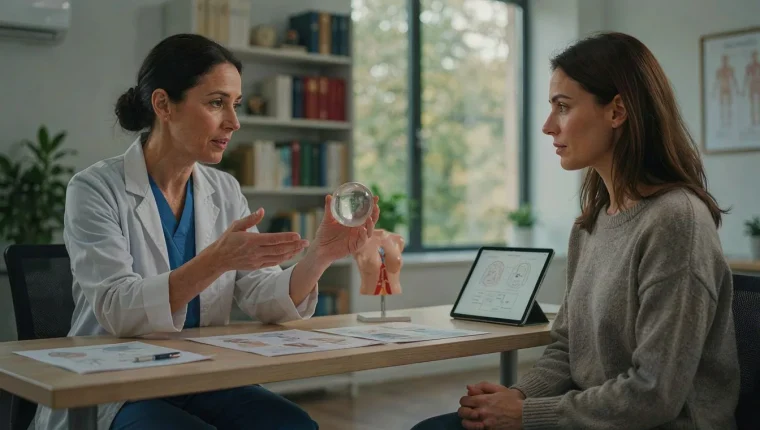
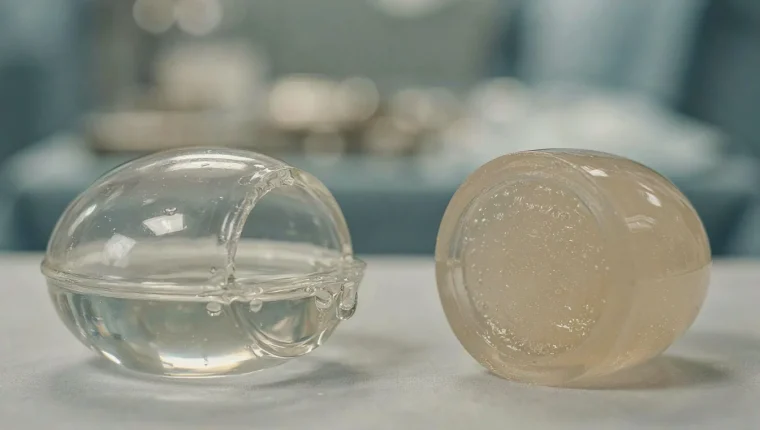
Breast swelling is one of the first things you’ll notice after breast augmentation surgery, and it’s completely normal. In the first few days, your breasts may look larger and firmer than expected and may sit higher on your chest than anticipated. This isn’t your final result; it’s your body’s natural healing response. Swelling usually peaks around days two to three, then gradually decreases over the following weeks. Most patients see noticeable improvement within two to three weeks, though minor swelling can last a few months. This timeline matters because many new patients worry their implants look too big or too high when swelling is actually masking the final outcome. Knowing what’s normal and what isn’t helps you heal with confidence instead of anxiety.
Why Swelling Occurs After Breast Augmentation
Swelling after breast augmentation is not a complication—it is a predictable physiological response to surgery. During the procedure, your surgeon creates a pocket for the implant, which inevitably involves cutting and manipulating tissue. This trauma triggers the body’s natural inflammatory response, a healing mechanism that floods the area with extra blood flow, fluid, and immune cells. The result is the tight, swollen, sometimes firm feeling many patients notice in the first days and weeks after surgery.
Several factors influence how pronounced this swelling becomes. Larger implant sizes require more tissue stretching, which typically means more swelling. The placement of the implant matters too: implants positioned under the muscle (submuscular placement) generally cause more swelling than those placed above it, because the muscle itself is disturbed during surgery. Your body’s individual healing tendency, your overall health, and how closely you follow post-operative instructions all play a role as well.
There is also a fluid component worth understanding. Beyond the inflammatory response, some patients accumulate seroma fluid around the implant site, and the surgical dissection itself can cause temporary fluid retention in the breast tissue and surrounding skin. Gravity pulls this fluid downward, which is why swelling often appears in the lower portion of the breasts and can even extend toward the ribcage or abdomen in the earliest days.
Understanding these mechanisms helps put the experience in perspective: the puffiness you see in the mirror is your body actively repairing itself. Not all swelling follows the same course, and knowing what a typical recovery looks like makes it easier to recognize when something deviates from the expected pattern.
Breast Swelling After Breast Augmentation: A Normal Part of Healing
Understanding that swelling is expected is one thing — recognizing what *normal* swelling actually looks like is what truly puts a recovering patient at ease. In the first days after surgery, the breasts often appear larger, firmer, and even slightly higher than anticipated, and many women worry that something has gone wrong with their results. In reality, this is simply the body directing blood flow and fluid to the surgical area while tissue adjusts to the implants. What matters most is learning to distinguish the normal post-operative healing pattern from changes that deserve attention.
Typical signs that swelling is following its expected course include:
- Symmetry between both breasts: While minor differences in puffiness are common — especially if one side had a more involved procedure — both breasts should generally follow a similar pattern day to day.
- Gradual, steady improvement: Normal swelling eases slowly over weeks, not overnight. A week-to-week softening of the breast tissue is a reassuring sign.
- Skin that looks tight but not discolored: Mild pinkness around the incisions is expected, but the skin itself should not turn deep red, purple, or appear stretched and shiny beyond the early days.
- Discomfort that improves rather than intensifies: Tenderness and a feeling of fullness fade progressively as inflammation settles.
It helps to remember that swelling is not only a side effect — it is evidence that the body is actively repairing itself. Fluid temporarily retained in the tissue supports healing cells as they do their work, and firmness often softens as this fluid is naturally reabsorbed. Surgeons typically review these signs at follow-up appointments, comparing progress against the expected recovery curve. Patients who track their own changes — even with simple phone photos taken weekly — often feel more confident, because they can see with their own eyes that the breasts are settling exactly as they should.
The Typical Swelling Timeline: Day by Day and Week by Week

Every recovery follows a rhythm, and knowing what comes next helps replace worry with patience. In the first 48 to 72 hours, swelling reaches its peak. The breasts often look fuller and sit higher than expected, and the skin may feel tight — this is the inflammatory response doing its job, and it is exactly what surgeons anticipate during this phase.
By the end of the first week, most patients notice the first real shift. The upper pole of the breast begins to soften as daily movement and gravity gradually encourage the implants to settle. Swelling typically drops noticeably during days 5 through 10, and sleeping slightly elevated during this window can make a visible difference by morning.
Weeks two through four bring the most encouraging changes. Morning swelling that eases throughout the day becomes less dramatic, bras feel more comfortable, and the breasts start looking less “puffy” and more like their future shape. Around weeks four to six, roughly 70 to 80 percent of the swelling has usually resolved.
The final stretch is slower and subtler. From month two onward, remaining swelling fades gradually, often described as a slow “fluffing” period as tissues relax and implants drop into their final position. Most patients see their true result between three and six months, though small changes can continue for up to a year, especially with larger implants or placement under the muscle.
Tracking this swelling timeline week by week gives you a realistic benchmark — so you can tell the difference between a normal, steady improvement and something worth calling your surgeon about.
How Long Swelling Usually Lasts
While every patient heals at her own pace, most women can expect the most noticeable post-operative swelling to resolve within the first six to eight weeks. The majority of the visible puffiness—especially in the upper pole of the breast—typically fades during the first two to three weeks, when the body’s initial inflammatory response begins to settle.
Between weeks three and six, the breasts continue to soften and “drop” into their final position as residual swelling diminishes. Many patients feel significantly more comfortable during this window and notice that their bras fit differently, sometimes even smaller than immediately after surgery, as fluid retention decreases.
Subtle swelling can linger longer than most women anticipate. Trace amounts of tissue swelling may persist for three to six months, and in some cases up to a full year, particularly in patients with smaller body frames, tighter skin, or implants placed under the muscle. During this extended period, changes are gradual and often only noticeable when comparing photos from earlier weeks.
A helpful benchmark: swelling that fluctuates slightly throughout the day—slightly puffier in the evenings, calmer in the mornings—is normal well into the second and third months. What matters is the overall direction of change. As long as the trend points toward gradual improvement rather than a sudden increase, the duration you’re experiencing falls well within the expected range.
When Swelling Signals a Problem: Warning Signs to Watch For
Most of the time, swelling is simply your body doing its job. But there comes a point in every recovery when a patient should stop observing and start acting. Knowing the difference between expected post-operative swelling and a genuine complication is one of the most valuable things you can learn before your surgery, because problems caught early are almost always easier to treat. The key is recognizing when swelling stops behaving the way normal healing should.
Surgeons generally agree on a set of red flag symptoms that warrant an immediate call to your surgical team. These signs suggest something beyond routine inflammation may be happening, and none of them should be waited out:
- Sudden asymmetry: One breast becoming noticeably larger, firmer, or heavier than the other within hours or a day, which can indicate bleeding around the implant (hematoma).
- Intense, worsening pain: Discomfort that escalates rather than eases over time, especially pain that feels different from typical post-surgical soreness.
- Skin changes: Redness that spreads, warmth that feels localized and hot, or skin that appears shiny, dusky, or mottled rather than simply tight.
- Fever and chills: A temperature above 38°C (100.4°F) combined with increasing swelling can signal an infection that needs prompt treatment.
- Fluid or discharge: Any drainage from the incision sites, particularly if it is cloudy, yellow, or has an odor.
- Shortness of breath or chest tightness: These symptoms are rare but serious and require emergency care, not just a phone call.
It helps to remember that swelling should follow a gentle downhill curve. A brief flare-up after extra activity, sleeping on your side, or missing your compression garment for a day is common and usually settles quickly. What matters is the overall direction and how you feel alongside it. Swelling paired with a fever, spreading redness, or pain that keeps climbing tells a very different story than swelling paired with improving comfort.
Trust your instincts as well. If something feels wrong to you, contact your surgeon’s office, even if you cannot name the exact symptom. A quick consultation costs you nothing, and experienced surgical teams would far rather answer a cautious question at week two than manage a complication that grew quietly for days. Keep your surgeon’s after-hours contact details somewhere easy to find during the first month of recovery.
Tips to Reduce Swelling and Support Recovery

Once the early healing phase is behind you, small daily choices can make a noticeable difference in how quickly the swelling settles. The single most effective habit during this time is consistent use of compression garments, such as the surgical bra recommended by your surgeon. These garments provide gentle, even pressure that limits fluid buildup, supports the tissues as they adjust, and helps the breasts settle into their new shape more comfortably.
Hydration also plays a bigger role than many women expect. Drinking plenty of water helps your body flush out excess fluid rather than holding onto it, while limiting salty foods reduces water retention that can exaggerate puffiness in the chest and surrounding areas.
Movement matters too — but the right kind. Short, gentle walks several times a day encourage healthy circulation and lower the risk of fluid pooling, which supports the body’s natural drainage. On the other hand, raising your arms overhead, lifting anything heavy, or returning to intense exercise too soon can aggravate swelling and slow your progress. Follow your surgeon’s activity timeline closely, even on days when you feel completely fine.
Keeping your upper body slightly elevated, especially during rest and sleep, further helps gravity work in your favor by encouraging fluid to move away from the chest area. Cold compresses may be suggested in the first days, though many surgeons advise against direct ice on the breasts — always confirm before applying anything to the surgical area.
Finally, be patient with your body. Swelling responds to care, but it doesn’t disappear overnight, and pushing yourself to “speed things up” often backfires. Attending every follow-up appointment allows your surgeon to track your progress, catch anything unusual early, and adjust your recovery plan if needed. When you combine steady habits with realistic expectations, most women find that the swelling fades gradually and naturally — leaving them free to enjoy their results as the final contour emerges.
How Sleeping Positions and Bras Affect Swelling
Sleep and support choices can quietly shape how your recovery looks from day to day. The way you rest at night, and what you wear while doing it, directly influences where fluid collects and how comfortable you feel by morning.
During the first weeks, surgeons almost universally recommend sleeping on your back with your head and upper body elevated at roughly 30 to 45 degrees. This slightly upright sleeping position uses gravity to drain fluid away from the chest, reducing morning puffiness and easing pressure on healing incisions. Propping yourself with two or three pillows, or resting in a recliner, works well during this stage.
Side sleeping is generally off-limits at first, not because it worsens swelling dramatically, but because pressure on one implant can push fluid unevenly, create temporary asymmetry, and irritate tissues that are still attaching. Most surgeons allow side sleeping around three to four weeks, with stomach sleeping last—often at six weeks or later, once implants have settled and swelling has substantially resolved.
Your bra matters just as much. The surgical bra or compression garment you leave the operating room in is not decorative: it holds implants in their intended pocket, limits fluid accumulation, and provides gentle, even pressure that helps tissues adhere as they heal. Wearing it consistently, including at night during the early weeks, is one of the simplest things you can do to keep swelling controlled.
Equally important is what to avoid. Underwire bras are typically discouraged for four to six weeks because the rigid wire can press on incision lines and interfere with implant positioning. Sports bras that are too tight can restrict lymphatic drainage and actually prolong puffiness, while no bra at all removes the support that helps everything stay where it should.
As you transition out of the surgical bra, follow your surgeon’s specific timeline rather than a general rule. Swelling naturally fluctuates during the day—often worst by evening and best after a night of elevated rest—and your bra and sleep habits work together to make that rhythm as gentle as possible.
FAQs
How long does breast swelling after breast augmentation typically last?
Breast swelling after augmentation is usually most noticeable during the first one to two weeks, then gradually improves over the following weeks. Most patients see significant reduction by the fourth to sixth week, though mild swelling can linger for two to three months as the tissues fully settle. Wearing your compression garment as directed and sleeping with your upper body slightly elevated can help keep swelling down during recovery.
When should I be concerned that my swelling is not normal?
Contact your surgeon right away if you notice swelling that is dramatically worse on one side, sudden or rapidly increasing swelling, severe pain, skin that feels hot or looks red, fever, or fluid discharge from the incision. While most swelling peaks in the first few days and subsides gradually over weeks, swelling that worsens after the first week or fails to improve may signal a hematoma, infection, or seroma. As a general rule, trust your instincts—any symptom that feels alarming or out of the ordinary deserves a quick call to your surgeon's office.
Does sleeping position affect how quickly the swelling goes down?
Yes, sleeping on your back with your head and upper body slightly elevated can help reduce swelling faster after breast augmentation. This position improves circulation and lymphatic drainage while preventing unnecessary pressure on your breasts. Avoid sleeping on your stomach or side during the early healing period, as this can put pressure on the implants and worsen swelling. Most surgeons recommend maintaining back sleeping for at least a few weeks after surgery.