Breast augmentation is a long-term commitment, and most patients want to know whether the results will hold up over the years. Implants are not designed to last a lifetime, but they can give you 10 to 15 years—and often much longer—of satisfying results before any revision is considered. Modern silicone and saline implants are more durable than earlier generations, and many patients keep theirs for 20 years or more without complications.
What actually determines how long breast augmentation results last comes down to a handful of factors: the type of implant you choose, your age at surgery, skin quality, lifestyle, and whether your body goes through changes like pregnancy or significant weight fluctuations. Understanding these variables helps you set realistic expectations and plan for the future with confidence, rather than worrying about a replacement timeline that may never apply to you.
The Typical Lifespan of Breast Augmentation Results
Most patients can expect their breast augmentation results to remain satisfying for 10 to 20 years—and many enjoy their outcome even longer. It is worth understanding that implants are not considered lifetime devices. Over time, the materials naturally age, and this is a normal expectation rather than a flaw in the procedure itself.
Silicone and saline implants are built to be durable, and modern manufacturing standards have significantly improved their resilience compared to earlier generations. However, daily wear, subtle pressure from surrounding tissue, and the body’s own healing response gradually affect how implants look and feel. A patient who receives implants at age 30 may well still love her results in her mid-40s, while another may notice changes sooner.
It helps to think of longevity in two separate ways. First, there is the physical integrity of the implant—the shell and filler—which can remain intact for decades. Second, there is the aesthetic quality of the result, meaning how the breasts look relative to your body over time. These two timelines are not always the same. An implant can be perfectly intact while the overall appearance shifts due to natural changes in skin, tissue, and body composition.
This distinction matters because it reframes the question. Rather than asking whether results have an expiration date, the more useful question is how long your individual result will continue to match your goals and your body—and the sections that follow break down exactly which variables shape that answer.
Factors That Influence How Long Implants Maintain Their Appearance
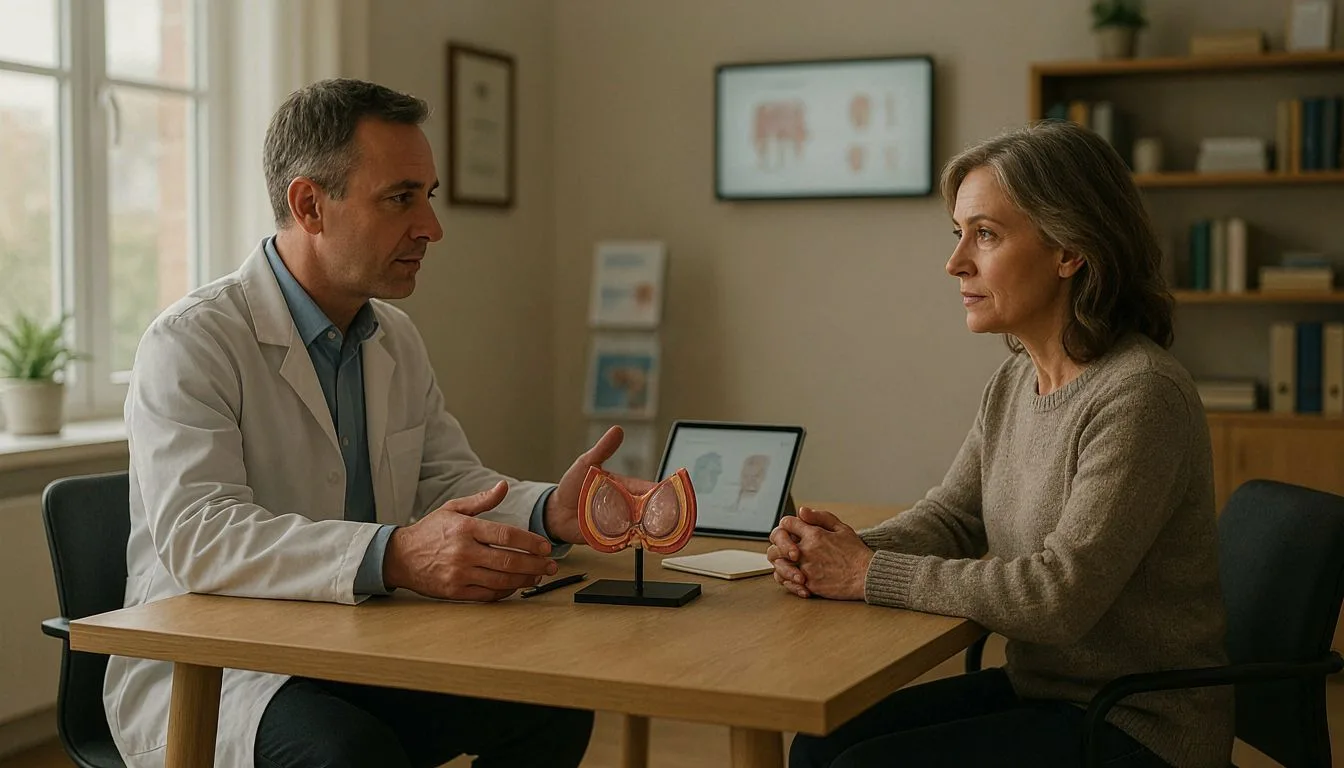
While the average implant lifespan gives you a general timeline, two patients who undergo surgery the same year can experience very different outcomes. The way your implants look and feel over the years depends on a combination of surgical, biological, and lifestyle factors — some of which you can influence, and others you simply need to understand.
The single most important element is the quality of your initial surgery. A skilled, board-certified surgeon who places the implant correctly, chooses the right size for your anatomy, and minimizes complications sets the foundation for how well your results age over time. Poorly sized or improperly positioned implants tend to show their age much sooner.
Beyond the operating room, several everyday factors play a role:
- Implant type: Silicone and saline implants wear differently. Silicone generally maintains a more natural feel long-term, while saline may show rippling or deflation more visibly if a leak occurs.
- Skin quality and elasticity: Patients with strong, elastic skin and good collagen support tend to hold their implant position and shape better than those with thinner or looser tissue.
- Lifestyle habits: Smoking accelerates skin aging and impairs healing, while significant sun exposure degrades skin quality — both of which affect how youthful your chest area looks.
- Physical activity: Intense upper-body training, especially heavy chest exercises, can gradually shift implant position or contribute to capsular changes.
- Post-operative care: Following your surgeon’s aftercare instructions, wearing supportive bras, and attending routine follow-ups all extend the aesthetic life of your augmentation.
It’s also worth noting that changes in your body after surgery — gradual weight gain or loss, hormonal shifts, and natural gravity — will continue working on your breast tissue over the years. Patients who maintain a stable weight and healthy habits typically preserve their results closer to the upper end of that 10 to 20 year range, while those with major body fluctuations may notice changes far earlier. Understanding these influences helps you set realistic expectations and protect your investment from day one.
Do Implants Expire? Understanding Implant Longevity
One of the most common myths patients bring to consultations is the idea that implants come with a built-in expiration date — that somewhere around year ten, they automatically stop working and must be replaced. In reality, breast implants are not devices with a scheduled “use-by” date. They are medical devices designed to be durable and long-lasting, and many patients keep their original implants for decades without any issues.
So where does the “10 to 20 years” figure come from? It reflects the average time frame in which a meaningful number of patients choose or need revision surgery — not a mandatory replacement window. Some implants last a lifetime; others develop complications earlier. What matters is the condition of the implant, not the calendar.
It’s also worth understanding how modern implants differ from older generations. Today’s silicone and saline implants are significantly more resilient than those used decades ago. Cohesive silicone gel, for example, is formulated to hold together even if the shell is compromised, greatly reducing the risk of gel migration. Saline implants have the added reassurance that if a leak occurs, the body simply absorbs the saltwater harmlessly.
The key takeaway is this: you don’t replace implants on a timer. Instead, you monitor them. Routine follow-up visits, and for silicone implants, periodic imaging such as ultrasound or MRI, help confirm that everything remains intact. As long as your implants are silent, stable, and symptom-free, there is no medical reason to schedule surgery simply because a certain number of years has passed. Longevity is determined by performance — not by an expiration date.
How Aging Affects Breast Augmentation Outcomes
Your body doesn’t stay frozen in time after surgery, and neither do your results. One of the most significant — and often overlooked — forces shaping long-term outcomes is the natural process of skin aging. As collagen and elastin production gradually decline, breast skin loses firmness and elasticity, which can cause implants to sit differently on the chest wall than they did in the first years after surgery.
In your 30s and 40s, these changes are usually subtle. Many patients notice only a slight softening of the breast contour, which most consider a natural and even flattering evolution. By the 50s and beyond, however, the combination of thinner skin, reduced tissue support, and gravity can lead to visible changes such as mild drooping or a shift in implant position. The implant itself remains intact; it’s the envelope around it that changes.
Hormonal shifts play a role here as well. Menopause brings further loss of skin thickness and glandular tissue, meaning breasts naturally become less full even when implants are in place. Patients with larger implants or thinner starting tissue tend to notice these effects sooner, which is one reason implant size and placement decisions matter for long-term satisfaction.
It’s worth understanding that aging-related changes are not a sign that something has gone wrong with your implants. They are a normal interaction between a durable medical device and a living, changing body. Many patients choose to address these changes cosmetically decades after their original surgery, while others simply embrace the natural evolution. Either way, knowing what to expect helps you interpret changes in your breasts with confidence rather than alarm.
The Role of Pregnancy and Weight Changes in Result Durability

Pregnancy is one of the most significant life events that can reshape breast tissue, and it affects augmented breasts just as it affects natural ones. During pregnancy and breastfeeding, the breasts enlarge as glands and milk ducts expand, then often shrink afterward. This cycle of expansion and contraction stretches the skin and can lead to a phenomenon known as post-pregnancy breast ptosis, where the breast tissue sags while the implant itself remains in place. The result is a change in the overall shape rather than a failure of the implant.
It’s worth understanding that the implant is usually not the element that changes — it’s the tissue and skin surrounding it. Women who become pregnant after augmentation often still have intact, functional implants; what shifts is the coverage, volume distribution, and skin envelope around them. How dramatically this plays out depends on several personal factors:
- Number of pregnancies and breastfeeding duration: Multiple pregnancy cycles, or extended breastfeeding, subject the skin to repeated stretching, increasing the likelihood of visible sagging.
- Age at the time of pregnancy: Skin that is already losing elasticity has less capacity to rebound after the postpartum period.
- Pre-pregnancy breast size relative to implant size: Larger implants place more weight on already stressed tissue, which can accelerate shape changes.
- Genetics and skin quality: Some women naturally retain firmness after pregnancy, while others see noticeable changes even after a single pregnancy.
- Weight changes during and after pregnancy: Significant weight gain followed by rapid loss thins the fatty layer over the implant and can make implants more palpable or change breast contours.
Weight fluctuations outside of pregnancy matter as well. Gaining or losing a substantial amount of weight — generally considered to be more than 10 to 15 percent of your body weight — alters the fat layer that gives augmented breasts their soft, natural appearance. Modest, stable weight typically has little effect on your results.
The encouraging news is that neither pregnancy nor reasonable weight changes damage the implants themselves. Many patients breastfeed successfully and enjoy their results for years afterward. If shape changes do occur, options like a breast lift or implant exchange can restore the contour — a topic we’ll return to when discussing revision surgery.
Warning Signs That Your Implants May Need Attention
While modern implants are designed to withstand decades of daily activity, your body will usually tell you when something has changed. The challenge is that not every change is dramatic, so knowing what to look for—and when to call your surgeon—gives you a real advantage in protecting both your health and your results.
One of the most important conditions to recognize is a silent rupture. This occurs when an implant shell breaks without producing obvious symptoms, and it’s most often associated with silicone implants. Because the gel tends to stay contained within the scar capsule, many women don’t notice anything until an imaging scan reveals the problem. This is exactly why most surgeons recommend periodic MRI or ultrasound screening for silicone implants, typically starting a few years after surgery, even when everything feels completely normal.
Saline implants tend to announce a rupture more clearly. When the shell fails, the sterile salt water is absorbed by the body over days or weeks, and the breast visibly deflates—often described as looking like the implant “went flat.” There’s no health danger from the saline itself, but the asymmetry is unmistakable and usually prompts a quick call to the surgeon.
Beyond rupture, pay attention to changes in how your breasts look or feel. Gradual hardening, increased firmness, or discomfort when touching the implant can signal capsular contracture, a tightening of the scar tissue that naturally forms around every implant. Position changes—such as one implant sitting noticeably higher, lower, or shifting outward—also deserve evaluation, as do new rippling, visible wrinkling along the edges, or persistent swelling, redness, or warmth that could indicate infection or fluid collection.
Timing matters as much as symptoms. If you notice any sudden change in shape, size, or symmetry, contact your surgeon promptly rather than waiting for your next scheduled check-up. Even subtle changes that develop slowly over months warrant a professional exam, since early detection of implant issues typically means simpler revision options, shorter recovery, and better cosmetic outcomes than waiting until the problem becomes pronounced.
When to Consider Revision Surgery and What It Involves
If you’ve noticed any of the warning signs discussed earlier—changes in shape, persistent discomfort, or suspicion of a silent rupture—it may be time to speak with your surgeon about revision surgery. This procedure is not a failure of your original augmentation; it’s a normal, well-established part of long-term implant ownership, and most patients who undergo it are pleased they acted rather than waited.
The timing depends heavily on what’s prompting the decision. A confirmed implant rupture, worsening capsular contracture, or implant malposition typically calls for timely surgical correction. On the other hand, purely aesthetic concerns—such as wanting a different size or addressing changes from aging, pregnancy, or weight fluctuations—allow you to plan the surgery around your life rather than the other way around. Some patients voluntarily replace implants after 10 to 15 years simply to stay ahead of age-related wear, even when nothing is wrong.
So what does the procedure actually involve? Revision surgery is often more complex than the original augmentation. Your surgeon may need to remove scar tissue, reposition the implant pocket, or perform a breast lift to restore a youthful contour alongside the implant exchange. In many cases, the old implants are replaced with new ones—often with an opportunity to switch between silicone and saline implants or adjust size and profile based on how your preferences and body have evolved over the years.
Recovery is usually similar to your first surgery, though some patients find it slightly easier because the tissue planes already exist. Expect some swelling and activity restrictions for a few weeks, with a gradual return to exercise over four to six weeks depending on the extent of the procedure.
The most important step is a thorough evaluation with an experienced, board-certified plastic surgeon. Imaging such as ultrasound or MRI may be recommended to assess implant integrity before surgery. With careful planning, revision surgery can refresh your results and give you many more years of confidence—often with an outcome that looks even better than the first.
FAQs
Do breast implants need to be replaced after 10 years?
No, breast implants do not automatically need replacement after 10 years. The old "10-year rule" is a myth—modern implants are built to last much longer, and many patients keep theirs for 20 years or more without any issues. Replacement is only recommended if you develop a problem such as rupture, significant capsular contracture, or a change in your aesthetic goals, so most women with breast augmentation simply monitor their implants with routine check-ups rather than scheduling surgery on a timeline.
What factors can shorten how long breast augmentation results last?
Several factors can shorten the lifespan of breast augmentation results, with pregnancy and breastfeeding being among the most common, as they cause natural volume changes and tissue stretching that may lead to sagging. Significant weight fluctuations can similarly alter breast shape and affect the long-term appearance of your results. Aging also plays a role, as skin gradually loses elasticity and breast tissue naturally changes over time. Finally, complications like capsular contracture or implant rupture can require revision surgery, though choosing an experienced surgeon and following proper aftercare reduces these risks considerably.
How does aging or pregnancy affect the appearance of augmented breasts over time?
Aging naturally changes breast tissue over time, and augmented breasts are not immune—skin loses elasticity, glandular tissue thins, and gravity gradually pulls the breasts downward, which can cause implants to sit differently than they did initially. Pregnancy brings hormonal shifts, swelling, and often volume changes from breastfeeding, which can stretch the skin and alter the shape or position of the breasts whether implants are present or not. Many women find their results still look attractive after these changes, but some choose a breast lift, implant revision, or size adjustment to restore their original contour. Keeping your expectations realistic and maintaining a stable weight can help your results age more gracefully.