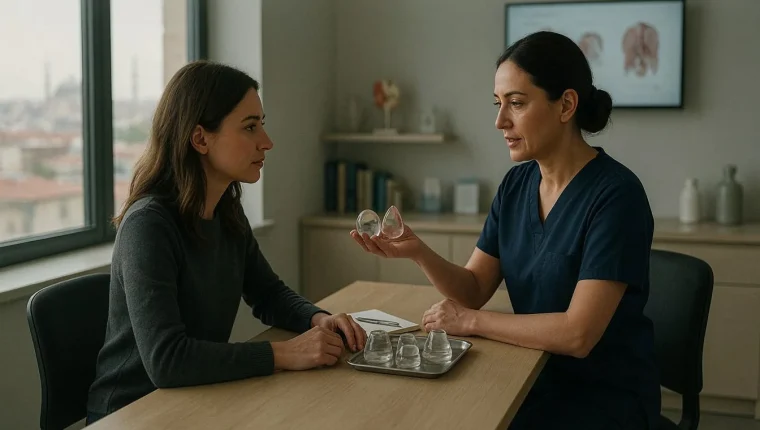
Breast augmentation in Turkey often costs 50–70% less than in the UK or US, with many clinics offering all-inclusive packages covering the surgery, hotel stay, transfers, and aftercare. That price gap explains why thousands of patients travel there every year — but lower cost alone doesn’t tell you whether a breast augmentation Turkey package is actually a good deal. The real question is what’s included, who’s performing the surgery, and what happens if something goes wrong after you fly home. Some packages offer excellent value: experienced surgeons, JCI-accredited hospitals, and transparent pricing. Others cut corners on implants, anesthesia, or post-operative care to keep costs down. This matters because revision surgery is expensive and emotionally draining, no matter where you have it. If you’re weighing this decision right now, here’s an honest breakdown of what these packages include, where they save or cost you money, and how to spot the ones worth booking.
What Do Breast Augmentation Turkey Packages Typically Include?

Most breast augmentation Turkey packages are built around the idea of an all-inclusive medical trip, meaning the price you’re quoted usually covers far more than the surgery itself. At the core of every offer is the surgical fee bundle: the surgeon’s fee, anesthesia, hospital or clinic charges, and the breast implants themselves — typically recognized brands such as Motiva or NanoTextur rather than unbranded alternatives.
Beyond the operating room, standard packages generally include accommodation, most commonly a 4 or 5-star hotel stay for you and often a companion, covering around 5 to 7 nights. Airport transfers are also standard, with a private driver meeting you at arrivals and handling transport between the hotel, hospital, and follow-up appointments. This logistics-heavy structure is precisely what distinguishes a package from simply booking surgery at home.
Pre-operative diagnostics are another consistent component. Expect blood tests, an ECG, a chest X-ray, and a mammogram or ultrasound when clinically indicated. After surgery, packages typically provide compression garments or a surgical bra, prescribed medications, and one or two post-operative check-ups before you fly home.
Communication support deserves attention as well. Reputable clinics assign an English-speaking patient coordinator who guides you from first inquiry through recovery, and many arrange an interpreter for surgeon consultations. Some premium packages add extras such as VIP transfers, sightseeing assistance, or longer hotel stays.
Inclusions vary meaningfully between clinics, so always request an itemized breakdown in writing. Knowing exactly what your quoted price covers — and what it doesn’t — is the first step in judging whether a package genuinely offers value.
Why Is Turkey a Popular Destination for Breast Augmentation?
Turkey’s rise as a cosmetic surgery hub is not accidental. Over the past two decades, the country has deliberately built a medical tourism infrastructure that rivals Western Europe, with thousands of international patients flying in every year for breast procedures. What makes this especially relevant is that the popularity rests on more than just attractive pricing — it reflects genuine institutional strength.
One of the biggest drivers is the concentration of JCI-accredited hospitals and surgeons who perform high volumes of aesthetic breast surgery. High surgical volume matters: a surgeon who performs augmentations daily typically refines technique and complication management in ways a low-volume practitioner cannot. Turkey’s largest clinics essentially function as specialized centers where these procedures are routine rather than occasional.
Several structural factors reinforce this reputation:
- Internationally trained surgeons — Many leading plastic surgeons in Istanbul and Ankara completed fellowships in the US, UK, or Germany and hold memberships in organizations like ISAPS.
- Modern hospital infrastructure — Major cities host fully equipped private hospitals with dedicated cosmetic surgery units, advanced imaging, and English-speaking patient coordinators.
- Geographic accessibility — Short, direct flights from Europe, the Middle East, and much of Asia make a week-long surgical trip logistically simple.
- Government support for health tourism — Medical tourism is a recognized national sector, which has pushed clinics toward standardized quality controls and transparent practices.
The result is a market where competition among clinics keeps quality expectations high and pricing efficient. Popularity also attracts less scrupulous operators, which is why volume and reputation should always be weighed carefully when comparing offers.
How Much Can You Save Compared to Surgery at Home?
The numbers behind the savings are what turn curious readers into serious patients. In the United States, breast augmentation typically runs between $6,000 and $12,000, while in the UK it commonly falls between £5,000 and £8,000 — and these figures often cover the surgery alone, with consultations, post-op garments, and follow-up visits billed separately.
In Turkey, the same procedure with an experienced surgeon at a JCI-accredited hospital generally costs between $3,000 and $5,500, even when you add flights and a week or two of accommodation. The result is a typical saving of 50–70% on the total treatment cost, even after travel expenses are included.
So why is the gap so wide? It has little to do with quality and a lot to do with economics. Lower operational costs, favorable exchange rates, high patient volumes that let surgeons refine their technique daily, and government incentives for health tourism all push prices down without cutting corners on materials or facilities.
It’s worth being precise about what “saving” means here. A patient in London might pay £6,500 for the operation, then add hotel stays and flights to Istanbul, bringing the total to perhaps £7,000–£7,500 all-in. Compared to a £6,000–£8,000 UK quote that excludes any extras, the arithmetic still favors Turkey — but the margin narrows once you account for travel time and potential return visits.
For many patients, the real value equation also includes what’s bundled in: implant brands, anesthesia, hospital stay, and aftercare that would each add hundreds or thousands at home.
What Factors Influence the Final Price Beyond the Package Deal?
Even when a quote looks complete, the number you finally pay can shift. One of the biggest variables is the type of implant you choose. Standard silicone implants are usually covered, but premium options such as Motiva or gummy bear implants, or a specific brand requested by name, often add several hundred euros to the bill. If you opt for fat transfer augmentation instead of implants, the pricing structure changes entirely, since the procedure involves liposuction first.
Your anatomy matters just as much. A patient who needs an implant exchange, asymmetry correction, or a breast lift alongside augmentation requires more operating time and a more complex surgical fee bundle — and that complexity is priced separately. The surgeon’s seniority also plays a role; a lead surgeon with 20 years of experience typically charges more than an associate, even within the same clinic.
Travel logistics create hidden costs too. Packages usually cover a fixed number of nights at a partner hotel and standard aftercare for a set period, often one year. If you need to extend your stay for any reason, upgrade your room, or bring a companion who isn’t included, those expenses come out of your pocket. Post-operative items like compression bras, prescribed medications, and follow-up imaging may or may not be bundled.
Finally, watch the exchange rate. Most quotes are given in euros or dollars, and currency movements between booking and payment can nudge your total treatment cost up or down. Ask the clinic for a written, itemized quote covering every scenario so there are no surprises on arrival.
How to Choose a Reputable Clinic and Surgeon in Turkey
The quality of your surgeon matters more than the price on the quote, and this is where due diligence pays off most. Turkey has thousands of clinics competing for international patients, and they are not equal. Before committing to any board-certified plastic surgeon, you need to verify credentials, facilities, and communication quality — the same vetting you would demand at home, just conducted from a distance.
Start with the surgeon rather than the clinic or the agency. Many patients book through intermediaries and never learn who is actually operating on them until they land. Look for a specialist certified by the Turkish Board of Plastic, Reconstructive and Aesthetic Surgery, and ideally someone with international fellowships or memberships in bodies like ISAPS. Ask for the surgeon’s full name and check their record yourself.
Key verification steps include:
- Verify medical credentials directly: Search the surgeon’s name on the Turkish Medical Association register and confirm their specialty certification rather than relying on website claims or marketing titles.
- Ask for before-and-after photos of actual patients: Request unedited images of cases similar to yours in body type and starting anatomy, ideally showing results from at least six months post-surgery.
- Check hospital accreditation: Surgery performed in a JCI-accredited hospital gives you a higher safety standard than a small private clinic, particularly if a complication occurs during your stay.
- Confirm who performs the surgery: Some low-cost operations are partially delegated to junior surgeons; ask explicitly whether the person you consult with will make the incisions.
- Test communication quality: A clinic that answers detailed questions slowly, vaguely, or with pressure to book quickly is telling you how it will behave if problems arise later.
Reviews deserve careful reading, not just counting. Prioritize detailed patient accounts on independent forums and platforms over polished testimonials hosted on the clinic’s own site. Video diaries from patients six months or a year after surgery reveal more about long-term results and aftercare responsiveness than staged one-week updates.
Finally, make sure your contract names the surgeon, the facility, and the exact implant brand and model being used. Vague paperwork is one of the most common complaints in revision cases, and clarity before you pay protects you far better than promises made after.
What Is the Recovery Process Like While Traveling Abroad?

Recovery after breast augmentation follows a fairly predictable timeline, but doing it abroad adds a layer of planning most patients underestimate. The first 48 to 72 hours are the most demanding: you’ll feel sore and tight, your arms will have limited range of motion, and you’ll need someone to help with basic tasks like getting dressed. Reputable Turkish clinics typically schedule your follow-up appointments within the first week, so your surgeon can check incision healing and implant position before you fly home.
Most packages build in a minimum stay of 7 to 10 days post-surgery, and this is not a marketing gimmick — it reflects genuine medical necessity. Flying too soon after any surgery raises the risk of blood clots, and your surgeon needs enough time to confirm you’re healing well before clearing you for travel. If your quoted package suggests leaving after just three or four days, treat that as a serious red flag.
What many patients don’t anticipate is how the hotel portion of recovery works. Expect to spend the first few days mostly resting in your room, with short supervised walks recommended to support circulation. Some clinics arrange a hotel close to the hospital specifically so follow-up visits are easy, while others provide a nurse visit or home-style aftercare service. Ask in advance exactly what’s included, because “recovery support” varies dramatically between providers.
Practical details matter more than usual here. Pack button-up shirts rather than anything you pull over your head, arrange a wheelchair service at the airport if your clinic offers it, and avoid lifting luggage — carry-on only or a travel companion makes sense. You’ll likely be cleared to fly wearing a surgical bra, with your surgeon providing a fit-to-fly note confirming you’re safe to travel.
Swelling and settling of the implants continue for weeks after you return home, which is normal. The real question is what happens if something looks wrong once you’re back — that’s exactly where the risks of medical tourism come into focus, and it deserves its own honest look.
Are the Risks of Medical Tourism Worth Considering?
No matter how attractive the price looks, every surgery performed abroad carries a specific set of risks that deserve honest attention. The most significant one is the possibility of revision surgery, which becomes far more complicated when you live thousands of kilometers away from the clinic that performed your original operation. If an implant needs adjusting, a capsular contracture develops, or the results simply don’t match your expectations, returning to Turkey means another flight, another hotel stay, and another round of coordination with a surgical team you may struggle to reach.
Complication management is the core issue here. Infections, wound-healing problems, or unexpected reactions to anesthesia typically emerge in the days or weeks after surgery — precisely the period when you’ll be back home. A reputable Turkish clinic will offer post-operative support remotely and work with your local doctor if needed, but a local surgeon who didn’t perform the original operation may be reluctant to take over someone else’s work. This is why asking a clinic, before you book, exactly how they handle complications after you fly home is one of the smartest questions you can ask.
There are also practical realities that rarely appear in glossy package brochures. Flying too soon after surgery increases the risk of blood clots, which is why experienced clinics insist on a minimum stay of 7 to 10 days post-surgery rather than letting patients leave within 48 hours. Communication barriers can also matter more than people expect — describing a symptom accurately in a second language, or understanding medication instructions, requires a clinic with genuinely fluent international patient coordinators.
None of this means Turkey is inherently risky; its top hospitals perform tens of thousands of cosmetic procedures annually with outcomes comparable to Western Europe. The real variable is not the country but the clinic. A patient who chooses an accredited hospital with a verifiable, board-certified plastic surgeon and a clear written policy on aftercare faces roughly the same risk profile as at home — just at a fraction of the cost. A patient who chooses based on the cheapest quote alone takes on risks no discount can justify.
FAQs
How much do breast augmentation Turkey packages typically cost compared to having surgery in the UK or US?
Breast augmentation packages in Turkey typically cost between £3,000 and £5,500, which includes the surgeon's fee, implants, hospital stay, anesthesia, and often extras like transfers, accommodation, and post-op garments. The same procedure in the UK usually ranges from £6,000 to £9,000, while in the US it often exceeds $8,000 to $12,000 before additional hospital charges. This means patients can save around 40 to 60 percent even after factoring in flights, which is why Turkey has become one of the most popular destinations for this surgery.
What is usually included in an all-inclusive package — hospital fees, anesthesia, implants, hotel, and aftercare?
An all-inclusive dental package typically covers your treatment costs in full, including hospital or clinic fees, anesthesia, implants or other materials used, and all follow-up appointments. Most packages also add airport transfers, accommodation at a partner hotel, and often a companion's stay at no extra charge. Medications prescribed after your procedure and your aftercare check-ups are usually bundled in as well, so you can focus on recovery rather than unexpected bills. Always confirm the exact inclusions in writing before booking, as coverage can vary between clinics.
How can I verify a surgeons credentials and a clinics safety standards before booking a package abroad?
Start by checking whether the surgeon is board-certified in their specialty and belongs to recognized bodies such as ISAPS or their country's national medical association, most of which offer online verification tools. Ask the clinic directly for the surgeon's full name, certification number, and hospital privileges, then cross-check these through official registries. For safety standards, confirm the facility is accredited by an international body like JCI or TEMOS and ask detailed questions about anesthesia care, emergency protocols, and post-operative follow-up. A reputable clinic will answer transparently and provide documentation without hesitation—if they resist or vague out, treat that as a red flag.