Every year, thousands of Americans travel to Turkey for breast augmentation, and the reason is simple: the price difference is hard to ignore. In the U.S., the same procedure often costs two to three times more than a complete breast augmentation Turkey package for Americans, which typically includes the surgery, hospital stay, anesthesia, medications, and even hotel accommodation and transfers. But price alone shouldn’t drive your decision. So what should you actually look for in a package? Which credentials matter when choosing a surgeon abroad, and what hidden costs do some clinics leave out of their quotes? This guide covers what a quality package includes, realistic pricing for 2025, and questions to ask before booking your flight.
Why Americans Choose Turkey for Breast Augmentation
The appeal is easy to understand once you look at the numbers. In the United States, breast augmentation typically costs between $6,000 and $12,000, and that figure rarely includes anesthesia fees, post-surgical garments, or follow-up visits. In Turkey, the same operation performed by experienced, board-certified surgeons usually comes in at 40 to 60 percent less, even after adding flights and a hotel stay.
Cost, however, is only part of the story. American patients consistently point to three other reasons: the volume of procedures performed, the all-inclusive structure of care, and the speed of access. Turkey ranks among the top countries worldwide for cosmetic surgery, and Istanbul alone hosts hundreds of clinics that handle international patients daily. That volume translates into surgeons who perform augmentation routinely, often using the latest implant materials and techniques such as dual-plane placement and fat-transfer augmentation.
The package model is another draw. Instead of receiving separate bills from a hospital, an anesthesiologist, and a surgical practice, patients pay one transparent price covering the operation, hospital stay, medications, compression garments, translations, and often airport transfers and accommodation.
Finally, there is the waiting-time factor. In the US, consultations and operating-room slots can push surgery back by months. Turkish clinics typically schedule consultations, surgery, and initial recovery within a single week, which matters enormously for Americans juggling limited vacation days. When quality credentials align with these practical advantages, the decision becomes far less surprising.
What's Included in a Typical Surgery Package
When you request a breast augmentation Turkey package for Americans, the clinic typically bundles every moving part of your medical trip into one fixed price. This matters because unexpected add-on costs are the biggest fear for medical travelers, and a transparent bundle removes that uncertainty from the moment you land until the day you fly home.
While exact inclusions vary between clinics, most reputable providers cover a core set of essentials:
- Surgeon and anesthesia fees — the operation itself, performed by a board-certified plastic surgeon in a fully licensed hospital, with general anesthesia included.
- Implants — FDA-approved or CE-certified silicone implants from recognized international brands, with the type and profile agreed during your consultation.
- Pre-operative testing — blood work, ECG, and a full medical evaluation to confirm you are fit for surgery and dual-plane placement where your anatomy calls for it.
- Accommodation and transfers — typically 4 to 7 nights in a hotel, plus private airport and clinic transportation so you never navigate an unfamiliar city alone.
- Post-operative care — surgical bras, medications, follow-up examinations before departure, and often 24/7 access to a patient coordinator.
- Translator services — an English-speaking coordinator who stays with you during consultations and hospital procedures.
It is worth noting what is generally excluded: flights are usually booked separately, and revision surgery, extended stays for complications, or premium implant upgrades may carry additional fees. Ask for a written, itemized list before you commit, because the strongest clinics will provide one without hesitation and explain each line clearly.
Understanding these inclusions also makes the next question much easier to answer — how the total price compares to what you would pay at home.
How Much Does Breast Augmentation Cost in Turkey Compared to the US
Cost is the single biggest factor driving American patients across the Atlantic. In the United States, breast augmentation typically runs between $6,000 and $12,000 — and that figure usually covers only the surgeon’s fee. Add anesthesia, facility charges, implants, and pre-operative testing, and the total can easily climb past $15,000.
In Turkey, the same procedure generally costs between $3,500 and $5,500, and this is where the all-inclusive package model truly changes the math. Unlike most American quotes, Turkish package pricing bundles the surgery, implants, anesthesia, hospital stay, medications, hotel accommodation, and private transfers into one transparent number. Even after adding a round-trip flight — often $700 to $1,200 from major US cities — most patients still save 50% to 65% compared to staying home.
Several structural differences explain the gap. Lower operational costs, favorable exchange rates, and high surgical volume allow Turkish clinics to charge less without cutting corners on quality. Many surgeons perform hundreds of augmentations annually, often exceeding the yearly caseload of their American counterparts, and use the same FDA-approved implant brands you’d find in a Beverly Hills practice.
One practical detail worth knowing: Turkish clinics frequently include a warranty program for implants at no extra cost, while US surgeons often charge additional fees for lifetime implant coverage. When you request quotes, ask both sides for a fully itemized breakdown — comparing a package total against a bare surgical fee isn’t an honest comparison, and the difference becomes clear the moment you line up the numbers side by side.
Choosing the Right Clinic and Surgeon for Your Breast Augmentation Turkey Package

The single most important decision in your entire journey is not the price or the hotel — it is the board-certified plastic surgeon you entrust with the procedure. A lower quote from an unqualified provider is never a bargain, so verification should come before any other step in your research.
Start by confirming credentials. Look for surgeons who are members of the Turkish Society of Aesthetic Plastic Surgery (TSAPS) or recognized by international bodies such as ISAPS. A legitimate specialist will have completed formal plastic surgery residency training, not a short cosmetic course. Do not hesitate to ask for their medical diploma number and years of experience specifically with breast augmentation.
Before-and-after photos deserve careful scrutiny as well. Ask for cases involving patients with a similar body type and request unedited images. Reputable surgeons keep extensive documentation and are proud to share it.
Communication is another reliable signal. A serious clinic will connect you directly with the surgeon — often via video consultation — before you commit, and a dedicated translator or patient coordinator should be part of the conversation from day one. If your questions about implant type, placement, or risks go unanswered, treat that as a warning sign.
It is equally important to check that the operating facility is a fully equipped, accredited hospital rather than a basic office setting, since this directly affects how emergencies would be handled. Finally, take time to read independent patient reviews on third-party platforms rather than relying solely on testimonials published on the clinic’s own website — real experiences reveal patterns that marketing copy never will.
Planning Your Medical Trip: Travel, Accommodation, and Recovery Timeline
Once your surgeon and clinic are booked, the practical side of your trip becomes the next priority. Most all-inclusive packages simplify this dramatically: your airport transfers, hotel nights, and hospital transportation are arranged by the clinic’s patient coordinator before you even board your flight. What you need to plan yourself is the flight itself, your passport validity, and a realistic sense of how long you should stay — a decision shaped largely by your personal recovery timeline.
A typical stay looks like this:
- Day 1 — Arrival and consultation: You land, meet your coordinator, and complete your final in-person consultation and pre-operative testing. Surgeons use this visit to confirm implant size and placement based on your anatomy.
- Day 2 — Surgery day: The procedure usually takes one to two hours under general anesthesia. Most patients stay overnight at the hospital for monitoring and your first post-operative check.
- Days 3–4 — Early recovery: You’ll wear a surgical bra, attend your first follow-up appointment, and receive your drainage care and medication schedule. Walking short distances is encouraged; heavy lifting is not.
- Days 5–7 — Final checks and flight home: Your surgeon clears you for travel after reviewing healing progress. Most Americans fly home within a week of surgery.
That seven-day window is deliberate rather than arbitrary. Flying too soon after surgery raises discomfort and, in rare cases, complicates healing, so most surgeons advise against departing before day five. Booking a refundable or flexible return ticket gives you breathing room if your surgeon wants one extra check before clearing you.
Pack smart for the trip home: loose, front-opening clothing, your prescribed medications in carry-on luggage, and your post-operative care documents translated into English. Reputable clinics provide written aftercare instructions and often a partner app or WhatsApp line so your surgeon’s team can review photos of your healing once you’re back in the US. Ask before you travel whether your package includes a follow-up teleconsultation at the two- and six-week marks — many do, and it makes coordinating your stateside aftercare far easier.
Understanding the Surgical Procedure Step by Step
By the time surgery day arrives on Day 2 of your trip, you will already have met your surgeon, confirmed your implant size, and completed pre-operative testing during the initial consultation. What many patients appreciate most is how clearly the process is explained in advance — a good Turkish clinic walks you through every stage before you ever enter the operating room.
Your day typically begins with a final marking session, where the surgeon draws incision and placement guidelines while you sit upright. Anesthesia is usually general anesthesia, administered by a dedicated anesthesiologist who remains present throughout the operation — a detail worth confirming with any clinic you consider. The surgery itself takes roughly one to two hours, depending on the technique.
Most surgeons in Turkey use one of three incision approaches: inframammary (under the breast fold), periareolar (around the nipple), or transaxillary (through the armpit). The under-fold approach is the most common because it gives the surgeon direct access and typically heals discreetly. Your implant placement — above or below the muscle, or the dual-plane technique mentioned earlier — will have been decided during your consultation based on your anatomy.
Once the incision is made, the surgeon creates a pocket for the implant, positions it, checks symmetry with you sitting up slightly, and closes the incisions in layers. A surgical bra is fitted immediately; you will wear this for several weeks to support healing.
Afterward, you are moved to a recovery area where nurses monitor you until the anesthesia wears off — usually a few hours. Most patients stay overnight at the clinic or their hotel and begin walking gently the same evening, which supports circulation. You can expect tightness and moderate soreness for the first few days, managed with prescribed medication.
Understanding these steps ahead of time reduces anxiety significantly. Ask your surgeon to explain which specific technique they recommend for you and why — the answer should be tailored to your body, not a one-size-fits-all routine.
Safety Standards, Accreditations, and Aftercare Support for International Patients
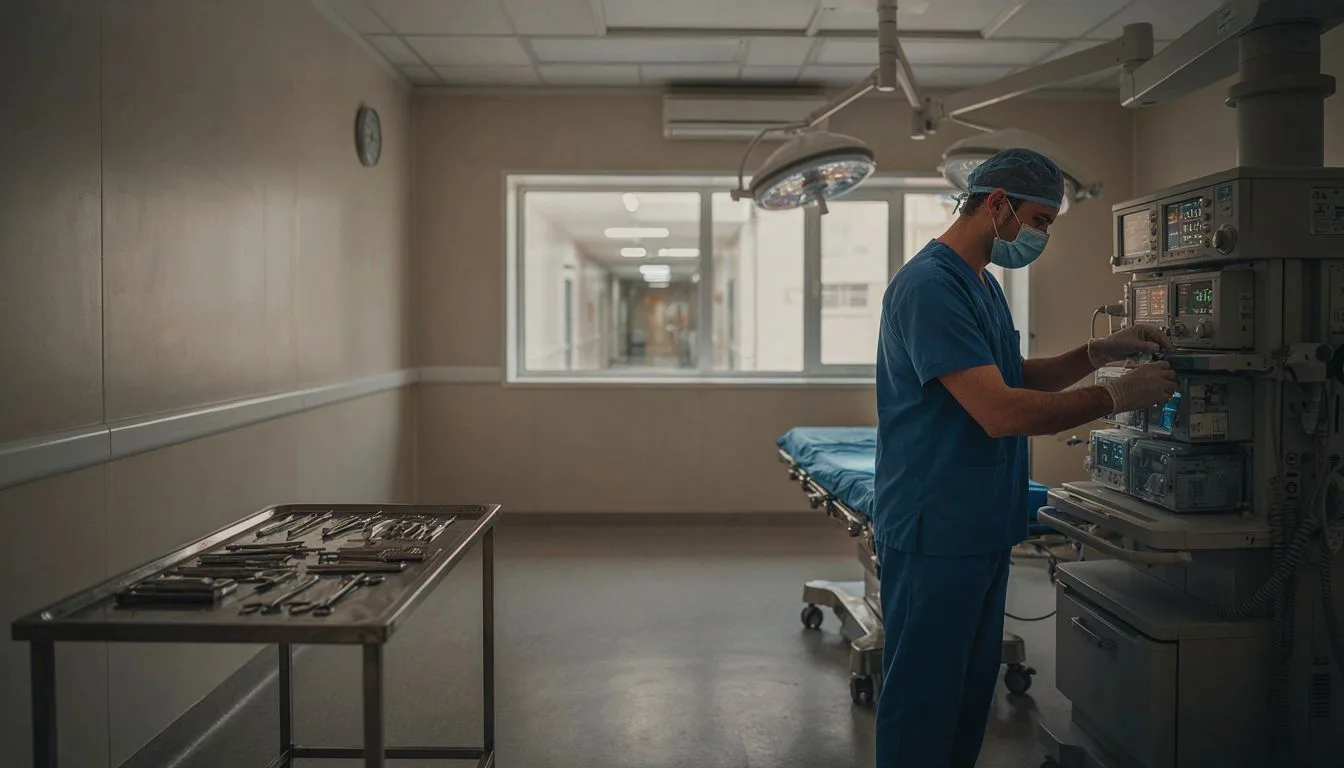
A well-designed breast augmentation Turkey package for Americans is only as trustworthy as the medical system behind it, and this is where many top Turkish hospitals genuinely distinguish themselves. Leading private hospitals in Istanbul and Antalya often hold JCI (Joint Commission International) accreditation, the same independent credential used to evaluate hospitals in the United States. JCI surveys examine surgical safety protocols, infection control, anesthesia standards, and patient rights, so an accredited hospital is operating under internationally recognized rules rather than local ones alone.
Beyond hospital-level accreditation, ask each clinic about the specifics of its surgical environment. Reputable providers will readily confirm that procedures are performed in full-service hospitals with dedicated intensive care units on site, that anesthesia is administered by certified anesthesiologists rather than technicians, and that implants used are FDA-approved brands such as Motiva, Mentor, or Natrelle — the same products commonly used in American operating rooms. A clinic that hesitates to answer these questions is telling you something important.
Accreditation and equipment matter before surgery, but aftercare is what protects you once you fly home. Strong providers structure this in three layers. During your stay, post-operative care includes daily wound checks, compression garments, and prescribed medication before your final clearance appointment around day seven. At discharge, you should receive written operative reports, implant passport documentation with serial numbers and warranty registration, and detailed recovery instructions in English.
The third layer is remote follow-up, and it deserves real scrutiny when comparing packages. Established clinics assign a patient coordinator who remains reachable by WhatsApp or video call for weeks or months after you return, monitoring your healing and coordinating with a local physician in the US if any concern arises. Ask specifically: how long is follow-up included, who do you contact in an emergency, and what is the clinic’s revision policy if a complication requires correction?
Finally, confirm that your surgeon carries malpractice insurance valid for international patients and that the hospital provides documentation you can share with an American doctor. When these safeguards line up — accredited facility, certified team, documented implants, and structured remote aftercare — the quality gap between a top Turkish hospital and a US practice largely disappears, and your decision becomes genuinely low-risk.
FAQs
How much does a breast augmentation Turkey package for Americans typically cost, including flights and hotel?
A breast augmentation package in Turkey for American patients typically costs between $4,000 and $6,500 all-inclusive, covering the surgery, anesthesia, clinic fees, medications, hotel accommodation (usually 5–7 nights), airport transfers, and often a compression garment. When you add round-trip flights from the US, which generally run $700–$1,200, the total usually lands between $5,000 and $8,000 — still roughly half or less of the $8,000–$15,000 you'd pay for the procedure alone in the United States. Prices vary by surgeon experience, implant type (saline vs. silicone), and clinic location, with Istanbul and Antalya being the most common destinations.
Is it safe to travel back to the US shortly after surgery, and how long should I stay in Turkey?
Most patients can safely fly back to the US within 7 to 10 days after common procedures, though this depends on your surgeon's approval and the type of surgery you had. Plan to stay in Turkey for at least a week so your surgeon can monitor initial healing, remove stitches or drains if needed, and clear you for travel. Long flights increase the risk of blood clots after surgery, so your doctor may recommend waiting longer, wearing compression stockings, and moving around during the flight. Always get written clearance from your surgeon before booking your return flight.
Will US surgeons accept my records and follow-up care after having breast augmentation abroad?
Many US surgeons will accept foreign medical records and provide follow-up care after breast augmentation abroad, but acceptance varies by individual practice and is not guaranteed. Some surgeons are hesitant to manage complications from procedures they did not perform, and a few may decline to take over such cases entirely. Before traveling, ask the overseas clinic for complete operative reports and implant details, and contact prospective US surgeons in advance to confirm whether they will provide follow-up care.