An arm lift, or brachioplasty, removes excess skin and fat from the upper arms. Although it can deliver dramatic contouring results, especially after significant weight loss or aging, every surgery has inherent risks. Understanding arm lift safety risks can help you make an informed, confident decision before surgery.
Most patients recover smoothly, yet complications such as infection, scarring, swelling, or delayed wound healing can occur. Some individuals may also experience numbness, fluid accumulation, or reactions to anesthesia. The likelihood of these outcomes often depends on the surgeon’s skill, the patient’s overall health, and how carefully post-operative instructions are followed.
Being aware of potential side effects helps you prepare mentally and physically, and sets realistic expectations for the healing journey ahead.
What "Arm Lift Safe" Really Means in Cosmetic Surgery
When people ask whether an arm lift is safe, they usually picture the final result, not the clinical definition behind it. In cosmetic surgery, safety is not a single checkbox; it is a layered concept built from how the procedure is performed, who performs it, and how the patient’s body responds to it. Thinking of “safe” as a guarantee can actually set the wrong expectation from the start.
The phrase generally points to a few core ideas working together. First, the surgical technique itself should follow established standards, including proper incision placement, controlled tissue removal, and sterile conditions. Second, the patient’s pre-operative screening matters just as much, because factors like smoking, uncontrolled diabetes, or circulation problems can quietly increase risk even when the surgery is textbook-perfect. Third, the recovery environment plays a role, since early recognition of warning signs such as unusual swelling, fluid buildup, or skin discoloration can prevent small issues from becoming serious ones.
Another layer often missed is psychological safety. Feeling pressured, rushed, or under-informed is a form of risk that does not show up in a chart but shapes the entire experience. A truly safe brachioplasty gives the patient enough clarity to ask questions, enough time to decide, and enough follow-up to feel supported long after the operating room. Safety, in other words, is the sum of preparation, technique, and ongoing care, not a label stamped on the procedure itself.
Common Risks Linked to Brachioplasty Procedures
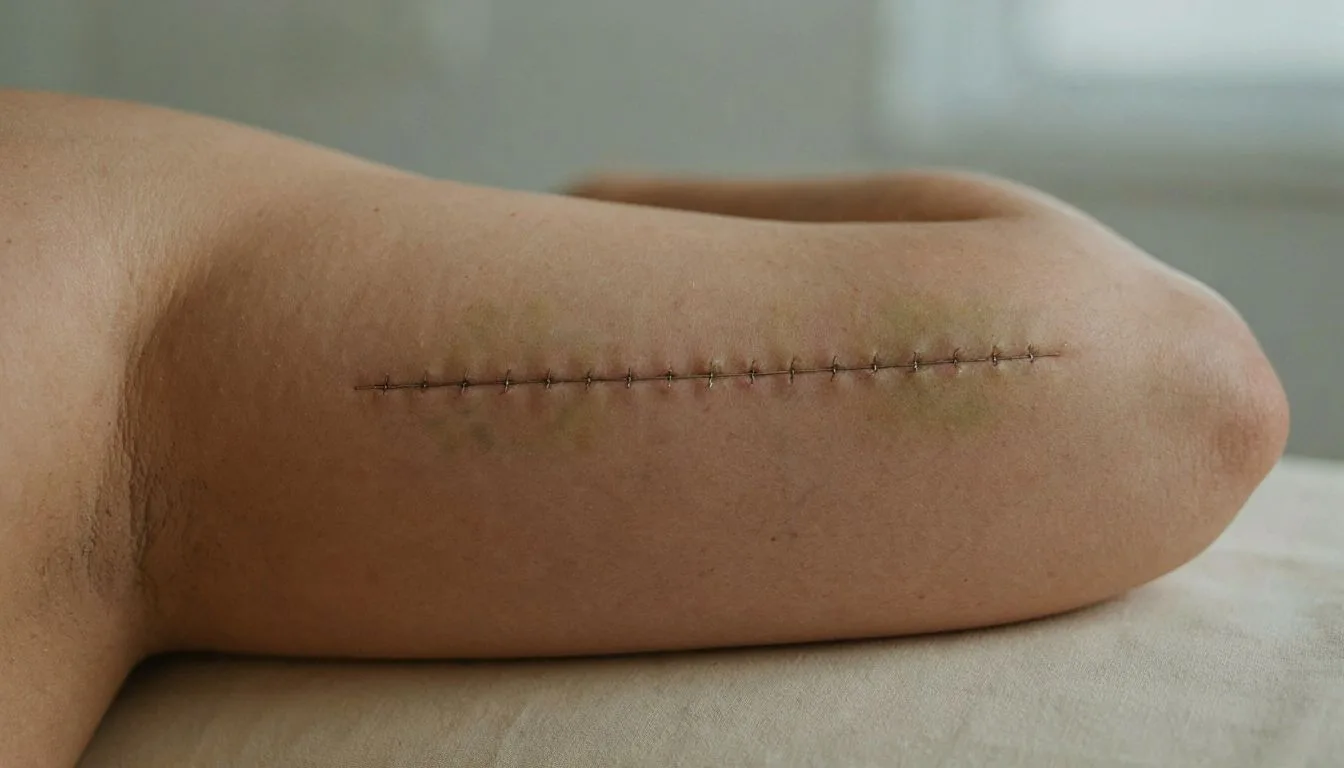
Every surgical procedure carries some level of risk, and brachioplasty is no exception. While most arm lifts go smoothly, understanding the potential complications beforehand helps you weigh the decision more clearly. These risks fall into a few categories that surgeons see across many patients.
- Infection at the incision site, which can delay healing and sometimes require additional treatment with antibiotics or further intervention.
- Bleeding and hematoma formation, where blood collects under the skin and may need draining if it becomes significant.
- Seroma development, a buildup of fluid beneath the skin that occasionally requires needle aspiration to resolve comfortably.
- Poor wound healing, particularly along the incision line, which can be more pronounced in patients who smoke or have underlying circulation issues.
- Nerve damage leading to temporary or, in rare cases, lasting numbness or altered sensation in the upper arm.
Beyond these, there is also the possibility of adverse reactions to anesthesia, ranging from mild nausea to more serious respiratory or cardiac responses during surgery. Swelling and bruising are almost inevitable in the early stages, but excessive or prolonged inflammation can signal a deeper issue. Discussing your full medical history with your surgeon remains the most reliable way to spot personal risk factors before they become problems on the operating table.
Short-Term Side Effects You May Notice After Surgery
Right after brachioplasty, your body goes through a very active healing phase, and most of what you feel in the first days and weeks is part of that normal response rather than a red flag. Swelling along the incision, a tight or pulling sensation in the upper arm, and visible bruising are almost universal, especially during the first two to three weeks. The treated area often feels firm or lumpy as fluid shifts and tissues settle, and mild numbness or tingling around the scar is common because small sensory nerves were disturbed during surgery.
Pain is usually at its peak in the first few days and then gradually improves with prescribed or recommended medication. Many patients notice that their arms tire quickly when they try to lift or reach, which is why surgeons strongly advise keeping them elevated and avoiding sudden stretching movements for several weeks.
You should also expect temporary limitations, such as difficulty dressing, washing your hair, or picking up small children, not because something went wrong, but because the tissues need protected time. The drains placed during surgery are another short-term feature of recovery; they are typically removed within the first week once output drops to a safe level.
Itching along the incision as it begins to close, mild oozing in the first few days, and changes in skin color around the scar are all part of early healing. These short-term effects can be uncomfortable or inconvenient, but for healthy patients they usually fade steadily when post-op instructions are followed carefully.
Long-Term Complications and Scar-Related Concerns
While most arm lift side effects fade within weeks, some issues can linger for months or even become permanent. One of the most discussed long-term concerns is scarring. Brachioplasty incisions typically run along the inner arm, and although surgeons try to place them where clothing can hide them, the resulting scar may stay raised, red, or wide for a year or longer before gradually softening. In some cases, hypertrophic scarring develops, where the tissue thickens noticeably along the incision line.
Beyond visible scarring, patients sometimes report lingering changes in skin sensation. Numbness, tingling, or reduced sensitivity can persist along the inner arm or near the elbow because small sensory nerves are stretched or cut during tissue removal. Most people regain normal feeling gradually, but a small percentage notice some permanent alteration.
Another long-term consideration is contour irregularity. As the arms continue to age and skin elasticity shifts over time, the tightened area can develop subtle waviness or asymmetry, especially if weight fluctuates after surgery. Fluid collections may also recur in rare instances if the underlying tissue does not fully adhere during healing. Staying attentive to any new swelling or tightness well after the initial recovery helps catch these changes early.
How Patient Health Influences Arm Lift Safety
A patient’s overall health profile quietly sets the tone for how smoothly a brachioplasty will go, well before the first incision is ever made. Surgeons evaluate a wide range of personal factors during the consultation because each one can quietly shift the balance between a routine recovery and a complicated one. When these variables are well managed, many of the risks described earlier become far less likely to appear.
Because every candidate arrives with a different medical history, a few specific areas of health tend to carry the most weight during the screening process:
- Cardiovascular fitness, since heart and lung capacity affect how the body tolerates anesthesia and the demands of healing.
- Blood sugar stability, because uncontrolled diabetes is closely tied to poor wound healing and a higher chance of infection after surgery.
- Weight stability, as recent fluctuations can stretch the same tissue the lift is meant to correct and compromise long-term results.
- Nicotine use, which narrows blood vessels and slows oxygen delivery to healing skin and underlying tissue.
- Medications and supplements, many of which thin the blood and raise the likelihood of bleeding or hematoma formation.
- Immune strength, including any condition or treatment that suppresses immune response and increases infection risk.
Taking time to optimize these areas often produces a noticeable difference in recovery. Even simple adjustments, such as quitting smoking weeks before the procedure or coordinating medication changes with a primary care doctor, can meaningfully lower the chance of complications tied to brachioplasty.
Choosing a Qualified Surgeon to Reduce Risks

Even the healthiest patient cannot fully control arm lift safety risks if the procedure is performed by someone without the right training. Choosing a qualified surgeon is the single most effective step you can take to lower the chances of infection, poor wound healing, hematoma, or unsatisfactory scarring.
Start by looking for a board-certified plastic surgeon who routinely performs brachioplasty, not just an occasional case. Ask how many arm lifts they complete each year, request before-and-after photos of previous patients, and pay attention to how the scars settle over time in those images. During the consultation, notice whether the surgeon evaluates your medical history, medications, smoking habits, and skin quality before recommending surgery. A careful preoperative assessment usually signals a careful intraoperative approach as well.
It also helps to confirm that your procedure will take place in an accredited surgical facility with qualified anesthesia support, and that the surgeon remains directly involved in your postoperative follow-up. Clear communication about warning signs, scar care, and recovery timelines reflects a professional who treats safety as a process rather than a single event. Trust between patient and surgeon becomes one of the most reliable safeguards against avoidable complications.
FAQs
Who is considered a good candidate for an arm lift based on overall health?
A good candidate for an arm lift is someone in generally good overall health, at a stable weight, and free from conditions that could impair healing or increase surgical risk. Non-smokers and individuals without uncontrolled chronic illnesses tend to recover more smoothly and achieve safer, more predictable results. Being physically healthy also helps ensure that the procedure aligns well with realistic expectations.
What complications should patients watch for after brachioplasty?
Watch closely for increasing redness, swelling, or drainage from the incision, as well as sudden calf pain or shortness of breath, which could signal a blood clot. Mild bruising, tightness, and numbness along the arm are common, but fever, worsening pain, or skin discoloration around the wound deserve a prompt call to your surgeon. Staying alert to these signs helps catch infection, hematoma, or healing problems early.
How long do swelling and numbness typically last following arm lift surgery?
Swelling and numbness after an arm lift are pretty common, and most patients notice the swelling start to calm down within two to three weeks, though it can stick around in subtle form for a couple of months. As for numbness or that tingly, slightly asleep feeling in the upper arms, it usually fades gradually over six to twelve weeks as the small nerves recover, but in some cases a little residual numbness can linger for several months and only very rarely becomes permanent.