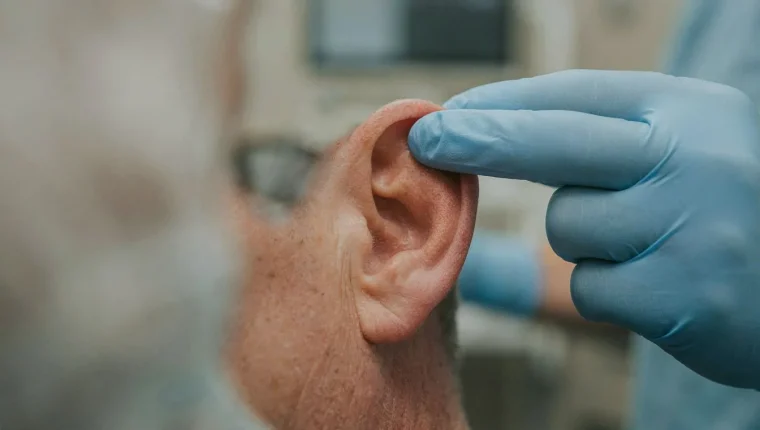
After otoplasty, your ears look swollen, puffy, and unfamiliar in the mirror, and you may wonder whether this is supposed to happen. The short answer is yes. Swelling is a completely expected part of healing after ear surgery, and usually reflects your body’s repair work rather than a problem. Knowing what is typical, how long puffiness lasts, and which habits help can make recovery less stressful. This guide covers the biology behind the swelling, a realistic timeline for ear swelling after otoplasty, practical steps to take at home, and warning signs that deserve a call to your surgeon. By the end, you will be able to assess your healing with more certainty.
Why Swelling Is a Normal Part of Otoplasty Recovery
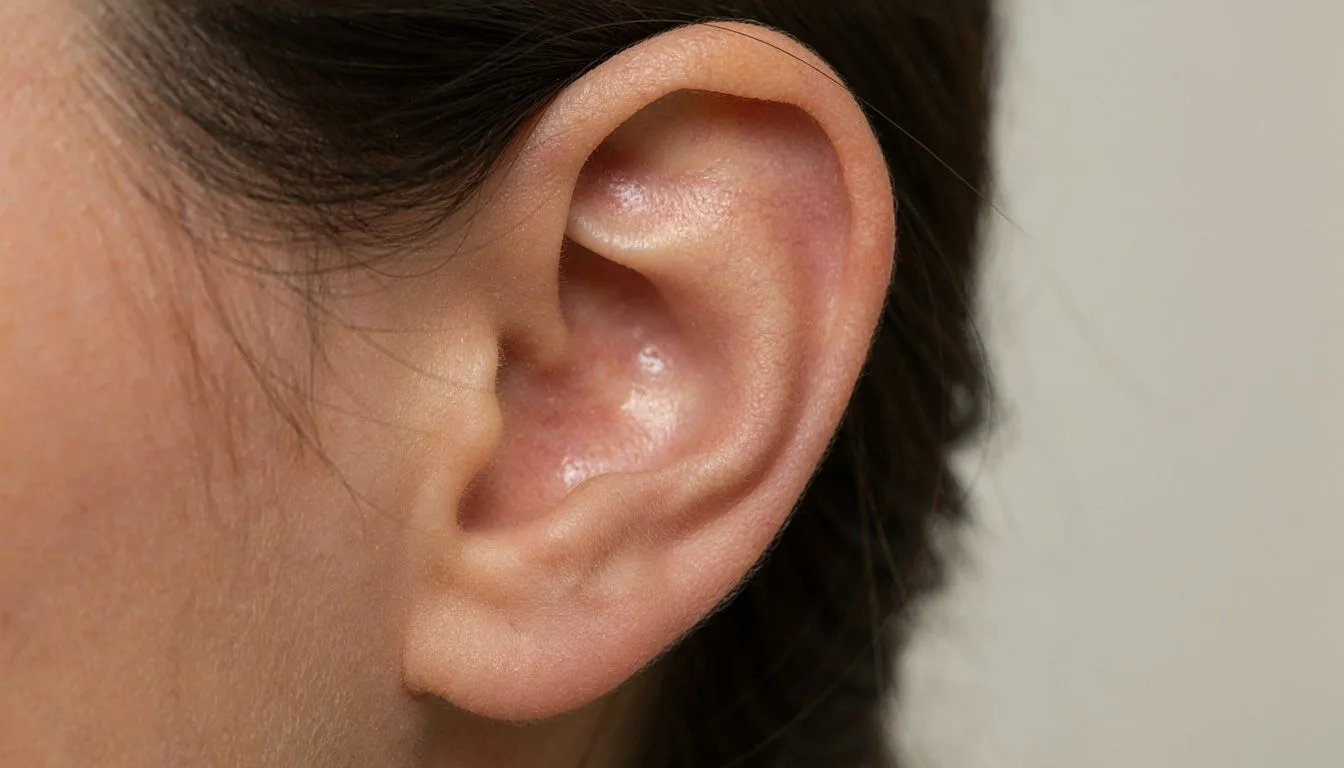
Swelling happens because surgery, by its very nature, is a controlled injury. When the surgeon reshapes or repositions the cartilage behind your ear, tiny blood vessels and lymphatic channels are disrupted. Your body responds immediately with an inflammatory response — a repair process that sends extra blood, fluid, and healing cells to the area so tissue can rebuild itself. That extra fluid collecting under the skin is exactly what you see and feel as puffiness.
The ear is particularly prone to showing this. It has thin skin stretched tightly over cartilage, with little soft tissue to hide what is happening underneath. So even a modest amount of fluid makes the ear look noticeably swollen, and the skin may appear shiny or flushed. This is not a complication; it is anatomy doing what anatomy does.
There is also a normal asymmetry factor. Swelling rarely appears evenly on both sides, so one ear may look puffier than the other in the early days, which can be unsettling but is expected.
In short, swelling is not your ear malfunctioning — it is your body actively repairing the surgical site. Recognizing this helps you read your recovery with calm rather than alarm.
What the First Week After Ear Surgery Typically Looks Like
The first few days are when your ears will look their most dramatic. Expect them to appear noticeably swollen, bruised, and larger than you anticipate, often two or three times their final size. This is not a sign that something has gone wrong — it is the day-by-day progression of early healing, and knowing the checkpoints helps you judge your own recovery with far less anxiety.
In the first 24 to 48 hours, most patients wear a protective dressing or head bandage. This serves two purposes: it applies gentle, even pressure that limits fluid buildup, and it protects the ears while you sleep. You may feel tightness, throbbing, or aching during this stage, which your surgeon will typically manage with prescribed pain medication.
By days three to five, the swelling usually begins to soften and the sharp discomfort fades. If a head band was placed, your surgeon may remove or adjust it around this time at a follow-up visit, giving you your first real look at the new ear shape — often puffier than expected, but recognizably changed.
By the end of the week, most people feel comfortable returning to light daily routines, work, or school. The ears will still be swollen and tender to touch, but the worst of the early phase is typically behind you, and the ear contour is starting to settle into place.
How Long Ear Swelling After Otoplasty Usually Lasts
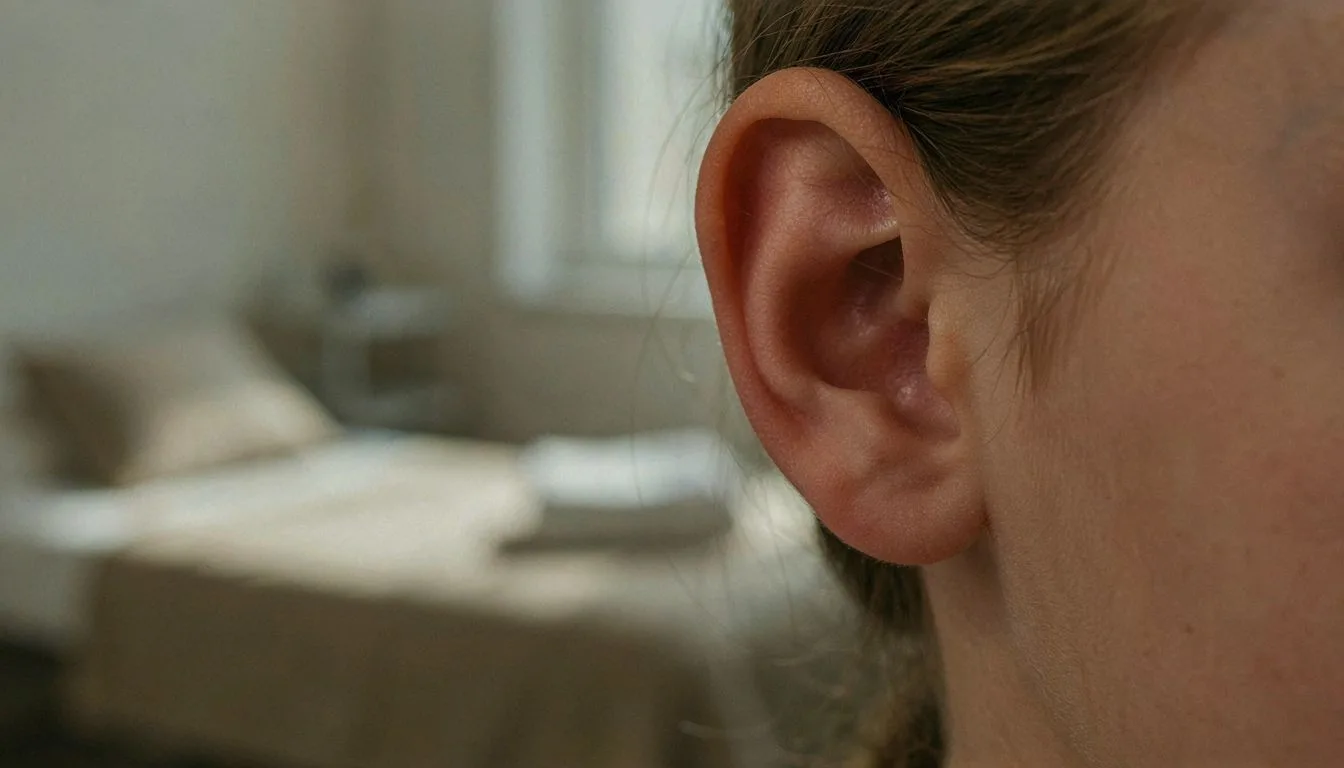
So how long is “long enough”? Most of the visible puffiness follows a fairly predictable arc. The sharpest swelling peaks in the first few days, then noticeably eases over the following two to three weeks. By the end of the first month, your ears usually look recognizably like themselves again — just a little fuller than the final result.
What many people aren’t prepared for is the second phase: residual swelling. This is the subtle, low-grade puffiness that lingers deep in the tissue and can take three to six months to fully resolve. It’s rarely obvious to anyone but you, but it’s why surgeons ask you to wait before judging the final shape of your ears.
It’s also completely normal for the two ears to settle at different speeds. One side may look softer and flatter while the other still feels firm and puffy for weeks. This asymmetry almost always evens out on its own as healing completes, and it doesn’t mean something went wrong on the slower side.
The signal worth watching isn’t a date on the calendar — it’s direction. As long as your ears keep gradually improving week by week, your recovery is tracking exactly as it should.
Reducing Swelling: Practical Home Care Tips
Understanding swelling is one thing; having a set of habits that actually influence it is another. The good news is that most of the measures that genuinely help are simple, and they all work through the same logic: reducing fluid buildup while supporting your body’s repair work.
The single most effective habit is elevation. Fluid follows gravity, so keeping your head above the level of your heart — especially during sleep and while resting — helps excess fluid drain away from your ears instead of pooling there. This is why surgeons are so insistent about sleeping with your head propped up in the early weeks.
Cold compresses can also help, but only as directed. Applied properly (never directly on the ear, and never with ice touching the skin), they constrict blood vessels and ease fluid accumulation in the first days. Your surgical team will tell you exactly how long and how often; following those specifics matters more than the compress itself.
Then there’s the quieter side of recovery: taking prescribed medication on schedule, drinking enough water, and eating well. Hydration and medication adherence support circulation and reduce the kind of inflammation that prolongs puffiness.
Just as important is what to avoid. Bending over, heavy lifting, and anything that sends blood pressure surging into your head can visibly worsen swelling. Skip alcohol and smoking too — both slow healing and keep fluid lingering longer than it should.
When Swelling Might Signal a Problem
Most swelling after otoplasty follows a steady pattern: it peaks in the first few days, then gradually softens over the weeks. The moment to pay closer attention is when that pattern breaks. The clearest warning sign is swelling that keeps getting worse after the initial days instead of improving — especially when it appears on one side only.
Other changes that should prompt a call to your surgeon include increasing warmth or redness around the ear, fluid or pus draining from the incision, a fever, or pain that intensifies rather than fades with time. A firm, tender, rapidly enlarging area may suggest a hematoma, which needs prompt attention to protect the surgical result.
It is worth remembering that noticing these signs does not mean something has gone wrong — many turn out to be minor. But reporting them early is almost always low-cost and protective. Surgeons would far rather hear about a suspicious change on day four than discover it weeks later. Trust your instincts: if your ear looks or feels different from what your recovery has shown you so far, that alone is reason enough to reach out.
Follow-Up Appointments and How Doctors Assess Healing
While you’re tracking your swelling at home, your surgeon is doing the same thing from a professional vantage point. Follow-up visits aren’t just formalities; they’re where your healing gets measured against the expected timeline. At a typical appointment, your surgeon will visually inspect the ears, compare them for symmetry, check that the incisions are closing cleanly, and gently assess how the swelling is evolving. What looks like “still puffy” to you may actually be exactly where you should be at week three, and that reassurance is something no online search can provide.
These visits are also where subtle problems get caught early. A small fluid collection, uneven swelling, or skin changes that suggest pressure from a headband are things a trained eye notices long before they become serious. This is why each post-operative check-up matters, and why skipping them quietly removes your safety net.
Be honest at these appointments. Mention how you’ve been sleeping, whether the swelling fluctuates, and anything that worries you. Your observations, combined with your surgeon’s assessment, create the most accurate picture of your recovery.
Sleeping, Washing, and Daily Habits During Recovery
Recovery doesn’t pause when you leave the clinic — it continues through every ordinary moment of your day, and some of those moments matter more than others. Sleep is the biggest one. Keeping your head elevated, even while you rest, helps fluid drain away from your ears overnight. Lying flat presses blood into the surgical area, which can leave you waking up puffier than when you went to bed. Many surgeons recommend sleeping on your back with two or three pillows, or in a recliner, for the first week or two.
Washing your hair is the next daily ritual that needs a gentle plan. Most people can shower within a few days, but the incision area should stay dry until your surgeon clears it. Tilt your head back at the sink rather than under a direct stream, use lukewarm water, and let someone help with the back of your head if you can’t see what you’re doing.
Finally, think about the small, automatic movements you don’t usually notice: bending down to pick something up, pulling a shirt over your head, resting your head on your hand, or wearing headphones and glasses. Each of these puts pressure or sudden blood flow into the ears. Slowing down and choosing looser clothing or adjusting your glasses can genuinely support healing. Treat these habits as part of your treatment, not just background details.
FAQs
How long does ear swelling after otoplasty typically last?
Ear swelling after otoplasty typically peaks within the first 48 to 72 hours, then gradually subsides over the following two to three weeks. Most patients notice significant improvement by the end of the first month, though mild residual swelling can persist for several months as the ear settles into its final shape. Wearing your compression headband as directed helps reduce swelling and supports a smoother recovery.
When should I be concerned that my swollen ears signal an infection?
After otoplasty, some swelling is completely normal, but you should contact your surgeon if it worsens after the first week instead of gradually improving, or if it's accompanied by increasing pain, redness, warmth, fever, or discharge from the incision sites. Significant swelling on only one side that appears suddenly can also be a warning sign. Trust your instincts—if something feels off or the swelling seems worse than what your surgeon described, a quick call to their office is always worthwhile.
Does sleeping position affect ear swelling during recovery?
Yes, sleeping on your back with your head slightly elevated is strongly recommended after otoplasty, as it keeps pressure off your ears and helps reduce swelling faster. Sleeping on your side or stomach can press on the healing ears, worsening swelling and potentially disrupting the delicate results of your surgery. Most surgeons advise maintaining this back-sleeping position for at least the first two weeks of recovery, using extra pillows to keep yourself from rolling over during the night.