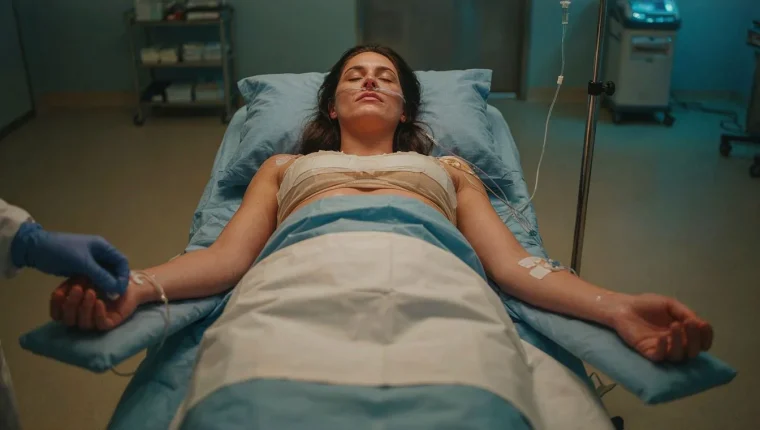
After breast reduction surgery, most patients want to know when they can return to normal life—when soreness fades, they can drive, lift their kids, or sleep on their side again. Recovery varies, but it follows a predictable pattern: the first week feels the tightest, swelling starts to settle around week two, light activity usually returns by week three or four, and the final shape keeps refining for several months. Knowing what to expect day by day makes the process less stressful because you can plan around real milestones instead of guessing.
Here’s a clear, no-fluff walkthrough of the breast reduction recovery timeline, from the moment you leave the operating room to the day you feel fully like yourself again.
The First 48 Hours After Surgery
Waking up from the operating room feels disorienting, and the first two days set the emotional and physical tone for everything that follows. Most patients spend this window in the recovery suite or, if cleared, resting at home under the watch of a trusted adult. Pain is usually at its peak during this stage, so the surgical team will provide a tailored medication schedule along with instructions on how to rotate positions safely in bed.
Drains, if placed, are monitored closely, and the first gentle walk—usually to the bathroom and back—happens within hours of surgery. You’ll be encouraged to take it slowly, sip fluids, and keep your upper body slightly elevated to ease swelling.
Expect grogginess, tenderness, and limited arm mobility; these reactions are completely normal and begin to settle as the anesthesia leaves your system. Wearing the prescribed surgical bra around the clock supports the new contour and helps minimize fluid buildup, so keep it on even while sleeping.
By the end of day two, the sharp sensations often soften into a deep, manageable soreness, giving you your first real glimpse that healing is underway.
Week Two to Six and Easing Back Into Movement
Once the first week is behind you, the pace of recovery picks up in a way that feels genuinely encouraging. Many patients notice that swelling begins to settle, incision lines feel less tender, and everyday tasks around the house become noticeably easier. Energy levels often start to climb back toward normal, though fatigue can still creep in after longer periods of activity. This is also the window where light movement shifts from simply being allowed to actively helping the healing process along.
Returning to motion needs to feel intentional rather than rushed. A measured approach protects the chest from strain while still encouraging circulation, flexibility, and a gradual return of confidence in the body. Most surgeons map out a tiered plan during follow-up visits, and that guidance is the single most reliable reference point for what is safe at any given week.
- Walking is typically the first and safest form of exercise, beginning with short indoor laps and slowly extending to longer outdoor strolls as comfort allows.
- Light household tasks such as preparing simple meals, tidying surfaces, and folding laundry can usually resume, with care to avoid lifting anything heavier than roughly five to ten pounds.
- Upper body stretching is generally limited to gentle shoulder rolls and arm swings, keeping movements below chest height to avoid pulling on incision lines.
- Driving often returns once pain medication has been stopped and the seatbelt no longer causes discomfort across the chest, which for many patients falls around the second or third week.
- Low-impact cardio such as stationary cycling on a recumbent bike or slow elliptical use may be introduced toward the end of week four, depending on how the incisions look at the post-op check.
- Strength training and high-impact exercise usually remain off the table until closer to six weeks, when most surgeons clear patients for a progressive return to their usual routine.
Throughout this stage, the surgical bra or recommended compression garment continues to play a quiet but important role, supporting the new breast shape and reducing the sensation of heaviness as tissue settles. Listening to the body’s signals matters more than any calendar date, since swelling, tightness, or sharp pulling at the incision site means it is time to dial activity back. Patients who pace themselves during weeks two through six often describe this period as the turning point where they begin to feel like themselves again, just a softer, more comfortable version.
Month Two to Four as Scars Begin to Fade

By the second month, the early phases of healing are largely behind you, and the body shifts into a slower, steadier rhythm of repair. Bruising has usually faded completely, and the swelling that defined the first weeks continues to settle, allowing the new breast shape to emerge more clearly. Most patients feel comfortable returning to a full exercise routine by the end of this window, including strength training and higher-impact activities that were previously off-limits.
Scar care becomes the central focus during this stage. Incision sites often look pink or slightly raised at two months, which is entirely normal. Consistent use of silicone-based scar therapy, gentle massage once your surgeon approves it, and diligent sun protection all help encourage flatter, softer, less noticeable lines over time. Sleeping positions matter too; many surgeons still recommend avoiding direct pressure on the chest for a few more weeks.
Around the three- and four-month mark, sensation often returns to areas that felt numb right after surgery, though subtle differences can linger longer. Swelling that comes and goes with hormonal cycles or physical activity is common, so trust that gradual refinement, not overnight change, defines this part of the breast reduction recovery timeline.
Long-Term Healing and Final Results
Around the six-month mark, most of the deeper healing is finished and the breast reduction recovery timeline moves into its quietest phase. Incision lines typically flatten and lighten from red to a soft pink or silvery tone, though they may continue refining for another year. Sensation in the nipples and surrounding skin often returns gradually, with occasional tingling or small zingers signaling nerve regrowth.
By this stage, swelling is rarely normal in a noticeable way, and the final breast shape settles into place. Cup size stabilizes, asymmetry (if any was present early on) becomes easier to evaluate, and bras fit predictably. Many surgeons schedule a final follow-up around nine to twelve months to confirm scar maturity, assess long-term results, and discuss any minor revisions if desired.
Long-term comfort is usually the most satisfying change: neck strain, shoulder grooving from bra straps, and skin irritation under the fold tend to be consistently reduced. Staying at a healthy BMI, protecting scars from direct sun for the first year, and keeping up with annual breast exams all help preserve the outcome over time.
Managing Pain, Swelling, and Common Side Effects

Discomfort is a normal companion during the early weeks of recovery, and learning how to handle it well makes the day-to-day much smoother. Postoperative pain management usually starts with the medication your surgeon prescribes, then shifts to over-the-counter options like acetaminophen or ibuprofen as the sharpest sensations fade. Staying slightly upright while resting, using cold compresses as directed, and wearing your surgical bra around the clock all help keep soreness from turning into a setback.
Swelling follows its own rhythm and rarely disappears on schedule. It often feels worse in the mornings or after a busy afternoon, so tracking how your body changes over the course of a typical week gives you a realistic picture rather than a moment-by-moment one. Helpful habits during this stage include:
- Sleeping on your back with the upper body gently elevated for the first two to three weeks to reduce fluid pooling.
- Drinking water consistently, since good hydration supports the lymphatic system as it clears excess fluid.
- Limiting sodium for the first month, because salty meals tend to make swelling more noticeable the next day.
- Wearing the compression garment exactly as recommended, since uneven pressure can prolong puffiness.
- Gentle walking every couple of hours while awake, which encourages circulation without straining the incisions.
Bruising, temporary numbness, itching along incision lines, and mild asymmetry between the two sides are also common side effects that tend to resolve on their own. Lightly moisturizing healed skin, protecting scars from sun exposure, and avoiding underwire bras until your surgeon gives the all-clear keep these issues from becoming longer-lasting concerns.
When to Seek Medical Attention During Recovery
Most of the discomfort, swelling, and bruising that follow breast reduction surgery sit within the range of normal healing, which is why earlier sections focused on expected sensations rather than red flags. The honest truth, though, is that recovery occasionally takes a turn your body signals before anything is visible in a mirror. Knowing how to read those signals protects the result you have waited months to enjoy.
Pain that suddenly intensifies after a stretch of steady improvement is one of the clearest warnings that something needs a closer look. A breast that becomes noticeably more swollen, hot, or firm on one side compared to the other can point to a fluid collection or early infection. Watch for redness that spreads outward from an incision, any opening of the wound edges, or fluid that looks cloudy, yellow, or frankly pus-like rather than the small amount of clear drainage that can happen early on.
Shortness of breath, chest pressure, a racing heart, lightheadedness when standing, or a tender, swollen calf deserve the same urgent attention you would give them outside of recovery. Call your surgeon’s office for fever above 101.5°F, persistent nausea that keeps you from staying hydrated, or pain that does not respond to the prescribed plan. Trusting your instincts and reaching out early almost always makes any issue smaller and easier to treat.
FAQs
How long until most swelling fades after the procedure?
Most of the visible swelling usually settles within two to three weeks, though mild puffiness can linger for up to six weeks in some cases. Following your post-procedure care instructions, especially regarding cold compresses and keeping the area elevated, really helps speed things along. If anything looks or feels off beyond that window, it's worth checking in with your provider just to be safe.
When can most patients safely return to non-strenuous work?
Most patients feel ready to get back to a desk job or other light, non-strenuous work within about 7 to 10 days after surgery, once discomfort and swelling have started settling down. Your surgeon will want to see you for a quick check first, but as long as pain is well controlled with simple oral medication and your wound looks clean, returning to a relaxed work setting is usually safe. If your job involves lifting, bending, or extended standing, expect a longer break and a gradual return.
What signs during healing should prompt an immediate call to the surgeon?
Call your surgeon right away if you notice any of the following: fever above 101°F, chills, increasing redness, swelling, warmth, or drainage around the incision; sudden or severe pain that is worsening rather than improving; new bleeding that soaks through dressings; shortness of breath, chest pain, or calf swelling; or any opening of the wound with visible tissue. These signs can indicate infection, bleeding, blood clots, or wound dehiscence, all of which need prompt evaluation. Trust your instincts—if something feels wrong or dramatically different from what you were told to expect, it is always safer to call sooner rather than later.