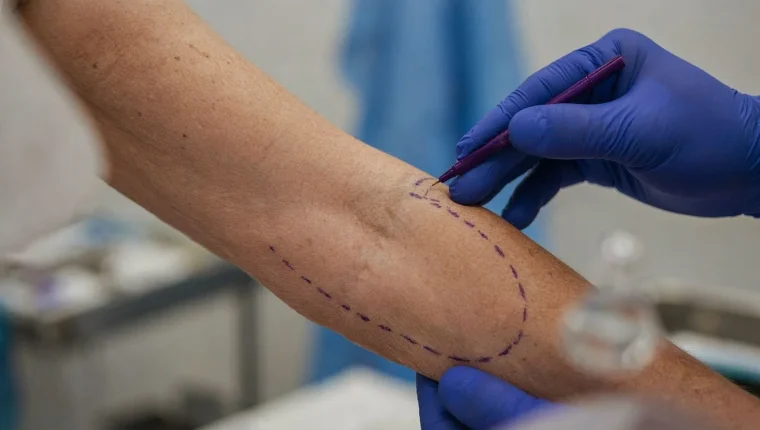
Loose upper-arm skin is a frustrating issue that diet and exercise alone often cannot fix. After major weight loss, aging, or years of gravity, many people find that their arms no longer reflect the effort they put into their bodies. A full arm lift removes excess skin and fat, reshaping the area from the elbow to the armpit in one procedure. The result is a tighter, more contoured arm that matches the rest of your physique. However, the surgery comes with a visible scar, recovery time, and real costs that deserve careful thought. Understanding both the pros and cons helps you decide whether the trade-off is worth it.
What Is a Full Arm Lift and How the Procedure Works
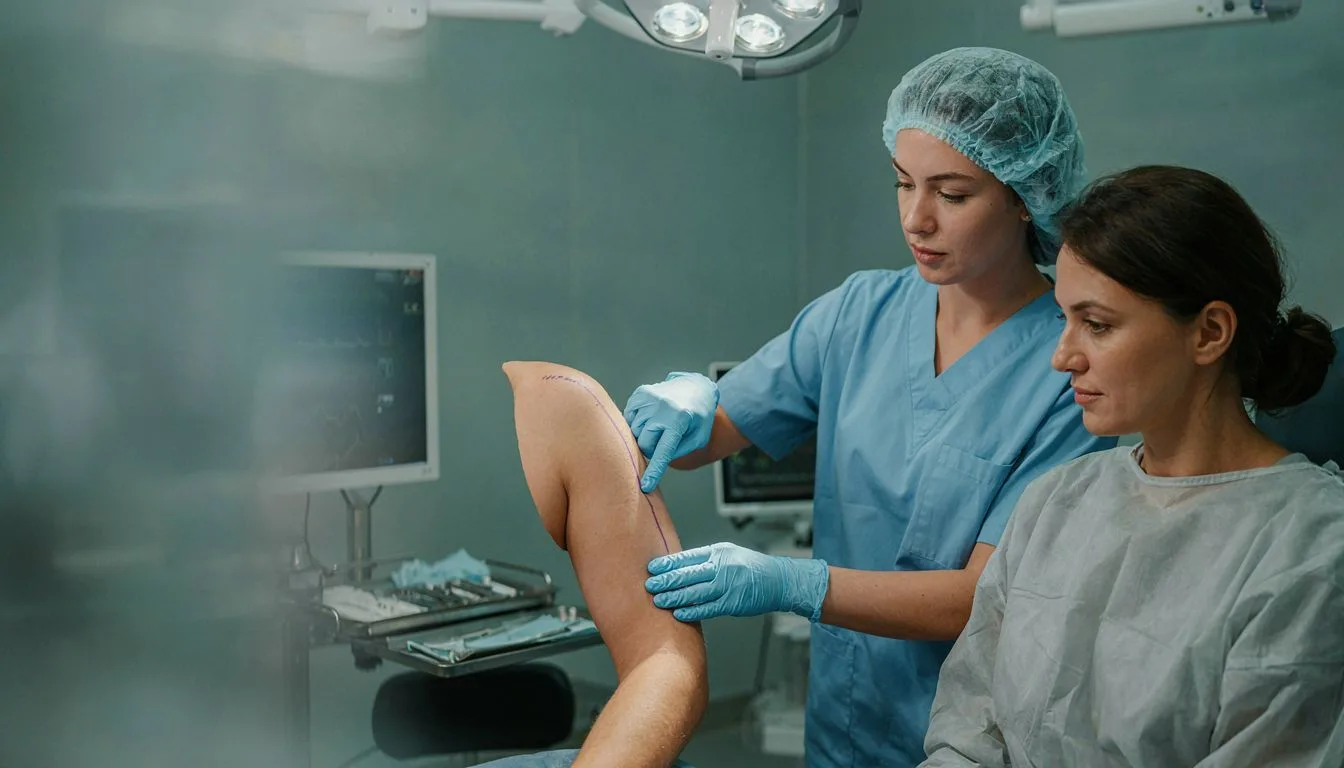
A full arm lift, medically called brachioplasty, is a surgical procedure designed to reshape the upper arm by removing excess skin and fat. The goal is not weight loss but rather a tighter, smoother contour from the elbow up toward the shoulder. Surgeons typically make an incision along the inner arm or the back of the arm, depending on how much tissue needs to be addressed and where it sits.
Once the incision is made, the surgeon removes loose skin and, in many cases, uses liposuction to thin out remaining fat deposits before tightening the underlying supportive tissue. The skin is then redraped and sutured into its new position. The length of the surgery usually runs between one and three hours, and it is most often performed under general anesthesia in an accredited surgical facility.
There are a few variations worth knowing. A mini arm lift uses a shorter incision hidden in the armpit and works well when only the uppermost portion of the arm needs correction. A standard or extended brachioplasty, on the other hand, runs further down the arm and is the option most people picture when they hear about dramatic upper-arm reshaping. Your surgeon will recommend the right version based on your skin quality, fat distribution, and how far the loose tissue extends.
Who Qualifies as a Strong Candidate for the Surgery
Not everyone walking into a consultation is automatically the right match for this surgery, and that is actually a good thing. The best outcomes tend to happen when a surgeon can clearly check several boxes during the evaluation. Getting familiar with these expectations beforehand helps you decide whether a full arm lift is something to pursue now, later, or perhaps through a different route entirely. Careful patient selection matters just as much as surgical skill, because the procedure removes a meaningful strip of tissue and recontours the arm from the armpit down toward the elbow. When the right combination of health, lifestyle, and anatomy comes together in a single candidate, the recovery tends to be shorter, the scar matures more predictably, and the final shape holds its character for years. That is why a thorough screening process is built into nearly every reputable brachioplasty practice, and why prospective patients should welcome those questions rather than view them as obstacles.
- Stable, near-ideal body weight maintained for at least several months, because weight fluctuations after the procedure can quickly undo the smooth contour the surgeon worked to create.
- Significant upper-arm skin laxity that does not respond to exercise, often following major weight loss, aging, or genetic predisposition, where the loose fold hangs noticeably when the arm is extended.
- Realistic expectations about scarring, since a brachioplasty incision typically runs along the inner arm from near the elbow to the armpit, and accepting that trade-off is part of being a suitable candidate.
- Good overall physical health with no uncontrolled conditions such as diabetes, blood-clotting disorders, or active infections that could compromise healing.
- A non-smoker status or willingness to quit for a defined period before and after surgery, because nicotine restricts blood flow and slows tissue recovery.
- Strong commitment to post-operative care, including wearing compression garments, attending follow-up visits, and protecting the arms from strain during the early recovery phase.
People who meet most of these markers usually find their surgical journey far smoother, both in the operating room and during the weeks that follow. Each item on the list plays a specific role in protecting both safety and aesthetics, so overlooking even one can raise the risk of complications or a result that falls short of expectations. If something on this list does not quite fit your situation, a candid conversation with a board-certified plastic surgeon can clarify what adjustments, timing changes, or alternative procedures might bring you closer to a safe, satisfying result. Bringing clear, honest answers about your medical history, your habits, and your goals allows the surgeon to tailor the plan to your body rather than the other way around. In the end, qualifying as a strong candidate is less about checking every box perfectly and more about demonstrating the awareness, stability, and motivation needed to support a long-lasting improvement.
Key Advantages Worth Knowing Before Saying Yes
When you weigh the decision carefully, the upside of a brachioplasty extends well beyond tighter skin. Patients frequently describe a quiet but meaningful shift in daily life: sleeves fit the way they should, straps stay put, and the constant awareness of loose tissue under clothing finally fades.
One of the most appreciated functional benefits of upper arm contouring is the freedom of movement it restores. Excess skin along the inner arm can chafe, trap moisture, and limit range during exercise. Once that tissue is removed, many people find themselves reaching, lifting, and swimming without that subtle friction getting in the way. Workouts feel smoother, and hygiene routines become simpler in the folds that used to irritate the skin.
The aesthetic gains tend to be just as lasting. Because the procedure targets the exact area where skin laxity collects, the upper arm takes on a more defined, proportionate silhouette that holds its shape as long as weight remains stable. Scars do remain, yet they typically settle along the inner arm where they are largely hidden in everyday poses.
Perhaps the least discussed advantage is confidence. Standing in a short-sleeve shirt, raising a hand in a meeting, or simply looking in the mirror without adjusting fabric tends to feel different in a way that friends notice before you do.
Potential Risks, Drawbacks, and Common Concerns

Every surgery carries trade-offs, and a brachioplasty is no exception. The most discussed drawback is scarring: an incision typically runs from the armpit down toward the elbow, and while surgeons place it on the inner arm where it can hide in shadow, it rarely disappears completely. Healing quality depends on genetics, skin tone, and how carefully you follow aftercare instructions.
Beyond the scar, there are real medical considerations. Seroma formation, the buildup of fluid beneath the skin, is one of the most common post-operative complications and sometimes requires in-office drainage. Infection, delayed wound healing, numbness or tingling from nerve irritation, and noticeable asymmetry between the two arms can also occur. Swelling and bruising may linger for several weeks, and the upper arms can feel tight or heavy until the tissues fully settle.
Cost is another practical concern. Because a full arm lift is usually considered cosmetic, insurance rarely covers it, leaving patients to budget for the surgeon’s fee, anesthesia, facility charges, compression garments, and any follow-up visits. Recovery also demands time away from exercise and heavy lifting, often two to four weeks before you feel comfortable returning to most normal routines.
Finally, results can shift if your weight changes significantly after surgery, since the remaining skin still responds to weight gain or loss. Planning the procedure once your weight has been stable for several months helps protect the outcome long term.
Comparing Arm Lift to Other Body Contouring Options
Choosing an upper-arm procedure rarely happens in isolation. Most people weighing brachioplasty are also curious about what liposuction, non-surgical skin tightening, or a combined approach might offer for the same trouble zone. Each technique targets a different layer of the problem, so understanding how they diverge helps clarify why surgeons sometimes recommend one and not another.
The key is matching the dominant issue — excess fat, loose skin, or both — to the right tool:
- Liposuction alone removes localized fat through small cannulas but does not tighten hanging skin, so it suits patients with good elasticity and minimal laxity.
- Non-surgical skin tightening (radiofrequency, ultrasound, or laser devices) offers gradual collagen remodeling with no scars, yet results are modest and rarely match surgical correction for moderate to severe laxity.
- Limited-incision brachioplasty uses a shorter scar hidden in the armpit and works best when laxity sits close to the upper third of the arm.
- Extended brachioplasty addresses skin excess that continues onto the lateral chest wall, often combined with a breast lift or chest contouring.
- Brachioplasty with adjunctive liposuction is the most common pairing, allowing fat sculpting and skin excision in a single operation for smoother transitions.
What separates a full arm lift from the alternatives is its ability to remove a meaningful amount of redundant skin in one step, something energy-based devices and liposuction alone simply cannot replicate. When the priority is reshaping rather than modest refinement, that surgical scope usually justifies the trade-offs already discussed earlier in the article.
Recovery Timeline, Costs, and How to Choose a Surgeon
Recovery from a full arm lift usually unfolds over four to six weeks, with most people returning to desk work in ten to fourteen days and waiting at least six weeks before lifting anything heavier than ten pounds. Swelling and tightness fade gradually, and the scar’s appearance continues refining for up to a year, so patience matters as much as aftercare.
Costs vary widely depending on geography, anesthesia fees, and whether liposuction is combined with skin excision. In the United States, all-inclusive pricing often falls between $8,000 and $15,000, and insurance rarely helps unless the procedure addresses documented functional issues like recurrent rashes or restricted mobility. Transparent estimates during your consultation prevent unwelcome financial surprises later.
Choosing the right surgeon shapes everything that follows. Look for board certification in plastic surgery, hospital privileges, and a portfolio of brachioplasty results that match your aesthetic goals. Ask how many arm lifts the surgeon performs annually, request detailed before-and-after photographs of patients with similar body types, and confirm who handles after-hours concerns. A surgeon who welcomes your questions and explains trade-offs openly is far more likely to deliver results you’ll feel good about long after recovery ends.
FAQs
How painful is the recovery after a full arm lift?
Recovery after a full arm lift involves moderate discomfort, typically managed with prescribed pain medication for the first several days. Most patients describe a tight, pulling sensation rather than sharp pain, with swelling and bruising lasting two to three weeks. By the third or fourth week, most people feel significantly better and can resume light daily activities, though full exercise and heavy lifting are usually restricted for about six weeks to protect the healing incisions.
Who is considered the ideal candidate for this procedure?
The ideal candidate is someone in good overall health, at or near a stable weight, and bothered by significant skin laxity or stubborn fat along the upper arms that has not responded to diet and exercise. Non-smokers with realistic expectations about scarring and recovery tend to achieve the most satisfying results from a full arm lift.
What are the main benefits and drawbacks of a full arm lift compared to less invasive options?
A full arm lift delivers the most dramatic reshaping by removing significant loose skin and stubborn fat from the elbow to the underarm, which less invasive treatments like liposuction or skin-tightening procedures simply can't match when there's true excess tissue. The trade-off is a longer scar, several weeks of downtime, and higher cost, plus the usual surgical risks such as swelling, numbness, or healing issues. Minimally invasive options involve smaller incisions, quicker recovery, and lower expense, but they often leave patients underwhelmed when moderate to severe skin laxity is the real concern. Choosing between them really comes down to how much loose skin you have versus how willing you are to accept a more involved recovery in exchange for a tighter, more sculpted result.