Choosing a breast implant removal clinic in Turkey requires more than comparing websites or package prices. The right decision should reflect surgeon expertise, facility safety, treatment planning, overall value, and continuity of care. Promotional claims can be difficult to assess, so focus on verifiable information, including professional credentials, relevant surgical experience, clear consultation details, and realistic follow-up arrangements. International patients also need to consider communication, travel timing, medical records, and support after returning home. This guide explains how to assess these factors without endorsing a specific provider, assuming a particular medical history, or treating every clinic package as equivalent. Looking beyond marketing language can help you ask more useful questions and make a better-informed comparison before arranging breast implant removal surgery.
What Qualifications Should a Breast Implant Removal Surgeon Have?

A qualified breast implant removal surgeon should have verified specialist training in plastic, reconstructive, and aesthetic surgery, with a current licence to practise in the country where the operation will take place. Check the surgeon’s registration through an authoritative medical regulator and confirm that their scope of practice includes the type of surgery being offered. Membership of recognised professional bodies can provide additional reassurance, but it should support—not replace—official credential checks.
General cosmetic surgery experience is not enough on its own. Ask how regularly the surgeon performs explantation and whether they manage procedures that may be associated with it, such as a capsulectomy, breast lift, or correction of significant tissue changes. Experience should be relevant to your anatomy, implant history, and goals rather than based only on an impressive total number of operations.
During communication, pay attention to whether the surgeon explains realistic options, potential complications, scarring, changes in breast shape, and the possibility that results may be difficult to predict. A trustworthy surgeon should answer questions clearly, acknowledge uncertainty where it exists, and avoid promising a guaranteed appearance. This discussion also reveals whether you are communicating directly with the surgeon or receiving generic advice from a coordinator.
Ask to see genuine, relevant before-and-after cases, ideally involving patients with similar starting conditions. Photographs can illustrate technique and typical outcomes, but testimonials and online ratings are not clinical proof. The most useful evidence combines verified qualifications, focused explantation experience, transparent communication, and results presented without misleading editing or selective claims.
How to Assess Clinic Safety and Surgical Standards
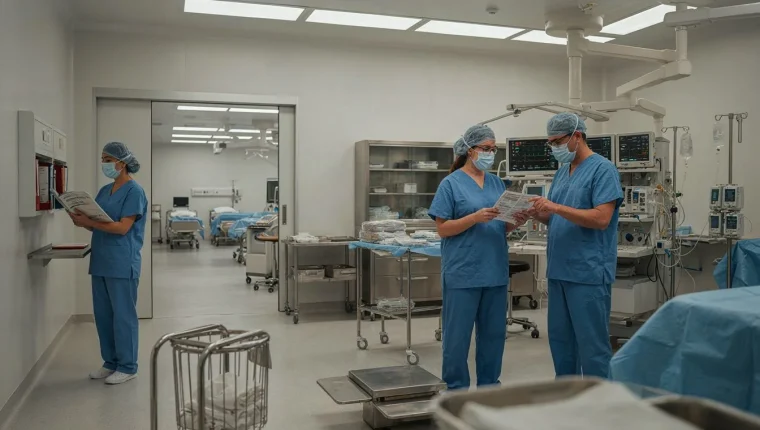
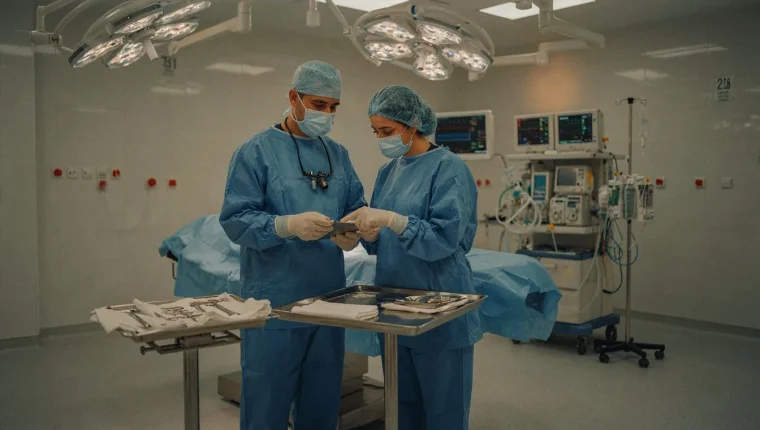
Clinic safety begins with checking the facility, not just the surgeon. Confirm that the operation will take place in a properly licensed hospital or surgical centre, and ask which organisation issued its licence. Accreditation can provide an additional quality signal, but it should be current and independently verifiable rather than presented only as a logo on a website.
Ask how the operating room manages sterilisation, surgical-site infection prevention, and equipment maintenance. The clinic should also explain who will provide anaesthesia, what monitoring is used during surgery, and whether a qualified anaesthesia professional remains responsible throughout the procedure. Vague references to a “medical team” are not enough; you should be given the relevant roles and names before consenting.
Emergency readiness is equally important. Find out whether the hospital has immediate access to resuscitation equipment, blood-testing facilities, imaging, overnight observation, and specialist support if complications occur. Confirm who will assess you after surgery and where you would be treated if bleeding, infection, breathing problems, or an unexpected reaction developed. These arrangements should be clear before you travel.
Finally, verify safety claims through official licensing records, written hospital documentation, and direct communication with the facility. Independent patient reviews may reveal organisational patterns, but they cannot establish clinical standards. Be cautious if a provider avoids specific answers, pressures you to book quickly, or cannot identify its emergency escalation protocol.
What Should Be Included in Your Consultation and Treatment Plan?
A productive consultation should turn your personal goals and medical history into a clear, individualised treatment plan. Before the appointment, gather implant cards, previous operative reports, imaging, details of earlier breast procedures, current symptoms, medical conditions, allergies, and a complete list of medications or supplements. These records help the surgeon understand your implant type, placement, age, and any factors that may affect healing or anaesthesia.
Ask the surgeon to explain which options may suit your situation, including removal alone, partial or total capsulectomy, replacement, or additional contouring procedures such as a lift. The recommendation should follow a physical examination that considers skin quality, breast tissue, implant position, asymmetry, and signs of rupture or contracture. Investigations should be requested when clinically indicated, rather than presented as routine requirements without explanation.
Your written plan should set out the proposed procedure, expected scars, anaesthetic approach, important risks, likely discomfort, activity restrictions, and estimated recovery milestones. It should also explain what may happen if the surgical findings differ from expectations and when revision surgery could be considered. Ensure that informed consent covers the specific procedure, material risks, alternatives, and the possibility that appearance or symptoms may not improve exactly as hoped.
Before deciding, confirm what you will receive in writing: the treatment recommendation, operative documentation, medication instructions, warning signs, emergency contact route, and scheduled follow-up. Ask who will review you after surgery, how remote concerns are handled, and what communication is available if you return home soon after treatment. These details show whether the proposed care is organised around your individual needs rather than a standard package.
How to Compare Costs, Travel Support, and Aftercare

Price comparisons are meaningful only when each clinic is quoting the same scope of care. Request an itemized quotation that separates the surgeon’s fee, hospital or facility charges, anesthesia, preoperative tests, medications, compression garments, and any planned overnight stay. Ask which possible extras are excluded, such as additional procedures, laboratory work, extended monitoring, or treatment for an unexpected finding.
Travel assistance should also be described precisely rather than presented as a general promise. Confirm whether the package includes airport and clinic transfers, accommodation coordination, interpreter access, and help arranging appointments. Check who is responsible for scheduling each stage and whether the proposed local stay allows enough time for the planned reviews before you travel home.
Before booking, obtain the aftercare arrangements in writing. Ask when the first postoperative assessment will occur, how remote follow-up is conducted after departure, and which contact method is available for questions. Clarify cancellation terms, policies for revisions or complications, and the financial responsibility for an unexpected extended stay. These conditions can vary by provider and may change, so verify the current version directly with the clinic rather than relying on an old quotation, social media post, or verbal assurance.
How to Identify the Best Breast Implant Removal Clinic Turkey for Your Needs
Make your final choice by testing whether the clinic’s evidence fits your personal situation, rather than relying on polished before-and-after images or broad claims. Compare verified surgeon credentials, facility standards, treatment explanations, communication, and aftercare in writing. The proposed approach should reflect your implant type, time since implantation, symptoms, previous operations, and desired outcome.
Pay attention to how the team handles unanswered questions. Before paying a deposit or arranging travel, request written clarification about the procedure, possible complications, inclusions, and follow-up arrangements. A clinic that pressures you to decide quickly, provides vague information, or avoids discussing risks deserves further scrutiny. The strongest choice is usually the one offering consistent, verifiable information that matches your medical needs and practical circumstances.
FAQs
What qualifications should the surgeons at the best breast implant removal clinic in Turkey have?
Surgeons should be board-certified plastic surgeons with specialized training and substantial experience in breast implant removal, including complex cases involving capsular contracture or rupture. They should operate in accredited facilities, follow recognized safety standards, and provide clear information about risks, implant rupture evaluation, and possible breast lift or reconstruction options. Verify their credentials, surgical volume, complication rates, and independent patient reviews before choosing a clinic.
How can I verify a Turkey clinic’s safety standards and accreditation?
Verify the clinic’s Ministry of Health registration, international accreditations such as JCI or ISO, and the credentials and licensing of its doctors through official databases. Ask for current certificates, inspection records, infection-control protocols, emergency arrangements, and transparent complication or revision policies, then confirm the information independently with the accrediting organization. Review recent patient feedback across multiple reputable platforms rather than relying solely on testimonials published by the clinic.
What costs should I expect for breast implant removal in Turkey, including follow-up care?
Breast implant removal in Turkey typically costs around €2,000–€4,500, depending on the surgeon, clinic, anesthesia, hospital stay, and whether a capsulectomy or breast lift is needed. Follow-up care may include medication, dressings, clinic reviews, and post-operative garments, which can add several hundred euros; confirm whether these services, complication management, and airport transfers are included in the package.