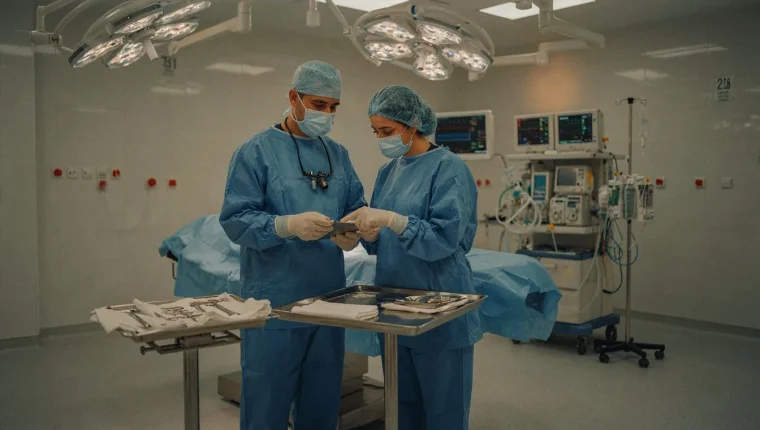
Choosing a breast implant removal surgeon in Turkey requires more than comparing prices or browsing before-and-after photos. The right decision depends on verified qualifications, relevant surgical experience, hospital standards, and a clear plan for your individual needs. This guide explains how to assess these factors and which questions to ask before booking treatment. Online information can help you prepare, but it cannot determine whether surgery is suitable for you. A proper consultation, review of your medical history, and discussion of your goals are essential before making any decision. Knowing what to check can help you approach the process with greater confidence and fewer surprises.
Why Consider Breast Implant Removal in Turkey?
Patients explore breast implant removal in Turkey for many different reasons. Some experience discomfort, capsular contracture, implant rupture, changes in breast appearance, or concerns related to older implants. Others may no longer want implants, prefer a different body image, or wish to address changes after pregnancy, weight fluctuation, or ageing. These motivations are personal, and none automatically determines whether removal is medically appropriate.
Choosing Turkey as a destination is a separate decision from deciding to remove the implants. Patients may consider its experienced private hospitals, international patient services, and potentially lower treatment costs, but these factors should not replace careful medical assessment. The most important step is an individualized consultation with a qualified surgeon who can review symptoms, implant history, examination findings, and realistic expectations.
During that consultation, ask what removal may involve for your specific circumstances and whether further evaluation is needed before surgery. A clear discussion helps you compare options based on your health and goals rather than relying solely on destination, package pricing, or online images.
How to Verify a Breast Implant Removal Surgeon’s Credentials
Before booking a consultation, confirm that the surgeon’s professional background matches the operation being considered. Online profiles and clinic marketing materials can be useful starting points, but they should not be treated as proof of current qualifications. A careful review helps distinguish a properly trained specialist from a provider whose experience is difficult to verify. This process should include checking the surgeon’s education, registration, relevant procedure experience, facility relationships, and supporting documentation so that you can make an informed decision before treatment.
- Specialist training: Check whether the surgeon completed recognized training in plastic, reconstructive, and aesthetic surgery, rather than relying only on short courses or general cosmetic credentials.
- Professional registration: Verify the surgeon’s registration and current standing with the relevant Turkish medical authority or professional institution. Look for any publicly recorded restrictions, suspensions, or disciplinary findings where these records are available.
- Procedure alignment: Ask whether the surgeon regularly performs breast implant removal and related breast procedures. Their qualifications should correspond to the planned operation, not merely to cosmetic surgery in general.
- Hospital or clinic affiliation: Confirm where the surgeon is licensed to operate and whether the stated facility relationship is current. The named surgeon, operating location, and consultation information should be consistent across official sources.
- Document review: Request the surgeon’s full name, registration details, and relevant certifications before making a deposit. Independent verification is more reliable than screenshots, testimonials, or translated promotional claims.
During consultation, ask the surgeon to explain which credentials apply directly to your proposed treatment and who would provide anesthesia or additional surgical support. A transparent response, supported by verifiable records, is an important sign that the surgeon takes informed decision-making seriously. You can also compare the information provided during the consultation with official registration records and the facility’s published details. Taking time to resolve inconsistencies before scheduling surgery can help you choose a qualified professional and a suitable setting for breast implant removal.
What to Look for in Surgical Experience and Technique
Assessing a surgeon’s experience means looking beyond the number of years in practice. Ask how frequently the surgeon performs implant removals and whether their experience includes both straightforward procedures and more complex cases, such as ruptured, displaced, or older implants. Familiarity with different clinical situations can help the surgeon plan for findings that may not be fully apparent before surgery.
A careful consultation should address the condition of the capsule, surrounding breast tissue, skin elasticity, and any existing asymmetry. Ask whether imaging or other assessments are needed to clarify the implant’s position and condition. The surgeon should explain how these findings may influence the operation, including whether capsule treatment is appropriate and what changes in breast shape or volume may be expected after removal.
Technique should be individualized rather than presented as a standard option for every patient. If a breast lift, fat grafting, or another revision procedure is being considered, ask why it may be suitable, what problem it is intended to address, and how it changes the surgical plan. The discussion should remain specific to your anatomy and goals.
Before making a decision, request representative before-and-after photographs of patients with comparable starting anatomy. Look for cases involving similar skin quality, implant size, asymmetry, or capsule concerns, rather than selecting a surgeon based only on their most dramatic results. Pay attention to incision placement, breast contour, and whether the outcomes appear consistent. The most useful evidence is relevant case experience, supported by a clear explanation of how the surgeon adapts technique to each patient.
How Clinic Safety Standards and Accreditation Protect Patients
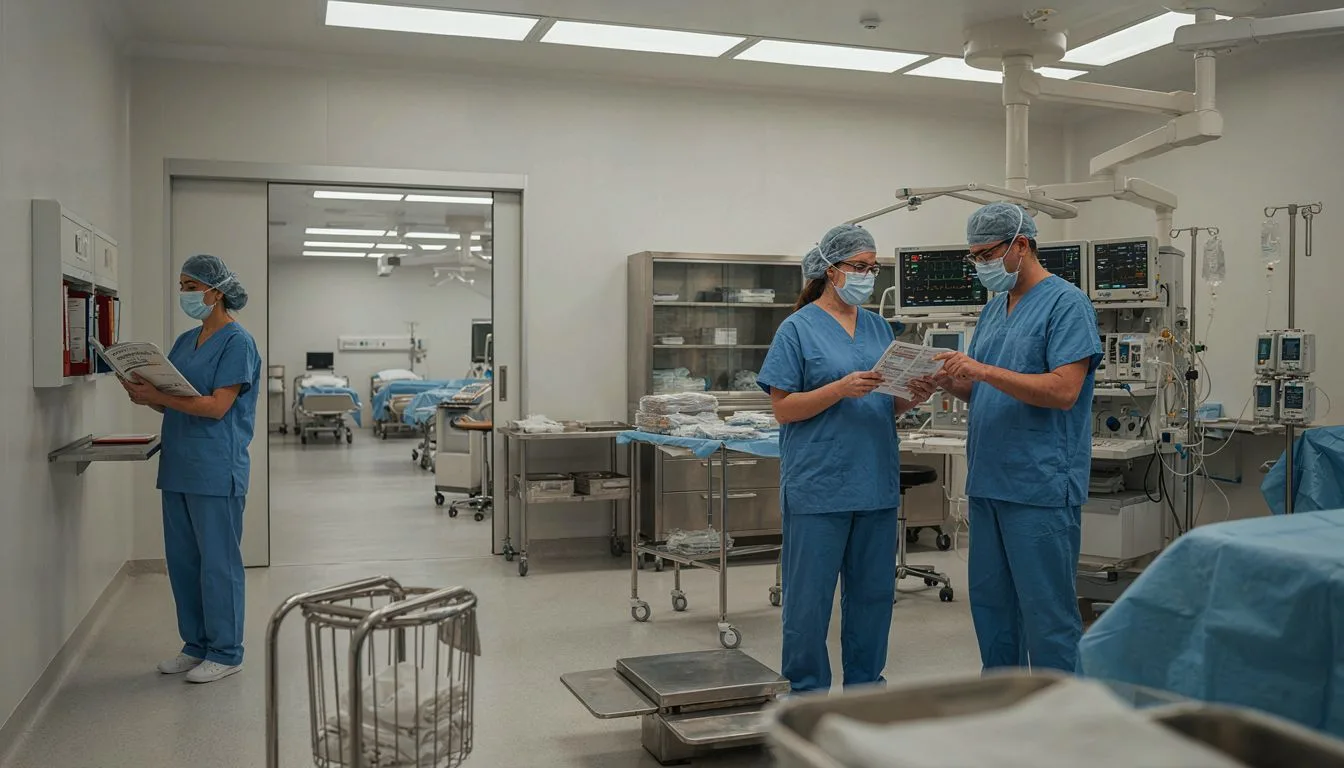
Clinic safety depends on the systems surrounding the operation, not only on the surgeon’s qualifications. Confirm that breast implant removal is performed in an appropriately equipped hospital or accredited surgical facility with reliable operating-room, recovery, and sterilisation procedures. Accreditation can indicate that the facility has been assessed against defined standards, although it should not replace your own questions about the planned treatment.
Ask who will provide anaesthesia and whether that clinician is qualified to manage surgical patients independently. The facility should use continuous monitoring during anaesthesia and recovery, with documented protocols for complications such as unexpected bleeding, breathing problems, or severe allergic reactions. It should also have a clear pathway to higher-level care if intensive monitoring, imaging, blood products, or urgent specialist support becomes necessary.
Infection prevention deserves specific attention. Ask how instruments are sterilised, how operating rooms are maintained, and how tissue, fluid, or removed implants are labelled and handled when examination is required. You should receive a clear explanation of the procedure, relevant risks, alternatives, anaesthesia, and consent documents in a language you understand. Facility accreditation and quality oversight belong to the hospital or clinic itself, so assess them separately from the surgeon’s registration, training, and case experience.
What to Ask About Recovery, Follow-Up, and Support Abroad

Arrange your aftercare before you travel, rather than treating recovery as something that begins after surgery. A clear plan should explain what happens when you leave the facility, how concerns will be handled from abroad, and how care can be coordinated if you return home while still healing. Before proceeding, ask the clinic to explain the practical stages of recovery, the timing of follow-up, and the support available throughout your journey. This preparation can help you understand what will be expected of you and how to obtain appropriate assistance if your recovery does not follow the anticipated course.
- Recovery timeline: Ask for individualized guidance on discharge timing, flight restrictions, wound care, showering, sleep position, driving, work, and physical activity.
- Scheduled reviews: Confirm when in-person checks will occur, whether remote consultations are available, and who will respond if symptoms change after departure.
- Warning signs: Request written instructions identifying symptoms that require urgent contact or assessment, together with an emergency telephone number that works internationally.
- Medical records: Confirm that you will receive operative notes, prescriptions, implant-related documentation where relevant, discharge instructions, and translated records suitable for a local doctor.
- Quoted costs: Check whether the fee includes surgery, facility care, medications, routine follow-up, and possible additional needs so that overseas support is not assumed to be included.
A responsible clinic should explain how communication continues once you are home and whether it can liaise with a local healthcare professional if necessary. Keep every instruction, medication detail, and contact number accessible during travel, and avoid booking flights or nonessential activities until the treating team confirms that your recovery stage makes them reasonable. It is also important to clarify how unexpected needs will be handled, including whether additional consultations, treatments, or changes to the recovery plan may involve separate costs. Having these details in writing can make it easier to follow medical advice and seek timely help while you are abroad or after returning home.
FAQs
How do I choose a qualified breast implant removal surgeon in Turkey?
Choose a board-certified plastic surgeon with specific experience in breast implant removal, including capsulectomy and en bloc removal when medically appropriate. Verify their credentials, hospital privileges, before-and-after results, patient reviews, complication rates, and access to qualified anesthesia and emergency care. Confirm that the clinic is licensed, request a detailed treatment and pricing plan, and schedule a consultation to discuss your goals, risks, recovery, and follow-up arrangements.
What should I check about a surgeon’s experience and credentials?
Check that the surgeon is board-certified or appropriately licensed for the procedure and has specific, substantial experience performing it. Review their hospital affiliations, training, complication and revision rates, and before-and-after results from verified patients. Confirm that they explain the procedure, risks, alternatives, and expected outcomes clearly during consultation.
What costs and aftercare should I expect when choosing a breast implant removal surgeon in Turkey?
Costs vary by surgeon, hospital, implant complexity, anesthesia, and whether a breast lift or corrective procedure is included, so request a written, itemized quote. Confirm what aftercare covers, including dressings, medications, follow-up visits, emergency support, and treatment of complications, and clarify whether travel, accommodation, and revision surgery are excluded. Choose a qualified, accredited surgeon and arrange follow-up care at home before traveling.