Breast implant removal in Istanbul may interest Canadian patients seeking treatment abroad, but choosing where to have explantation requires more than comparing clinic websites or quoted prices. The right plan depends on your medical history, implant details, breast tissue, symptoms, expectations, and access to follow-up care. This guide explains the key questions to consider before making a decision, from assessing whether removal is appropriate to understanding the procedure, recovery, communication, and travel planning. It also outlines practical ways to evaluate surgeons and clinics in Istanbul. Because every case is different, an online guide cannot confirm your suitability or predict your result; a detailed consultation and review of your medical records are essential.
Why Canadian Patients Choose Istanbul for Breast Implant Removal

For Canadian patients, Istanbul may be worth researching because it has an established international-patient infrastructure and offers access to surgeons who regularly assess people travelling for aesthetic and reconstructive procedures. Clinics may provide remote consultations, medical-record review, airport coordination, interpreters, and assistance arranging local appointments. These services can make early planning more manageable, particularly when the patient lives far from major Canadian surgical centres.
Cost and scheduling may also influence the decision, but neither should be assumed in advance. Prices, operating-room fees, implant or capsule-related needs, and available dates vary between clinics, so a current, itemised quotation is essential. Patients should also verify the surgeon’s qualifications, specialist registration, hospital privileges, experience with explantation, and approach to possible changes in breast shape.
International treatment brings added responsibilities. Before booking, Canadian patients should confirm who will provide aftercare, how urgent concerns will be handled, which records they will receive, and how their Canadian physician can communicate with the Istanbul team if necessary. The convenience of coordinated care matters, but it does not replace independent credential checks or careful medical decision-making.
Who Is a Good Candidate for Implant Removal?
Good candidates for implant removal are identified through an individual consultation rather than a single checklist. Patients may seek explantation because of capsular contracture, rupture, displacement, persistent discomfort, suspected implant-related problems, or a change in their personal preferences. Others simply want to return to their natural breast shape or avoid future implant monitoring and replacement.
The assessment should consider breast size and symmetry, skin elasticity, implant position, tissue thickness, previous operations, and the patient’s desired appearance. These factors help the surgeon explain how the breasts may look after removal and whether loose skin, volume loss, or asymmetry could remain. A patient who expects a specific result should discuss these expectations openly before consenting to surgery.
Implant removal is not automatically the same as removing the surrounding capsule. Depending on symptoms, implant type, scar tissue, and examination findings, the surgeon may discuss capsulectomy, a breast lift, or fat grafting. None of these procedures should be assumed to be necessary; each has its own benefits, risks, scars, and recovery requirements.
Candidacy also depends on general health, smoking status, medications, allergies, and previous breast surgery. The clinic may request operative records, implant details, mammography or ultrasound results, and updated imaging when clinically indicated. A thorough examination—whether completed in person or supported by appropriate medical records before travel—allows the surgeon to recommend a suitable plan and obtain informed consent based on realistic expectations.
What Happens During the Explantation Procedure?
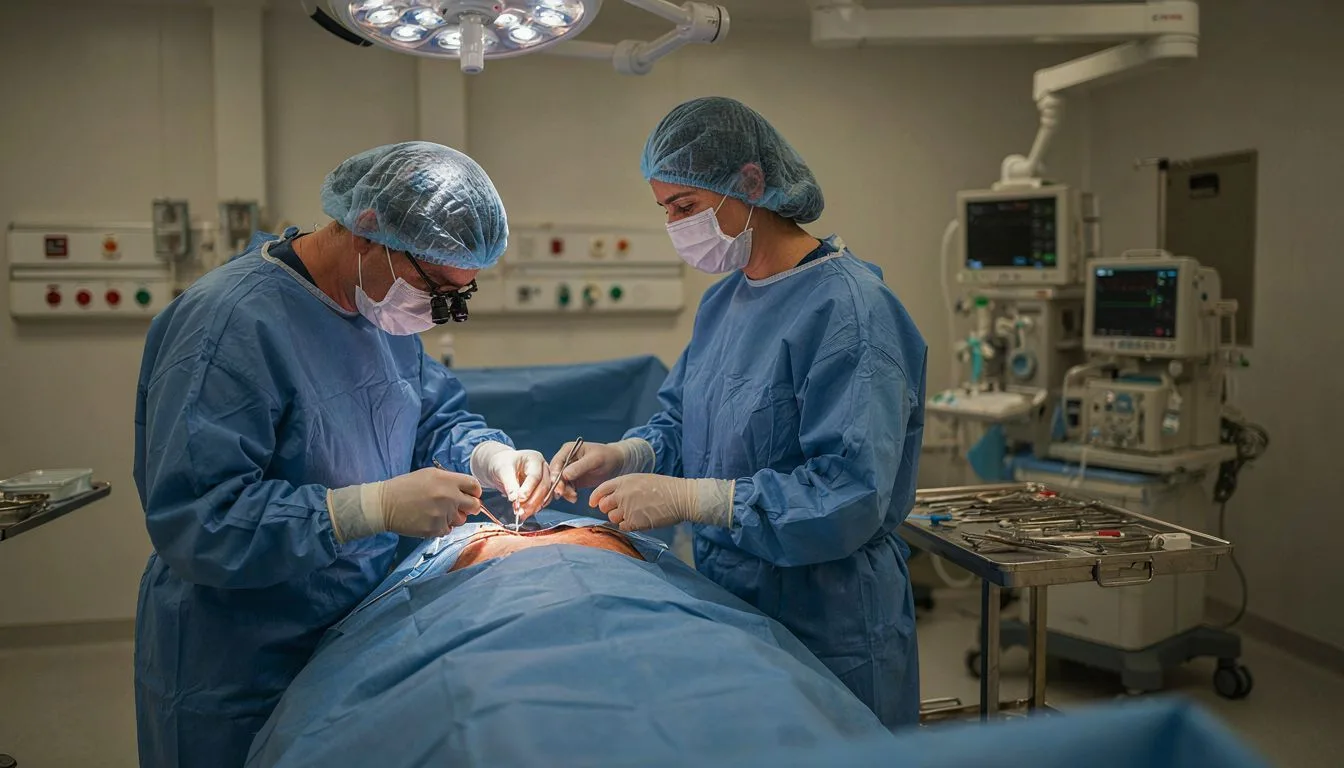
The explantation process begins with a final surgical review. The surgeon confirms your medical history, examines the breasts and existing scars, reviews implant records or imaging when available, and discusses the intended incision and expected shape. The breasts are usually marked before surgery, and the anaesthetist reviews your medications, allergies, and the safest anaesthesia plan. Consent should cover implant removal, possible capsule treatment, scarring, asymmetry, bleeding, infection, and the possibility that the operative findings require a change in technique.
During the operation, the surgeon commonly reuses the previous incision when this is practical. The implant is then freed from surrounding tissue and removed. Capsule management is tailored to what is found: a thin, healthy capsule may be left or selectively removed, while thickened tissue, contracture, rupture, fluid, or other concerns may justify a more extensive capsulectomy. The implant and capsule may be sent for examination according to the findings and the clinic’s pathology protocol.
If breast tissue has descended or the patient wants a higher, reshaped contour, a lift or other contouring procedure may be performed at the same time. This should be agreed in advance, including how it could affect operating time, scars, and fees. Ask whether drains are likely, what happens if rupture or unexpected tissue is discovered, and whether additional imaging or pathology review is recommended. The final operative plan can therefore differ from the initial outline, even when the overall goal remains implant removal.
Recovery, Follow-Up, and Travel Planning
Plan a recovery window that allows your surgeon to assess healing before you leave Istanbul. Early discomfort, tightness, swelling, bruising, and changes in breast shape are common, while prescribed pain relief can usually keep symptoms manageable. Follow the clinic’s instructions for wound care, showering, dressings, compression garments, and arm movement. Avoid strenuous activity, heavy lifting, and activities that increase pressure on the chest until you receive clearance.
Arrange accommodation close to the clinic for the first days, and consider having a companion available for transport, meals, medication reminders, and practical support. Keep your discharge instructions, operative report, implant information, prescriptions, and contact details together. Seek prompt medical review for worsening pain, spreading redness, fever, heavy drainage, sudden swelling, shortness of breath, or calf pain.
Follow-up may involve an in-person examination, wound photographs, video communication, or assessment by a local doctor after you return to Canada. Before travelling, confirm how the surgeon will respond to questions and what information a Canadian healthcare professional may need. Surgeon clearance should guide departure timing, because the appropriate interval depends on the extent of surgery, your healing progress, wound condition, and flight-related considerations. Choose a flexible ticket when possible, follow advice about movement and hydration during the journey, and arrange continuity of care with your family doctor or a breast specialist in Canada.
Costs, Clinic Standards, and Choosing a Surgeon in Istanbul
Comparing clinics starts with the surgeon’s qualifications, not the advertised package price. Verify specialist training, current licensing, hospital privileges, experience with explantation and capsule-related decisions, and the facility where surgery will take place. A clinic should also explain who provides anesthesia, nursing care, translation, and postoperative support.
Request a written quote that separates the surgeon’s fee, hospital and anesthesia charges, consultations, blood tests, garments, medications, follow-up, and any proposed add-on procedure. Ask whether unexpected overnight care or treatment of complications is covered. Check applicable licensing or accreditation, emergency arrangements, consent documents, and how medical records will be shared with your Canadian providers.
Before booking, ask who performs each stage, how you can contact the team after returning home, and what happens if healing requires review. Clear answers and complete documentation are more useful than an unverified claim of low cost or superior quality.
FAQs
What should Canadian patients know before choosing breast implant removal in Istanbul?
Canadian patients should verify the surgeon’s qualifications, hospital accreditation, implant-removal experience, and the clinic’s infection-control standards before booking treatment in Istanbul. They should obtain a detailed quote covering surgery, anesthesia, implants or fat grafting, medications, accommodation, and follow-up, and confirm how complications will be managed after returning to Canada. Allow sufficient recovery time before flying, arrange travel insurance that covers medical treatment, and share complete medical records with their Canadian healthcare provider.
How much does breast implant removal in Istanbul typically cost for Canadian patients?
Breast implant removal in Istanbul typically costs Canadian patients around CAD 3,500–7,000, depending on the clinic, surgeon’s expertise, anesthesia, hospital fees, and whether a capsulectomy or breast lift is needed. Request an itemized quote that confirms what is included, such as consultations, medications, accommodation, transfers, and follow-up care.
How long should Canadian patients stay in Istanbul after breast implant removal?
Canadian patients should typically plan to stay in Istanbul for about 7–10 days after breast implant removal, allowing time for the initial recovery and follow-up examination. The exact duration depends on the surgical technique, healing progress, and whether complications or additional procedures occur. Clearance from the surgeon is recommended before flying home.