Composite veneers can improve chipped, discolored, uneven, or slightly misshapen teeth in one dental appointment, often at a lower cost than porcelain veneers. The dentist applies the material directly to the tooth and shapes it, making it a practical option for patients who want a noticeable smile improvement without extensive treatment. However, composite veneers are not suitable for everyone. They are more prone to staining, wear, and minor damage than porcelain, especially when exposed to biting pressure, coffee, tobacco, or teeth grinding. The best candidates usually have healthy teeth and gums, realistic expectations, and cosmetic concerns that do not require major changes to tooth position or structure. Understanding the benefits, limitations, maintenance needs, and long-term value is essential before choosing composite veneers.
What Are Composite Veneers?
Composite veneers are thin layers of tooth-colored resin applied directly to the visible surfaces of teeth. Unlike porcelain veneers, which are fabricated in a dental laboratory and bonded later, composite material is shaped and hardened on the tooth during the appointment. This allows the dentist to adjust the shade, contour, and amount of coverage with considerable precision.
The material used is a light-cured composite resin, a blend of resin and fine glass or ceramic particles commonly used for dental restorations. After preparing the tooth surface, the dentist applies the resin in layers, sculpts it to improve the tooth’s appearance, and hardens each layer with a curing light. The surface is then polished to create a smoother, more natural-looking finish.
Composite veneers can address several cosmetic concerns, including minor chips, small gaps, uneven edges, mild discoloration, and slight differences in tooth shape. They generally require less removal of natural enamel than many porcelain veneer treatments, and in some cases, little or no drilling is needed. However, they are still a form of cosmetic dental treatment rather than a solution for active decay, untreated gum disease, or severely weakened teeth.
Because the resin is applied directly, the final result depends heavily on the dentist’s technique, the condition of the tooth, and the patient’s bite and oral habits. A proper assessment is therefore essential before treatment is recommended.
Composite Veneers Pros and Cons
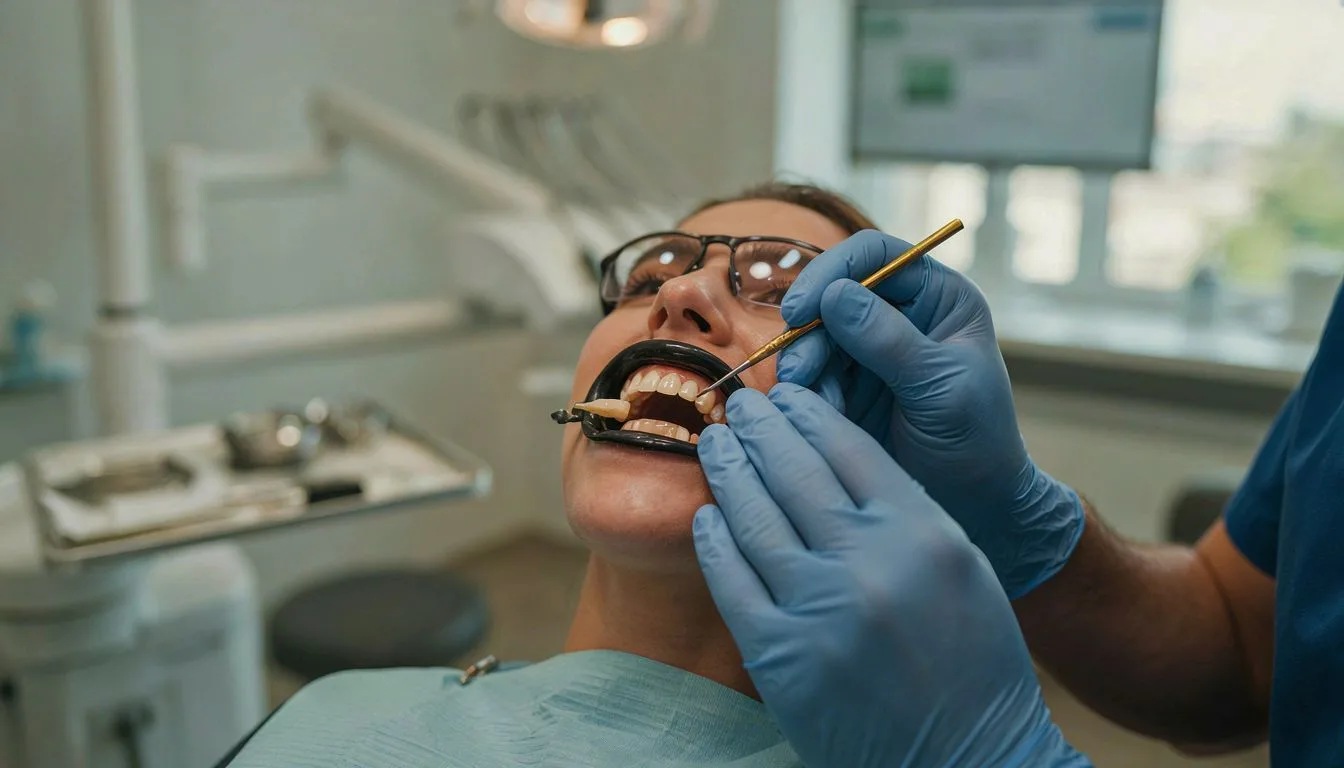
Composite veneers offer a relatively quick way to improve tooth color, shape, and minor chips, often with less enamel removal than porcelain veneers. Their main advantage is that the resin can be applied directly to the tooth and shaped during the appointment, making treatment more conservative and often more affordable.
Another benefit is repairability. If a small area chips or wears, a dentist can usually add or reshape composite material without replacing the entire veneer. The treatment can also be reversible in some cases, particularly when little or no enamel is removed. However, the final result depends heavily on the dentist’s artistic skill, the condition of the teeth, and the patient’s bite.
The most important limitation is stain and wear resistance. Composite resin is more porous and generally less durable than porcelain, so it may discolor from coffee, tea, red wine, or smoking. It can also lose its polish, chip under heavy biting forces, or require periodic maintenance. Patients who grind their teeth, bite hard objects, or have untreated cavities or gum disease may face a higher risk of failure.
Composite veneers typically have a shorter lifespan than porcelain veneers, although careful hygiene, regular dental visits, and a night guard when appropriate can help preserve them. They may be a practical choice for modest cosmetic changes, but they are not always the best option for extensive discoloration, major structural damage, or severe bite problems.
How the Composite Veneer Procedure Works
The composite veneer procedure is usually completed in a single appointment, although the exact process depends on the number of teeth being treated and the condition of the existing enamel. Your dentist first examines your teeth, discusses the desired shape and shade, and checks whether issues such as decay, gum disease, or an unstable bite need attention before cosmetic treatment begins.
After cleaning and lightly preparing the tooth surface, the dentist applies a bonding agent. The composite material is then placed directly onto the enamel and shaped gradually to improve the tooth’s length, contour, and appearance. A key part of this process is layering and light-curing the composite resin, which allows the dentist to build a natural-looking result and harden each section securely.
- Shade selection: The dentist chooses a resin color that complements your natural teeth or the brighter shade agreed upon during planning.
- Surface preparation: The tooth is cleaned and conditioned so the bonding system can attach the resin effectively.
- Resin sculpting: Composite is added in controlled layers and shaped to correct chips, gaps, uneven edges, or minor discoloration.
- Light curing: A dental curing light hardens the material before further refinement takes place.
- Finishing and polishing: The dentist adjusts the bite, smooths the edges, and polishes the veneers so they feel comfortable and appear glossy.
Because the material is molded directly on the tooth, the dentist can make small adjustments during treatment and preserve more natural enamel than with many indirect restorations. Mild sensitivity may occur temporarily, but most patients return to normal activities immediately after the appointment.
Who Are the Best Candidates?
The best candidates for composite veneers are people with generally healthy teeth and gums who want to improve minor cosmetic concerns. They can be particularly suitable for small chips, slight gaps, uneven edges, mild discoloration, or teeth that appear irregular in shape. Because the resin is applied directly to the tooth, the treatment can often preserve more natural enamel than procedures that require extensive preparation.
Ideal candidates should have realistic expectations and understand that composite resin is designed primarily for cosmetic enhancement, not to replace missing tooth structure caused by severe damage. A stable bite is also important. People who regularly clench or grind their teeth may place excessive pressure on the veneers, increasing the risk of chipping or premature wear. A dentist may recommend addressing bruxism or using a protective night guard before treatment.
Good oral hygiene and manageable dental health are essential. Active tooth decay, untreated gum disease, significant enamel loss, or untreated infection should be addressed first. Patients with extensive discoloration, major misalignment, or heavily damaged teeth may need alternative treatments, such as orthodontics, crowns, or porcelain veneers.
Healthy tooth structure is one of the most important factors when assessing suitability. During a consultation, the dentist will evaluate the teeth, gums, bite, cosmetic goals, and habits before deciding whether composite veneers are an appropriate and predictable option.
How to Care for Composite Veneers and Maintain Results
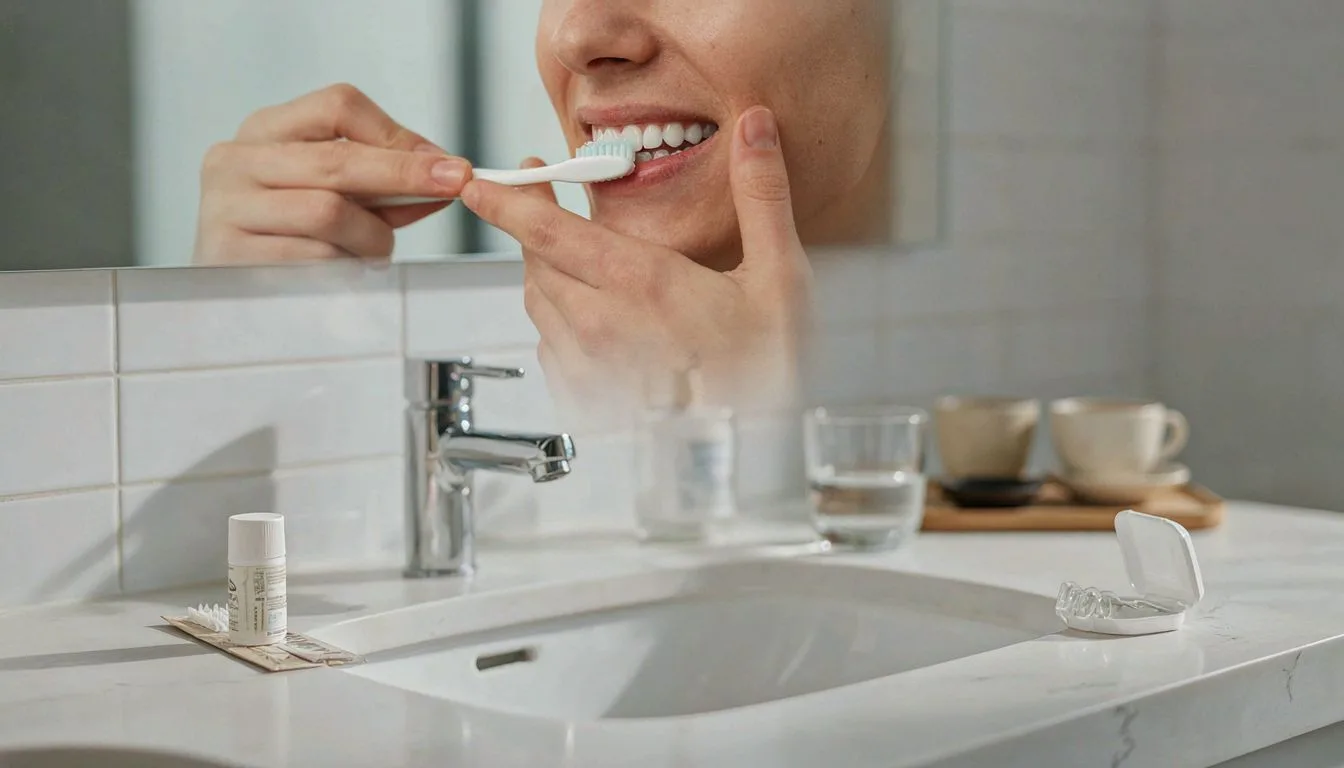
Daily habits have the greatest influence on how long composite veneers remain smooth, polished, and attractive. Brush twice a day with a soft-bristled toothbrush and a non-abrasive fluoride toothpaste, using gentle pressure along the gumline. Floss or use interdental cleaners regularly to remove plaque from the edges of the veneers and protect the surrounding gums and teeth.
Composite resin can be affected by strongly colored foods and drinks, particularly coffee, tea, red wine, and dark sauces. Rinsing with water after consuming them can reduce staining. Avoid biting directly into hard foods such as ice, hard sweets, and nutshells. Do not use the veneered teeth to open packages, hold objects, or chew pens, as concentrated pressure may chip the material.
Bruxism protection is especially important for people who clench or grind their teeth. A dentist may recommend a custom night guard to reduce excessive force during sleep. This is usually more protective and comfortable than an over-the-counter appliance.
Routine dental examinations and professional cleanings help identify small chips, rough margins, plaque buildup, or changes in the bite before they become larger problems. Composite veneers may be polished or repaired when appropriate, but they should not be whitened with bleaching products; whitening affects natural enamel, not the existing composite. Contact a dentist promptly if a veneer feels loose, sharp, painful, or suddenly changes color.
FAQs
What are the main Composite Veneers pros and cons compared with porcelain veneers?
Composite veneers are more affordable, require less enamel removal, and can often be repaired or completed in a single visit, but they are less stain-resistant and durable than porcelain veneers. Porcelain generally offers a more natural, stable appearance and can last longer with proper care, while composite may need polishing, repairs, or replacement sooner.
Who are the best candidates for composite veneers?
Composite veneers are best suited to people with healthy teeth and gums who want to improve minor chips, gaps, discoloration, or uneven tooth shape without extensive enamel removal. They work especially well for patients seeking a more affordable, minimally invasive, and reversible option than porcelain veneers. A dentist should first address untreated decay, gum disease, severe misalignment, or significant teeth grinding.
How long do composite veneers last, and what maintenance do they require?
Composite veneers typically last about 5–7 years, although careful care can help them last longer. Maintain them with regular brushing, flossing, dental checkups, and professional cleanings, and avoid biting hard objects or using your teeth to open packages. Composite can stain or chip more easily than porcelain, so your dentist may occasionally polish or repair it.