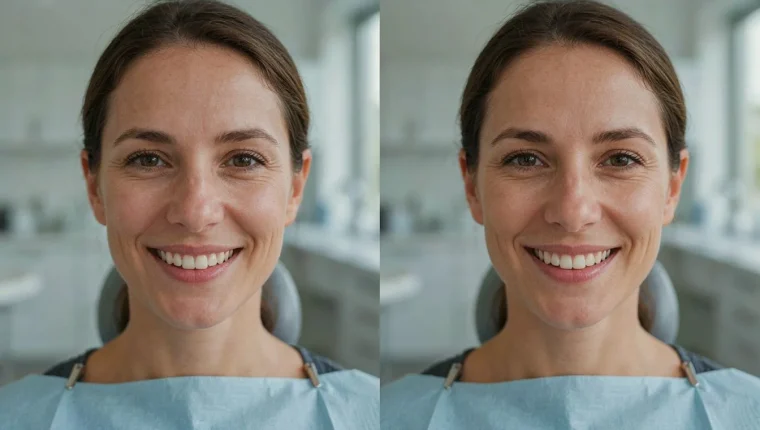
Choosing porcelain veneers can improve chipped, stained, uneven, or slightly misaligned teeth, but involves more than achieving a brighter smile. These thin ceramic shells bond to the front of the teeth and can provide natural-looking, durable results when the teeth and gums are healthy. However, treatment usually requires removing a small amount of enamel, making it irreversible. Veneers may also be unsuitable for people with untreated decay, gum disease, severe tooth wear, or habits such as frequent teeth grinding. Understanding the pros and cons of porcelain veneers helps you weigh appearance, longevity, maintenance, cost, and possible sensitivity against your personal dental needs. The best candidates typically have realistic expectations and are committed to good oral hygiene and regular dental care.
What Are Porcelain Veneers and How Do They Work?
Porcelain veneers are thin, custom-made shells designed to cover the visible front surfaces of teeth. They are typically fabricated from dental ceramic, a material chosen for its tooth-like translucency, stain resistance, and ability to mimic natural enamel. Veneers may be used to improve the appearance of discoloration, minor chips, uneven edges, small gaps, or slightly irregular tooth shapes.
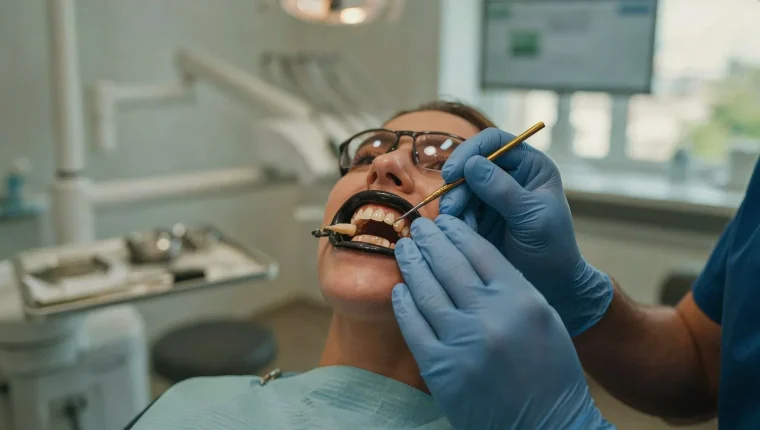
During treatment, a dentist usually removes a small amount of enamel from the front of each selected tooth to create space for the ceramic and establish a stable bonding surface. The amount varies according to the tooth’s shape, the desired result, and the type of veneer being used. Because enamel may be permanently altered, this treatment is generally considered irreversible.
After an examination and shade assessment, the dentist takes impressions or digital scans and plans the final design. The laboratory then creates veneers that fit the prepared teeth and complement the surrounding smile. At the placement appointment, the dentist checks the fit, color, and bite before bonding each veneer to the tooth with a strong dental adhesive.
Veneers are primarily cosmetic restorations rather than a treatment for weakened or unhealthy teeth. Any untreated decay, gum disease, significant enamel loss, or severe grinding habit should be addressed first. Their success depends on careful case selection, accurate bonding, and maintaining healthy teeth and gums underneath.
Porcelain Veneers Pros and Cons to Consider
Porcelain veneers can offer a significant cosmetic improvement when teeth have persistent discoloration, small chips, uneven edges, or minor shape concerns. Their lifelike translucency and resistance to surface staining make them especially appealing for patients seeking a refined, long-term smile enhancement. Because each veneer is designed for an individual tooth, treatment can also create a more balanced appearance without changing every visible tooth.
There are important limitations to weigh alongside these benefits. The procedure usually requires removing a small amount of enamel, so irreversible tooth preparation is one of the most significant considerations. Veneers may also chip, crack, or loosen, particularly when exposed to nail biting, ice chewing, teeth grinding, or other excessive forces. Although porcelain resists many stains, the natural teeth around the veneers can still change color, which may affect the uniformity of the smile over time.
Cost is another practical disadvantage, since veneers are generally considered an elective cosmetic treatment and may not be covered by dental insurance. They can also cause temporary sensitivity after preparation, and poorly fitting or damaged restorations may contribute to gum irritation or discomfort. Careful planning with a qualified dentist helps determine whether the expected cosmetic improvement justifies these commitments.
Veneers are not a substitute for treating active cavities, gum disease, or significant bite problems. Addressing those issues first can improve comfort, protect the supporting teeth, and reduce the risk of premature veneer failure.
Who Makes a Good Candidate for Veneers?
Veneers are most suitable for adults whose teeth and gums are healthy enough to support a long-term cosmetic restoration. Candidacy depends less on achieving a certain look and more on whether the underlying teeth can provide a stable foundation. A dental examination should assess enamel, bite alignment, gum health, and habits that could place excessive force on the porcelain.
- Healthy teeth and gums: Candidates should have controlled tooth decay, no untreated gum disease, and sufficient enamel for predictable bonding.
- Cosmetic concerns: Veneers may suit people with persistent discoloration, minor chips, small gaps, irregular shapes, or mildly worn front teeth that do not respond well to whitening or simple bonding.
- Realistic expectations: A good candidate understands that veneers improve appearance but do not create perfectly identical or completely maintenance-free teeth.
- A stable bite: People with severe grinding, clenching, or significant bite problems may need treatment or a protective night guard before veneers are considered.
- Good oral-care habits: Daily brushing, flossing, regular dental visits, and sensible use of the teeth help protect both the veneers and the natural teeth beneath them.
Patients with extensive decay, weak tooth structure, active gum disease, or insufficient enamel may need restorative or periodontal care first. Veneers may also be unsuitable when a major bite correction is required, since orthodontic or other treatment could be more appropriate.
Enamel preservation is a particularly important consideration because porcelain veneers usually require permanent tooth preparation. During consultation, the dentist should explain how much enamel would be removed, whether alternatives exist, and how the proposed result fits the patient’s facial features and long-term dental health.
What Does the Veneer Treatment Process Involve?
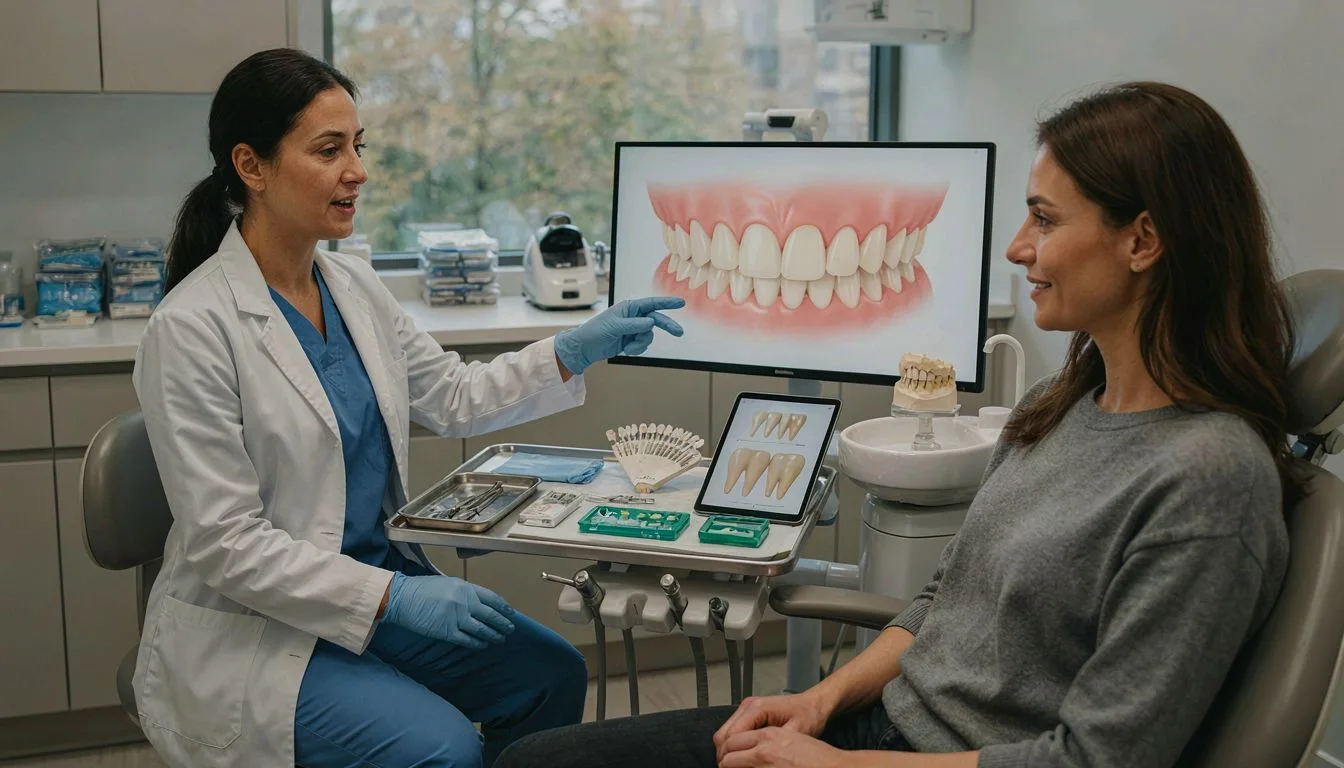
The veneer treatment process usually begins with a consultation and a careful assessment of your teeth, gums, bite, and cosmetic goals. Your dentist may take photographs, X-rays, digital scans, or impressions to evaluate whether veneers are appropriate and to plan the shape, shade, and overall appearance of your smile.
During preparation, a small amount of enamel is typically removed from the front surface of each tooth receiving a veneer. This creates space for the porcelain and helps the restoration fit naturally within your bite. Because this is an irreversible procedure, your dentist should explain the planned changes clearly before treatment begins. In some cases, a preview or temporary veneers can help you assess the proposed length, contour, and color.
After preparation, the dentist records precise impressions or digital scans and sends them to a dental laboratory, where each veneer is custom-made. Temporary veneers may be placed while you wait. They can protect the prepared teeth, although they may feel slightly different from the final restorations.
At the fitting appointment, each porcelain veneer is tried on and checked for shade, shape, contact points, and bite. Once you and your dentist are satisfied, the tooth is cleaned, the porcelain is treated to improve bonding, and the veneer is permanently cemented. Excess cement is removed, and your bite is adjusted if necessary.
How Long Do Porcelain Veneers Last and How Should You Maintain Them?
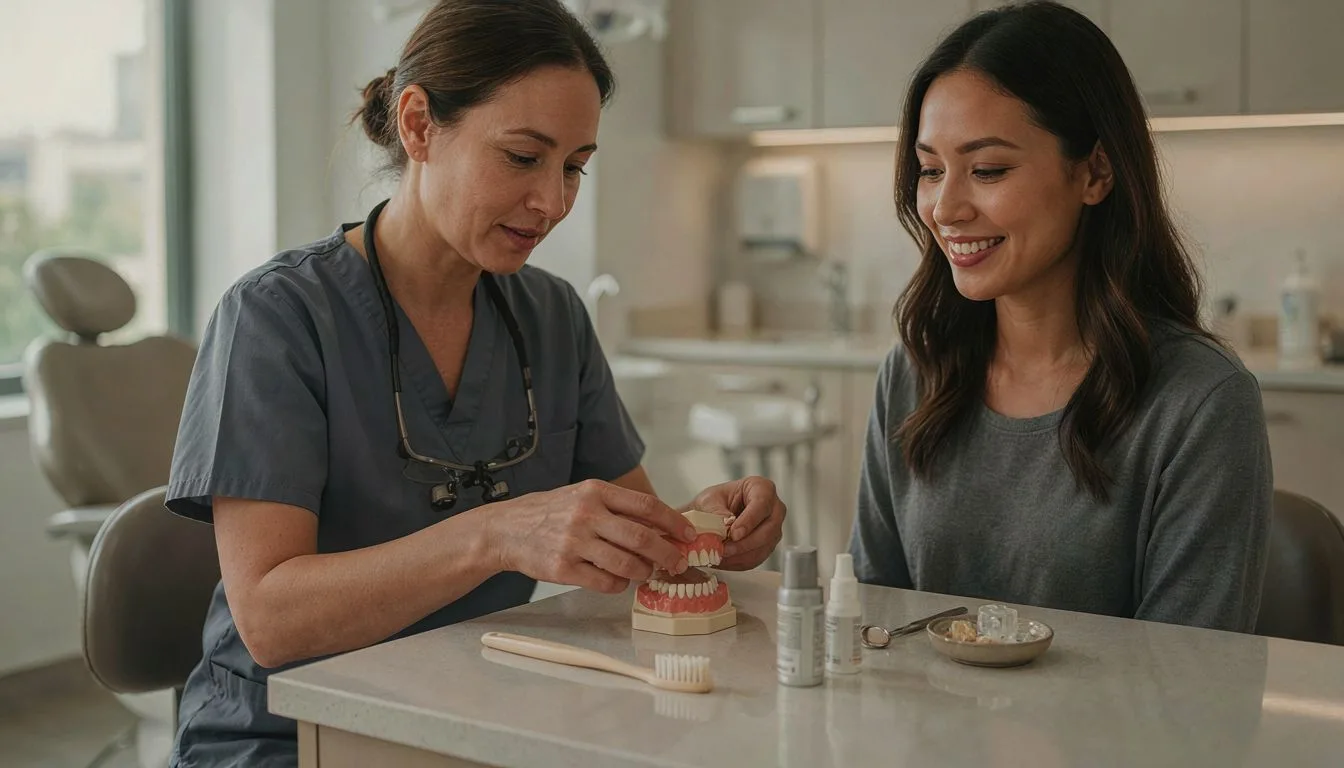
Porcelain veneers commonly last 10 to 15 years when they are well made, properly bonded, and cared for consistently. Some remain functional longer, but their lifespan depends on factors such as bite forces, enamel support, oral hygiene, diet, and whether you grind or clench your teeth. Veneers are durable, yet they can still chip, crack, loosen, or develop wear at the edges over time.
Daily care is similar to caring for natural teeth. Brush twice a day with a soft-bristled toothbrush and fluoride toothpaste, and clean between the teeth every day. Good oral hygiene protects the natural tooth structure and gum tissue surrounding the veneers. Regular dental examinations and professional cleanings also help your dentist identify early signs of gum inflammation, bonding problems, or damage.
Avoid using veneers to bite hard objects, open packages, or chew ice. Very hard foods should be approached carefully, particularly if you have a history of clenching. If nighttime grinding is present, a custom-fitted mouthguard may reduce excessive pressure and help protect both the veneers and the underlying teeth.
Veneers do not resist every type of staining indefinitely, even though porcelain itself is highly stain resistant. Limiting tobacco and frequently consuming strongly pigmented drinks can help preserve the surrounding smile’s appearance. If a veneer becomes damaged, do not attempt to repair it at home; contact your dentist promptly, since timely treatment may prevent further tooth damage.
FAQs
What are the main porcelain veneers pros and cons?
Porcelain veneers offer a natural-looking, stain-resistant smile enhancement that can correct chips, discoloration, gaps, and minor shape irregularities. Their drawbacks include higher cost, irreversible enamel removal, possible sensitivity or chipping, and the need for eventual replacement. They work best for people with healthy teeth and gums who maintain good oral hygiene and have realistic expectations.
Who are the best candidates for porcelain veneers?
The best candidates are adults with healthy teeth and gums who want to improve minor cosmetic concerns such as discoloration, chips, small gaps, or uneven shapes. They should have realistic expectations, good oral hygiene, and enough enamel to support the veneers. People with untreated decay, gum disease, severe grinding, or significantly weakened teeth may need treatment first or may be better suited to another option.
How long do porcelain veneers last, and what care do they require?
Porcelain veneers typically last 10–15 years, although careful maintenance can help them last longer. Brush twice daily with a nonabrasive fluoride toothpaste, floss regularly, attend dental checkups, and avoid biting hard objects or using your teeth to open packages. If you grind your teeth, a custom night guard can help protect the veneers.