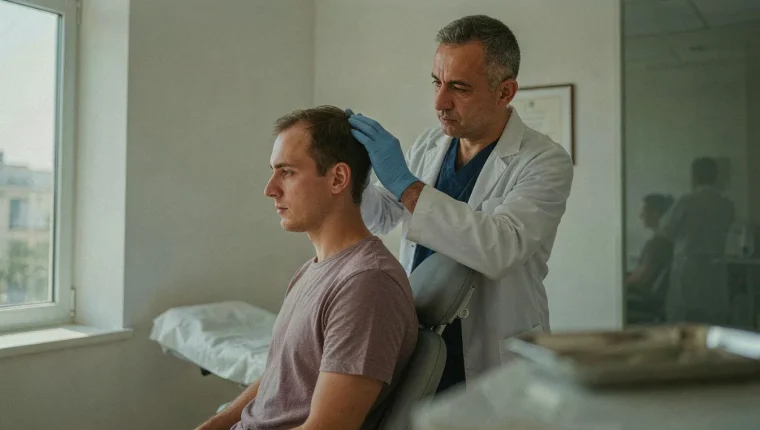
Choosing a hair transplant in Istanbul as a Canadian patient involves more than comparing package prices or before-and-after photos. You need to confirm that treatment is medically suitable, understand who will perform each stage, and know how planning will account for your hair-loss pattern, donor supply, and long-term goals. Travelling abroad can offer access to experienced clinics, but it also means arranging flights, accommodation, prescriptions, and recovery time away from home. Local treatment may make in-person consultations and follow-up simpler, while overseas care requires stronger communication and clearer aftercare arrangements. Before booking, verify the surgeon’s qualifications, the proposed technique, what the quoted fee includes, and who will support you if concerns arise after returning to Canada. A well-planned decision focuses on safe care, realistic expectations, and reliable continuity, not convenience or marketing alone.
Why Canadian Patients Choose Istanbul for Hair Transplants
Istanbul attracts many Canadian patients because it has a well-established medical tourism sector and a wide range of clinics offering hair restoration services. For someone comparing treatment options abroad, this can mean more appointment availability, experience with international visitors, and support with practical arrangements such as airport transfers or translated communication. These conveniences may make the process feel more coordinated than arranging every detail independently.
Patients may also perceive Istanbul as offering broader choice than their local market, particularly when comparing surgeon-led practices, clinic sizes, treatment approaches, and service packages. However, convenience should not be confused with suitability. Treatment standards, medical oversight, communication, and continuity of care can vary considerably between providers, just as they can in Canada.
Travel also introduces trade-offs. A Canadian patient must account for the distance, time away from work, communication across borders, and the possibility of needing assessment after returning home. Early swelling, discomfort, or questions about healing may be easier to manage when the treating team is nearby. For this reason, aftercare planning deserves attention before booking, rather than being treated as an optional service.
Istanbul may fit patients who value provider choice and coordinated international support, but the destination itself does not guarantee a good result. A responsible decision should prioritize appropriate candidacy, qualified medical care, clear communication, and dependable follow-up over attractive packages or destination appeal.
Choosing the Right Clinic and Surgeon in Istanbul

Choosing a provider in Istanbul should begin with medical accountability, not a package price or polished advertising. Canadian patients need to know who evaluates their hair loss, designs the treatment plan, and remains responsible for care throughout the procedure. A trustworthy consultation should examine the donor area, discuss the existing pattern of hair loss, and set expectations that match the patient’s age, goals, and likely long-term needs.
- Verify the surgeon’s qualifications: Confirm the doctor’s medical credentials, relevant hair restoration experience, and professional registration. Ask how frequently the surgeon performs these procedures and whether the surgeon will be present throughout treatment.
- Assess the consultation: The provider should explain the proposed hairline and donor-area plan using your photographs or an in-person examination, rather than promising a standard result for every patient. A rushed consultation can make it difficult to identify unsuitable expectations.
- Clarify staff responsibilities: Request a precise explanation of who performs extraction, anaesthesia, implantation, and clinical monitoring. In some clinics, technicians carry out much of the hands-on work, so this should be understood before booking.
- Review communication standards: You should receive clear answers in English, written treatment details, and a reliable contact for questions before and after travel. Be cautious if representatives avoid direct medical questions or pressure you to make an immediate payment.
- Request a complete cost breakdown: Confirm what the quoted package includes and excludes, such as consultations, medication, transfers, accommodation, additional nights, or treatment changes. Ask for emergency contacts and the clinic’s process if concerns arise after you return to Canada.
Before committing, compare the proposed plan with the consultation records and ask for written confirmation of any promises made by a coordinator. Before-and-after photographs can provide useful context, but they should show comparable hair-loss patterns, lighting, angles, and follow-up periods rather than only highly selected results.
A professional clinic should give you enough time to consider the decision and should explain why its plan suits your circumstances. If the consultation focuses mainly on discounts, guaranteed density, or a fixed graft number without a proper assessment, seeking an independent medical opinion may help you make a safer and more informed choice.
Hair Transplant Techniques and Candidacy

Technique selection should follow the pattern and cause of hair loss, not the name used in a clinic’s advertising. Follicular unit extraction (FUE) removes individual follicular units from the donor area, while direct hair implantation (DHI) is commonly used to describe implantation with a specialized pen after extraction. In practice, these approaches can overlap, and the quality of planning, extraction, and placement often matters more than the label.
Medical candidacy depends on several factors: a clear diagnosis, the stability of hair loss, donor density, scalp health, available grafts, and realistic expectations. A person with ongoing progressive loss may need a treatment strategy that includes medical management or staged surgery rather than an immediate large session. Scalp conditions, previous procedures, scarring, or limited donor supply can also affect whether transplantation is suitable.
During the consultation, ask how many grafts are recommended and why that number is appropriate. The plan should explain the proposed hairline, density goals, donor-area limits, and whether grafts will be distributed across one or several sessions. A responsible plan should protect the donor area instead of using as many grafts as possible in a single procedure.
It is also useful to ask whether the surgeon expects your hair loss pattern to remain stable and what alternatives exist if it progresses. A personalized examination, rather than photographs or a package description alone, should guide the final decision. If the recommended technique appears identical for every patient, request a clearer explanation of how your diagnosis, donor supply, and long-term goals influenced the recommendation.
Treatment Costs, Travel Planning, and Accommodation
Budgeting for treatment in Istanbul requires more than comparing advertised package prices. A reliable plan should show what you will pay, what the clinic will provide, and which expenses remain your responsibility. This helps you avoid unexpected costs and gives you a more meaningful basis for comparing providers. Before making arrangements, review the treatment, travel, accommodation, and payment details together so that your overall budget reflects the full practical cost of the trip.
- Confirm the treatment quote: Ask whether the price includes the consultation, procedure, planned graft range, medications, dressings, and any required clinical reviews.
- Check travel-related inclusions: Verify whether airport transfers, local transportation, hotel nights, meals, and taxes are included, and request the hotel name and accommodation terms in writing.
- Compare clinical value: Review quotes according to the surgeon’s involvement, who performs each stage, graft planning, and the aftercare arrangement rather than relying on the headline price alone.
- Prepare payment details: Clarify deposits, accepted currencies, card fees, cancellation rules, refund conditions, and the date when the remaining balance is due.
- Organize travel documents: Check passport validity, entry requirements, flight timing, travel insurance, and any documentation requested by the clinic or relevant authorities before departure.
- Plan for practical support: Decide whether a companion is needed, budget for additional nights or transport, and account for time away from work and normal responsibilities.
These checks can help you identify costs that may not appear in an initial package quote. Keep written confirmation of the appointment, hotel booking, transfer arrangements, clinic address, emergency contact, and the person responsible for communication during your stay. Flight schedules should allow flexibility in case the clinic changes the timing of your assessment or procedure.
Accommodation close to the clinic may simplify transport, but proximity does not guarantee suitable standards or convenient aftercare. Confirm check-in arrangements, accessibility, cancellation terms, and whether a companion can stay. Most importantly, separate confirmed inclusions from assumptions before paying a deposit, and contact the clinic and relevant authorities directly whenever travel, entry, insurance, or payment requirements are unclear.
What to Expect During Recovery and Aftercare
Recovery begins before you leave the clinic. You should receive written instructions covering graft protection, scalp care, medication use, and the symptoms that require prompt advice. The clinic should also explain who will answer questions after the procedure, how quickly they normally respond, and whether follow-up can be provided remotely once you return to Canada.
Washing usually starts according to the surgeon’s specific protocol. Early cleansing may involve a gentle application of lotion or shampoo without rubbing, scratching, or directing strong water pressure at the grafts. Sleep with your head elevated and avoid pressure on the treated area during the initial period. Strenuous exercise, swimming, contact sports, and activities that cause heavy sweating should be postponed until the clinic confirms they are safe. Protect the scalp from direct sun exposure, and do not apply hats, hair products, or topical treatments unless they have been approved.
Medication instructions should be clear, including the purpose, dose, duration, and possible side effects of each prescription. Mild swelling, tightness, tenderness, redness, and small amounts of crusting can occur, but worsening pain, spreading redness, pus, fever, heavy bleeding, or a significant allergic reaction warrants immediate medical advice. Keep the clinic’s emergency contact details accessible rather than relying on informal messaging alone.
Before travelling home, confirm that your planned departure fits the surgeon’s advice and that you understand any restrictions during transit. After arrival in Canada, arrange access to a family physician or walk-in medical service if needed, while keeping the Istanbul clinic informed through secure photos or scheduled video reviews. Consistent postoperative communication helps the treating team assess concerns and coordinate appropriate local care when an in-person review is not immediately possible.
Results, Follow-Up, and Managing Potential Risks
Hair growth after a transplant is gradual, so early photographs should not be mistaken for the final outcome. Newly implanted hairs may shed temporarily during the first weeks, while visible regrowth commonly develops over several months. Density and hairline appearance are usually assessed more meaningfully around six to nine months, with refinement continuing toward 12 months or longer depending on the individual.
Before leaving Istanbul, ask for written follow-up instructions, the clinic’s preferred communication channel, medication guidance, and a schedule for progress photographs. Consistent images taken in similar lighting and from the same angles help the surgeon compare healing and growth objectively. Keep copies of your operative report, graft estimate, prescriptions, and before-and-after photographs for any future consultation in Canada.
If healing appears unusual or growth seems delayed, contact the clinic promptly rather than relying on online comparisons. Describe when the change began, whether symptoms are worsening, and what products or medications you have used. Clear photographs can support a more useful assessment. Seek local medical care for urgent or severe symptoms, while informing the Istanbul team when appropriate.
During follow-up, discuss possible risks such as uneven growth, excessive scarring, infection, or limited density, as well as whether observation, medical treatment, or a corrective procedure could be considered. No ethical provider can guarantee an exact cosmetic result; outcomes depend on donor supply, healing, hair characteristics, and long-term hair loss.
FAQs
What should Canadian patients know about choosing a hair transplant clinic in Istanbul?
Canadian patients should choose an Istanbul clinic based on the surgeon’s qualifications, experience, verified results, and transparent pricing rather than package deals alone. Confirm who will perform each part of the procedure, review independent patient feedback, and ask about accreditation, emergency support, follow-up care, and what happens after returning to Canada. A reputable clinic will provide a personalized assessment and explain realistic outcomes without promising guaranteed results.
How much does a hair transplant in Istanbul typically cost for Canadian patients?
A hair transplant in Istanbul typically costs Canadian patients between CAD 2,500 and CAD 6,000, depending on the clinic, technique, graft number, and whether accommodation or transfers are included. Many clinics offer all-inclusive packages, but patients should confirm the surgeon’s qualifications, the exact procedure, and any additional costs before booking.
What aftercare and follow-up arrangements are available for hair transplant Istanbul Canadian patients?
Patients typically receive post-operative instructions, medication guidance, and remote check-ins after returning to Canada. The clinic should provide a dedicated contact for questions, review progress through photographs or video consultations, and coordinate with a local doctor if concerns arise. Follow-up timing varies, but assessments commonly continue over the first year as the transplanted hair develops.