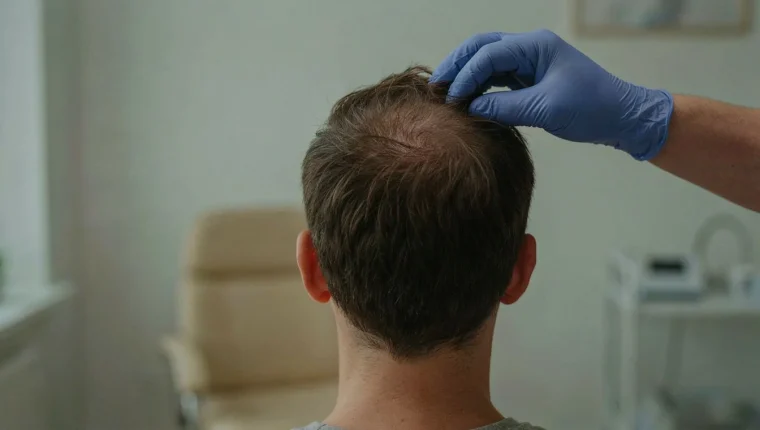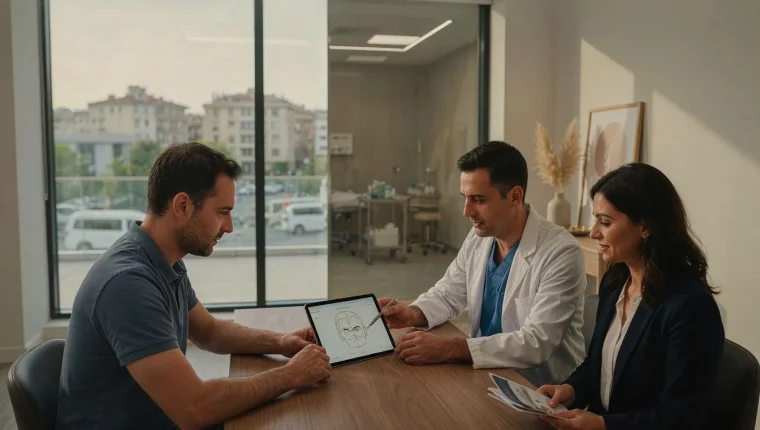
Hair loss can affect more than appearance. Changes in hair density may affect self-confidence, self-image, and emotional well-being, especially in social or professional situations. Hair restoration may help some people feel more comfortable with their reflection and daily appearance. The psychological benefits of a hair transplant are personal and not guaranteed. Results depend on factors such as expectations, hair growth, recovery, and individual circumstances. Hair restoration may support a healthier relationship with appearance, but the procedure has realistic emotional limits.
How Hair Loss Affects Emotional Well-Being

Hair loss can change how a person interprets their own appearance from day to day. Visible thinning may raise concerns about looking older, appearing less attractive, or losing control over an aspect of identity that once felt familiar. These thoughts are not universal, but they can make ordinary activities—choosing a hairstyle, looking in the mirror, or having photographs taken—feel more emotionally demanding.
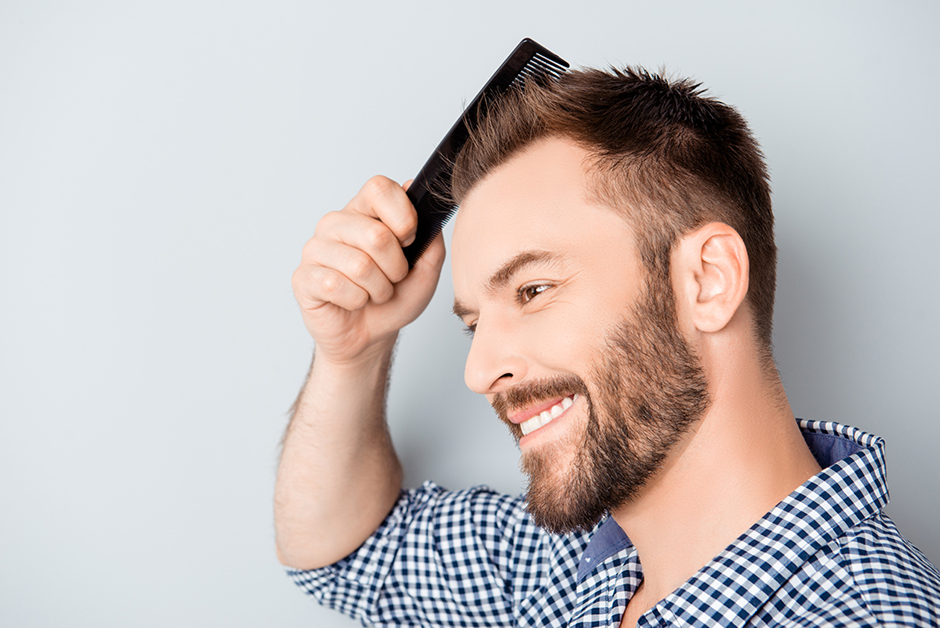
For some people, the main effect is increased self-consciousness. They may spend more time checking their hair, adjusting it under different lighting, or comparing their appearance with earlier photographs. This ongoing attention can reduce confidence and make social situations feel less comfortable, even when other people do not seem to notice the change. Feeling distressed does not prove that others are judging you; it often reflects the personal meaning attached to hair and appearance.
The emotional response also depends on age, identity, expectations, previous experiences, and the speed of hair loss. Some individuals adapt quickly, while others experience sadness, frustration, irritability, or a lower mood. Hair loss can also affect grooming habits and willingness to attend events, meet new people, or appear on camera. Recognizing these reactions can help separate realistic concerns from harsh assumptions about how others perceive you. If distress becomes persistent or interferes with daily life, speaking with a qualified mental health professional may be helpful alongside discussing treatment options with a hair restoration specialist.
The Psychological Benefits of Hair Transplant
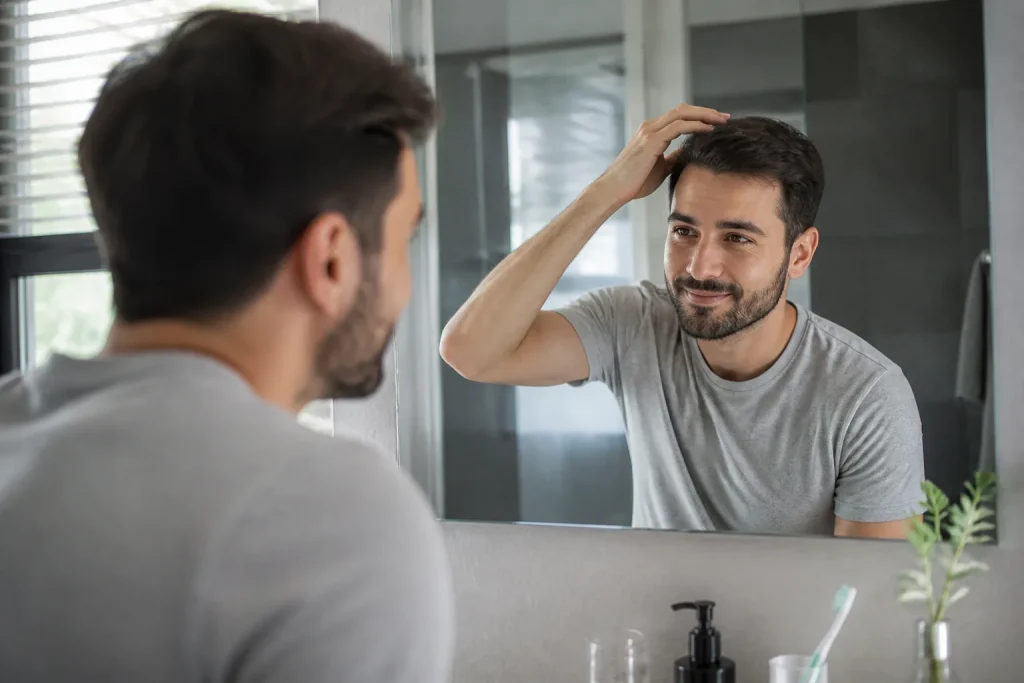
As hair coverage gradually improves after transplantation, some patients experience a more positive relationship with their appearance. Seeing new growth develop in the recipient area can make the reflection in the mirror feel more familiar and balanced, which may support greater satisfaction with personal appearance. These changes are often gradual rather than immediate, since transplanted follicles need time to recover and produce visible hair.
One possible benefit is reduced preoccupation with hair loss. A person who previously spent considerable time checking the hairline, adjusting hairstyles, or comparing photographs may feel less focused on concealment as density improves. This can create a greater sense of control over daily grooming choices. The emotional response may also include relief, renewed motivation, or greater willingness to care for the hair in a consistent way.
Improved appearance satisfaction can contribute to self-confidence, but its effect differs from one individual to another. Outcomes depend on factors such as the extent of hair loss, the quality of the donor area, healing, realistic expectations, and the final density achieved. FUE, DHI, and other hair restoration approaches may produce different experiences, so a consultation with a qualified clinician is essential before treatment.
Hair transplantation should not be viewed as a treatment for anxiety, depression, or low self-worth. It may support emotional well-being when concerns are mainly connected to visible hair loss, but it cannot resolve every source of distress. Patients may benefit most when they approach the procedure as one part of a broader self-care decision, with adequate aftercare and an understanding that psychological changes may develop alongside, rather than immediately after, hair growth.
Rebuilding Confidence in Social and Professional Life
Greater comfort with your appearance may make everyday social situations feel less effortful. Some people become less likely to avoid photographs, group activities, dates, or meetings because they are no longer concentrating as intensely on how their hair looks. This shift can make it easier to stay engaged in conversations and participate without constantly monitoring angles, lighting, or hair coverage.
Hair restoration may also change grooming habits. A person might spend less time arranging hair to conceal thinning areas, choose a wider range of hairstyles, or feel more at ease getting ready for work and social events. These practical changes can support a more positive self-perception, although they do not guarantee increased popularity, stronger relationships, or career advancement.
In professional settings, feeling comfortable with one’s appearance may encourage more natural eye contact, participation in meetings, and confidence during presentations. However, workplace performance depends on many factors beyond hair density, including preparation, communication skills, experience, and organizational culture. A transplant cannot remove every source of social anxiety or insecurity.
The most realistic expectation is that improved coverage may reduce appearance-related distraction and create more psychological space for daily interactions. Confidence is broader than hair density; lasting social and professional comfort also develops through self-acceptance, supportive relationships, and skills that reinforce a person’s sense of competence.
Managing Expectations During Recovery and Hair Growth

Recovery can bring emotional ups and downs because the visible changes often follow a slower timeline than the patient expects. Swelling, redness, or temporary discomfort may make the recipient area look unfamiliar during the early days, even when healing is progressing normally.
Temporary shedding can also be unsettling. Transplanted hairs may fall out before new growth begins, and hair density may appear uneven while follicles enter different growth cycles. These changes do not necessarily indicate a failed procedure. Gradual hair growth is a normal part of the restoration process, so judging the result too early can create unnecessary distress.
Online photographs and progress timelines can make recovery feel slower by encouraging constant comparison. Images often differ in lighting, styling, camera angle, and timing, while individual healing varies according to factors such as graft placement, hair characteristics, and overall health. A clinician’s assessment is more meaningful than comparing early results with someone else’s.
Following prescribed aftercare can support healing and protect the grafts in the donor and recipient areas. Contact the medical team if physical symptoms seem unusual or if anxiety, low mood, or preoccupation with the result becomes difficult to manage. Professional guidance can clarify what is expected and provide appropriate support during recovery.
When Hair Restoration May Support Long-Term Self-Image

Long-term emotional benefits are more likely when a person integrates changes in appearance into a broader sense of identity. Hair restoration may support a more stable self-image by reducing persistent concern about thinning hair, but hair should not become the sole source of self-worth. Confidence can also develop through relationships, personal abilities, health, and meaningful activities.
Realistic expectations help protect this balance. The final appearance may depend on factors such as available donor hair, graft placement, ongoing hair loss, aftercare, and natural aging. Continuing appropriate hair care and discussing future changes with a qualified clinician can help maintain a practical outlook as hair density evolves.
Long-term satisfaction is highly individual. Someone with established body-image distress, anxiety, depression, or persistent preoccupation with appearance may need psychological support in addition to a hair restoration consultation. Addressing these concerns separately can help ensure that emotional well-being does not depend entirely on the surgical result.
FAQs
Can a hair transplant improve self-confidence?
Yes, a hair transplant can improve self-confidence by restoring hair density and creating a more natural-looking hairline. Many people feel more comfortable in social and professional situations after hair restoration, but results vary and new growth takes several months. A qualified specialist can discuss realistic expectations based on your hair loss, donor area, and overall health.
How long does it take to feel emotionally comfortable after hair restoration?
Most people begin to feel emotionally comfortable within a few days to several weeks after hair restoration, as swelling, redness, and scabbing settle. Confidence may take longer while the transplanted hair sheds temporarily and new growth develops, often over several months. Individual recovery varies, so contact your clinic if anxiety persists or you notice unusual symptoms.
Can a hair transplant help with anxiety about hair loss?
A hair transplant may reduce anxiety about hair loss by restoring coverage and improving confidence, but it cannot treat anxiety itself. Results depend on factors such as hair loss pattern, donor area, realistic expectations, and the chosen technique, such as FUE or DHI. Discuss both your restoration goals and emotional concerns with a qualified hair transplant specialist, and seek mental health support if anxiety remains distressing.