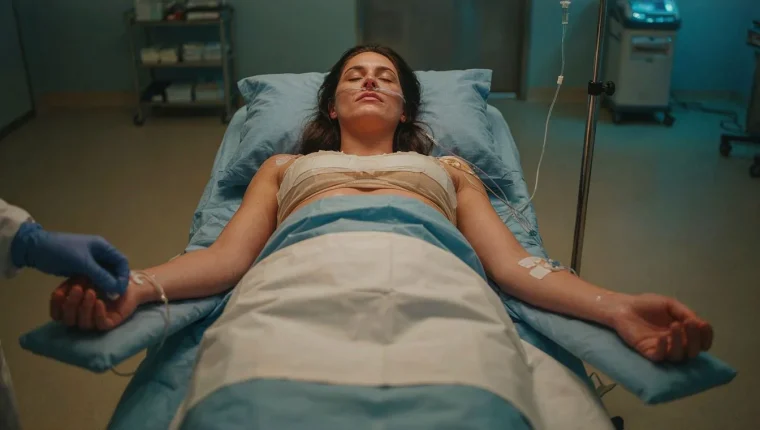
Large breasts can be a real physical and emotional burden. Neck grooves from bra straps, chronic shoulder tension, rashes under the fold, trouble exercising, poor sleep, and posture problems all stack up over years. Many women finally decide enough is enough and consider breast reduction surgery.
The question is fair: is breast reduction safe, and what can realistically go wrong? The honest answer is that it is one of the most satisfying procedures in plastic surgery, with very high patient satisfaction rates, but it is still surgery. There are real risks, real scars, and a real recovery that lasts several weeks.
Knowing the full picture helps you decide whether the trade-off makes sense for your body and your life. Most complications are uncommon and manageable when the procedure is done by an experienced, board-certified surgeon and you follow recovery instructions carefully.
Is Breast Reduction a Safe Procedure?

When performed by a board-certified plastic surgeon in an accredited facility, breast reduction is widely regarded as one of the safer major cosmetic operations. Decades of refinement in technique, anesthesia, and post-operative monitoring have pushed complication rates down significantly, which is why patient satisfaction consistently ranks among the highest of any plastic surgery procedure.
“safe” does not mean risk-free. The procedure removes tissue, repositions the nipple, and reshapes the breast, so it carries the same general risks as any surgery—bleeding, infection, and reactions to anesthesia. Individual risk depends heavily on health history, breast size, and surgical approach. Smokers, people with diabetes, and those at higher BMI tend to face more wound-healing challenges, while very large reductions place greater demand on blood supply to the nipple.
Looking at large outcome studies, major complications occur in a small single-digit percentage of cases, and most issues are minor and temporary, such as small wound separations or numbness that fades over months. Long-term satisfaction and symptom relief—particularly for back, neck, and shoulder pain—are well documented.
Who Makes a Good Candidate for the Surgery?
Not everyone who considers breast reduction surgery ends up in the operating room, and that filtering process actually plays a quiet role in overall safety. Surgeons look beyond breast size alone. They assess whether a patient’s expectations, anatomy, and daily reality line up with what the procedure can realistically deliver, because the best outcomes tend to come from people whose reasons go deeper than aesthetics.
During a consultation, several factors usually shape the candidacy conversation:
- Physical symptoms from large breasts, such as chronic neck, shoulder, or back pain that has not improved with physical therapy, posture work, or supportive bras.
- Skin and tissue changes under the breast fold, including persistent rashes, irritation, or shoulder grooving from bra straps digging into soft tissue.
- Lifestyle limitations where breast size interferes with exercise, sleep, clothing choices, or simple movements like bending and reaching.
- Stable overall health, meaning no uncontrolled medical conditions, active infections, or unmanaged smoking that could slow wound healing.
- Realistic expectations about scarring, final shape, and the fact that future pregnancy, weight shifts, or aging can alter results over time.
- Emotional readiness, including a clear personal motivation rather than pressure from a partner, employer, or social trend.
When these pieces line up, patients tend to recover more smoothly and feel genuinely satisfied with the change, which indirectly lowers the chance of regret-driven complications later. The candid discussion during consultation is also where your surgeon flags anything specific to your health history, so treat that visit less like an interview and more like a planning session where both sides share information openly.
Common Surgical Risks You Should Know
Any surgery carries some degree of risk, and breast reduction is no exception. Even when the procedure goes smoothly and the surgeon is highly experienced, your body still responds to incisions, anesthesia, and tissue removal in ways that can occasionally lead to complications worth understanding before you sign a consent form.
The most discussed concern is infection at the incision sites, which is why surgeons prescribe antibiotics and give detailed wound-care instructions. Bleeding or hematoma formation can happen in the first few days, sometimes requiring a quick return to the operating room to drain pooled blood. Some patients notice changes in nipple or breast sensation, ranging from temporary numbness to a lasting reduction in feeling, because the nerves are manipulated during tissue removal.
Less common, but worth knowing, are risks tied to scarring and healing. Poor scar quality, delayed wound healing, and fat necrosis (where small areas of fatty tissue break down) can all affect the final look of the breasts. In rare cases, particularly with very large reductions, circulation to the nipple can be compromised, which is why experienced surgeons plan carefully and often perform the procedure in stages when needed.
Possible Side Effects During Recovery
Healing after breast reduction brings its own set of sensations, and most of them are part of the body doing exactly what it should. Swelling tends to be the most persistent companion in the first few weeks, slowly settling as the tissues adjust to their reduced size. A feeling of tightness across the chest or around the incisions is also normal, since the skin needs time to adapt to the new contour.
Bruising is common and usually fades within two to three weeks. Some patients notice small areas of numbness or, conversely, heightened sensitivity around the nipples and incision lines. These sensory shifts are generally temporary, though patches of reduced sensation can linger for several months.
Fatigue is often overlooked but very real during recovery. The body is channeling significant energy into repair, so feeling more tired than usual for the first two weeks is expected. Mild itching as incisions begin to heal is another typical sign of progress, and light walking can help maintain circulation and mood during this phase.
How to Reduce the Chance of Complications

Most complications from breast reduction are preventable with the right preparation and follow-through. The choices you make before surgery, the care you take afterward, and the relationship you build with your surgical team all shape how smoothly your body heals. Think of it less as a single safety net and more as a series of small, deliberate habits that stack up over weeks.
These steps help you move into surgery with confidence while giving your body every advantage during recovery:
- Choose a board-certified plastic surgeon with substantial experience in reduction mammoplasty, and review before-and-after photos of past patients with similar body types.
- Stop smoking at least four to six weeks before and after surgery, because nicotine restricts blood flow and significantly slows tissue healing.
- Disclose every medication, supplement, and herbal product you use so your surgeon can flag anything that increases bleeding risk or interferes with anesthesia.
- Follow wound-care instructions precisely, including how to clean incision sites, when to change dressings, and what signs of infection to watch for as you heal.
- Wear your surgical bra or compression garment as directed to minimize swelling, support new breast contours, and reduce strain on fresh incisions.
- Attend every scheduled follow-up appointment, even when you feel fine, so your surgeon can catch subtle issues before they become serious problems.
Recovery rarely follows a perfect timeline, so staying in close communication with your surgeon matters as much as the checklist itself. If something looks or feels off between visits, calling the office is always the right move. A quick conversation almost always prevents a minor concern from turning into a real setback.
What Long-Term Results Can You Expect?
Once healing is complete, most patients enjoy lasting relief from the neck pain, back strain, and shoulder grooving that often motivated the surgery in the first place. Breast size typically stays reduced for decades, although natural shifts from weight changes, pregnancy, or hormonal fluctuations can still affect shape and fullness over time.
Scars mature gradually, fading from red or pink to a softer, flatter line within 12 to 24 months. Sensation in the nipple-areola complex usually returns within several months, though a small percentage of patients notice a permanent change in feeling. Long-term satisfaction rates remain high among women who prepared for the procedure thoughtfully and followed their surgeon’s guidance during recovery.
Future pregnancies and breastfeeding are still possible, but both can alter results, so discussing family plans with your surgeon helps set realistic expectations. Maintaining a stable weight and wearing supportive bras during high-impact activity also help preserve the outcome for years to come.
FAQs
What are the most common complications after breast reduction surgery?
The most common issues after breast reduction include temporary swelling, bruising, and changes in nipple sensation, which usually resolve over time. Some patients experience delayed wound healing along the incision sites, and in rare cases, infection or small hematomas may develop. Significant complications like poor scarring or asymmetry are uncommon, and most women find the recovery manageable with proper aftercare.
How long do swelling and numbness usually last during recovery?
Swelling and numbness generally begin to fade within the first few weeks, with most people noticing steady improvement over four to six weeks and full resolution often by three months. Individual healing times can vary based on the extent of the procedure and your body's natural recovery speed, so a little extra patience is sometimes needed. If either symptom persists well past the three-month mark or seems to worsen, it's worth checking in with your surgeon to rule out anything that might need attention.
Are there long-term safety concerns I should be aware of before choosing this procedure?
Yes, there are a few long-term considerations worth weighing. Most patients do well over time, but potential concerns include gradual changes in appearance as you age, the possibility of needing revision surgery years later, and rare complications such as implant-related issues or changes in sensation. A thorough consultation with your surgeon will help you understand your individual risk profile and set realistic expectations for the future.