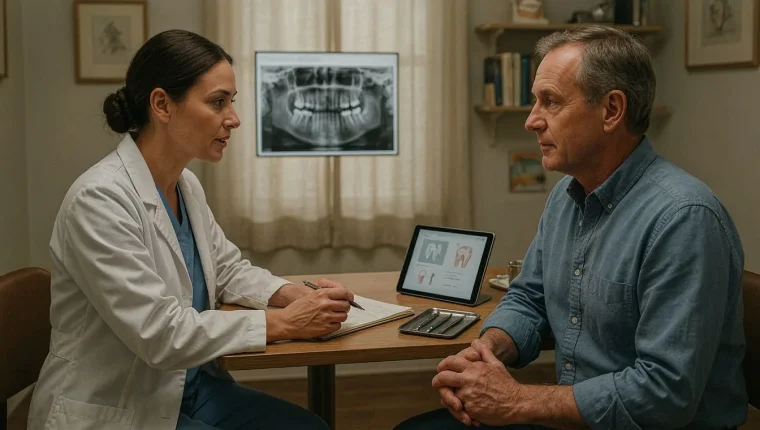
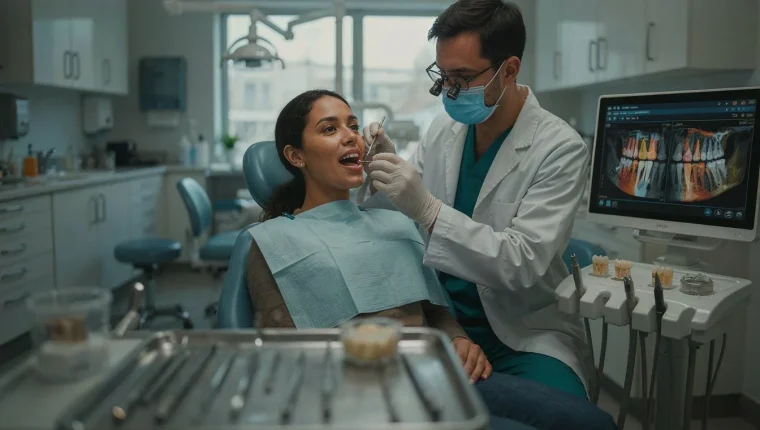
Dental implant results can remain stable for many years, but their longevity depends on more than the implant itself. The visible crown, bridge, or denture, surrounding bone, and gum tissue all affect how well your replacement tooth functions over time. Healing after placement, oral hygiene, smoking, bite pressure, medical conditions, and regular dental care can all affect the outcome. A well-planned procedure and successful bone integration provide a strong foundation, while daily cleaning and professional checkups help protect it. There is no single lifespan that applies to everyone, so lasting results require an individualized assessment and consistent maintenance. With proper care, you can support healthy tissues, protect the restoration, and address potential problems before they compromise comfort or function.
What Determines How Long Dental Implant Results Last?
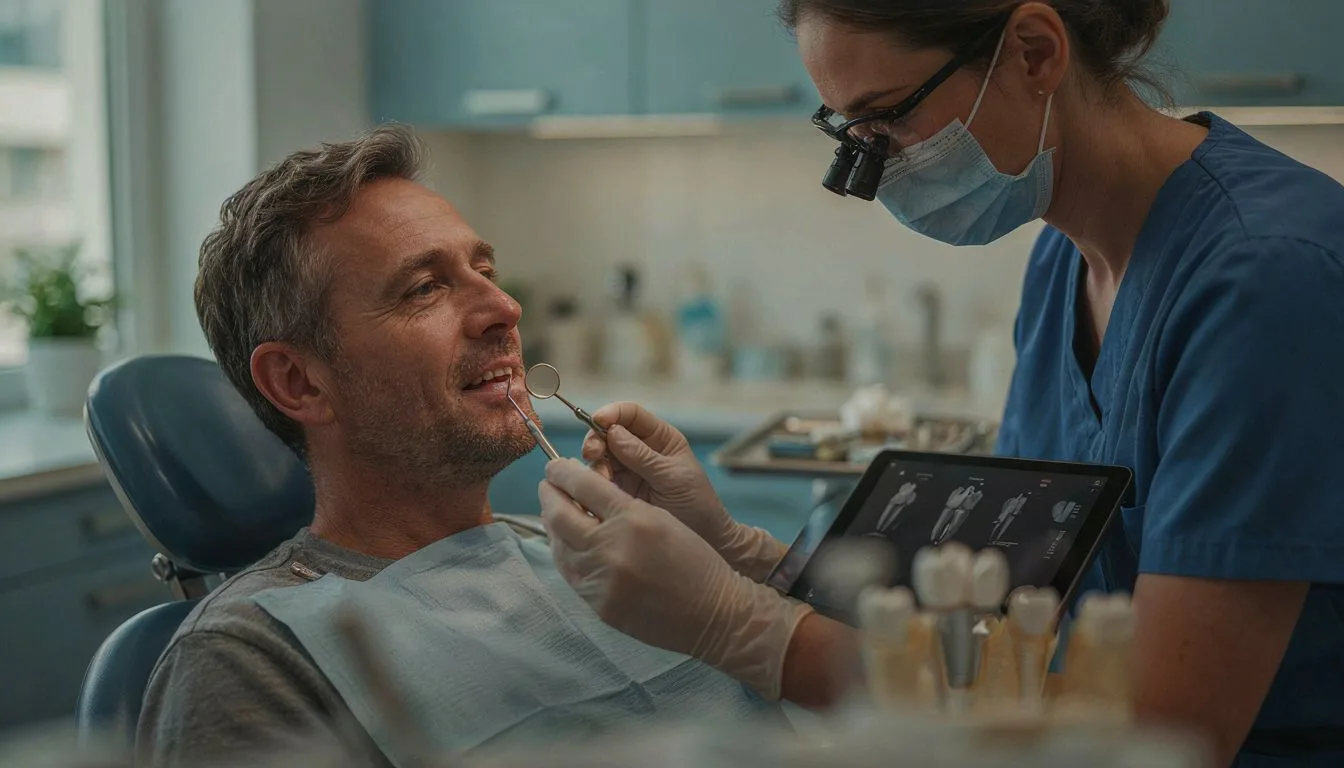
Implant longevity depends on more than the fixture placed in the jaw. The surrounding tissues, the precision of the treatment, the quality of the restoration, and the patient’s health all influence whether results remain comfortable and functional over time. Some of these factors can be optimized before treatment, while others require consistent attention afterward. Understanding these influences can help patients and clinicians protect the stability, comfort, and function of the implant system over the long term.
- Bone support: Sufficient, healthy jawbone provides the foundation for stability. Bone loss around an implant can reduce support and increase the risk of complications.
- Gum health: Healthy tissue helps protect the implant area. Inflammation or untreated periodontal disease may affect the tissues surrounding the implant.
- Implant position and restoration quality: Proper positioning distributes chewing forces more evenly, while a well-designed crown or bridge helps prevent excessive stress and premature wear.
- Health: Well-controlled diabetes generally supports better healing and tissue health. Poorly controlled medical conditions may complicate recovery or maintenance.
- Smoking and grinding: Tobacco use can impair healing and increase disease risk, while clenching or grinding may overload the implant and its restoration.
- Oral hygiene and follow-up: Daily plaque control and professional reviews help detect inflammation, looseness, or restoration damage before these problems become more serious.
These factors can interact with one another throughout the life of the implant. For example, inflammation may contribute to tissue breakdown, while excessive forces from grinding may place additional stress on the implant and restoration. Ongoing monitoring allows concerns to be identified and addressed as early as possible.
Clinicians can manage planning, implant selection, positioning, and restoration design, but long-term success also depends on patient participation. Regular dental care is especially important when diabetes, a history of gum disease, smoking, or bruxism increases the demands placed on the implant system. With appropriate treatment planning, daily oral hygiene, healthy habits, and consistent follow-up, patients can support comfortable and functional results for many years.
How Long Do Dental Implants Results Last?
With appropriate care, a well-integrated dental implant fixture can remain functional for decades, and many implants continue to serve patients for life. However, there is no fixed expiration date that applies to every case. Long-term performance depends on how well the implant remains integrated with the jawbone, how healthy the surrounding tissues are, and whether it is exposed to excessive forces or untreated disease.
It is important to distinguish the implant itself from the visible tooth replacement. The titanium or zirconia fixture placed in the bone is designed for long-term use, while the crown, bridge, or denture attached to it experiences everyday chewing, temperature changes, and normal wear. These restorations commonly require repair or replacement sooner than the fixture, often after many years of service. Replacing a crown does not automatically mean that the integrated implant has failed.
The implant fixture and the restoration have different service lives. A restoration’s durability can be affected by biting pressure, material choice, fit, and habits such as tooth grinding. In contrast, problems involving bone or gum support can threaten the implant’s stability itself. This is why regular professional monitoring remains valuable even when the implant feels comfortable and looks natural.
Some implants last for decades, while others need intervention earlier because of biological complications, mechanical strain, changes in general health, or insufficient maintenance. Your dentist can assess the implant, surrounding bone, and restoration over time and identify whether only the visible component needs attention.
How Implant Placement and Healing Affect Longevity
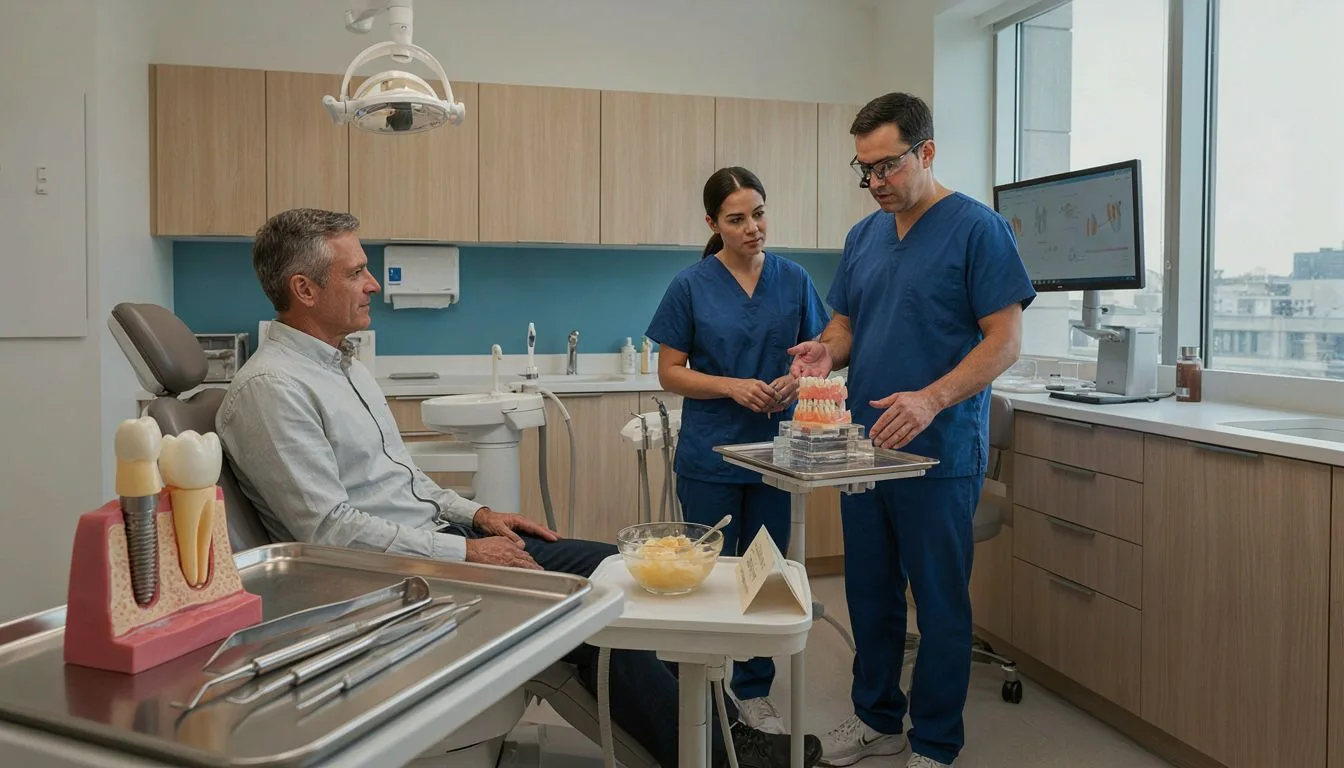
Long-term implant stability begins before the implant is placed. During the assessment, the clinician evaluates available bone volume and density, the planned tooth position, bite forces, infection risk, and the condition of nearby teeth and gums. If bone is insufficient or an active infection is present, treatment may need to be modified or staged. Careful sequencing can include treating gum disease, allowing an extraction site to heal, or performing bone augmentation before implant surgery.
After placement, the implant must bond with the surrounding jawbone through a biological process called osseointegration. During this healing phase, excessive movement or premature heavy loading can interfere with that connection. For this reason, the dentist may recommend a temporary restoration, a softer diet, or limits on chewing pressure while the site heals. Follow-up visits allow the team to check tissue healing, implant stability, and the fit of any temporary restoration before progressing to the final one.
Healing does not always follow the expected course. Persistent infection, wound complications, inadequate bone contact, or unexpected movement may reduce the likelihood of successful integration. These problems do not automatically mean the implant will fail, but they require prompt clinical assessment. The dentist may adjust loading, provide treatment for infection, allow additional healing time, or remove and replace the implant when necessary. Early management can protect surrounding tissues and improve the conditions for a future restoration.
Daily Habits That Can Extend Implant Lifespan
Everyday care helps protect the tissues around an implant and reduces avoidable stress on the restoration. The goal is consistent, gentle maintenance rather than aggressive cleaning or occasional bursts of extra effort. These habits should support both the implant and the natural teeth that share the same oral environment. Building them into your daily routine can help limit plaque accumulation, protect gum health, and reduce unnecessary strain on the implant and restoration.
- Brush twice daily: Use a soft-bristled toothbrush and fluoride toothpaste, cleaning along the gumline without scrubbing forcefully.
- Clean between teeth: Use implant-safe floss, interdental brushes, or another tool recommended by your dental professional to remove plaque around the implant and neighboring teeth.
- Attend professional maintenance: Regular cleanings allow plaque and hardened deposits to be removed from areas that home care may miss, while the implant and restoration can be checked.
- Keep review visits: Follow the examination schedule recommended for you so changes in gum health, bite, or restoration fit can be identified early.
- Avoid tobacco: Not smoking and avoiding other tobacco products supports healthier oral tissues and removes a preventable risk to long-term maintenance.
- Reduce excessive biting forces: Do not use the implant to open packages or chew very hard objects, and ask about a night guard if grinding or clenching is present.
These daily measures work best when they are performed consistently and combined with the professional guidance provided for your specific implant and restoration. Paying attention to changes such as bleeding, tenderness, discomfort, or a change in the way the restoration fits can also help ensure that potential concerns are addressed promptly rather than left to progress.
A balanced diet and good general health also make daily maintenance easier, but they do not replace oral hygiene or professional care. Cleaning natural teeth carefully is equally important because inflammation around nearby teeth can affect the environment surrounding the implant. Consistent plaque control remains one of the most practical ways to preserve healthy supporting tissues over time.
Signs Your Dental Implants Need Professional Attention
Changes around an implant should not be dismissed as normal aging. Bleeding, swelling, persistent discomfort, discharge, a bad taste, or a noticeable change in gum color or shape can indicate inflammation around the implant and require a dental assessment. Early evaluation may help identify a treatable problem before it affects supporting tissues.
Mechanical changes also deserve prompt attention. Contact your dentist if the implant or restoration feels loose, your bite suddenly feels different, you hear clicking, a crown appears cracked, or chewing becomes difficult. These signs may reflect a damaged restoration, excessive force, or a problem with implant stability.
Timely professional assessment is important because symptoms can sometimes signal peri-implant disease or developing implant failure, even when discomfort is mild. Do not wait for symptoms to disappear on their own; a dentist can examine the tissues, check the restoration and implant, and determine the appropriate next step.
FAQs
How long do dental implant results last with proper care?
With proper care, dental implants can last 20 years or longer, and many remain functional for a lifetime. Their longevity depends on good oral hygiene, regular dental checkups, healthy gums and bone, and avoiding smoking or excessive biting forces.
What factors can affect how long dental implants last?
Implant longevity depends on oral hygiene, regular dental checkups, and the health of the gums and jawbone. Smoking, uncontrolled diabetes, teeth grinding, poor bite alignment, and excessive pressure can increase the risk of complications, while high-quality placement and well-maintained crowns or dentures support longer service.
Can dental implants be replaced if they fail or wear out?
Yes, dental implants can usually be replaced if they fail or become worn. A dentist will assess the cause, treat any infection or bone loss, and determine whether the implant, abutment, or crown needs replacement. With proper planning, bone grafting may sometimes be needed before placing a new implant.