Choosing dental veneers is not simply a matter of wanting whiter or straighter-looking teeth. A suitable dental veneers candidate usually has a clear cosmetic concern, healthy teeth and gums, enough enamel to support bonding, and realistic expectations about what veneers can change. Veneers may improve the appearance of discoloration, minor chips, uneven edges, or small gaps, but they do not correct every dental problem or replace treatment for decay and gum disease. Daily habits also matter. Frequent teeth grinding, nail biting, or poor oral hygiene can affect the comfort and service life of veneers. A careful evaluation helps determine whether veneers fit your smile goals, oral health, bite, and long-term priorities. The right decision should be based on your overall dental condition—not appearance alone.
What Are Dental Veneers and What Can They Improve?
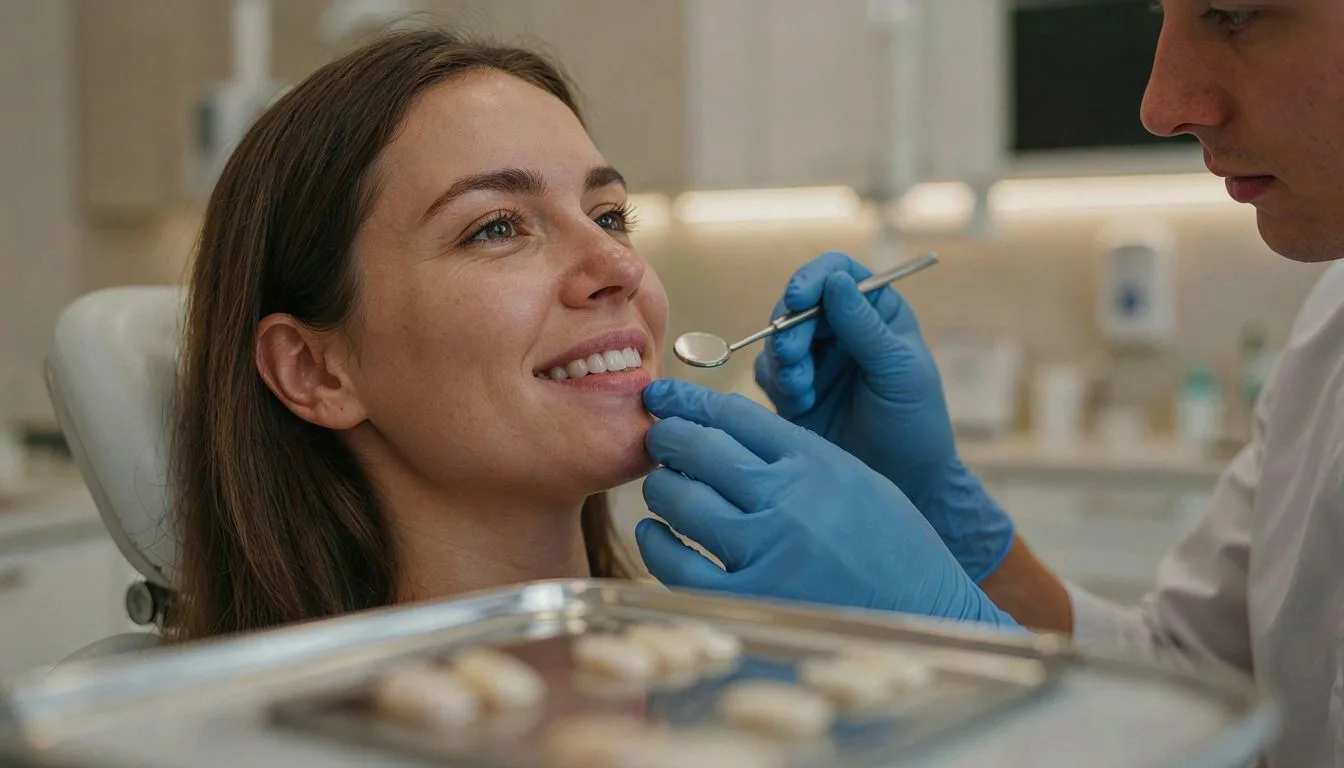
Dental veneers are thin, custom-made coverings bonded to the front surfaces of teeth. They are typically made from porcelain or composite resin and are designed to blend with the surrounding smile. Because each veneer is shaped and shaded individually, treatment can address several visible concerns at the same time rather than focusing on only one tooth.
Veneers may improve teeth that appear discolored, worn, unevenly shaped, too small, or mildly chipped. They can also close small spaces between teeth and create a more consistent appearance when minor differences in size or contour affect the smile. The result is primarily cosmetic: veneers change the visible surface, proportions, and shade of selected teeth.
Veneers are a cosmetic treatment, not a cure for dental disease. They do not remove decay, treat an infection, or repair significant structural damage. They are also not a substitute for orthodontic treatment when teeth are substantially misaligned, crowded, or affecting the bite. Since a small amount of enamel may need to be reshaped for placement, the decision should account for both the desired appearance and the underlying condition of each tooth.
Who Is a Good Candidate for Dental Veneers?
Good candidates for dental veneers typically have healthy teeth and gums, enough natural tooth structure, and cosmetic concerns that can be improved with a thin bonded covering. Veneers may be appropriate for people with persistent discoloration, minor chips, small gaps, or slight shape and proportion concerns when the underlying teeth are strong enough to support treatment.
Suitability also depends on having realistic expectations. Veneers can create a more even, brighter smile, but they do not make natural teeth indestructible or eliminate the need for daily brushing, flossing, and professional dental care. Patients should understand that some enamel may need to be removed to create space and improve bonding, making the procedure generally irreversible. They should also be prepared to protect their investment through consistent oral hygiene and routine examinations.
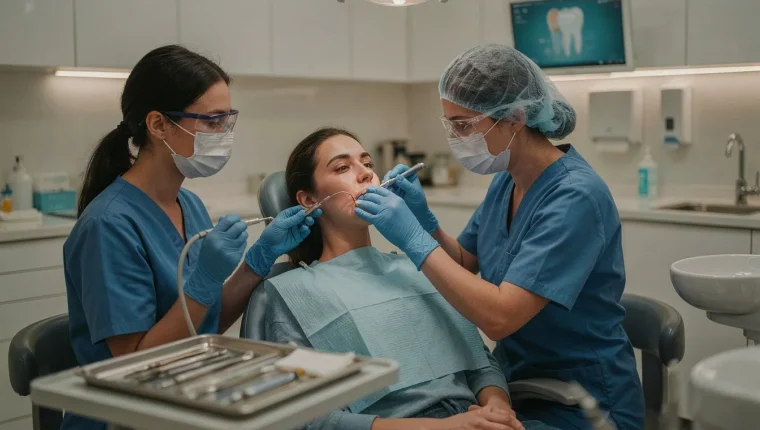
A suitable candidate is usually motivated by a specific cosmetic goal rather than expecting veneers to correct every dental concern. The dentist will assess the teeth, bite, gum health, available enamel, and overall smile design before recommending treatment. Photographs, X-rays, and a detailed examination may be used when necessary, so online descriptions or personal inspection cannot confirm candidacy on their own.
Open communication is especially important during planning. Patients should explain their preferred level of brightness, concerns about tooth shape, and any previous dental work. This allows the dentist to determine whether veneers can provide a predictable result while preserving as much healthy tooth structure as possible.
Which Oral Health Conditions Should Be Addressed First?
Before veneers are considered, any active oral disease should be brought under control. Untreated dental disease, including cavities, cracked teeth, or decay near the intended bonding area, can compromise the result and may require restorative treatment first. Placing veneers over unhealthy tooth structure does not address the underlying problem.
Active gum disease also needs attention. Swollen, bleeding, or infected gums can affect comfort, appearance, and the fit of restorations. A dentist may first recommend periodontal care and improved oral hygiene so the gums are stable before cosmetic treatment begins. Persistent bad breath, tenderness, or signs of infection should likewise be evaluated rather than covered cosmetically.
Tooth sensitivity and weakened enamel deserve a closer assessment as well. Veneers usually rely on a sound bonding surface, so erosion, large fillings, fractures, or insufficient enamel may influence whether treatment is appropriate and how it should be planned. These findings do not automatically rule out veneers, but they can change the sequence of care or point toward another restoration.
Your bite should also be checked, particularly if you clench or grind your teeth, have uneven contacts, or notice jaw discomfort. Excessive or poorly distributed forces may make veneer placement less predictable. Addressing hygiene, disease, tooth structure, and bite concerns first allows the dentist to determine whether the mouth is ready for veneers and whether additional protection or treatment is needed.
What Factors Affect Veneer Suitability and Longevity?

Veneer suitability depends on more than the visible condition of the teeth. Adequate enamel is important because bonding is generally more predictable when the veneers attach to sound enamel. Tooth position, bite alignment, and the amount of preparation planned can also affect both appearance and long-term stability. Teeth that are severely rotated, crowded, or exposed to uneven biting forces may require careful assessment before cosmetic treatment is considered.
Daily habits are equally relevant. Bruxism, nail biting, opening packages with the teeth, and chewing ice or other hard objects can place excessive stress on veneers and increase the risk of chipping or debonding. Addressing these forces may improve their service life, although no restoration is permanent.
Shade selection should account for the desired result, adjacent teeth, and future whitening plans, since veneers do not change color in the same way as natural enamel. Consistent oral hygiene and professional follow-up help protect the supporting teeth and gums. Ultimately, veneer longevity is individual: it depends on enamel quality, bite forces, habits, maintenance, and the clinician’s assessment rather than a universal guarantee.
Who May Need an Alternative to Veneers?
Some patients are better served by a different treatment when veneers cannot address the underlying problem safely or effectively. Insufficient tooth structure, extensive decay, major fractures, or severe wear may require more protective restorations, such as crowns or other restorative treatments. Placing a veneer over a weakened tooth may increase the risk of failure rather than solve the problem.
Alignment concerns may also point toward orthodontic treatment, especially when teeth are significantly rotated, crowded, or positioned unevenly. If the concern is limited to tooth color, professional whitening may be sufficient, while small chips or gaps may respond well to conservative bonding. The most appropriate option depends on an examination, the health and structure of each tooth, bite forces, and the patient’s desired outcome.
FAQs
What makes someone a good dental veneers candidate?
A good dental veneers candidate typically has healthy teeth and gums, good oral hygiene, and enough enamel to support the veneers. Candidates should also have realistic expectations, address issues such as tooth decay or gum disease first, and be willing to avoid habits that could damage the veneers, such as biting hard objects or grinding their teeth.
Can patients with chipped or discolored teeth get veneers?
Yes. Veneers can improve the appearance of mildly chipped, stained, or discolored teeth by covering the visible front surface with a thin, tooth-colored shell. A dentist must first confirm that the teeth and gums are healthy and that veneers are suitable for the extent and cause of the damage.
Are dental veneers suitable for people with cavities or gum disease?
Veneers are generally not recommended until cavities and gum disease have been treated and oral health is stable. Placing veneers over untreated problems can worsen infection, compromise the supporting teeth and gums, and shorten the veneers’ lifespan. A dentist can assess your teeth and recommend appropriate treatment before considering veneers.