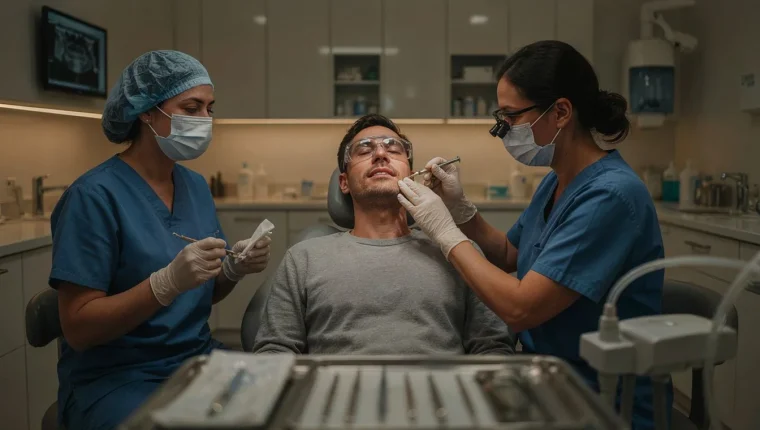
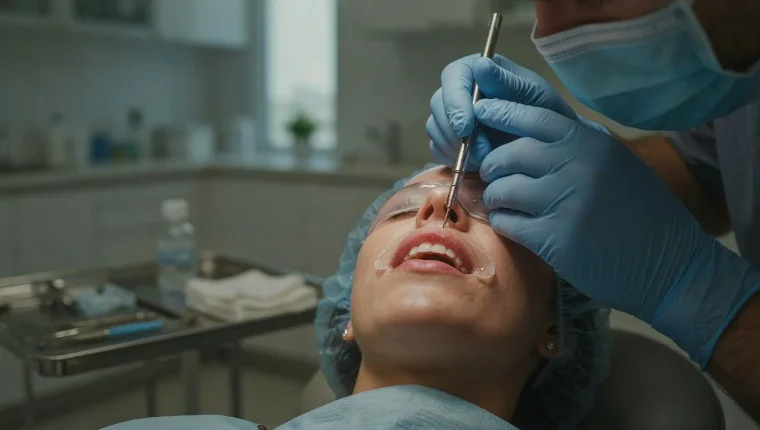
Dental implants are generally safe when they are planned and placed for the right candidate, but safety is not automatic. Your overall health, gum condition, available jawbone, smoking, medications, and daily oral care can all affect the outcome. The dental team’s skill, treatment-planning accuracy, and aftercare quality also matter. Like any procedure, implants may involve temporary discomfort, infection, nerve or sinus problems, implant failure, or complications affecting the restoration. Most risks can be reduced with careful assessment and a realistic treatment plan. Before agreeing to treatment, ask how your medical history and oral condition affect the procedure, what warning signs to watch for, and how ongoing maintenance will protect your result.
Who Is a Good Candidate for Dental Implants?
A good candidate for dental implants is usually someone with healthy or treatable gums, adequate jawbone support, and enough remaining oral function to maintain the restoration. Before recommending treatment, a dentist or oral surgeon examines the proposed implant site, checks nearby teeth, and uses imaging to assess bone height, width, and density. Bone loss does not automatically rule out implants, but it may make additional treatment necessary.
Health matters because conditions that impair healing can affect treatment planning. Diabetes that is well controlled may be compatible with implant treatment, while uncontrolled diabetes, active infections, or certain medical therapies may require stabilization or coordination with a physician first. The clinician will consider medications, immune status, previous radiation treatment, and any condition that could influence healing or anesthesia.
Healthy gums and adequate bone support are important foundations for predictable implant care. Active gum disease should generally be treated before placement, and untreated decay or infection in neighboring teeth may need attention. Smoking and nicotine use can reduce healing quality and increase the likelihood of implant problems, so cessation or reduction should be discussed openly.
Finally, candidacy includes practical factors: consistent oral hygiene, willingness to attend follow-up appointments, and realistic expectations about healing and maintenance. Only an individualized clinical evaluation can determine whether implants are appropriate and whether preparatory treatment is needed.
How Safe Is the Dental Implant Procedure?
Implant placement is generally a controlled procedure because each stage is planned around the patient’s anatomy and health. Before surgery, the dentist examines the mouth, reviews the medical history and medications, and uses dental X-rays or 3D imaging to assess bone volume, nearby nerves, sinuses, and the intended implant position. This information helps identify conditions that may require treatment or additional planning before placement.
During the procedure, local anesthesia keeps the area numb, while careful surgical technique limits unnecessary tissue disturbance. Sterile instruments, infection-control protocols, and appropriate monitoring further reduce avoidable hazards. The dentist also verifies the implant’s position and stability before closing the site. Sedation may be discussed for patients with significant anxiety, but it requires its own medical assessment and monitoring.
Some soreness, swelling, minor bleeding, or tightness around the surgical area can occur during early recovery and should gradually improve. However, worsening pain, persistent bleeding, fever, increasing swelling, difficulty breathing or swallowing, or numbness that does not resolve warrants prompt contact with the dental office. Individual medical assessment remains essential: conditions such as uncontrolled diabetes, immune problems, certain medications, or tobacco use can change healing expectations and may require specific precautions before treatment.
Common Dental Implant Risks and Side Effects
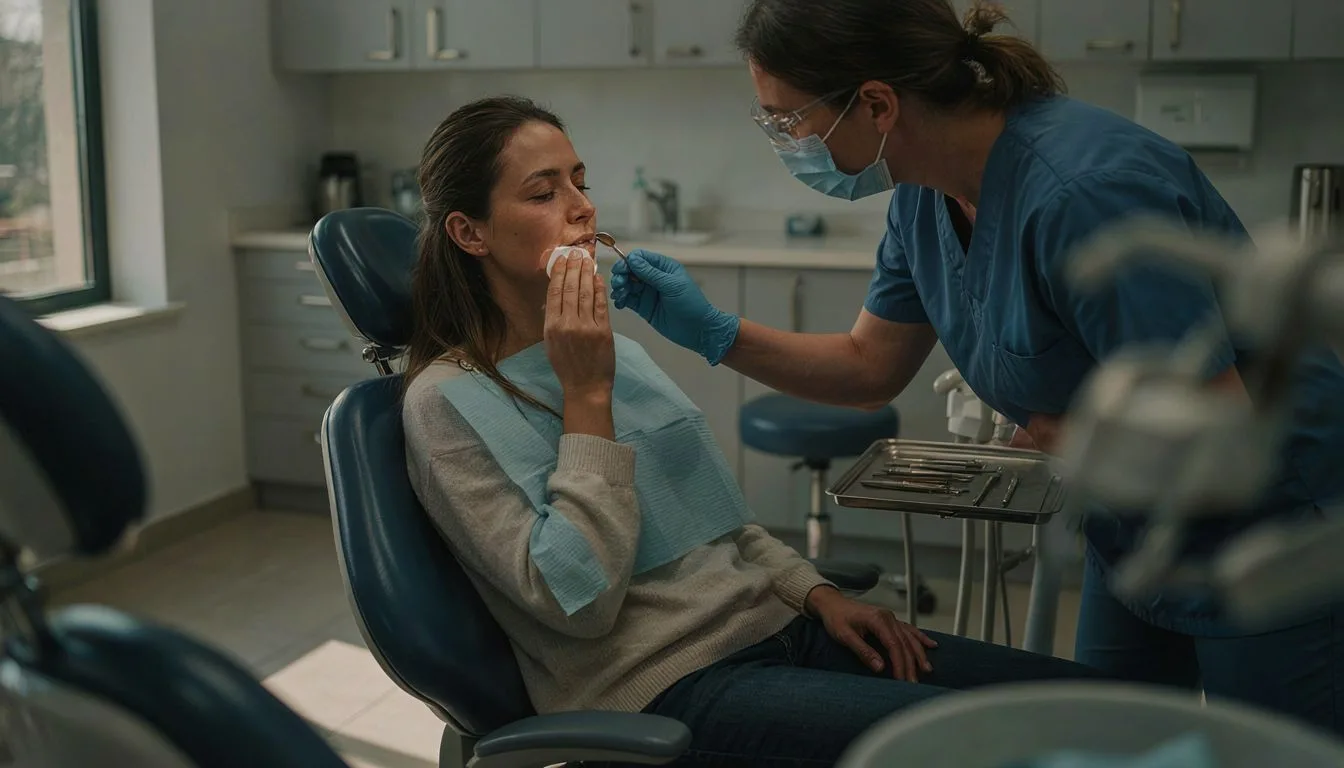
Most early effects after implant placement are temporary and reflect the normal healing response. Mild soreness, facial swelling, bruising, and a small amount of bleeding can occur during the first few days, especially after more involved procedures. These symptoms should gradually improve rather than become more intense. Soft foods, prescribed medication, and gentle oral care may help keep discomfort manageable.
Signs of infection require closer attention. Increasing pain, worsening swelling, warmth, pus, a persistent bad taste, fever, or feeling generally unwell should prompt a review by the dental team. Limited bleeding is common immediately after surgery, but bleeding that remains heavy or does not settle with firm gauze pressure needs prompt assessment.
Some risks depend on the implant’s location. Temporary nerve irritation may cause tingling, numbness, or altered sensation in the lip, chin, tongue, or gums. Although this often improves, persistent or worsening symptoms should be reported quickly. Implants placed in the upper jaw can also be associated with sinus pressure, congestion, or communication with the sinus, particularly when bone is limited in that area.
Another concern is failed integration, meaning the implant does not become firmly connected with the surrounding bone. Unusual movement, continuing tenderness, or discomfort when biting may indicate that healing is not progressing as expected. The importance of any symptom depends on its severity, duration, and location, so a dental review is appropriate when discomfort worsens, lasts beyond the expected recovery period, or is accompanied by fever, drainage, uncontrolled bleeding, or significant numbness.
Long-Term Dental Implant Complications
Some implant problems develop months or years after healing, often because inflammation around the implant gradually affects the supporting tissues. Peri-implantitis can cause gum swelling or bleeding, deeper pockets, and progressive bone loss. Poor plaque control, changes in the gums, and untreated dental disease may allow this process to worsen, sometimes without significant pain.
Late mechanical problems are also possible. An implant may loosen, a screw may fracture, or the crown may chip, wear down, or become detached. Excessive bite forces, teeth grinding, an uneven bite, and normal material fatigue can contribute to these issues. A restoration may also need adjustment or replacement even when the implant itself remains stable.
New bleeding, persistent swelling, discharge, increasing tenderness, altered gum levels, movement, or changes in how the teeth meet should not be dismissed as ordinary recovery effects. Diagnosis requires a clinical examination and may include dental imaging to assess the implant, restoration, and surrounding bone. Treatment depends on the cause and severity, ranging from professional cleaning and bite adjustment to restorative repair or more advanced implant care.
How to Reduce Dental Implants Safety Risks
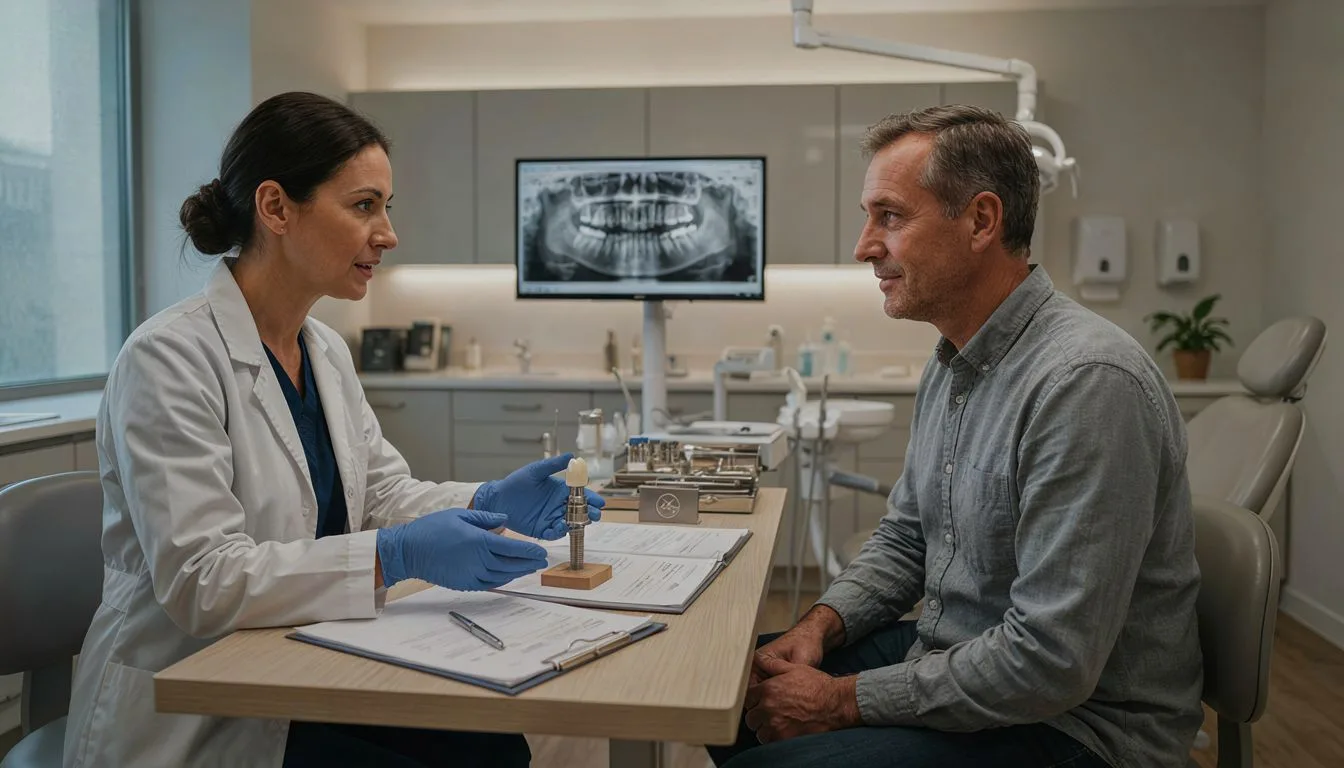
Reducing implant-related problems starts before treatment begins. Choose a qualified dental professional who performs a complete assessment and provide accurate information about your medical conditions, medications, allergies, and tobacco or vaping habits. A personalized treatment plan can identify factors that need management before surgery, such as gum disease, uncontrolled diabetes, or insufficient bone support.
After placement, careful daily cleaning helps limit plaque buildup around the implant. Attend professional maintenance appointments and recommended reviews, even when the implant feels comfortable. These visits allow the dental team to monitor the gum tissues, bone levels, bite, and restoration for early changes.
Stopping smoking is one of the most important controllable steps because tobacco can impair healing and increase the likelihood of implant complications. If you clench or grind your teeth, ask whether a custom night guard is appropriate. Report looseness, bleeding, swelling, persistent discomfort, or changes in the bite promptly. Ongoing professional monitoring is essential because some risks require clinical management rather than home care alone.
FAQs
Are dental implants generally safe for most patients?
Yes, dental implants are generally safe and highly successful for most healthy adults when placed and maintained by a qualified dental professional. Your dentist will assess your oral health, bone density, medical history, and habits such as smoking to determine whether implants are appropriate and plan treatment safely.
What are the main risks and side effects of dental implants?
Dental implants are generally safe, but risks include infection, bleeding, nerve or sinus damage, implant movement, and failure to fuse with the jawbone. Temporary swelling, bruising, tenderness, and difficulty chewing are common after surgery. Smoking, poor oral hygiene, uncontrolled diabetes, and inadequate bone support can increase complications; contact your dentist if pain, swelling, or numbness persists or worsens.
How can patients improve dental implant safety and reduce complications?
Choose a qualified implant dentist, share your complete medical history and medications, and follow all pre- and postoperative instructions carefully. Maintain excellent oral hygiene, avoid smoking, attend scheduled follow-up visits, and contact the dental team promptly if you notice worsening pain, swelling, bleeding, fever, or implant looseness.