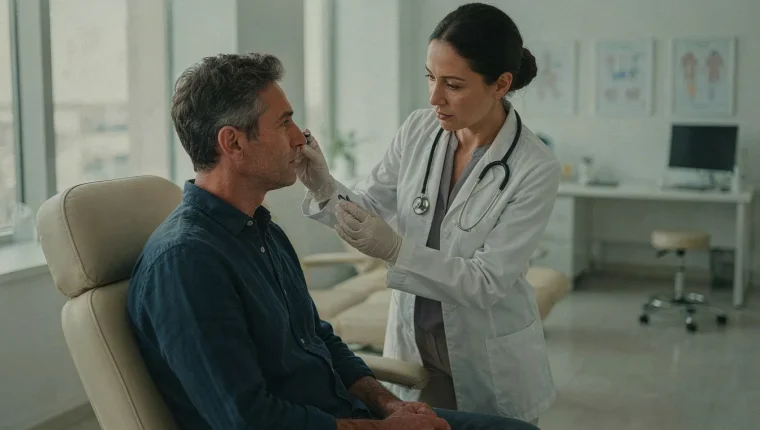
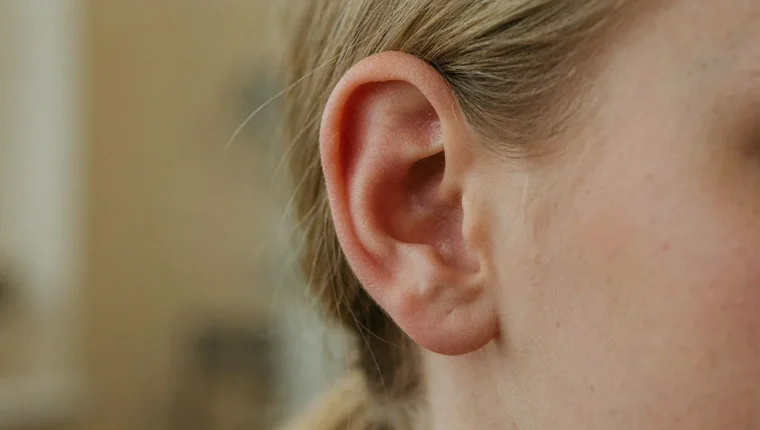
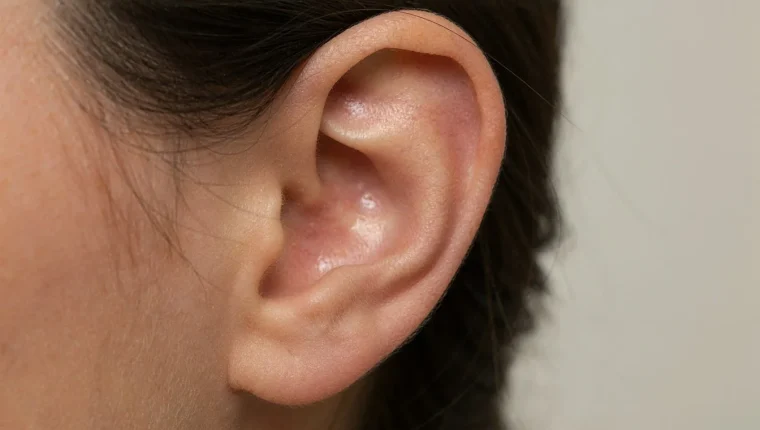
The flight home is over, your luggage is unpacked, and the surgery trip feels finished. This is where otoplasty aftercare begins. Once you land back in the USA and step into your own bathroom, kitchen, and bedroom, you become the person most responsible for protecting your new ears.
That can feel like a lot to take in. Your ears are still healing, the dressing needs careful attention, and the surgeon who performed your procedure is now an ocean away. The good news: most of what healing requires at home is straightforward once you know the routine.
Caring for your ears after otoplasty comes down to a handful of practical areas — getting through the first 48 hours comfortably, managing swelling and soreness, handling the dressing and headband correctly, sleeping in positions that protect your ears, recognizing genuine warning signs, arranging follow-up care locally, and easing back into your normal activities at the right pace. Each one matters, and each one is manageable.
Otoplasty Aftercare USA: Your First 48 Hours Back Home
The first two days at home set the tone for your entire recovery, so it helps to think in hours rather than days. Ideally, you arranged a rest area before your trip: a recliner or bed with extra pillows, water, snacks, prescribed medication, and chargers within arm’s reach. If you haven’t, do it the moment you walk in—then rest. You should also have someone nearby for at least the first 24 hours, both for practical help and reassurance while the post-operative dressing is still doing its protective work.
Jet lag and surgical fatigue often overlap after traveling home, and that combination can make you feel more drained than expected. Give yourself permission to sleep irregularly for a day or two; your body is healing, and rest is part of the treatment. Stay hydrated, eat light meals, and take your medication on schedule rather than waiting for discomfort to build.
At some point on day one, do a calm dressing check. Mild tightness, slight symmetrical swelling, and a bit of spotting on the bandage are normal. Soaking bandages, one side noticeably more swollen than the other, increasing pain, or fever are reasons to call. Keep contact with your operating surgeon’s team realistic: most operate abroad, so agree in advance on how and when to reach them, and identify a local doctor who can examine you if needed.
Managing Pain, Swelling, and Bruising at Home
Discomfort after ear surgery is expected, but it should feel manageable rather than alarming. Most patients find that the first week is the hardest, and that symptoms follow a fairly predictable pattern. The key is staying ahead of the discomfort instead of waiting for it to peak, which is where a consistent pain management schedule makes a real difference. Knowing what each normal symptom looks like — and how it typically evolves day by day — helps you separate expected healing from something that warrants a phone call.
- Pain: Your operating surgeon likely prescribed medication with specific timing. Take it on schedule during the first 48–72 hours, even if you feel fine, because staying ahead of pain is far easier than chasing it. Switch to over-the-counter acetaminophen only if your surgeon approved it.
- Swelling: Expect the ears to look noticeably swollen for the first several days; this peaks around day two or three and then gradually settles. Sleeping with your head elevated supports drainage and reduces morning puffiness.
- Bruising: Discoloration around the ears and even down the neck is normal and typically shifts from purple to yellow-green before fading within two weeks.
- Cold application: If your surgeon permits ice, never place it directly on the ears or dressing. Instead, use a wrapped cold pack held near — not on — the surgical area for short intervals in the first days only.
Keeping a simple daily routine — medication on time, head elevated while sleeping, and gentle awareness of how each side looks — turns the first week into a manageable waiting period rather than a stressful one. Most of these symptoms are simply the body’s normal inflammatory response doing its work, and they respond well to the measures above when applied consistently.
Contact a clinician if pain suddenly intensifies after initially improving, if one ear becomes dramatically more swollen than the other, or if medication stops providing relief. Severe, worsening pain that doesn’t respond to prescribed medication deserves a same-day phone call — it is one of the few early symptoms that should never be waited out at home. When in doubt, reaching out to your surgical team is always the safer choice; they would much rather answer a routine question than have a complication go unreported.
Keeping Your Surgical Dressing and Headband Clean and Secure
Your post-operative dressing is doing quiet, important work: it protects the reshaped cartilage, absorbs minor drainage, and holds everything in the position your surgeon intended. That’s why the rule after flying home is simple — keep it intact and dry. Don’t lift the edges to peek, don’t apply creams or ointments over it, and keep it covered when you shower. A sponge bath is far safer than risking a soaked dressing in the first week.
The headband deserves careful handling too. It should sit snugly over the ears without digging in, because constant pressure on the same spot can cause skin breakdown or interfere with healing cartilage. Check the skin contact areas daily — behind the ears and across the forehead — and give those zones a gentle wipe-down when you briefly remove or adjust the band. Most surgeons recommend wearing it at night for several weeks; treat it like a protective device, not a fashion accessory, and never tighten it to “improve” the result.
If the dressing loosens slightly, gets damp, or slips out of place, resist fixing it yourself with supplies from your medicine cabinet. Tape it loosely to hold position if needed and contact your surgical team or a local provider for guidance — dressing changes are a professional job, best handled at a proper follow-up visit.
Sleeping Positions That Protect Your New Ear Shape
Sleep is where most otoplasty results are quietly won or lost. If you are a side or stomach sleeper, your instinct will fight you for the first few weeks, because pressing a healing ear against a pillow can bend cartilage, shift sutures, and undo what your surgeon carefully shaped. The safest approach is dedicated back-sleeping, and a few simple tools make it far easier to maintain through the night. Arrange two pillows behind your head to keep it slightly elevated, which also helps reduce swelling. A wedge pillow works well if you tend to slide down flat. A popular trick: wear a soft travel neck pillow so the cushioned ring surrounds your ear, physically stopping your head from rolling onto it while you drift off.
Wear your protective headband at night if your surgeon has advised it — for many patients this continues for several weeks, though the exact duration always follows your surgeon’s guidance. Expect elevated, protected sleeping to be part of your routine for at least the early healing phase, and resist the urge to test side-sleeping early. One careless night is rarely worth the setback.
Signs of Infection Every Patient Should Watch For
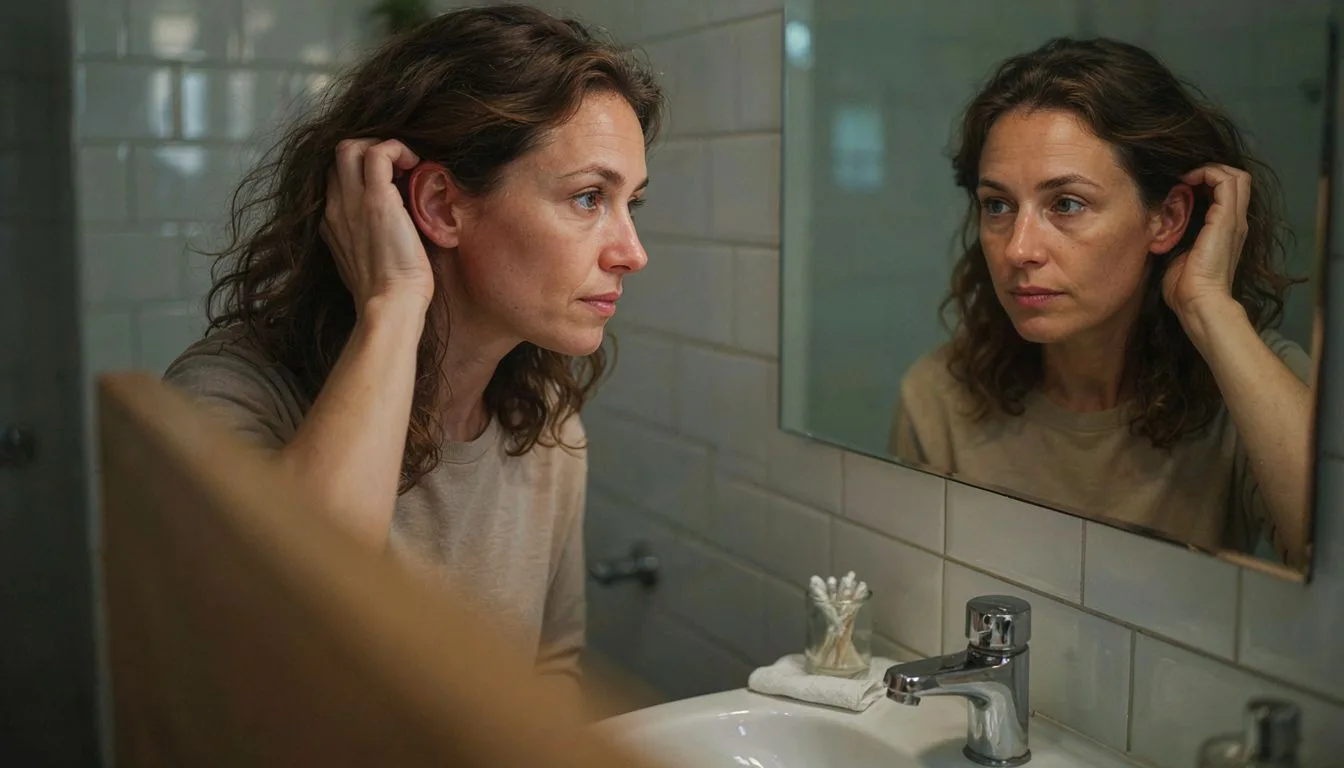
Most ear surgery patients heal without complications, but being far from your operating surgeon means you are the first line of defense for your own recovery. The tricky part is that some tenderness, swelling, and redness are completely normal in the early weeks, so it helps to know which changes signal something more. The goal is not to panic at every sensation but to recognize a genuine infection red flag early enough that a quick phone call resolves it easily.
Watch for these specific changes in and around the healing ear:
- Increasing pain instead of improving pain: Discomfort should gradually ease week by week; pain that intensifies after day three or four deserves a call.
- Spreading redness and warmth: Mild edge redness can be normal, but redness that expands, feels hot, or reaches the surrounding skin does not fit typical healing.
- Discharge or odor: Any fluid draining from the incision, especially if yellow, cloudy, or foul-smelling, is a clear reason to contact a doctor.
- Fever or feeling generally unwell: A temperature above 100.4°F (38°C), chills, or body-wide malaise suggests the problem may be more than local.
Timelines vary from patient to patient, so treat these signs as a pattern rather than a checklist with rigid deadlines. If any of them appear, contact a local physician or urgent care first rather than waiting for an overseas reply. Keep your operative report, photos, and discharge instructions from the clinic handy — they make any US-based evaluation far faster and more accurate.
When to Schedule Follow-Up Visits with a Local Surgeon
One of the most common worries after having otoplasty abroad is who actually checks your ears once you are back in the USA. The good news is that continuity of care is manageable if you plan it before you fly home. Most patients arrange a local follow-up visit within the first one to two weeks after arriving, though the exact timing depends on your operating surgeon’s protocol and how your healing is progressing — some clinics even schedule a virtual check before you travel.
Preparation makes these appointments far more productive. Bring your operative report, a list of the medications you were prescribed, and any photos the clinic took after surgery. If your operating clinic provided a discharge summary in English, request it before leaving; US-based physicians appreciate clear documentation.
A typical local check mirrors what you would receive anywhere: the surgeon examines the incisions, confirms the dressing fits properly, and monitors how the cartilage is settling. Sutures may be removed or assessed depending on the technique used.
If you live far from a board-certified plastic surgeon, telehealth appointments can bridge the gap early on, with in-person visits reserved for hands-on checks.
Safe Return to Work, Exercise, and Everyday Activities

Getting back to your routine is less about a single date and more about a gradual process. Most patients find that a staged return works best, where each week adds a little more activity without testing the healing ear too soon. Always confirm your personal timeline with your surgeon, but here is what typical ranges look like.
Desk-based jobs are often manageable within a few days, especially once you feel comfortable in public with your dressing or headband. Physically demanding work—lifting, bending, or anything that raises blood pressure to your head—usually needs one to two weeks off, since straining can worsen swelling or bleeding.
Light walking is encouraged almost immediately; it supports circulation and mood. The longest restrictions apply to contact sports and helmets, which often need to wait four to six weeks or more, since a direct knock could undo the surgical correction.
Everyday habits deserve attention too. Rest glasses on your cheeks or ask about alternatives for a few weeks, skip over-ear headphones, wash hair gently with lukewarm water while protecting the dressing, and keep healing skin out of direct sun—new scars darken easily. Ease back in, and your ears will thank you.
FAQs
How soon after otoplasty can I safely fly back to the USA?
Most surgeons recommend waiting about 7 to 10 days after otoplasty before flying, once the initial swelling and drain sites have settled and your post-op check confirms healing is on track. If your surgery was uncomplicated and you heal normally, many patients fly comfortably within two weeks. Bring any prescribed pain medication in your carry-on, avoid lifting heavy luggage, and protect your ears with a loose headband or soft pillow during the flight. Have your surgeon clear you at your follow-up before booking, since pressurized cabin changes can aggravate swelling in the first week.
When should I schedule my first follow-up appointment with a US-based surgeon after having the procedure abroad?
Schedule your first follow-up appointment with a US-based surgeon within 1 to 2 weeks after returning home, so your healing can be evaluated early and any complications can be caught quickly. If you notice fever, unusual pain, redness, drainage, or wound changes before then, seek care immediately rather than waiting. Before traveling abroad, ask your US surgeon if they are willing to provide post-operative care, since not all surgeons accept patients whose procedures were performed elsewhere.
What signs of infection or complications should I watch for during otoplasty recovery at home?
During otoplasty recovery, watch for increasing pain, redness, swelling, or warmth around the ears, as these can signal infection. Also contact your surgeon if you notice pus or foul-smelling drainage, fever above 38°C (100.4°F), or bleeding that does not stop with gentle pressure. Seek prompt medical attention if one ear becomes noticeably asymmetric, the skin appears dark or discolored, or you experience severe pain not relieved by prescribed medication. Early reporting of these symptoms allows your surgeon to address complications before they become serious.