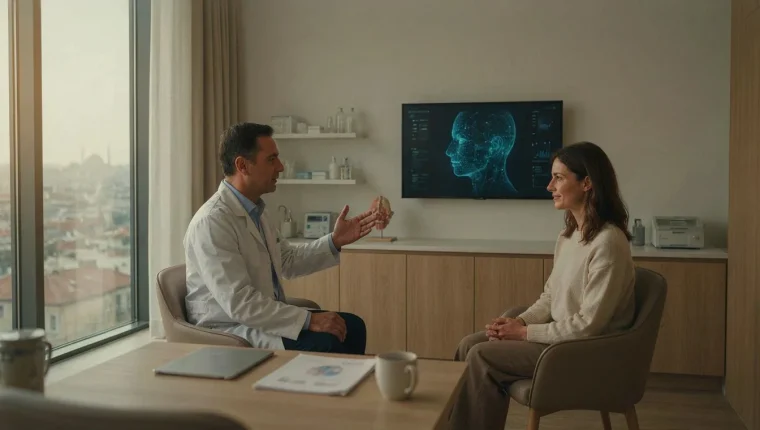
Turkey has become one of the world’s busiest destinations for nose surgery, and that popularity cuts both ways. Genuine surgical expertise exists here, but aggressive marketing can make every clinic look equally qualified. If you are comparing options for a best rhinoplasty clinic Turkey search, the difficulty is rarely finding a provider. The challenge is distinguishing those with a genuine rhinoplasty focus from those that simply advertise well.
Rhinoplasty is not a procedure where the cheapest quote or the flashiest before-and-after grid should decide things for you. The outcome depends on the surgeon’s technique, their experience with noses like yours, the clinic’s follow-up standards, and how honestly they communicate risk. Cost and travel logistics matter too, but they sit on top of those foundations, not in place of them.
What follows is a practical way to weigh all of it together, so your final choice rests on evidence rather than persuasion.
Why Turkey Has Become a Leading Destination for Nose Surgery
Turkey’s rise in nose surgery is structural, not accidental. Istanbul and Ankara now host a dense concentration of clinics where rhinoplasty is a core specialty rather than an occasional procedure. That volume matters: surgeons who perform high numbers of nose operations refine their techniques faster, and clinics build teams, operating rooms, and aftercare systems around a single procedure instead of spreading resources thin.
Cost is the most visible driver. A rhinoplasty in Turkey typically costs a fraction of what patients pay in Western Europe or North America, and the gap is not purely a quality discount. Lower operating costs, favorable exchange rates, and high patient throughput all feed into the price. Modern private hospitals with accredited surgical suites are common, and medical tourism infrastructure — airport transfers, translators, recovery hotels — is well developed in major cities.
What makes Turkey a serious option is the combination: trained surgeons, modern hospital infrastructure, and a service ecosystem built specifically around international patients. But popularity alone guarantees nothing. A high volume of clinics means a wide range of quality, and marketing budgets do not always reflect surgical skill. The same conditions that make Turkey attractive also make careful vetting essential.
What to Look for in the Best Rhinoplasty Clinic Turkey Offers

Comparing clinics side by side gets much easier once you know what actually signals quality. The most reliable indicators are not the ones that appear in glossy ads — they are the structural, verifiable details that affect your safety and your result. A clinic that is genuinely strong will be transparent about all of them, while a marketing-driven one tends to keep the conversation on price and package deals.
Start with the surgeon’s own practice pattern. Rhinoplasty is a technically demanding operation with a long learning curve, and a surgeon who performs it daily will approach your case differently from one who does it occasionally between breast augmentations and liposuction. Ask how many rhinoplasties the surgeon performs each month and what share of their total caseload that represents. A focused practice usually means more predictable outcomes and better handling of complications.
Then examine the infrastructure around the surgeon. Your operation depends on far more than the person holding the scalpel.
- Surgical facility and accreditation: Confirm whether the clinic operates in a fully accredited hospital or a standalone surgical center, and whether that facility meets international standards for sterility and patient monitoring.
- Anesthesia staffing: A dedicated anesthesiologist or nurse anesthetist should be present for the entire procedure — not shared across multiple simultaneous operations.
- Emergency protocols: Ask what happens if bleeding, an airway problem, or another complication arises. A serious clinic will have a clear answer and access to intensive care.
- Aftercare and remote follow-up: Since most patients travel home within a week or two, find out who monitors your healing afterward, how check-ins are scheduled, and whether video consultations are part of the standard plan.
- Revision policy: Understand in advance what the clinic offers if a secondary procedure becomes necessary, including any costs you would still be responsible for.
Communication quality ties all of these together. A clinic that answers your questions promptly, explains the limits of what surgery can achieve, and discusses risks without prompting is showing you how it will behave after you have paid. Honesty about what rhinoplasty cannot fix is often a stronger signal of a good provider than any promise about the result.
How to Verify Surgeon Credentials and Board Certifications
Clinics know that credentials are a selling point, so the wording on their sites is often polished to sound more official than it is. The skill you need is separating a genuine, verifiable qualification from a decorative title. Start by learning the difference between the main legitimate pathways. Plastic surgery board certification typically means a surgeon completed a recognized residency in plastic, reconstructive, and aesthetic surgery and passed that specialty’s exams. Many excellent rhinoplasty surgeons instead come through an ENT (ear, nose, and throat) or facial surgery route, which trains them specifically on nasal anatomy and function. Both paths can produce skilled operators; what matters is that the claimed credential is a real, exam-based specialty, not a weekend course, an online “fellowship,” or a certificate issued by an organization the surgeon founded themselves.
Then verify rather than assume. Registration with Turkish medical authorities, such as the relevant provincial health directorate and the national physician registry, confirms a doctor is licensed to practice in Turkey. Membership in international bodies — for example recognized plastic surgery or ENT societies — adds a second layer, but check the society’s own directory directly instead of trusting a logo on a homepage. A credential you cannot find in an independent registry is one you should not rely on.
Hospital privileges carry real weight here. A surgeon who holds operating rights at an accredited hospital has been vetted by that institution, which is harder to fake than a website badge. Finally, ask pointed questions: how many revision rhinoplasty cases do they personally perform each year, and how are complications tracked and reported? A confident, specific answer tells you more than any certificate.
Evaluating Before-and-After Results and Patient Reviews
Photo galleries and review sections are where hope meets hype, and the gap between the two is often invisible unless you know what to look for. Start with the technical basics of the images themselves. Consistent camera angles, the same lighting setup, identical backgrounds, and clearly labeled timeframes after surgery are signs that a clinic is documenting results rather than styling them. When lighting, lens distance, or head position shifts between the “before” and “after” shots, comparison becomes meaningless — and that inconsistency is itself information. Watch for over-smoothed skin, warped backgrounds, or noses that seem to change shape between photos in the same series.
Equally important is whether the results shown resemble your starting point. A gallery full of thick-skinned, bulbous noses tells you little if your concern is a thin-skinned dorsal hump. Look for patients with similar skin thickness, ethnic features, and revision history to your own, because rhinoplasty outcomes depend heavily on tissue behavior, not just surgical skill.
Reviews deserve the same scrutiny. Read for patterns rather than isolated opinions: how the clinic communicated before travel, what aftercare looked like once the patient flew home, and how complications or dissatisfaction were handled. A pattern of specific, verifiable detail — dates, recovery milestones, named staff — carries far more weight than a wall of five-star adjectives. Treat extreme praise and extreme criticism with equal caution; both are often written in the heat of the moment. The most useful reviews describe expectations, what actually happened, and how the clinic responded when something went wrong.
Understanding Consultation, Pricing, and What's Included
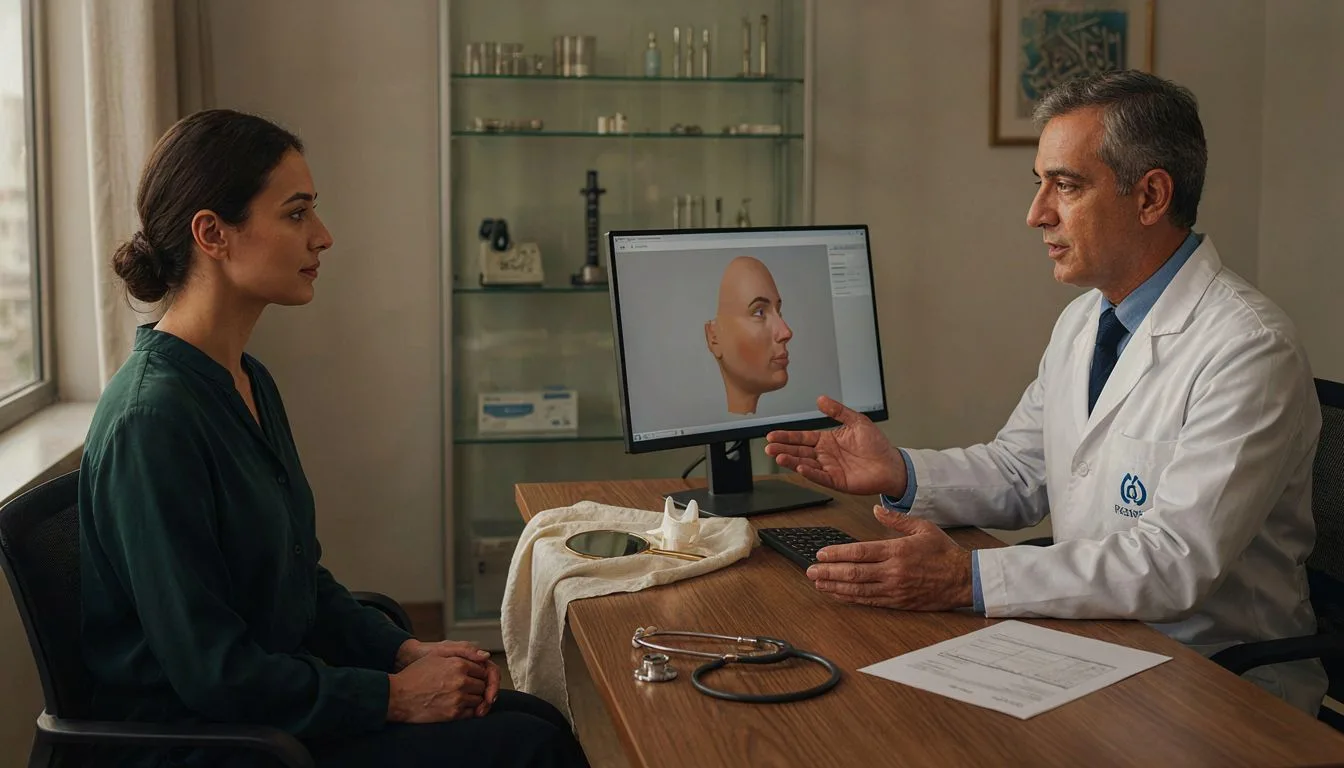
A consultation is the moment where marketing gives way to specifics, so treat it as a working session rather than a courtesy call. A proper rhinoplasty consultation should include facial imaging or morphing so you can see proposed changes on your own face, a functional breathing assessment, and an honest discussion of what surgery can and cannot achieve. Be cautious with any surgeon who promises a guaranteed “perfect” nose or skips the breathing evaluation entirely.
Ask for the quote in writing and read it line by line. Most transparent quotes itemize the surgeon’s fee, hospital and operating room charges, anesthesia, medications, splints, and follow-up visits. The clearest signal of a fair offer is a written, itemized quote with defined revision terms—not a single round number delivered verbally.
| Usually included | Often charged separately |
|---|---|
| Surgeon and anesthesia fees | Revision surgery |
| Hospital stay and operating room | Extended accommodation or extra nights |
| Standard medications and splints | Complications or additional procedures |
| Initial follow-up visits | Remote aftercare beyond the stated window |
| Airport transfer (often) | Flights, travel insurance, interpreter fees |
The cheapest package frequently shifts cost into aftercare, revision, or accommodation, so compare total value rather than headline price. Before paying, confirm the deposit amount, refund and cancellation policy, which currency the price is fixed in, and exactly what happens if your plans or health change.
Preparing for Surgery and Planning Your Recovery Abroad
Once the clinic and surgeon are chosen, the trip itself becomes a logistics problem with a medical core. Most rhinoplasty patients stay in Turkey for roughly 7 to 14 days: the first days cover the operation and initial checks, then a follow-up visit confirms the splint can come off before the flight home. Flying is generally cleared around 7 to 10 days after surgery, once swelling is stable and there is no sign of complication. The single most important rule for this window is an honest recovery timeline — one that treats the body, not the calendar, as the deciding factor.
- Book accommodation near the clinic for at least the first week, so post-operative visits do not require long transfers while you are still swollen and tired.
- Arrange a companion for the first 48 hours after surgery, when anesthesia aftereffects and initial discomfort make independent movement difficult.
- Prepare medication and soft food in advance, and confirm with the clinic which prescriptions are provided versus which you must buy locally.
- Schedule the return-home follow-up before you travel, so a local doctor or the clinic’s remote team has a defined point of contact.
- Block work, school, and social commitments for at least two weeks, with a longer buffer if your job involves physical strain or public-facing appearances.
After you return home, the practical work continues: splints and swelling are managed on a schedule the clinic should give you in writing, and follow-up appointments can often be handled remotely through photos and video. Keep a simple daily log of swelling, breathing, and any pain, because patterns — not single bad days — tell the surgeon whether healing is on track. Plan the trip around recovery, not the other way round, and the experience stays manageable from the first consultation to the final check.
FAQs
How can I verify that a clinic is genuinely among the best rhinoplasty clinics in Turkey before booking?
Verify a clinic's credentials through Turkey's Ministry of Health database and confirm the surgeon holds board certification in plastic, reconstructive, or aesthetic surgery from the Turkish Society of Plastic Reconstructive and Aesthetic Surgeons. Cross-check the surgeon's name against ISAPS or EBOPRAS registries, then review before-and-after galleries and independent patient reviews on platforms like RealSelf to confirm consistent, natural-looking results. Request a video consultation to assess the surgeon's communication and ask directly how many rhinoplasty procedures they perform monthly and what revision rate they track.
What should I ask about a surgeons revision rhinoplasty experience and complication rates during a consultation?
Ask how many revision rhinoplasties the surgeon performs each year and what percentage of their total nose surgeries are revisions, since high-volume revision specialists tend to produce more predictable outcomes. Request their personal complication rates for the specific problems you care about, such as infection, airway obstruction, graft resorption, and the need for a further revision. Ask how they define a successful result, how many of their revision patients require a third operation, and whether they will show you before-and-after photos of patients with a similar nasal structure and prior surgery history.
Which accreditations, hospital privileges, and aftercare guarantees matter most when comparing rhinoplasty clinics in Turkey?
Prioritize clinics whose surgeons hold certification from the Turkish Society of Plastic, Reconstructive and Aesthetic Surgeons (TSPRAS) or ISAPS, and verify that the hospital or accredited surgical facility where the operation takes place meets JCI or Turkish Ministry of Health standards. Hospital privileges matter because they confirm the surgeon is authorized to operate in a licensed facility with proper anesthesia and emergency support, not just a standalone office. For aftercare, look for a written guarantee covering a defined number of follow-up visits, revision surgery terms, and a clear complication policy, since these commitments reveal how the clinic handles problems after you return home.