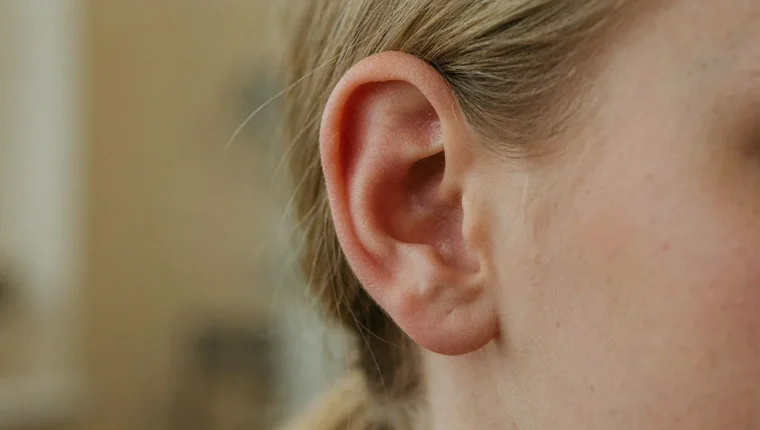
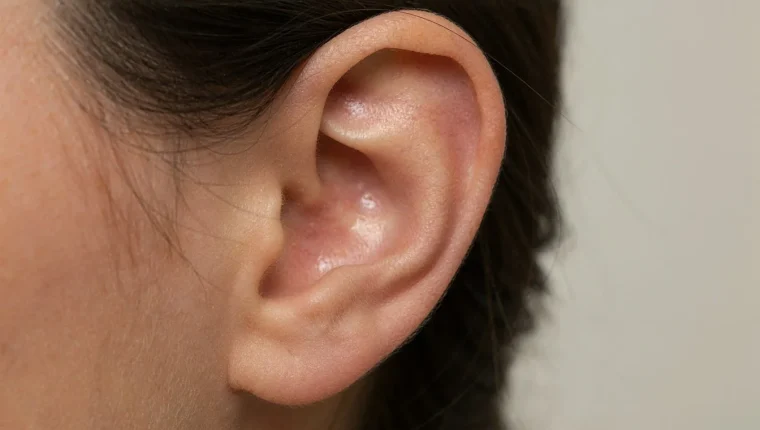
Otoplasty—the surgical correction of prominent or misshapen ears—is a procedure where the price gap between countries can be surprising. In the United States, patients often pay $4,000 to $8,000 for the same surgery, which costs a fraction as much in Turkey. But why does this difference exist, and does a lower price mean lower quality? The short answer: usually not.
This guide breaks down the real numbers behind otoplasty Turkey vs USA cost, explains what drives the price difference, and shows what a Turkish treatment package typically includes—from surgeon fees to aftercare. By the end, you’ll know exactly what to expect from both options and which one makes sense for your budget and comfort level.
Understanding Otoplasty: What the Procedure Involves
Otoplasty, commonly known as ear pinning surgery, is a procedure designed to reshape, reposition, or reduce the size of the ears. Most patients seek it for protruding ears, but surgeons also correct congenital deformities, asymmetry, and damage caused by injury. Unlike many cosmetic operations, it is frequently performed on children as young as five, once ear cartilage is developed enough to hold its new shape.
The surgery itself is typically done under local anesthesia with sedation for adults, while children usually receive general anesthesia. Through a small incision hidden behind the ear, the surgeon removes or reshapes cartilage and uses permanent internal sutures to secure the ear closer to the head. This technique, known as cartilage-sparing otoplasty, preserves the ear’s natural contours while delivering long-lasting results.
Most procedures take one to two hours, and patients return home the same day. Recovery is relatively straightforward: a compression headband is worn for the first week and then at night for several weeks. Swelling and mild discomfort subside within days, and most adults resume work within a week. Visible scarring is minimal because the incision sits in the natural crease behind the ear.
Otoplasty is almost always considered elective rather than medically necessary, which is why insurance rarely covers it. That classification is precisely what makes the price gap between countries so significant for patients—and why understanding exactly what the procedure involves helps you evaluate what you are actually paying for in each market.
Why Patients Compare Ear Surgery Prices Between Turkey and the USA
When patients begin researching cosmetic ear surgery, the first thing they usually discover is how dramatically prices vary between countries. An operation that costs $4,000 to $8,000 in the United States can often be arranged in Turkey for a fraction of that figure, even after adding flights and accommodation. This gap is large enough that comparing options has become a standard step in the decision-making process rather than an unusual shortcut.
The motivation behind these comparisons is rarely about cutting corners. Most patients simply want to understand what drives the difference and whether a lower price means a compromise in care. The reality is that several structural factors create the pricing gap between the two markets:
- Lower operating costs in Turkey — surgeon fees, clinic overhead, and staff salaries are significantly lower, which is reflected directly in the final quote without necessarily reducing surgical standards.
- Currency advantage — the exchange rate between the US dollar and the Turkish lira means international patients effectively pay less while clinics remain profitable in local terms.
- All-inclusive medical tourism packages — Turkish clinics typically bundle surgery, hotel stays, transfers, and aftercare into one price, whereas American quotes usually cover only the surgeon’s fee.
- Separate billing in the USA — American patients often receive three distinct bills: the surgeon, the anesthesiologist, and the facility, which adds costs patients may not anticipate upfront.
- High insurance barriers — because otoplasty is usually classified as cosmetic, US insurers rarely contribute, pushing patients to look for more affordable alternatives abroad.
What this comparison ultimately reveals is that patients are not just shopping for the lowest number — they are trying to weigh total value, including surgeon experience, facility quality, and follow-up care. Understanding why the price gap exists makes it possible to evaluate quotes from both countries on a like-for-like basis, which is exactly what the sections that follow will break down in detail.
Otoplasty Cost in the USA: What You Can Expect to Pay

In the United States, otoplasty is almost always priced as cosmetic surgery, which means patients pay out of pocket for every element of the procedure. The widely quoted range of $4,000 to $8,000 typically covers only the surgeon’s fee—and that’s where American billing becomes a lesson in sticker shock.
Beyond the surgeon’s fee, you’ll need to budget separately for anesthesia and facility fees, which can easily add $1,500 to $3,000 to your final bill. Hospital operating rooms cost more than private surgical suites, and anesthesiologist charges are billed independently. Add the pre-operative consultation (often $100–$300), post-operative garments, prescription medications, and follow-up visits, and a realistic all-in total frequently lands between $6,000 and $10,000.
Geography matters, too. Surgeons in New York, Los Angeles, and Miami tend to charge premium rates, while practices in the Midwest and South may come in 15–25% lower for comparable work. A board-certified plastic surgeon with a strong ear surgery portfolio will generally sit at the higher end of any local market—and for a delicate procedure like cartilage-sparing otoplasty, that premium is often justified.
Insurance rarely helps. Because the procedure is classified as cosmetic in most cases, claims are denied unless a documented functional issue, such as hearing impairment caused by ear structure, can be proven. Financing options like medical credit plans exist, but they simply spread the cost rather than reduce it.
This is precisely the baseline patients should keep in mind when weighing the alternatives: American pricing is transparent but unbundled, and every line item counts toward the total.
Otoplasty Cost in Turkey: Pricing Breakdown and Inclusions

Turkey has become one of the most popular destinations for cosmetic ear surgery, and the numbers explain why. A standard otoplasty in Turkey typically costs between $1,500 and $2,500, a fraction of the $4,000 to $8,000 range patients face in the United States. This price gap is not a reflection of lower quality, but of the structural cost advantages discussed earlier—reduced operating expenses, favorable currency exchange rates, and lower surgeon fees relative to American private-practice economics.
What surprises many international patients is how much is bundled into a Turkish quote. Most clinics work on an all-inclusive package model, meaning the advertised price generally covers far more than the surgery itself.
A typical package includes the surgeon’s fee, anesthesia, hospital or clinic facility charges, pre-operative tests, compression garments, medications, and post-operative follow-up. Because medical tourism is deeply established in cities like Istanbul and Ankara, many providers also include airport transfers, hotel accommodation for the patient and often a companion, and a dedicated patient coordinator who assists with translation throughout the stay.
This bundling matters when comparing quotes. In the USA, the surgeon’s fee is usually just one line item, with anesthesia and facility fees billed separately and often adding thousands of dollars. In Turkey, the figure you are quoted is very close to the figure you actually pay.
Patients should still verify exactly what each package covers—revision policies, the length of hotel stay, and follow-up arrangements vary between clinics, so requesting a detailed written breakdown before booking remains a wise step.
The otoplasty Turkey vs USA cost comparison: a side-by-side look
Putting the two countries side by side makes the price gap impossible to ignore. When you line up the figures from the previous sections—$4,000 to $8,000 in the USA against $1,500 and $2,500 in Turkey—the difference is not a modest discount but often a 60–70% saving for the same procedure. Raw numbers only tell part of the story, which is why a structured cost-to-inclusion comparison is the most useful way to evaluate what you are actually getting for your money in each country.
The clearest way to see the difference is to break the comparison into its core components:
- Surgical fee: In the USA, the surgeon’s fee alone frequently consumes most of the total bill, while in Turkey it is bundled into one transparent price with no separate negotiation.
- Anesthesia and facility fees: American patients receive these as separate line items from the hospital or surgical center, whereas Turkish packages cover them automatically.
- Pre- and post-operative care: Follow-up visits, dressings, and suture removal are typically billed additionally in the USA but included in the Turkish all-inclusive package model.
- Travel and accommodation: These are always out-of-pocket in the USA, while many Turkish providers include hotel stays, airport transfers, and interpreter services in the quoted price.
- Compression headbands and garments: A small but recurring example—often an extra purchase in the USA, standard in Turkish packages.
When you add everything up, a US patient paying $6,000 for the surgery may realistically spend $7,500 or more once facility costs, follow-ups, and garments are included. A Turkish patient’s $2,000 package often ends up being the true total, sometimes even after flights are factored in. This is precisely why comparing sticker prices alone can be misleading.
It is worth remembering that a lower total does not automatically mean lower quality, nor does a higher price guarantee better results. The comparison simply clarifies what your budget covers in each country. The next section examines the variables that can shift these figures in either direction.
Factors That Influence the Final Price in Each Country
Whether you are quoted $2,000 or $8,000, the number on your estimate is never random. In both countries, the final figure is built from several moving parts, and understanding them helps you see exactly where your money goes—and where the savings in Turkey actually come from.
The most important of these is the surgeon’s fee and experience level. In the USA, a board-certified plastic surgeon practicing in Manhattan or Beverly Hills will charge significantly more than one in a smaller city, often pushing the total toward the higher end of the $4,000 to $8,000 range. In Turkey, the same logic applies: internationally recognized surgeons in Istanbul command higher prices than newer practitioners, though even premium Turkish fees rarely exceed the lower end of American pricing.
Technique also plays a role. A standard cartilage-sparing correction on both ears is typically less complex than revision surgery or cases requiring cartilage grafting, which demand more operating time and skill in any country.
Facility standards shape the price as well. American surgery is billed separately for the operating room, anesthesia, and aftercare, so a hospital setting can inflate the total substantially. Turkish clinics usually bundle these into a single package, which is why quotes there tend to feel more predictable.
In Turkey specifically, exchange rates and the volume-driven business model of medical tourism keep base prices low, while package tiers (basic, comfort, VIP) determine your hotel standard and how many follow-up visits are included. In the USA, geographic location and whether your case qualifies for any insurance contribution are the biggest swing factors.
The practical takeaway: always request an itemized quote. Knowing whether anesthesia, follow-up visits, and a compression headband are included lets you compare offers on equal footing, in either country, before you commit to a date.
Medical Quality and Surgeon Credentials: How the Two Countries Compare
Cost alone tells only half the story. When the price difference between two countries is this significant, the natural question becomes whether a lower price means lower standards. In practice, both countries can deliver excellent outcomes, but the systems behind that quality work differently.
In the United States, otoplasty is performed by board-certified plastic surgeons, facial plastic surgeons, or pediatric otolaryngologists. The American Board of Plastic Surgery certification is the benchmark patients are advised to look for, as it confirms years of accredited surgical training and ongoing examinations. US surgeons also operate in accredited hospitals or licensed surgical facilities, and malpractice insurance adds a layer of formal accountability.
Turkey’s leading private hospitals follow a similar structure. Many hold JCI (Joint Commission International) accreditation, a globally recognized standard that requires documented safety protocols, sterilization procedures, and staff qualifications. Otoplasty in Turkey is typically performed by plastic surgeons who completed six years of medical school followed by residency training in plastic and reconstructive surgery.
The practical difference lies in how you verify credentials. In the USA, you can independently confirm a surgeon’s board certification, disciplinary history, and hospital privileges through public registries before booking anything. In Turkey, this research matters even more: patients should directly ask for the surgeon’s name, specialty board, and the operating facility—not just the clinic or intermediary agency handling the booking. A small share of clinics in Turkey rely on coordinators rather than surgeons for patient communication, so insisting on a direct consultation with the operating surgeon is essential.
One more factor worth noting: revision rates. Both countries have experienced surgeons and surgeons with weaker track records. Rather than assuming cost predicts quality, evaluate each provider individually—before-and-after photos of ear surgery specifically, verifiable credentials, and post-operative follow-up terms. A $1,800 procedure by a well-credentialed Turkish surgeon in a JCI-accredited hospital can be as safe as a $6,000 procedure in the USA, but that safety comes from doing the verification work yourself, not from the price tag.
FAQs
Why is otoplasty significantly cheaper in Turkey than in the USA?
Otoplasty is significantly cheaper in Turkey primarily because of lower operating costs, including surgeon fees, clinic overhead, and staff wages, which are far below those in the USA. The high volume of medical tourism allows Turkish clinics to spread fixed costs across many patients and offer competitive package prices. Favorable exchange rates between the Turkish lira and the US dollar further reduce costs for international patients. Many surgeons also perform high numbers of ear surgeries annually, adding efficiency without compromising quality in accredited facilities.
Does the lower price in Turkey include extras like hotel stays and aftercare?
The lower price in Turkey typically covers only the surgical procedure itself—such as the surgeon's fee, anesthesia, and hospital costs. Extras like hotel accommodation, transfers, medications, and post-operative aftercare are often bundled into package deals, but this varies between clinics, so you should confirm exactly what is included before booking. Always ask for a detailed breakdown so you can compare offers accurately and avoid unexpected costs during your stay.
Is it safe to travel to Turkey for otoplasty, and how do surgeon qualifications compare with those in the USA?
Yes, traveling to Turkey for otoplasty is generally safe when you choose a board-certified plastic surgeon and an accredited, well-reviewed clinic, as Turkey is one of the world's leading medical tourism destinations with high surgical volumes and modern facilities. Turkish surgeons often hold international training and memberships in organizations such as ISAPS, and many have comparable qualifications and experience to their American counterparts, particularly in cosmetic ear surgery. However, since surgeon standards vary in any country, verify the surgeon's certification, hospital accreditation, before-and-after results, and aftercare arrangements before booking. Also factor in travel risks such as flying shortly after surgery and limited access to follow-up care once you return home.