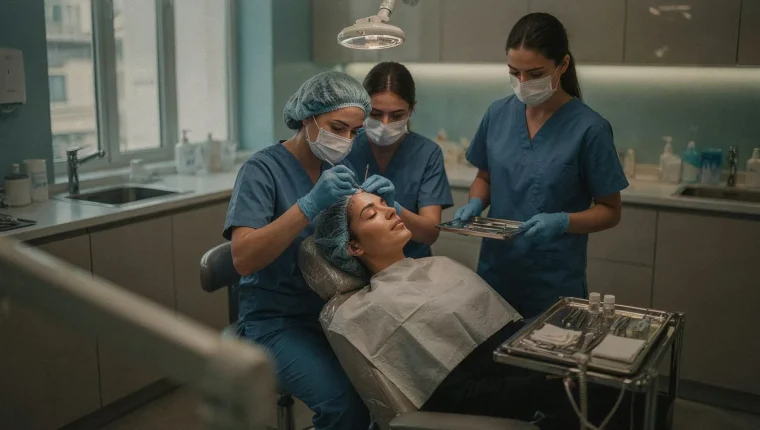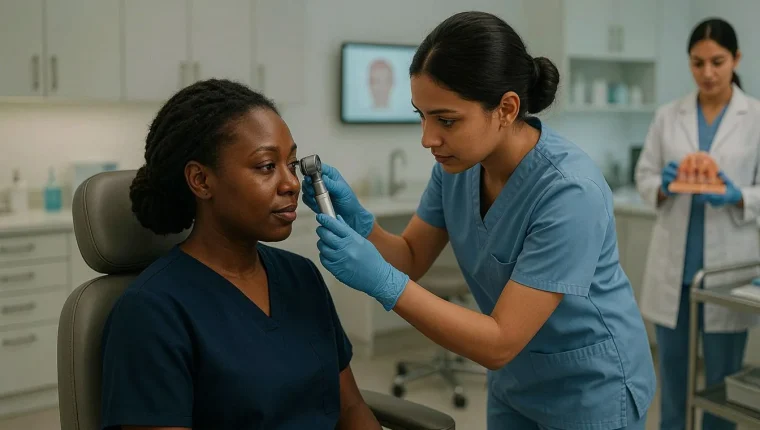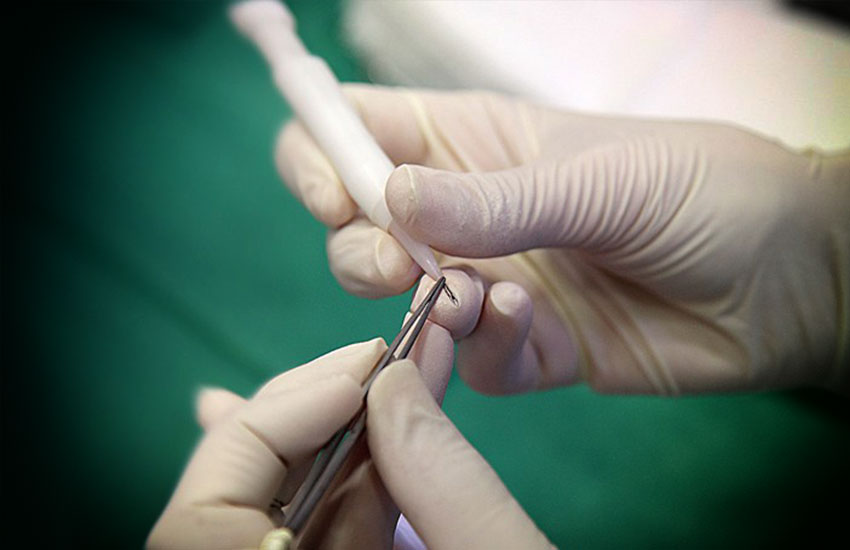
Preparing for a DHI hair transplant involves more than arriving at the clinic on the scheduled date. Your preparation should reflect your medical history, hair loss pattern, donor area, and the clinic’s specific instructions. Because treatment protocols can vary, follow the guidance provided by your hair restoration team rather than relying on general advice found online. Before the procedure, understand what is expected regarding personal care, medications, lifestyle habits, and the treatment-day routine. Taking these steps seriously can reduce avoidable risks, support a smoother appointment, and keep your expectations realistic from the beginning.
How to Prepare for DHI Hair Transplant: Initial Consultation and Evaluation
Use the initial consultation to establish whether DHI fits your pattern of hair loss, available donor hair, and personal expectations. Describe when shedding began, how it has changed, and any previous treatments or procedures. Bring photographs or records if they help show the progression. Your goals should be specific, such as improving the hairline, adding coverage to the crown, or creating a fuller overall appearance.
The clinician should examine both the donor area and recipient area, assess hair calibre and density, and explain how many grafts may be needed. Ask how the proposed hairline will suit your age and facial features, and whether the expected density is realistic. A careful assessment should also consider continuing hair loss, since transplanted follicles do not prevent untreated native hair from thinning.
Ask why DHI is being considered and whether another approach, such as FUE, may be suitable for your case. Discuss the number of sessions, approximate treatment timing, recovery, possible shedding, aftercare, and when new growth may become noticeable. These conversations should inform your decision rather than pressure you toward one technique.
Before booking, request clear information about the total cost, what it includes, who will perform each stage, and how follow-up will be handled. Confirm the clinic’s preparation instructions in writing and ask whom to contact if your health or plans change before treatment. Keep medical screening and medication questions for your clinician, as individual advice is essential.
Medical Checks and Medication Guidance Before DHI
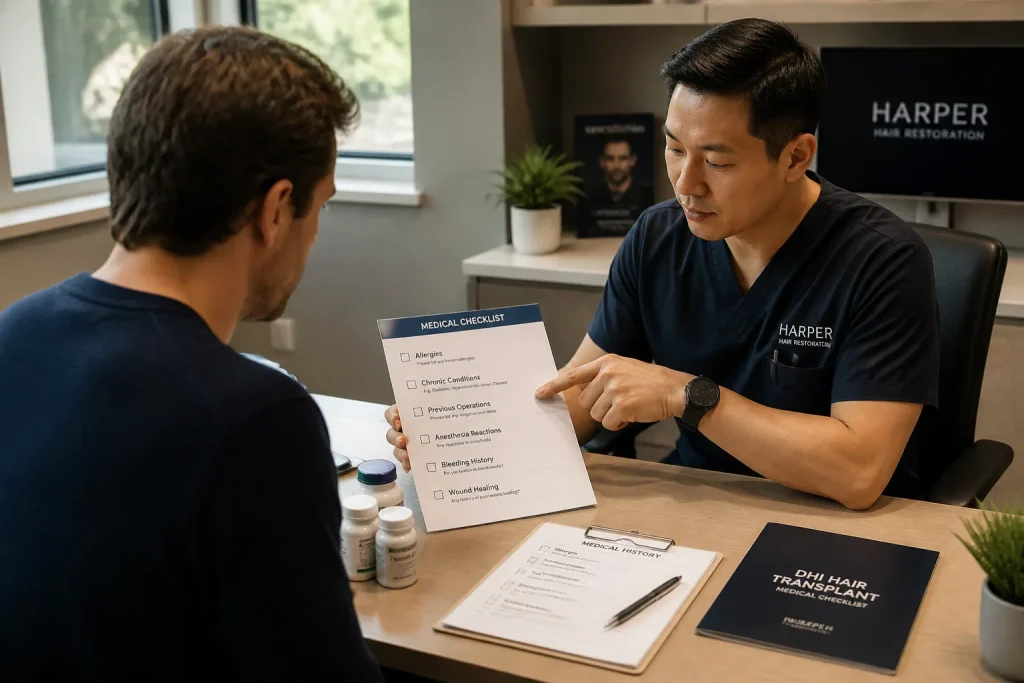
Before DHI, give the clinical team a complete picture of your health rather than relying on memory during the appointment. Prepare a list of current prescription medicines, over-the-counter products, vitamins, and herbal supplements. Also mention allergies, chronic conditions, previous operations, reactions to anesthesia, and any history of excessive bleeding or poor wound healing.
Some medicines and supplements may affect bleeding, blood pressure, or the suitability of treatment. However, never stop or reduce a prescribed medicine without approval from the doctor who manages it and the hair transplant provider. This is especially important for anticoagulants, antiplatelet medicines, blood-pressure drugs, and treatments for long-term conditions. The clinic can explain whether any adjustment is appropriate and how it should be coordinated safely.
Depending on your medical history and the clinic’s protocol, you may need blood tests or another health assessment before the procedure. These checks can help identify issues that could influence eligibility, local anesthesia, or recovery. Ask whether existing test results are acceptable and how recently they must have been completed.
Tell the clinic if you smoke, use nicotine products, or regularly drink alcohol, as these habits may affect preparation and healing. Ask specifically when to stop or resume them, rather than following general online advice. Report any new illness, skin infection, scalp irritation, or medication change before arriving, since the provider may need to reassess the timing of your DHI treatment.
Hair and Scalp Care in the Weeks Before Treatment

In the weeks before DHI, keep your scalp clean and in its usual condition rather than introducing an intensive new routine. Wash your hair according to your normal schedule unless the clinic gives different instructions. Your provider may recommend a specific shampoo or cleansing method before the appointment, so follow those directions instead of relying on general advice.
Do not assume that shaving or cutting the hair is always necessary. The surgeon may prefer a particular length to assess the donor area, plan graft extraction, or make implantation easier. Hair coloring, bleaching, perms, relaxers, and other chemical treatments should also be timed according to the clinic’s plan, as recently treated skin may be more sensitive.
Avoid harsh scrubs, irritating oils, strong styling products, and unapproved topical treatments. Heavy gels, waxes, sprays, or fibers can make the scalp harder to examine and clean. Report dandruff, redness, itching, sores, swelling, discharge, or any unusual scalp change before treatment. These symptoms may require assessment or treatment before the procedure, even if they seem minor. Do not apply medication or attempt to remove a scalp condition aggressively without professional guidance.
What to Eat, Drink, and Avoid Before Your Procedure

Eating and drinking instructions before a DHI procedure depend on the clinic’s protocol and whether any form of sedation is planned. Confirm in advance whether you should fast, eat normally, or avoid specific foods. Do not assume that fasting is necessary for every hair transplant appointment.
If your provider allows food, a light, balanced meal containing protein and complex carbohydrates may help you feel comfortable during a longer session. Drink enough water to remain hydrated, but follow any limits given by the medical team. Tell the clinic about food allergies, diabetes, dietary restrictions, or previous problems with fasting so the plan can be adjusted safely.
Alcohol should generally be avoided before treatment because it may affect judgment, hydration, and procedural safety. Smoking and recreational substances should also be discussed with the clinic and may need to be stopped beforehand. Excessive caffeine can increase nervousness or make it harder to remain comfortable, so ask whether you should limit coffee, energy drinks, or similar products.
Clinic-specific fasting instructions take priority over general advice. Ask when you should have your last meal and drink, and contact the provider if you accidentally eat, drink alcohol, or use a substance against the instructions. Medication-related interactions should be reviewed with the medical team rather than managed independently.
What to Pack and Expect on the Day of DHI

Plan to arrive with enough time for check-in, paperwork, and a final conversation with the clinical team. Bring photo identification, consent documents, booking or payment details, and any items the clinic has specifically prescribed or requested. Keep your phone available for contact, but avoid bringing valuables that could be inconvenient during a lengthy procedure.
Wear loose, comfortable clothing with a front opening, such as a zip-up jacket or button-down shirt. This allows you to change or leave the clinic without pulling fabric over the treated scalp. Follow the clinic’s instructions about food, fluids, and personal care on the morning of treatment rather than relying on general advice.
The day may include pre-procedure photographs, hairline or graft planning, scalp preparation, and administration of local anesthetic. DHI is typically performed in stages, including donor-area extraction and implantation into the recipient area, so the schedule can take several hours and may include short breaks.
Arrange transportation or an accompanying adult if the clinic recommends it, particularly if medication could affect alertness or driving. Before leaving, confirm how to protect the grafts, when follow-up will occur, and whether you can return to work or normal activities. Plan a quiet period afterward, since your immediate recovery needs depend on the procedure, your comfort, and the clinic’s aftercare instructions.
FAQs
How long before DHI should I stop taking certain medications?
Medication restrictions vary, but clinics commonly advise stopping blood-thinning medicines, aspirin, ibuprofen, and some supplements about 7–14 days before a DHI hair transplant because they may increase bleeding or bruising. Never stop prescribed medication without approval from the prescribing doctor and your hair transplant surgeon. They will provide a personalized timeline based on the drug, your health, and the planned procedure.
Can I wash my hair on the morning of a DHI transplant?
Yes, you can usually wash your hair on the morning of a DHI hair transplant, unless your clinic gives different instructions. Use a gentle shampoo, rinse thoroughly, avoid styling products, and arrive with clean, completely dry hair. Do not scrub or scratch the scalp, and follow your surgeon’s specific preparation guidelines.
Should I take time off work after the procedure?
Most people can return to desk-based work within one to three days after a hair transplant, although mild swelling, redness, or tenderness may remain. Jobs involving heavy lifting, strenuous exercise, dust, heat, or direct sun may require a longer break, often about one week or as advised by your surgeon. Follow your clinic’s aftercare instructions and request additional time off if discomfort or swelling makes normal activities difficult.