Wondering whether you could be a suitable Turkey hair transplant candidate? Eligibility is not decided by age or the number of grafts alone. A surgeon must consider the cause and pattern of hair loss, the condition of your donor area, your general health, and what you hope to achieve. Hair restoration may be appropriate for some people with stable thinning or baldness, while others may need medical treatment or further assessment first. Your expectations also matter, since a transplant can improve coverage but cannot recreate unlimited hair density. This article explains the main factors that influence suitability and why an individual consultation is essential before choosing FUE, DHI, or another approach.
What Makes Someone a Turkey Hair Transplant Candidate?
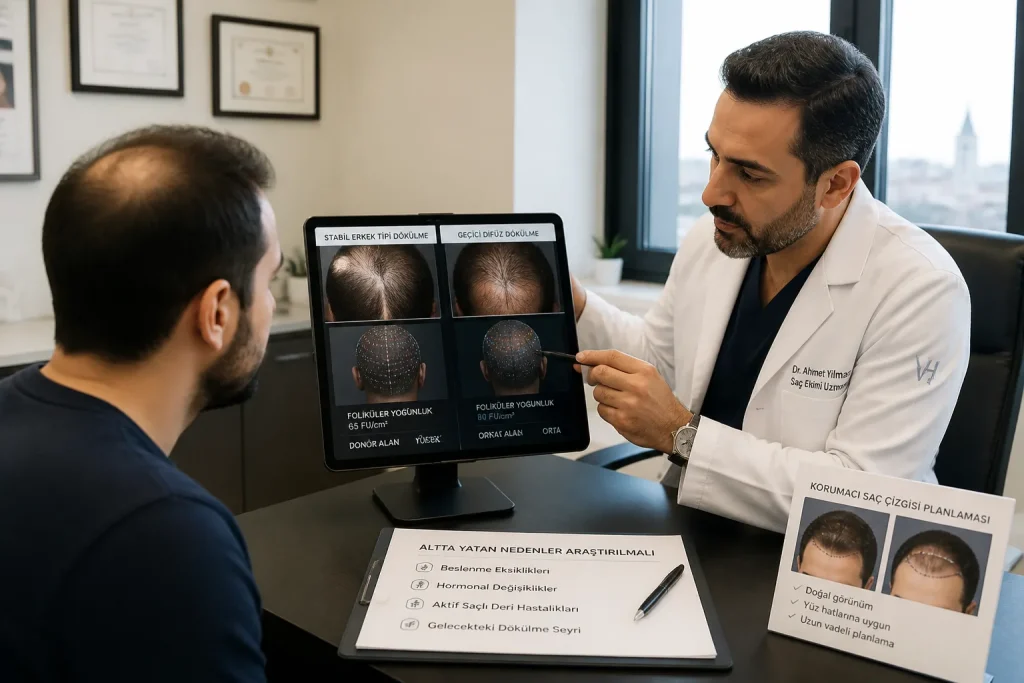
A suitable candidate usually has stable, permanent pattern hair loss rather than temporary shedding or an unexplained scalp condition. Before planning hair restoration, a surgeon may need to investigate causes such as nutritional deficiencies, hormonal changes, active scalp disease, or sudden diffuse hair loss. Treating the underlying issue first can be more appropriate than moving directly to surgery.
Realistic expectations are another central part of eligibility. A transplant redistributes existing hair follicles from the donor area to thinning or bald regions; it does not create unlimited density or stop future loss. Someone considering FUE or DHI should understand that the number of available grafts, the quality of the recipient area, and the likely progression of hair loss all influence the achievable result.
General suitability also includes having enough usable donor hair and being prepared to follow surgical instructions during recovery. Protecting the scalp, taking prescribed medication when appropriate, avoiding activities advised by the clinic, and attending follow-up appointments can support healing and graft survival.
Age alone does not determine whether someone is a Turkey hair transplant candidate, and photographs cannot confirm eligibility. An individualized consultation should include medical history, scalp examination, hair-loss assessment, and a discussion of goals. The surgeon can then decide whether treatment is appropriate now or whether observation and medical management should come first.
How Hair Loss Patterns Affect Your Eligibility
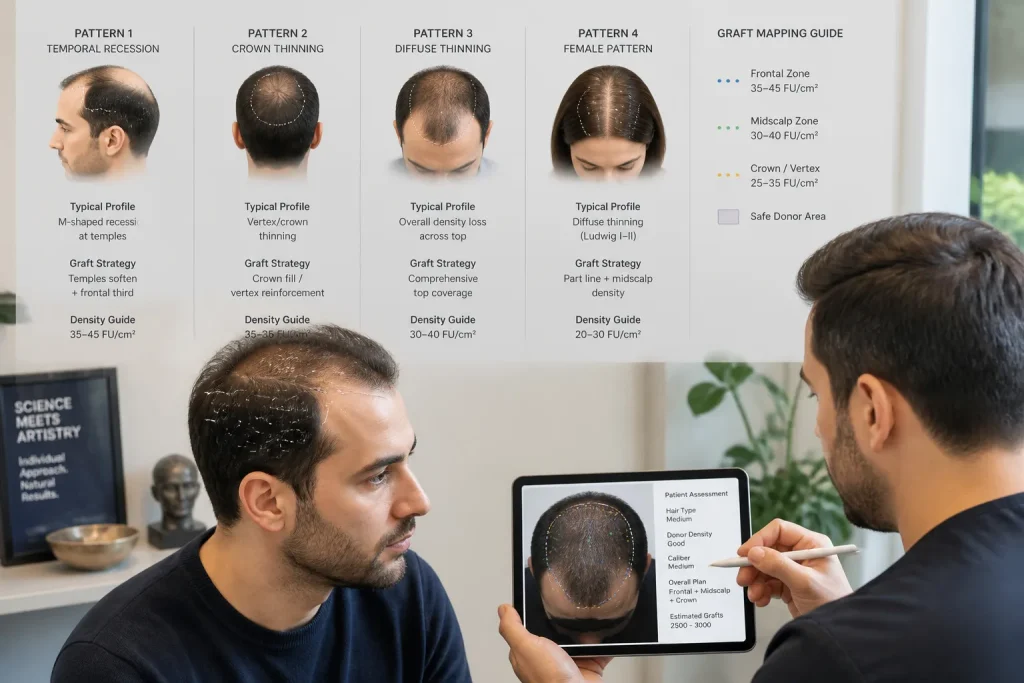
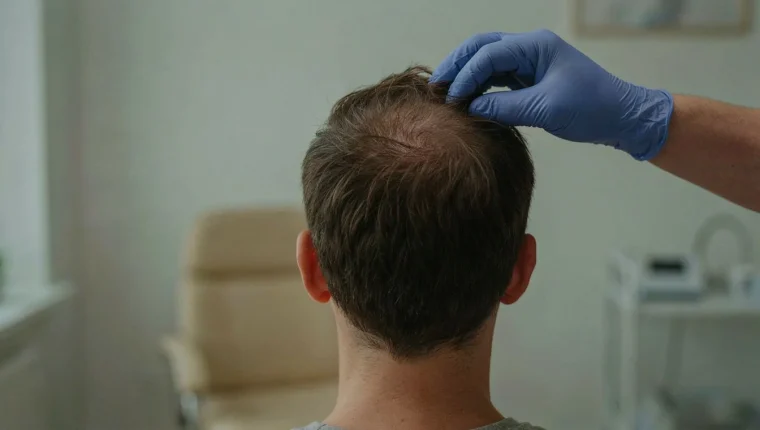
The pattern of hair loss helps determine whether transplantation is appropriate, how much coverage may be realistic, and when treatment should be considered. Male-pattern hair loss often affects the temples, hairline, and crown, while female-pattern thinning may appear more diffusely across the top of the scalp. These patterns require different planning because the available recipient area and desired density can vary considerably.
Receding hairlines and localized gaps may be suitable for targeted restoration if the surrounding loss is stable. Diffuse thinning can be more complex, particularly when reduced density affects both the areas receiving grafts and the rest of the scalp. A surgeon must assess whether transplanted follicles would create a natural transition rather than simply add density to an unstable pattern.
Identifying the underlying cause of hair loss should come before deciding on surgery. Ongoing shedding related to hormonal changes, nutritional deficiencies, medication, scalp conditions, or other medical issues may need attention first. Treating the cause can clarify how much permanent loss is present and whether the hairline or crown is likely to continue changing.
Timing also matters. If hair loss is still progressing, a transplant may require a more conservative design and long-term planning to avoid an uneven appearance later. A clinical assessment can distinguish temporary shedding from permanent follicle miniaturization and help determine whether hair restoration should proceed now or after the pattern becomes more stable.
Is Your Donor Area Strong Enough for Hair Restoration?
The back and sides of the scalp usually provide the follicles used for transplantation, so their condition directly affects what can be achieved in the recipient area. A surgeon assesses the donor area’s density, hair caliber, and follicle characteristics rather than judging suitability from appearance alone. Thick, naturally pigmented hair may provide better visual coverage, while fine hair or widely spaced follicles may limit the apparent density after restoration.
Donor-area density must also be considered alongside the safe extraction zone. Removing too many grafts or taking follicles too close to the boundaries can create visible thinning and reduce options for future treatment. Careful planning aims to preserve a natural appearance in the donor region while allocating grafts to areas where they will have the greatest cosmetic benefit.
Donor supply is limited. If the available follicles are sparse, weak, or spread across a small area, the plan may need to prioritize the hairline and essential coverage rather than maximum density. In some cases, one procedure may not provide the desired level of fullness, although the number of sessions should remain conditional on an in-person assessment.
It is also unwise to assume that hair at the back and sides will remain permanently unaffected. Donor-area thinning can occur in certain types of hair loss, so the surgeon should evaluate whether the region is genuinely stable. Examination of follicle quality and distribution helps determine whether FUE, DHI, or another approach is appropriate and what level of hair restoration is realistically possible.
Which Health Factors Should You Discuss With a Surgeon?
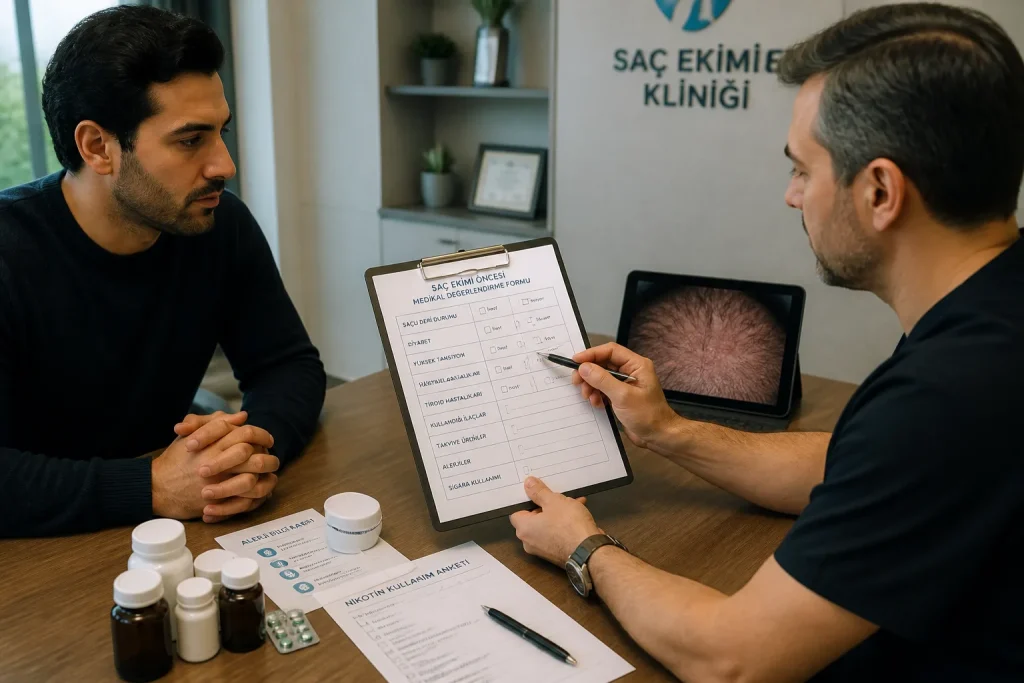
Before scheduling hair restoration, tell the surgeon about any scalp condition, including eczema, psoriasis, infection, persistent itching, or active inflammation. These issues may need medical attention before graft placement because a healthy scalp supports safer healing. Also mention chronic conditions such as diabetes, high blood pressure, autoimmune disorders, or thyroid disease, as they can influence preparation and recovery.
Provide a complete list of prescription medicines, supplements, and over-the-counter products. Blood-thinning medicines, some anti-inflammatory drugs, and certain supplements may affect bleeding, so never stop prescribed treatment without medical advice. Allergies to medicines, anaesthetics, or antiseptics should also be disclosed.
Smoking and nicotine use can affect circulation and may influence wound healing. Be honest about your smoking habits so the clinical team can give appropriate guidance. Previous scalp surgery, hair transplant procedures, or procedures involving the recipient or donor area may also change how FUE or DHI can be planned.
Depending on your history, the surgeon may request medical records, blood tests, or clearance from another doctor. These checks are individualized rather than universal eligibility rules, and they help the team decide whether treatment should proceed, be adjusted, or be postponed.
What Should You Expect From a Hair Transplant Evaluation in Turkey?
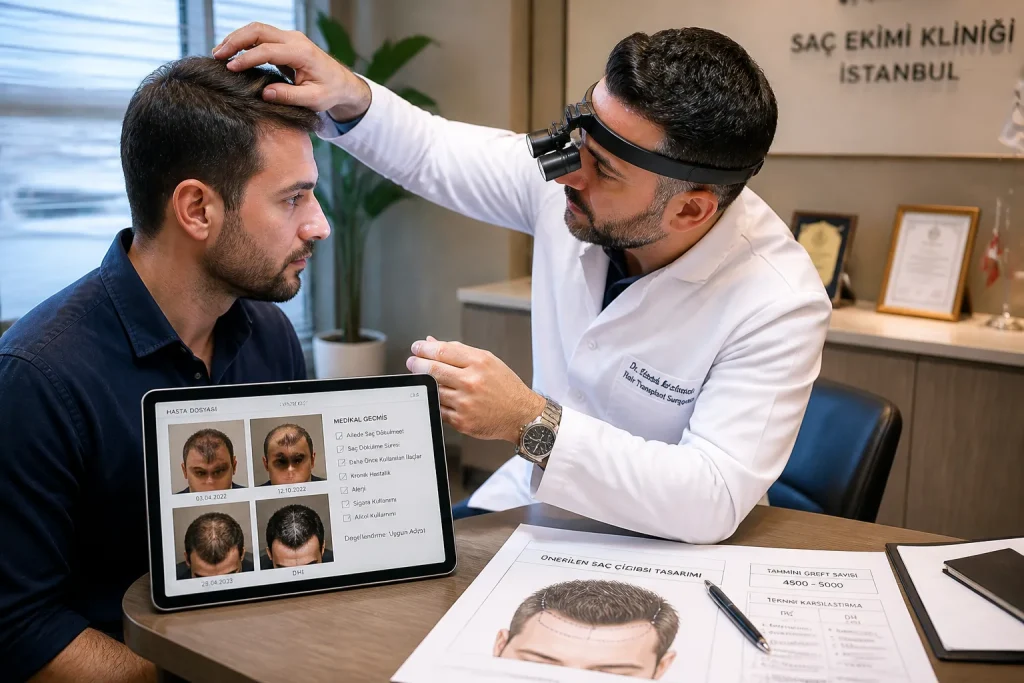
A hair transplant evaluation in Turkey should begin with a detailed review of your medical history, previous hair-loss treatments, medications, allergies, and family pattern of hair loss. Bring clear photographs showing how your hair has changed over time, as this can help the surgeon assess progression and expectations.
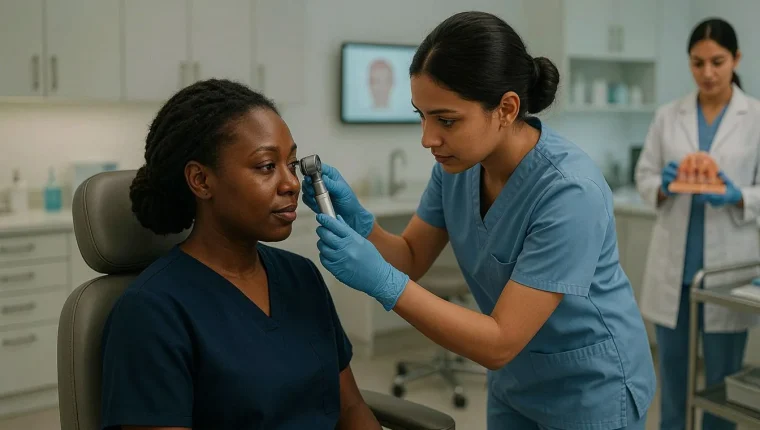
The examination usually includes close inspection of the scalp, recipient area, and donor area, sometimes with magnification to assess follicle quality and hair density. The surgeon should also consider whether ongoing hair loss needs further diagnosis or medical management before planning surgery.
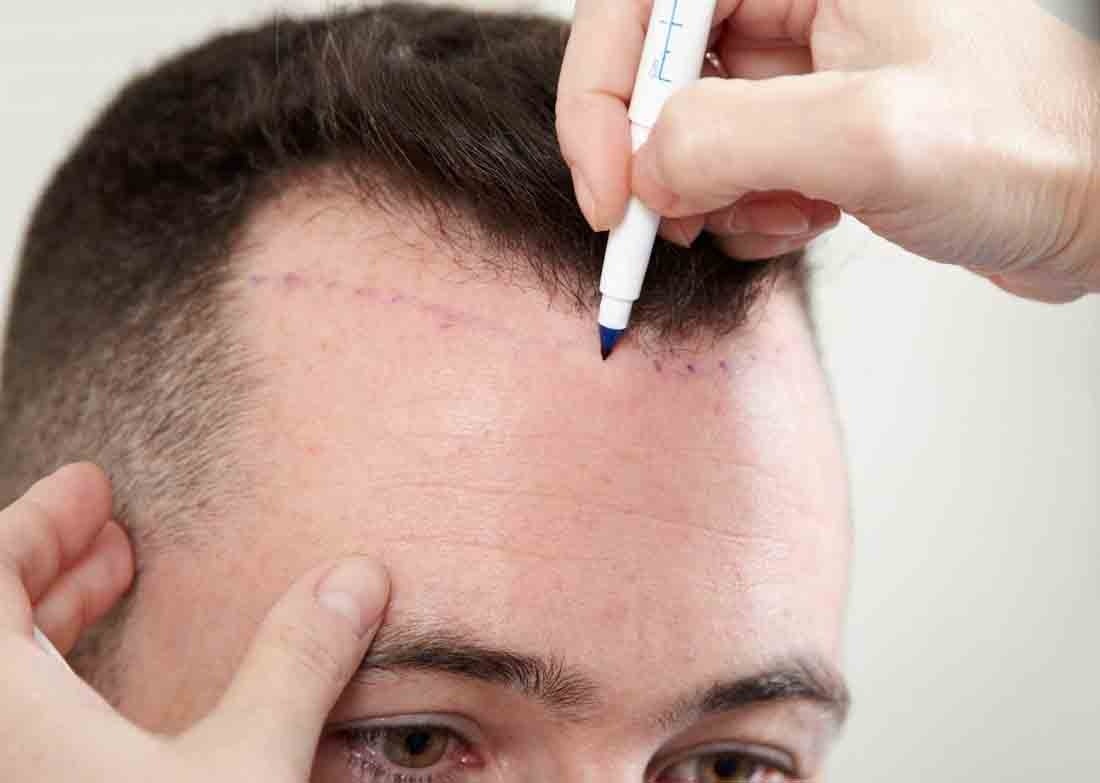
A credible consultation should explain the proposed hairline, estimated graft requirements, and why a particular approach may be suitable. FUE or DHI may be discussed when clinically relevant, but neither technique is automatically superior for every patient. You should also receive clear information about risks, recovery, temporary shedding, expected hair growth timelines, and aftercare.
Before deciding, ask who will perform each stage, what facility standards are followed, how follow-up is provided after you return home, and what happens if additional treatment becomes necessary. Individualized treatment planning is a key sign that the assessment is based on your needs rather than a fixed package.
FAQs
How much hair loss is needed before considering a transplant?
There is no fixed amount of hair loss required before considering a transplant. Candidates typically have noticeable, pattern-related thinning, sufficient donor hair, and a stable or manageable loss pattern; a transplant may be considered even in the early stages if thinning is clearly defined. A hair restoration specialist should assess the donor area, recipient area, hair density, age, and likely future shedding before recommending FUE, DHI, or another approach.
Can women be candidates for hair restoration in Turkey?
Yes, women can be candidates for hair restoration in Turkey if they have suitable hair loss patterns and enough healthy follicles in the donor area. FUE or DHI may be considered after a specialist assesses the cause of thinning, hair density, scalp health, and expectations. A medical consultation is essential because diffuse shedding or untreated conditions may require other treatment before transplantation.
Does age affect eligibility for a hair transplant?
Age can affect hair transplant eligibility, but there is no universal upper age limit. Surgeons usually assess whether hair loss has stabilized, the donor area contains enough healthy follicles, and the person is fit for the procedure; younger patients may be advised to wait if their pattern of hair loss is still progressing. A consultation can determine whether FUE, DHI, or another hair restoration approach is appropriate.