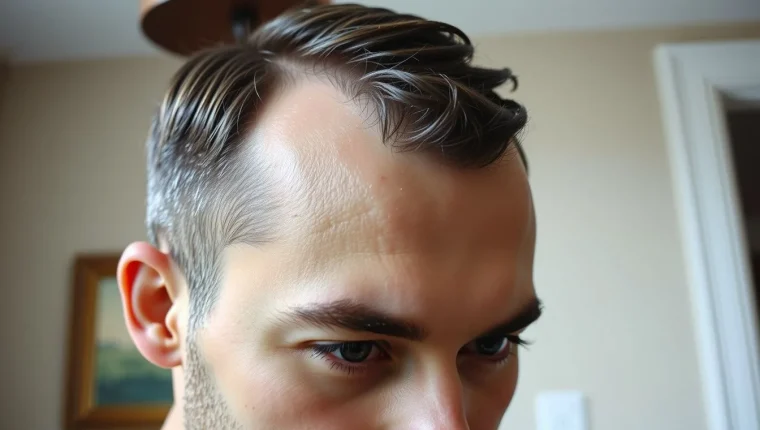
Noticing a bald spot for the first time is unsettling, especially when you cannot connect it to a recent haircut, illness, or obvious trigger. The patch may appear overnight or expand quietly over weeks, and the uncertainty often feels worse than the spot itself. What causes bald spots rarely has a single answer. Genetics, hormone shifts, immune reactions, skin conditions, nutritional gaps, and repeated physical stress on the scalp can all interrupt normal hair growth. These causes can look similar but behave differently, so the pattern, location, and timing of the loss matter. Identifying these details is the first step toward narrowing down what is happening.
Genetic and Hormonal Factors Behind Bald Spots
Many bald spots are not random events at all. They often trace back to inherited sensitivity and the way hormones interact with hair follicles over time. The most common driver is a genetic trait that makes certain follicles unusually responsive to androgens, particularly dihydrotestosterone (DHT). This androgen sensitivity gradually shortens the hair growth cycle, so each new strand emerges thinner and spends less time growing before it sheds.
Because this sensitivity is not spread evenly across the scalp, the resulting loss follows recognizable shapes. Follicles along the temples and crown tend to be the most vulnerable, which is why a receding hairline and thinning at the top of the head are such familiar patterns. In some people, the loss is more diffuse, spreading across the scalp rather than forming one distinct patch.
Hormonal shifts beyond heredity can also thin hair and create patchy or widespread shedding. An underactive or overactive thyroid can disrupt the growth cycle, and the dramatic hormonal changes after pregnancy or during menopause frequently leave hair noticeably thinner. These fluctuations are temporary for many people, but they can unmask an underlying genetic tendency.
Medical Conditions That Trigger Hair Loss in Patches
Some bald spots are not caused by genetics or hormones at all. Instead, they can be the visible result of a medical condition in which the immune system or a skin disease directly attacks or blocks the hair follicle. The most familiar example is alopecia areata, an autoimmune condition in which the body’s defenses mistakenly target its own hair follicles. This typically produces smooth, round patches of hair loss that appear suddenly, often on the scalp but sometimes on the beard or eyebrows. The skin inside these patches usually looks normal, without redness, scaling, or broken hairs, which helps distinguish it from other scalp problems.
Other conditions create patches through a different mechanism. Fungal infections such as tinea capitis invade the scalp and hair shafts, leading to scaling, itching, and broken hairs within the affected area. Scarring scalp disorders, including certain forms of lupus and lichen planopilaris, destroy the follicle permanently, so hair cannot regrow once the inflammation subsides. These conditions often leave the skin shiny, discolored, or unusually textured.
The key difference is pattern and speed. Autoimmune and infectious causes tend to produce well-defined, sudden patches, while gradual thinning across the scalp usually points to a different underlying process. Recognizing these distinct signs helps you describe what you are seeing accurately when you seek medical advice.
How Nutritional Deficiencies Contribute to Bald Spots

Hair is one of the fastest-growing tissues in the body, which makes it unusually sensitive to the nutrients circulating in your bloodstream. When the supply of a key nutrient drops, the hair follicle is one of the first structures to be sacrificed, and growth shifts from the active phase into a resting phase. The result is often a diffuse thinning across the scalp, though in some people it shows up as thin or patchy areas that resemble true bald spots.
Several nutrients matter most. Iron deficiency is a common culprit, particularly in menstruating women, because iron is needed for the oxygen delivery that fuels follicle activity. Low vitamin D has been linked to disrupted hair cycling, while zinc supports the repair and division of follicle cells. Protein is equally important: hair is largely made of keratin, so a prolonged shortfall in dietary protein pushes more follicles into shedding.
Deficiency-related loss usually develops gradually and spreads rather than forming a single sharply defined patch. Because many of these shortages produce similar symptoms, the only reliable way to confirm one is through proper testing rather than guesswork.
Physical Stress and Hair Pulling Habits That Damage Follicles
Physical stress on the body can disrupt the hair growth cycle in a delayed way. After a severe illness, surgery, high fever, or intense emotional strain, a large number of follicles may be pushed prematurely into the resting phase. This condition, known as telogen effluvium, typically causes noticeable shedding two to three months after the triggering event. Because the hair falls out weeks later, many people fail to connect the loss to the original stressor, which makes the timing clue easy to miss.
Repeated pulling and tension create a different pattern of damage. Tight hairstyles such as braids, ponytails, or extensions can place constant strain on the roots, leading to traction alopecia that often begins along the hairline and temples. Similarly, trichotillomania, a compulsive hair-pulling habit, gradually weakens follicles through repeated trauma. In both cases, the damage accumulates slowly, and early intervention offers the best chance of regrowth.
When to Seek Professional Diagnosis and Treatment

Self-observation has limits, and certain signs mean it is time to stop guessing. Seek prompt evaluation if a bald spot spreads rapidly, if the scalp becomes painful, itchy, or scaly, if you notice pus, crusting, or broken hairs at the edges, or if the skin looks smooth and shiny, which can signal scarring that destroys follicles permanently. Loss that continues for more than a few weeks, or that comes with fatigue, weight change, or other systemic symptoms, also deserves medical attention.
A clinician typically begins with your history and a close scalp examination, sometimes using a dermatoscope to inspect follicles. Blood tests may check for iron deficiency, thyroid problems, or autoimmune markers, and a small scalp biopsy can confirm scarring or immune-related conditions when the picture is unclear.
Because treatment depends on the confirmed cause, an accurate diagnosis matters. Early intervention often prevents irreversible follicle damage, so when in doubt, a professional opinion protects the hair you still have.
FAQs
What causes bald spots to appear suddenly in young adults?
Sudden bald spots in young adults are most often caused by alopecia areata, an autoimmune condition in which the body's immune system mistakenly attacks hair follicles and interrupts normal hair growth. Other common triggers include telogen effluvium following severe stress, illness, or rapid weight loss, as well as scalp infections like tinea capitis and compulsive hair pulling known as trichotillomania. Because these causes require very different treatments, a dermatologist should evaluate any new patchy hair loss to confirm the diagnosis and rule out underlying medical conditions.
Can stress or poor diet really lead to bald spots?
Yes, both chronic stress and poor diet can contribute to bald spots, though they usually act as triggers or aggravating factors rather than sole causes. Stress can push hair follicles into a resting phase (telogen effluvium) or worsen conditions like alopecia areata, while deficiencies in iron, zinc, vitamin D, and protein can weaken hair growth and lead to patchy thinning. Addressing these lifestyle factors often supports recovery, but a proper diagnosis is important since bald spots frequently stem from genetics or medical conditions.
How do I know if my bald spot is caused by genetics or a medical condition?
Genetics typically cause patterned bald spots, such as a receding hairline or thinning crown, and usually develop gradually without itching, pain, or scaling. Medical conditions like alopecia areata, fungal infections, or thyroid disorders often produce sudden, patchy hair loss that may include redness, inflammation, or scaling on the scalp. A dermatologist can distinguish between the two by examining your scalp and reviewing your medical history, sometimes using a biopsy or blood tests for confirmation.