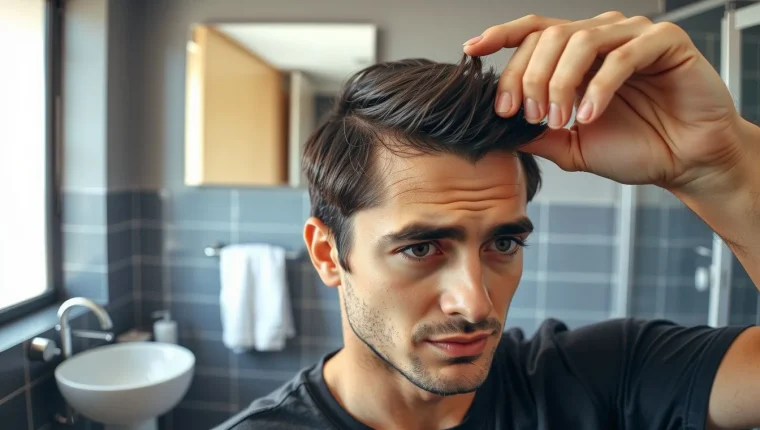
Noticing more hair in the brush or a widening part often raises the same quiet question: is this normal shedding, or something that will keep getting worse? Androgenic alopecia is a common medical condition affecting both men and women, not just a vague worry. It develops gradually because of specific biological factors and follows patterns that vary between individuals. Understanding why it happens, how it typically progresses, what treatment can realistically achieve, and which daily habits support long-term scalp and hair health makes the condition clearer and more manageable.
What Is Androgenic Alopecia and Why It Happens
Androgenic alopecia is a common, non-scarring form of hair loss that affects both men and women, though it tends to appear earlier and more predictably in men. It is estimated to affect roughly half of men by age 50 and a significant proportion of women after menopause, making it the most frequently diagnosed type of progressive thinning worldwide. Despite its prevalence, the condition is not simply a matter of “losing hair with age” — it reflects a specific, recognizable process that unfolds over years.
Androgenic alopecia stems from inherited sensitivity that gradually causes certain hair follicles to shrink. Rather than shedding suddenly, affected follicles produce thinner, shorter hairs with each growth cycle until they eventually stop producing visible strands. This follicular miniaturization is the defining feature of the condition and explains why thinning develops slowly and follows a patterned distribution.
It is important to distinguish this from other forms of hair loss. Temporary shedding, nutritional deficiencies, or stress-related loss typically affect the scalp more diffusely and may reverse once the underlying trigger resolves. Androgenic alopecia, by contrast, is a chronic, patterned condition with a known biological basis — which is why understanding what drives it matters before exploring how it progresses.
How Hormones and Genetics Drive Hair Follicle Miniaturization
Androgens are hormones that everyone produces, and they play a role in normal body functions. The key hormone in pattern hair loss is dihydrotestosterone (DHT), which is converted from testosterone by an enzyme called 5-alpha reductase. In people who are genetically predisposed, hair follicles on the scalp become sensitive to DHT in a way that follicles elsewhere on the body are not.
This inherited sensitivity is the decisive factor. When DHT binds to receptors in susceptible scalp follicles, it gradually shortens the growth phase of each hair cycle. Over successive cycles, the follicle produces thinner, shorter hairs until it eventually stops producing visible hair at all. This process, known as follicular miniaturization, explains why thinning is progressive rather than sudden.
Because the sensitivity is inherited, the pattern tends to run in families. It also explains why hair loss appears gradually: each cycle brings a small change that only becomes noticeable over months or years. Understanding this mechanism clarifies why a normal hormone can cause thinning in some people and not others.
Recognizing the Stages of Pattern Hair Loss in Men and Women

Pattern hair loss does not progress randomly; it follows recognizable routes that differ clearly between sexes. In men, thinning typically begins at the temples or crown, and these areas may eventually meet as the frontal hairline recedes. Women usually experience a different trajectory: diffuse widening of the part and overall density loss across the top of the scalp, while the frontal hairline often stays intact.
Clinicians use staging systems to classify how far this progression has advanced. The Hamilton–Norwood scale maps male patterns from early recession to extensive loss, while the Ludwig and Sinclair scales describe female patterns by widening and density. These systems exist to standardize severity, not to predict an exact timeline.
This is the key point for anyone trying to interpret their own reflection: a stage describes a pattern of progression, not a countdown. Two people at the same stage may have reached it at very different ages and speeds, and progression can pause or slow for years. A single photo, a bad hair day, or a seasonal shed cannot confirm a stage on its own.
Use these patterns as orientation, not diagnosis. A qualified clinician can confirm the pattern, rule out other causes, and help you judge where you sit—and what that means for how soon you might consider acting.
Evidence-Based Treatments for Androgenetic Hair Loss
Treatment for pattern hair loss is better framed around what is achievable than around a cure. No current therapy erases the underlying sensitivity of follicles to androgens, so realistic goals are slowing further loss, thickening existing hair, and supporting regrowth where follicles remain active. This distinction matters because expectations shape satisfaction, and because results depend heavily on starting before follicles are permanently lost.
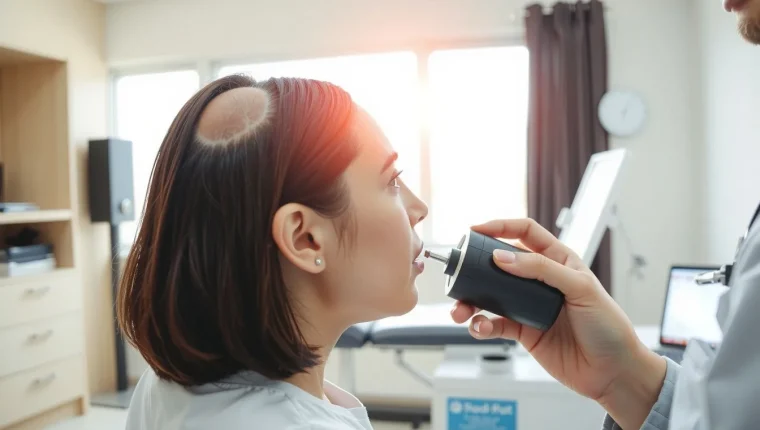
Options generally fall into three groups based on how they work. Topical treatments are applied directly to the scalp and are typically the first-line approach, with the best-established evidence supporting agents that prolong the growth phase and widen miniaturized follicles. Oral medications work systemically, influencing the hormonal pathway itself, and are generally reserved for more pronounced or progressive cases under medical supervision. Procedural approaches, including various forms of light or energy-based therapy, are used as adjuncts rather than replacements, and their supporting evidence is more variable than that of established topical and oral options.
Across all categories, evidence strength is not equal, and neither is the commitment each requires. Most effective treatments demand months of consistent use before visible change appears, and benefits typically fade if use stops. Because suitability depends on sex, age, health history, and the specific pattern of loss, selection should be guided by a clinician rather than by marketing claims alone.
Everyday Care and Long-Term Management Strategies

Daily care cannot reverse follicular miniaturization, but it can support the scalp environment where treatment does its work. Wash gently with a mild shampoo, avoid aggressive brushing or tight hairstyles that pull on fragile strands, and treat wet hair carefully since it stretches and breaks more easily. These habits will not regrow hair on their own, yet they reduce unnecessary mechanical loss that can make thinning look faster than it is.
Be skeptical of cosmetic products that promise regrowth. Most shampoos, serums, and supplements lack strong evidence for reversing pattern loss, and some simply improve the appearance of existing hair. Honest expectations matter here: a volumizing product can add texture, but it will not change the underlying process.
Long-term management is best understood as an ongoing process rather than a single fix. Treatments that work usually need continued use to hold their benefit, so periodic review with a clinician helps confirm the plan still fits your situation and stage. General health habits—balanced nutrition, adequate sleep, and managing stress—support overall well-being and give your hair the best conditions to respond.
FAQs
What are the main causes of androgenic alopecia?
Androgenic alopecia is primarily driven by a genetic sensitivity to dihydrotestosterone (DHT), a hormone derived from testosterone that progressively miniaturizes hair follicles. This inherited trait determines how susceptible the follicles on the scalp are to DHT, which shortens the hair growth cycle and produces thinner, shorter hairs over time. Hormonal shifts, age, and certain lifestyle or health factors can accelerate the process, but genetics and DHT remain the central causes.
How many stages does androgenic alopecia have?
Androgenic alopecia is most commonly classified using the Norwood-Hamilton scale for men, which outlines seven stages of hair loss, and the Ludwig scale for women, which describes three stages of diffuse thinning. These stages range from minimal recession at the temples to extensive balding across the crown and mid-scalp. Recognizing the specific stage helps clinicians choose the most appropriate treatment, since earlier stages generally respond better to medical therapy.
Which treatments are most effective for androgenic alopecia?
For androgenic alopecia, the most effective treatments are FDA-approved medications such as topical minoxidil and oral finasteride, which slow hair loss and promote regrowth in many patients. Dermatologists may also recommend procedures like platelet-rich plasma injections or low-level laser therapy as supportive options. In advanced stages, hair transplantation offers the most durable cosmetic result when combined with ongoing medical therapy. Treatment works best when started early, so a dermatologist can tailor the approach to the stage and pattern of hair loss.