Hair thinning can develop gradually, but the right response depends on more than the amount of hair being shed. The likely cause, stage of progression, general health, family history, and personal expectations all influence which men’s hair loss solutions may be appropriate. Some approaches are designed to slow further loss, while others aim to improve visible density through hair restoration. Results are not guaranteed, and treatment should be chosen with realistic expectations rather than quick-fix promises. This guide explains the main options in clear, practical terms, while showing where professional assessment is needed before starting medication, planning a procedure, or changing an existing hair-care routine.
Understanding the Main Causes of Male Pattern Hair Loss
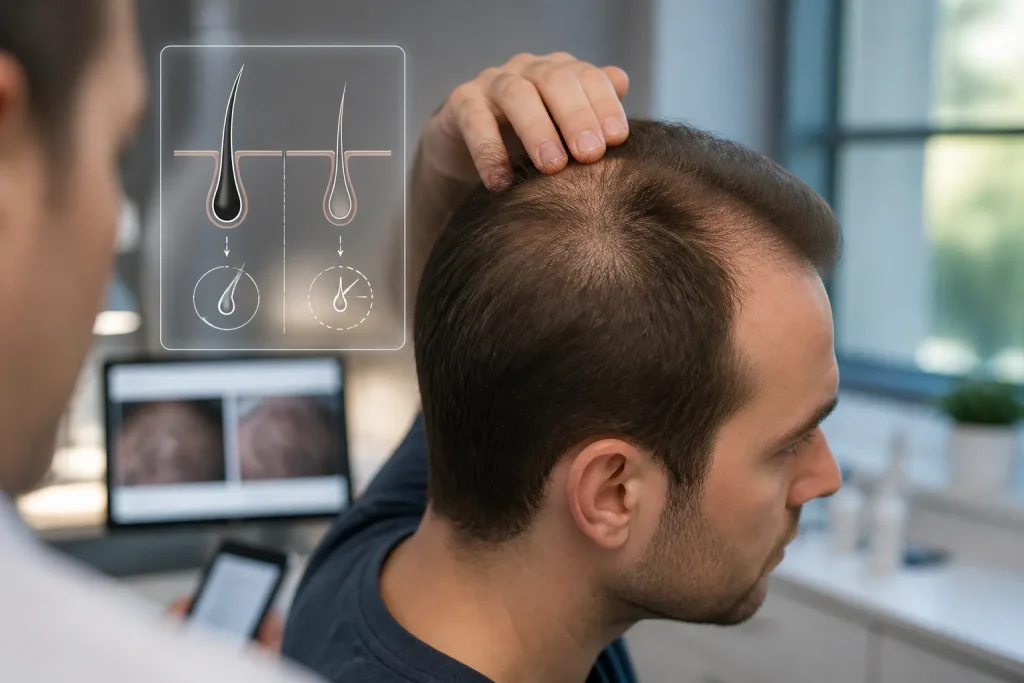
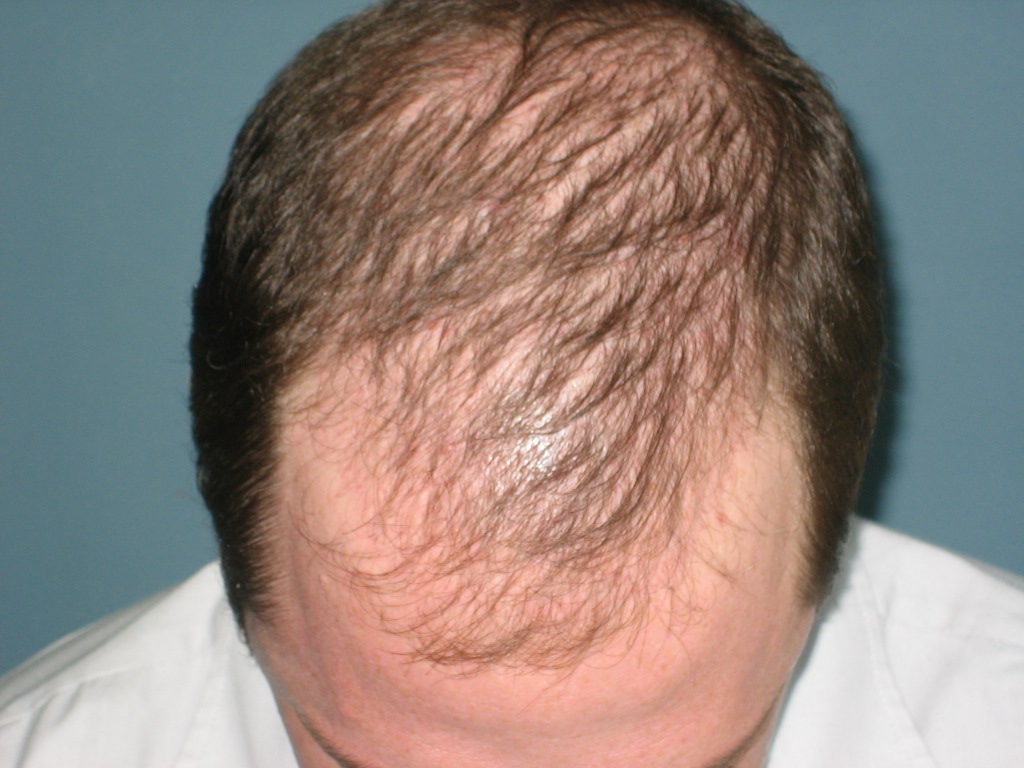
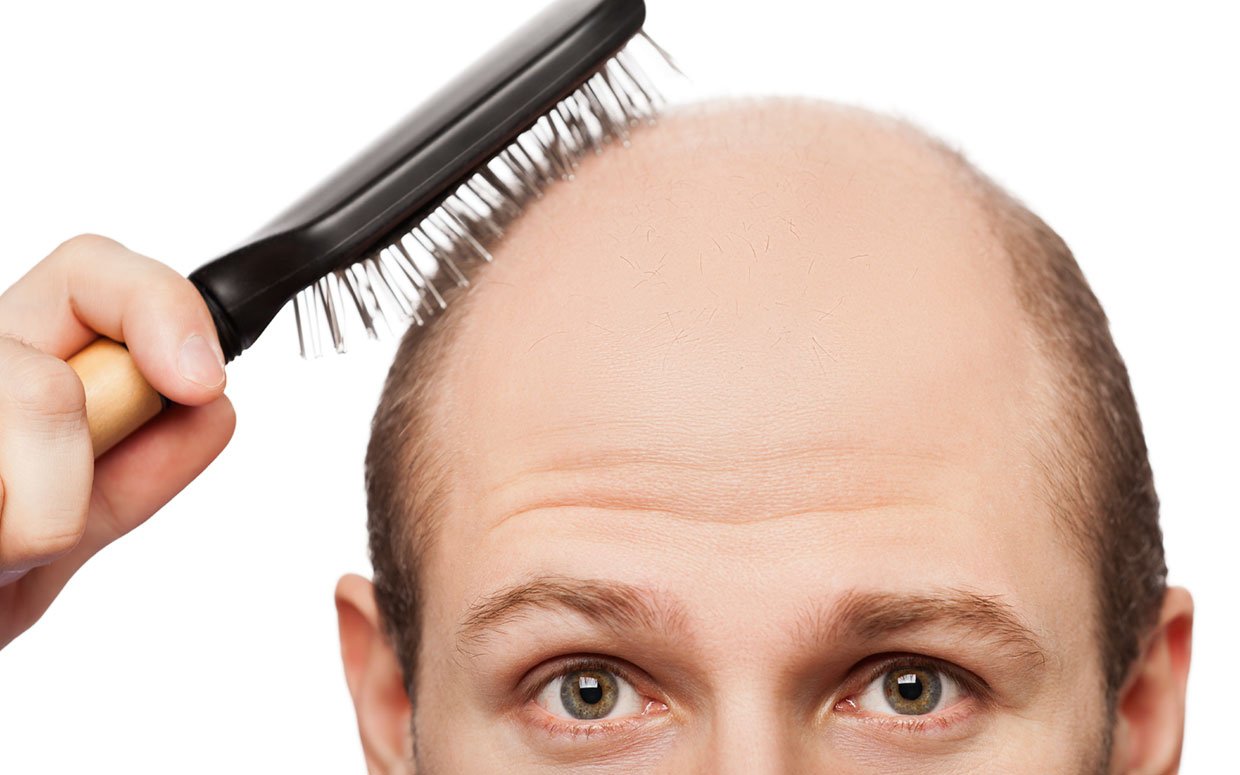
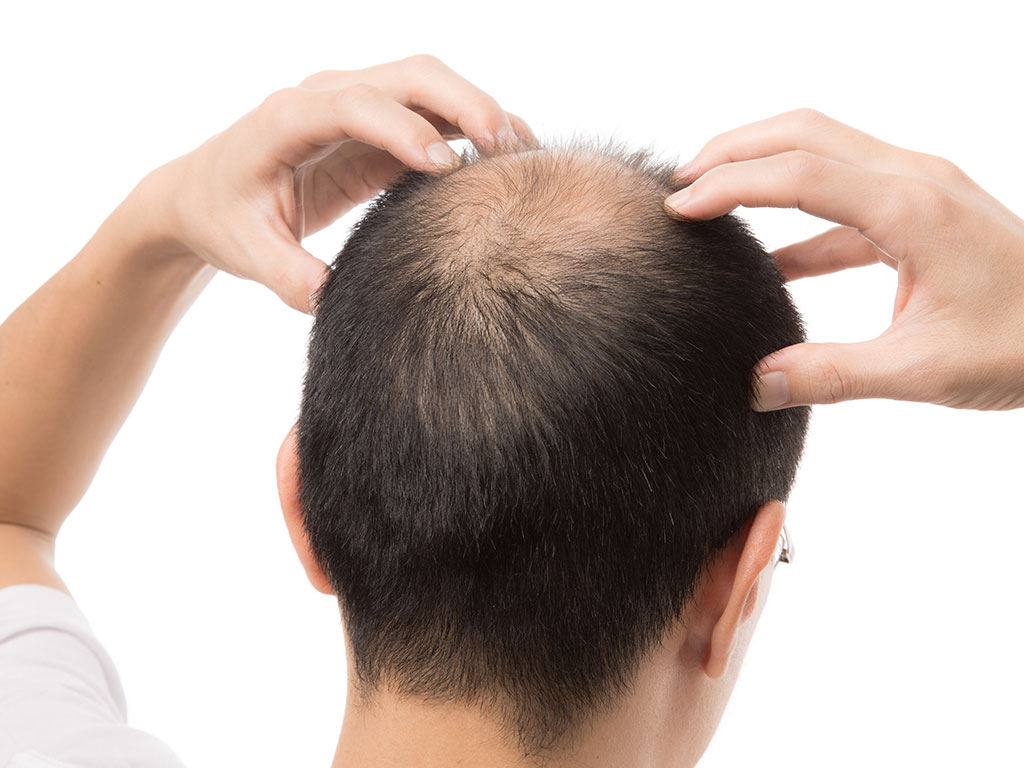
Male pattern hair loss usually develops through a combination of inherited traits and hormonal sensitivity. In affected follicles, dihydrotestosterone (DHT) can gradually shorten the growth cycle and cause follicle miniaturization. Each new hair may become finer, shorter, and less visible over time. Receding temples, a widening crown, and progressive thinning across the top of the scalp are common signs, while the sides and back often remain more stable because those follicles may be less sensitive to androgen activity.
Not every type of shedding follows this pattern. Sudden hair loss, round or sharply defined bald patches, rapid diffuse thinning, itching, scaling, redness, or scalp pain can point to other factors. Recent illness, significant stress, rapid weight change, nutritional deficiencies, thyroid problems, certain medications, and inflammatory scalp conditions may all affect the hair cycle. These possibilities should not be assumed or self-diagnosed, particularly when shedding begins abruptly.
A medical assessment can help distinguish androgenetic alopecia from temporary shedding or a condition requiring specific treatment. A clinician may review family history, examine the scalp and hair density, and consider blood tests when appropriate. Identifying the cause and stage of loss helps set realistic expectations, determine whether follicles are still producing recoverable hair, and guide the most suitable next steps.
How to Choose the Right Men’s Hair Loss Solutions
Choosing a hair loss approach starts with identifying the result you want, rather than selecting the most widely advertised treatment. Some men mainly want to preserve existing hair, while others are focused on improving visible density, addressing a possible underlying condition, or restoring specific areas. A consultation can help distinguish these goals and establish whether the pattern is stable enough for a particular option. It is also important to consider how the treatment may fit your expectations, health needs, and long-term plans before making a decision.
- Assess the duration and pattern of loss: Recent or rapidly changing shedding may require diagnostic review before any long-term plan, while a stable pattern may allow more restorative options to be discussed.
- Review donor supply and target areas: Hair restoration depends on the quality and availability of follicles in the donor area, as well as the size and position of the recipient area.
- Consider medical history and contraindications: Current medicines, scalp conditions, previous procedures, and general health can affect suitability and safety.
- Match the plan to maintenance tolerance: Some approaches require ongoing monitoring or continued use, so expected follow-up should fit your routine and budget.
- Verify the provider’s qualifications: Ask who will perform each stage, how the diagnosis was made, what evidence supports the recommendation, and what follow-up arrangements are included.
These considerations can help you compare options more carefully and avoid choosing a solution based only on advertising or short-term appeal. The most suitable approach should reflect the cause and progression of your hair loss, the areas you want to address, and the level of maintenance you can reasonably continue.
Budget should be reviewed alongside value, not treated as the only deciding factor. A qualified clinician should explain realistic outcomes, possible risks, alternatives, and the likely timeline before treatment begins. Monitoring afterward is equally important because changes in shedding or scalp health may require the plan to be adjusted.
Medical Treatments That May Slow Hair Shedding

Medical treatment can be useful when the goal is to preserve existing hair before considering restoration procedures. For male pattern hair loss, clinicians commonly discuss topical minoxidil and prescription options such as oral finasteride. Minoxidil may support thicker-looking hair in some users, while finasteride works by reducing the hormonal activity that contributes to follicle miniaturization. Neither option is suitable for everyone, and results can differ according to the stage and pattern of shedding.
These treatments require realistic expectations. Reduced shedding may take several months to become noticeable, and visible density can improve gradually rather than immediately. Continued use is usually necessary to maintain benefits, so a clinician should explain the likely treatment duration, application requirements, and what may happen if therapy is stopped.
Medical supervision matters because possible side effects, drug interactions, and contraindications need to be reviewed beforehand. Topical products may cause scalp irritation, dryness, or unwanted hair growth in nearby areas. Oral medicines can carry systemic risks, including sexual or mood-related effects with finasteride, and they may not be appropriate for people with certain medical histories or medication regimens. A healthcare professional can also investigate sudden or diffuse shedding that may have another cause, such as nutritional deficiency, illness, or medication-related hair loss.
Medication aims to slow loss or improve the appearance of existing follicles; it does not add transplanted grafts or create an unlimited donor supply. Follow-up appointments can help assess tolerance, compare progress, and determine whether the treatment plan remains appropriate.
What to Expect from FUE, DHI, and Other Hair Restoration Options

Hair restoration procedures redistribute existing hair rather than create new follicles. A surgeon removes healthy follicular units from the donor area, usually at the back or sides of the scalp, and places them into thinning regions known as the recipient area. Each graft may contain one or several follicles, so the final appearance depends on graft quality, available supply, hair characteristics, planned density, and natural-looking hairline design.
Follicular unit extraction (FUE) involves removing individual follicular units before implanting them into prepared sites. Direct hair implantation (DHI) also uses extracted follicles, but placement is typically performed with an implanter tool that allows the clinician to create the recipient site and insert the graft in a controlled sequence. Neither technique is automatically superior for every patient. The appropriate approach depends on the pattern of loss, donor capacity, scalp characteristics, desired coverage, and the clinician’s assessment.
A consultation should establish whether hair loss is sufficiently stable, whether the donor area can support the proposed plan, and whether the patient’s goals are realistic. Fine hair, advanced thinning, limited donor supply, or continued untreated loss may affect density and long-term appearance. A careful hairline design should also account for age and future progression rather than focusing only on immediate coverage.
Recovery varies, but early redness, tenderness, crusting, and temporary shedding can occur. Newly transplanted hairs often grow gradually over the following months, and the final result may take considerable time to assess. Provider-specific aftercare instructions should be followed closely, including guidance on washing, physical activity, medications, and follow-up visits.
Supporting Hair Growth Through Scalp Care and Aftercare

Healthy scalp habits can help protect existing hair and support a smoother recovery after hair restoration. Use a gentle cleanser, rinse thoroughly, and avoid aggressive scratching, very hot water, or products that cause burning and persistent redness. Limit tight hairstyles, harsh chemical treatments, and repeated heat styling that may stress the hair shaft or create traction.
After a procedure, washing, exercise, sleep position, and styling should follow the provider’s instructions because grafts and the recipient area need careful handling during early recovery. Protect exposed scalp from excessive sun, and seek professional advice for persistent itching, swelling, crusting, pain, pus, or unusual shedding. Aftercare complements diagnosis and evidence-based treatment; it cannot reverse follicle miniaturization or replace appropriate medical guidance.
FAQs
Can hair loss in men be reversed naturally?
Natural reversal depends on the cause. Temporary shedding from stress, illness, poor nutrition, or certain medications may improve after the trigger is addressed, but genetic male pattern baldness usually cannot be fully reversed without medical treatment. A dermatologist can identify the cause and discuss evidence-based options such as minoxidil, finasteride, or hair restoration, while a balanced diet and gentle hair care may support healthier growth.
How long does it take to see results from hair loss treatment?
Most people notice early changes after three to six months of consistent hair loss treatment, while clearer improvement often takes six to twelve months. Results vary depending on the treatment, the cause and severity of hair loss, and individual hair growth cycles. A hair transplant may show initial growth after several months, with final density developing over 12 to 18 months.
Is a hair transplant suitable for every man?
A hair transplant is not suitable for every man. Candidacy depends on the cause and stability of hair loss, sufficient donor-area hair follicles, overall health, realistic expectations, and the condition of the recipient area. A qualified hair restoration specialist can assess whether techniques such as FUE or DHI are appropriate and recommend alternatives if surgery is unlikely to provide natural, lasting coverage.