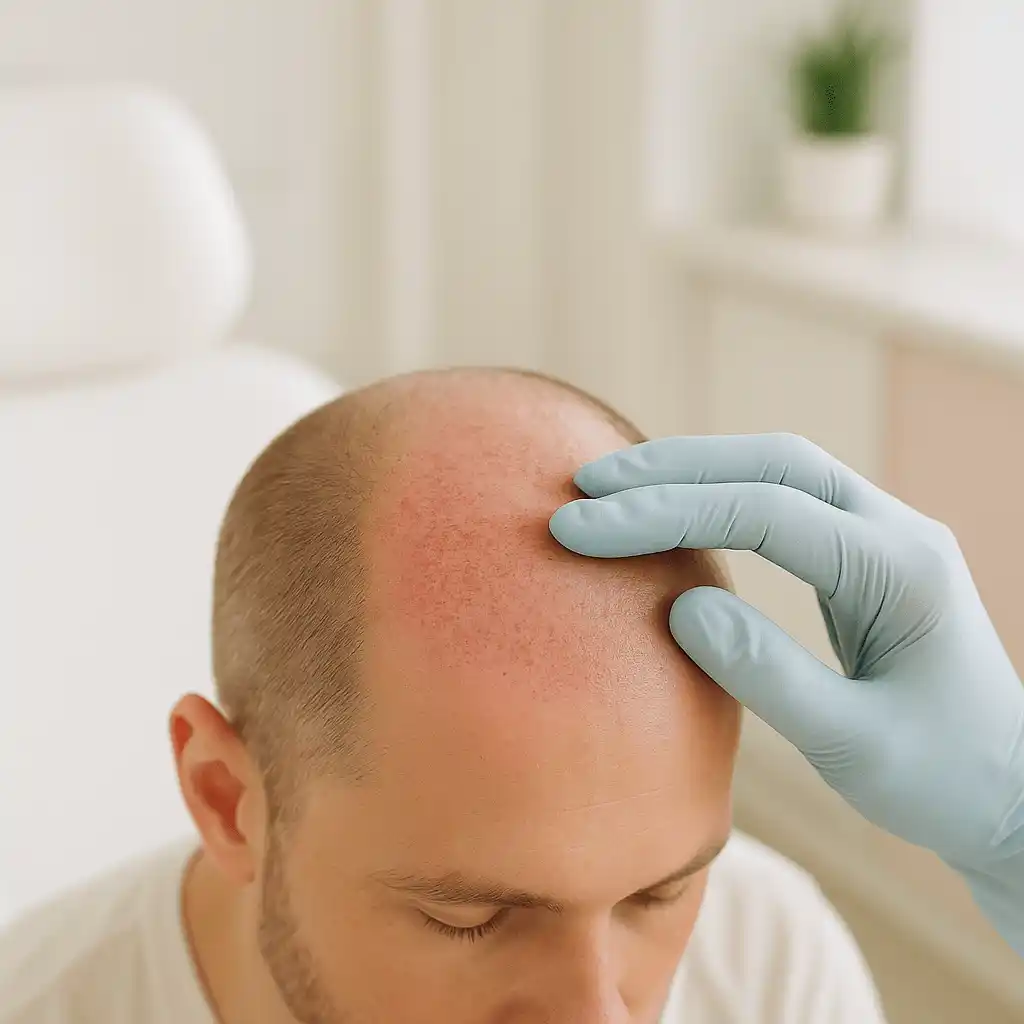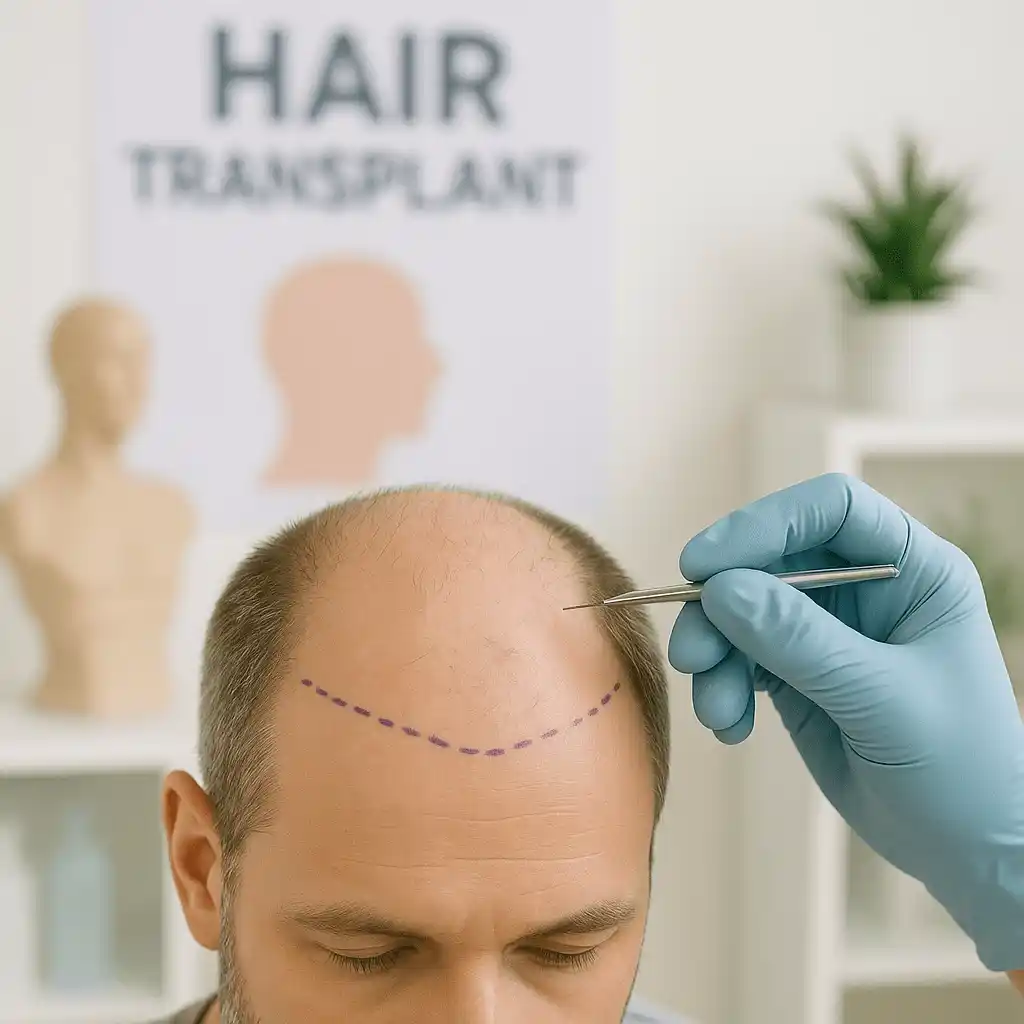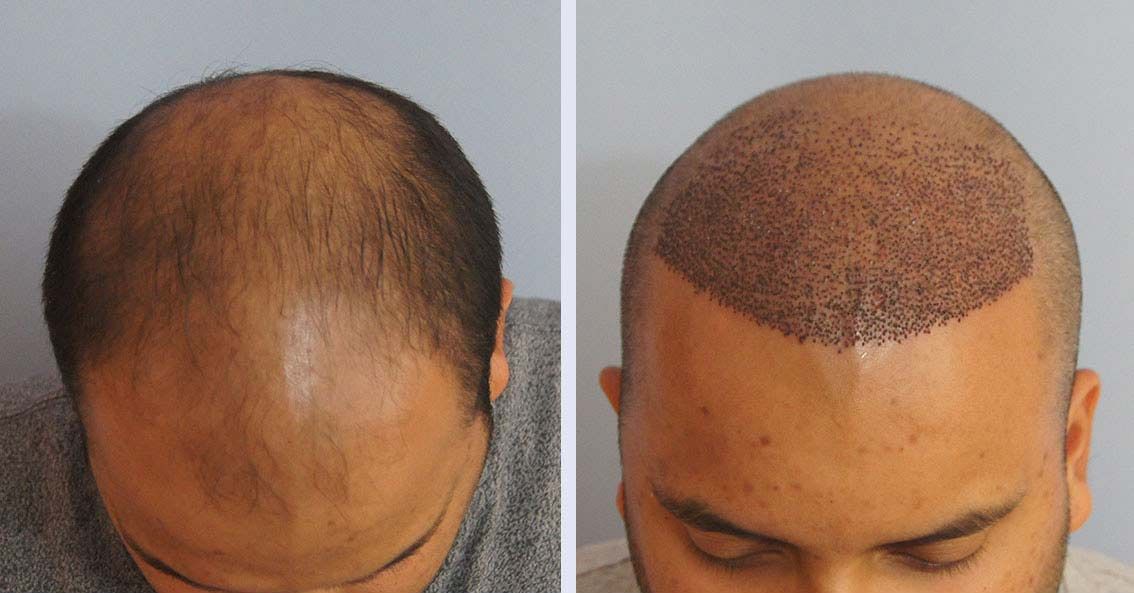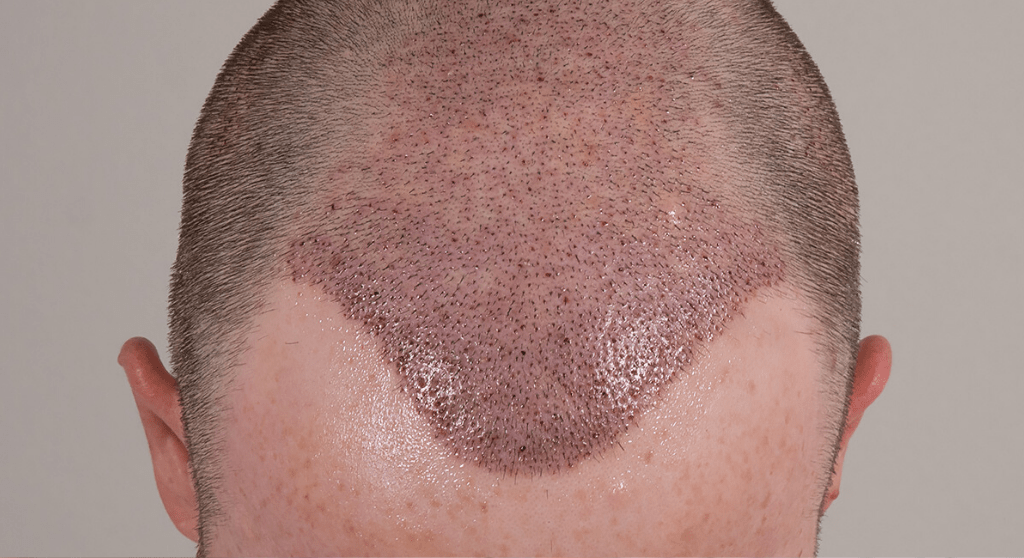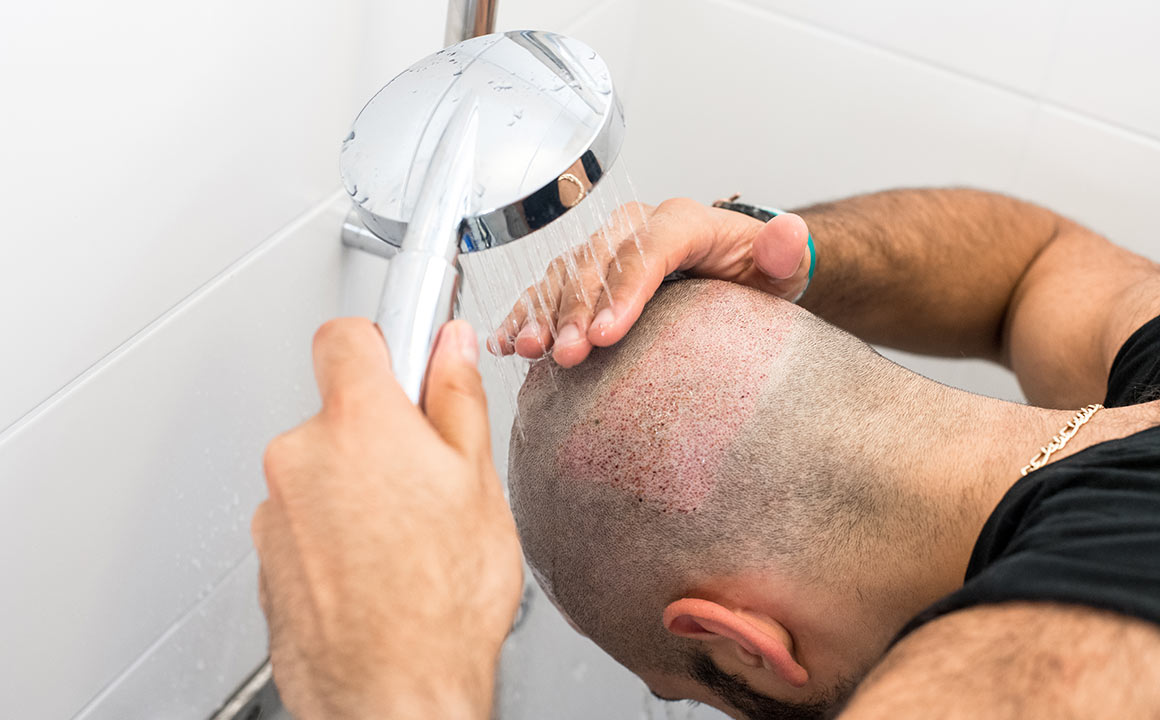
Washing hair after a hair transplant can be stressful while the grafts and scalp heal. Many patients wonder when to resume washing, how much pressure is safe, and whether their usual shampoo is suitable. The right approach depends on the procedure, such as FUE or DHI, the condition of the recipient and donor areas, and your surgeon’s aftercare protocol. General advice can help you understand the recovery process, but it should not replace instructions from your transplant clinic. This guide explains early scalp cleansing, product choices, how washing needs change during healing, and signs that may require medical advice, so you can protect the grafts without neglecting basic hygiene.
When Can You Start Washing Hair After Hair Transplant?
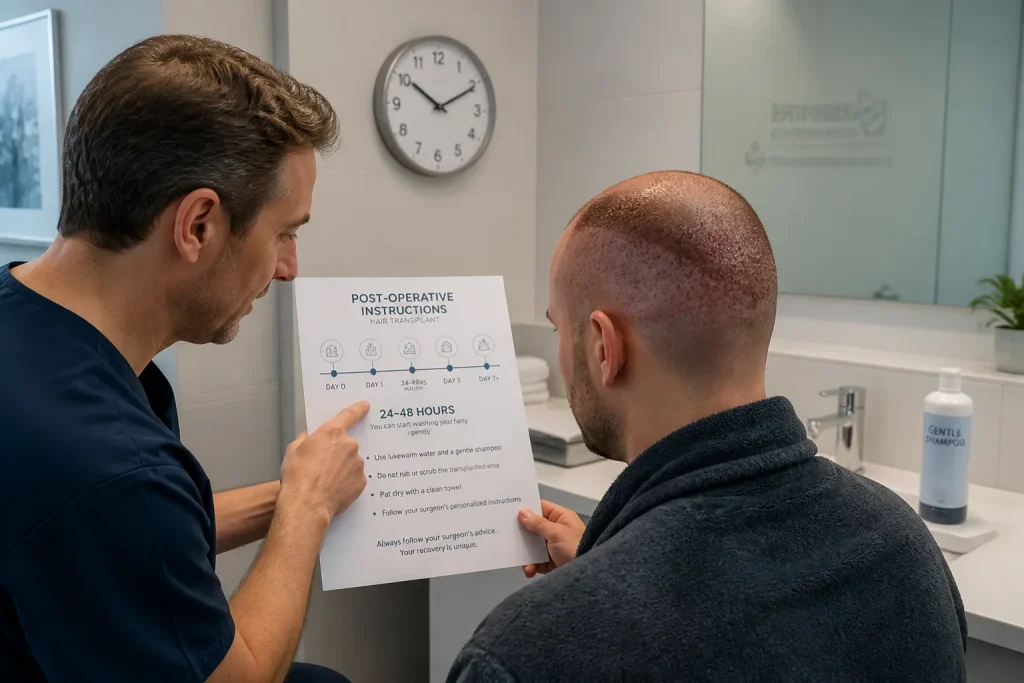
The first wash is commonly allowed within 24 to 48 hours after a hair transplant, but there is no universal timetable. Some clinics recommend waiting longer, particularly after procedures involving extensive work in the recipient area or when the scalp has been covered with a dressing. Washing too early may expose fragile grafts to unnecessary pressure, while waiting longer may allow blood, fluid, or crusts to dry and become more difficult to remove.
The correct starting point depends on your surgeon’s post-transplant washing instructions, along with the procedure type, graft placement, and condition of both the recipient and donor areas. FUE and DHI recovery plans can differ, and instructions may also change if you have significant swelling, bleeding, or a special dressing in place.
Before washing for the first time, confirm whether the dressing should be removed, whether the recipient area may be touched, and whether the donor area follows a different schedule. Ask which cleanser to use and whether water should be poured, sprayed, or applied by another method. If the clinic is unavailable and you have active bleeding, severe pain, or rapidly increasing swelling, seek medical advice before attempting to clean the scalp.
Once your clinic confirms that washing is appropriate, follow its timing and handling instructions precisely. The first wash should be gentle and controlled; the specific technique can then be adjusted as healing progresses.
How to Wash the Scalp Without Dislodging Grafts
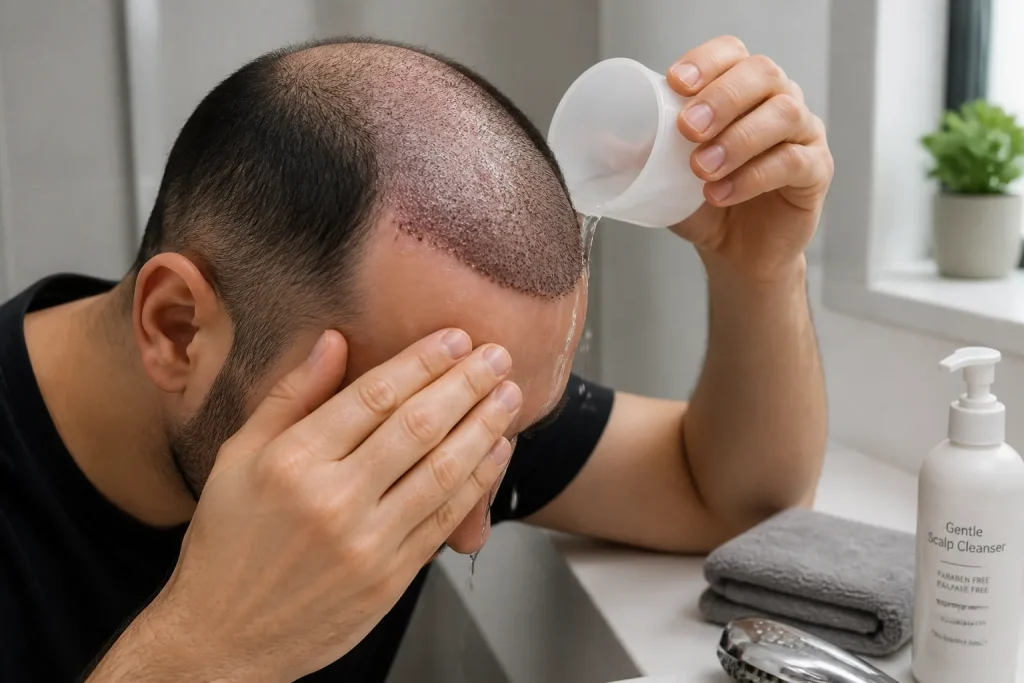
Wash the scalp with a low-pressure technique that keeps water and your hands from dragging across the newly implanted follicles. Use lukewarm water rather than hot water, and avoid directing a strong shower stream straight onto the recipient area. A gentle flow from a cup, handheld shower held at a distance, or a low-pressure setting can wet the scalp more safely. Let the water run over the area without massaging, rubbing, or repeatedly touching it.
Apply the cleanser according to your clinic’s instructions, using clean fingertips and the pads rather than fingernails. You can dilute it in your hands first, then lightly press or smooth it over the scalp without scrubbing. The recipient area needs especially delicate handling: do not scratch, pick at crusts, or try to remove flakes by force. Allow water to loosen surface residue gradually, since pulling at a crust can disturb a graft before the skin has recovered.
The donor area may often tolerate slightly more contact than the recipient area, but it should still be handled gently during the early recovery period. Use light fingertip movements only where your postoperative instructions permit them, and avoid vigorous circular massage across either region. FUE and DHI patients should follow the specific technique provided by their clinic, since the recommended handling can vary according to graft placement and skin condition.
Rinse until no cleanser remains, again keeping the flow soft and avoiding direct pressure. For drying, do not rub with a towel or use heat from a hair dryer. Instead, allow the scalp to air-dry or gently pat nearby skin with a clean, soft towel without catching the grafts. Minimal friction is the central principle: every stage, from wetting and cleansing to rinsing and drying, should avoid pulling, scraping, or compressing the transplanted area.
Which Products Are Safe During Early Recovery?
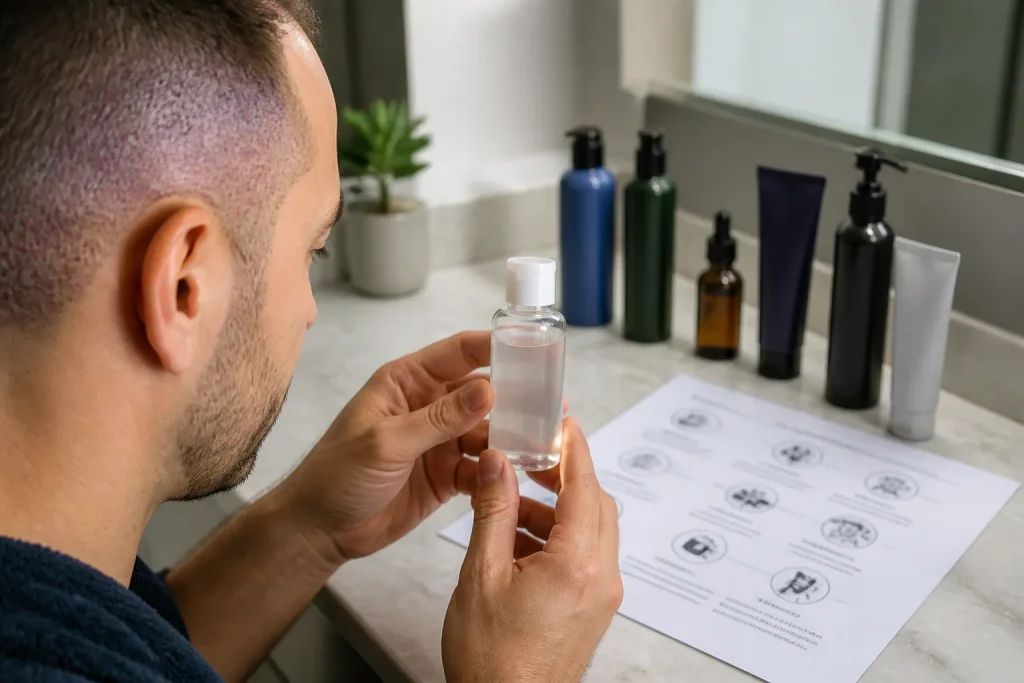
During early recovery, choose a cleansing product that is gentle enough for healing skin and specifically approved by your transplant clinic. A mild, fragrance-free shampoo is often preferred because strong scents and irritating additives may worsen dryness, stinging, or redness around the recipient and donor areas. There is no single formula that is suitable for every patient, so your surgeon’s instructions should take priority over general recommendations.
Ask the clinic before using medicated shampoos, products containing harsh detergents, exfoliating ingredients, or anti-dandruff treatments unless they were prescribed for you. The same caution applies to oils, scalp serums, styling products, treatment lotions, and leave-in conditioners. These products may be difficult to rinse away or may irritate the healing scalp, particularly if you have sensitive skin, allergies, dermatitis, or another medical condition.
Clinic-approved, fragrance-free shampoo is usually the safest starting point, but product tolerance still matters. Stop using a product that causes increasing burning, swelling, rash, or persistent itching, and contact your clinic for tailored advice rather than switching repeatedly on your own.
How Should Washing Change as the Scalp Heals?
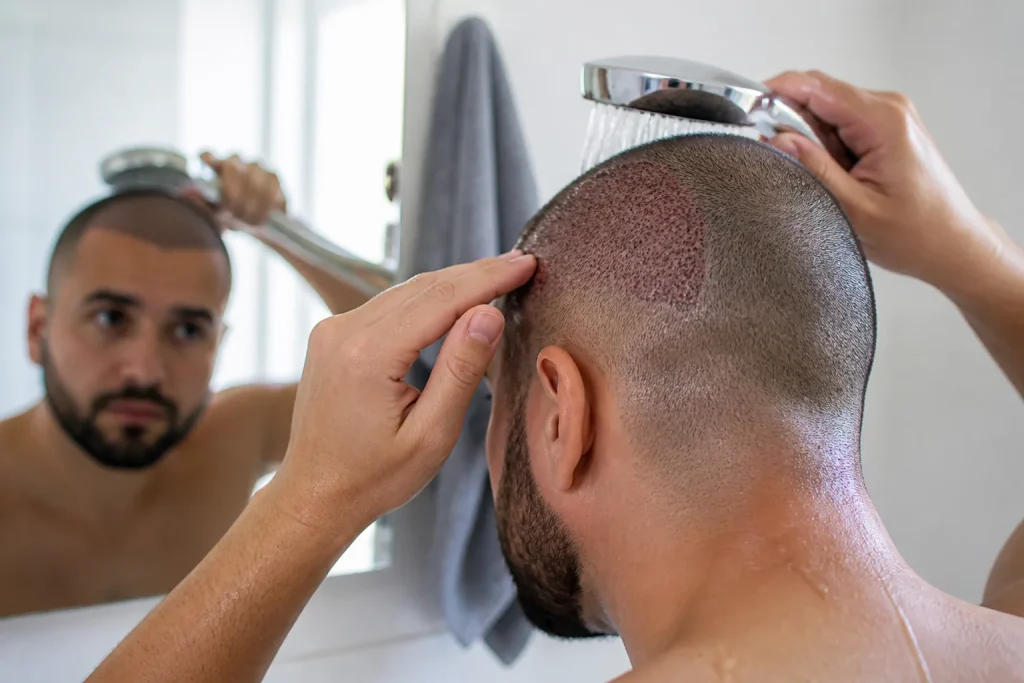
As the scalp becomes less tender and the grafts become more secure, washing can gradually move from a carefully controlled routine toward ordinary scalp cleansing. Continue using gentle water pressure and light fingertip contact at first, then increase the pressure and washing frequency only when your clinic considers it appropriate.
Crusts usually soften with regular washing, but they should never be scraped, picked, or removed with force. If stubborn scabs remain, follow the transplant team’s instructions about soaking or loosening them rather than trying to accelerate the process yourself. The donor area may tolerate more normal cleansing sooner, while the recipient area often needs gentler handling for longer.
Temporary shedding can occur during recovery and does not automatically mean that grafts have been lost. Hair shafts may shed while the transplanted follicles remain beneath the skin and later support new growth. Continue protecting the scalp as new hair emerges, and delay stronger rubbing, heat, or styling pressure until your clinic confirms that healing is sufficiently advanced.
When Should You Contact Your Clinic About Washing Problems?
Contact your transplant clinic if washing is followed by symptoms that are becoming stronger rather than gradually settling. Worsening pain, spreading redness, marked swelling, pus, fever, or persistent bleeding can indicate a complication and should be assessed by your medical team. Do not pick at scabs or continue a routine that clearly aggravates the recipient or donor area while waiting for advice.
Severe itching, a new rash, foul odor, or increasing burning after using a shampoo or topical product also warrants clinical guidance. These changes may reflect irritation or sensitivity, but the cause cannot be confirmed safely at home. Contact the clinic before switching products, applying treatments, or manipulating crusts when symptoms are unclear. Seek urgent medical help for severe or rapidly worsening symptoms, following the emergency advice provided by your surgeon. Prompt clinical assessment is especially important if several warning signs appear together.
FAQs
Can I wash my hair the day after a hair transplant?
You may be allowed to wash your hair the day after a hair transplant, but only if your surgeon approves it. Use lukewarm water, a mild shampoo, and gentle fingertip washing without rubbing, scratching, or directing strong water pressure at the grafts. Follow your clinic’s specific aftercare instructions, as washing schedules can vary after FUE or DHI procedures.
Is it normal to see shedding while washing transplanted hair?
Yes, mild shedding during washing is common after a hair transplant, particularly during the first few weeks or months. The transplanted hair shafts may fall while the hair follicles remain healthy in the recipient area and later produce new growth. Follow your clinic’s washing instructions and contact your surgeon if shedding is sudden, severe, or accompanied by increasing redness, pain, pus, or swelling.
Can I use shampoo on the donor and recipient areas?
Yes, but follow your hair transplant clinic’s aftercare instructions. Most patients can gently wash the donor and recipient areas with a mild shampoo after the recommended waiting period, usually avoiding rubbing, scratching, or high water pressure to protect the grafts. Use lukewarm water and pat the scalp dry, and contact your clinic if you are unsure when to begin or notice unusual redness, pain, or discharge.