More scalp in the mirror or a receding hairline is common, but you do not have to accept it. Male pattern hair loss is a recognized medical condition with a known cause, predictable progression, and several evidence-based treatments. The key is understanding what is happening to the hair follicle, getting a proper diagnosis instead of guessing, and choosing options that match the stage of your loss. The goal is a clear, evidence-based plan covering the biology driving the process and the medications and procedures that slow or reverse it, which you can discuss with a clinician.
What Causes Male Pattern Hair Loss

Male pattern hair loss is driven by an inherited sensitivity of certain scalp follicles to dihydrotestosterone, or DHT, a hormone converted from testosterone. In men who carry this genetic trait, DHT binds to receptors in follicles along the temples and crown and gradually shortens each hair’s growth phase. Over time, these follicles produce thinner, shorter hairs before eventually slowing or stopping production altogether.
This process is called follicular miniaturization. It explains why the loss follows a predictable shape: hairs on the top of the scalp are the most DHT-sensitive, while follicles around the sides and back usually remain resistant. That is why a receding hairline and thinning crown often appear first, and why donor hair from the back of the head survives when transplanted.
Genetics and hormones work together rather than competing as explanations. You inherit the sensitivity; DHT supplies the trigger. Age, stress, and general health can influence how quickly the pattern advances, but they do not create it on their own.
Treatments can interrupt the hormone pathway or support surviving follicles, but they cannot restore follicles that have permanently stopped producing hair. Understanding this limit is essential before weighing any option.
How Doctors Diagnose and Stage Hair Loss
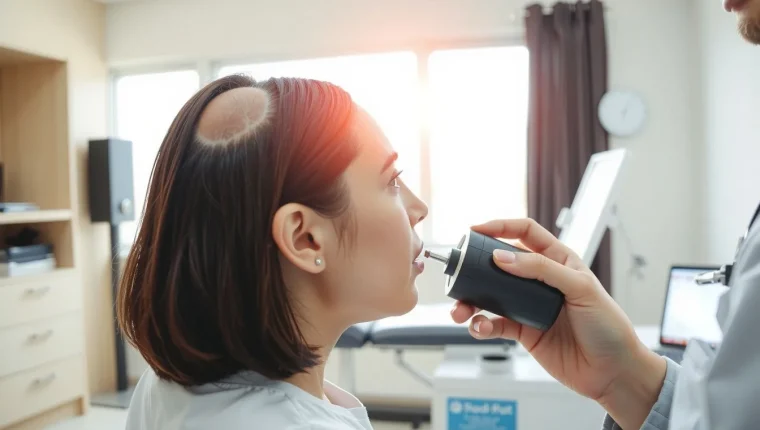
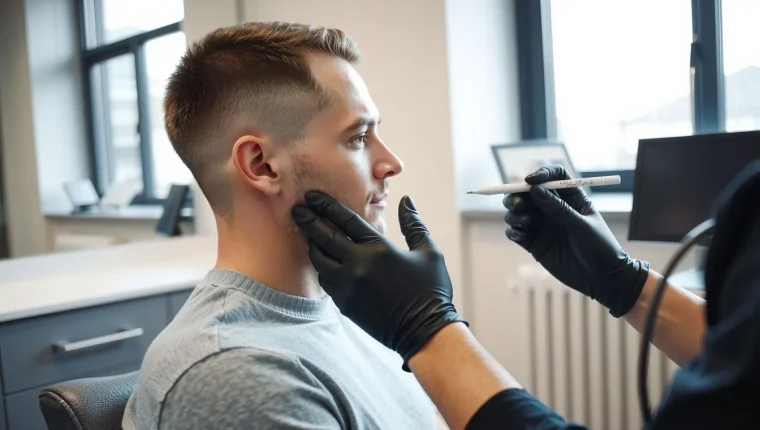
Diagnosis starts in the exam room, not the lab. A dermatologist typically begins with a visual inspection of the scalp, noting where thinning is concentrated and whether the hairline follows a recognizable pattern. A simple pull test can check how easily hairs detach, and a dermatoscope lets the doctor examine individual follicles for miniaturization and signs of inflammation or scaling that point elsewhere.
History matters just as much. Expect questions about when shedding began, how quickly it progressed, recent illness, major stress, new medications, and family background on both sides. Because pattern hair loss is inherited, a father or grandfather with a receding hairline is meaningful evidence. Blood tests for thyroid function, iron stores, or vitamin D may be ordered when the story does not fit the classic picture.
Staging scales then describe severity in a shared language. The Norwood system, for instance, runs from minimal temple recession to extensive crown and frontal loss, giving both doctor and patient a common reference point. That stage is not cosmetic detail: it shapes which treatments are realistic. Mild thinning may respond well to medication, while advanced loss often needs different options.
Ruling out other conditions comes before any prescription. Telogen effluvium, alopecia areata, fungal infection, and thyroid-related shedding can mimic pattern loss but require entirely different care. An accurate diagnosis and stage keep expectations honest and prevent months spent on a treatment aimed at the wrong problem.
FDA-Approved Medications for Hair Regrowth
Two drugs carry FDA approval for treating androgenetic alopecia in men, and they work through completely different routes. One is taken as a daily pill; the other is applied directly to the scalp. Understanding that difference matters, because the choice often comes down to how each fits your routine, your tolerance for side effects, and how your body responds over months rather than weeks.
Finasteride, an oral 5-alpha reductase inhibitor, lowers the conversion of testosterone into DHT, the hormone that drives follicular miniaturization. Taken once daily, it tends to slow loss and, in many men, produces visible regrowth over six to twelve months. Reported side effects include reduced libido and erectile changes, which are uncommon and usually reversible after stopping. Minoxidil, available as a topical solution or foam, extends the growth phase of the hair cycle without altering hormones. It is applied once or twice daily, and results typically appear after three to six months. Scalp irritation and occasional unwanted facial hair are the main complaints. Neither drug works as a short course; stopping reverses the benefit, which is why consistent, indefinite use is the realistic expectation.
| Medication | Form | Mechanism | Typical Timeline | Common Side Effects |
|---|---|---|---|---|
| Finasteride | Oral tablet (daily) | Lowers DHT production | 6–12 months | Reduced libido, erectile changes |
| Minoxidil | Topical solution or foam | Prolongs the growth phase | 3–6 months | Scalp irritation, unwanted facial hair |
Your clinician can help match the option to your health history and goals, and combining the two is sometimes considered when one alone falls short. If medication stalls or loss is already advanced, procedural options become the next conversation.
In-Office Procedures for Advanced Hair Loss
Medications can slow or partially reverse thinning, but they cannot revive follicles that have already stopped producing visible hair. When the scalp shows broad areas of smooth skin rather than fine, miniaturized strands, in-office procedures become the realistic next step. These options fall into two broad categories: hair transplantation, which relocates living follicles, and scalp-directed therapies such as platelet-rich plasma or low-level laser treatment, which aim to support the follicles still present.
Transplantation works by harvesting genetically resistant follicles, usually from the back and sides of the scalp, and redistributing them into thinning or bald zones. Because those donor follicles are not sensitive to the hormone that drives pattern loss, they tend to keep growing after relocation. Platelet-rich plasma, by contrast, involves injecting concentrated growth factors into the scalp to stimulate existing follicles, and it is often used for earlier or diffuse thinning rather than full baldness.
Candidacy depends heavily on donor hair supply, the stability of the loss, and the stage of balding. Someone with dense donor areas and a stable pattern is a far better candidate than someone with widespread thinning and limited reserves. Outcomes are rarely dramatic: a transplant restores density and frames the face, but it does not return a full head of hair. Most importantly, procedures do not stop the underlying process, so ongoing medical treatment is typically needed to protect both transplanted and native hair.
Daily Habits and Long-Term Maintenance

Consistency matters more than intensity when it comes to keeping hair. Because the benefits of medication depend on ongoing hormonal suppression, gains typically reverse within months of stopping treatment, which is why a daily routine built around adherence is the foundation of long-term maintenance.
Beyond sticking with treatment, a few supportive habits are reasonable, while others remain unproven:
- Consistent dosing — taking medication at the same time each day keeps the effect steady and makes the habit automatic.
- Gentle scalp care — regular washing and avoiding harsh chemical treatments reduce irritation and breakage without affecting the underlying cause.
- Stress management — chronic stress may contribute to shedding, so sleep and exercise are sensible but not a substitute for treatment.
- Balanced nutrition — adequate protein, iron, and vitamin D support healthy follicles, though supplements only help if a deficiency exists.
- Scheduled check-ins — a clinician visit every six to twelve months allows dose adjustments and honest tracking of results.
What separates effective routines from wishful ones is evidence. Habits like better sleep or a nutrient-rich diet support general health and may help hair indirectly, but they will not reverse follicular miniaturization on their own. The realistic long-term plan combines proven treatment with a review rhythm that lets you and your clinician adjust as needed.
FAQs
Which treatments actually regrow hair in male pattern hair loss?
Minoxidil and finasteride are the two treatments with the strongest evidence for regrowing hair in male pattern hair loss, and dutasteride offers similar benefits for many men. These medications work best on thinning areas and can partially restore hair, but they are most effective at slowing or stopping further loss. Procedures like hair transplantation can restore hair in bald areas, though they do not treat the underlying cause and usually require ongoing medical therapy to maintain results.
How long do you need to use a treatment before seeing results?
Most male pattern hair loss treatments require at least three to six months of consistent use before you notice any visible results, and it can take up to a year to see the full benefits. Hair grows slowly, so early changes are often subtle, such as reduced shedding rather than obvious regrowth. Because these treatments work best when used continuously, stopping early usually reverses any progress you have made.
Can lifestyle changes or supplements slow down male pattern hair loss?
Lifestyle changes alone cannot reverse or stop male pattern hair loss, because the condition is driven primarily by genetics and the hormone dihydrotestosterone (DHT). Reducing stress, avoiding smoking, eating a balanced diet, and treating underlying conditions like iron deficiency or thyroid problems may support overall hair health and prevent additional shedding. Supplements such as biotin, zinc, or saw palmetto have limited and inconsistent evidence for male pattern hair loss and should not replace proven treatments. For meaningful results, evidence-based options like minoxidil, finasteride, or dutasteride remain the most effective approach.