Thinning hair changes how you see yourself before anyone else notices, but the market around it rarely helps: every clinic promises a full head of hair, and almost none explain what actually happens to your scalp. Scalp micro pigmentation sits in that gap. It is a pigment-based illusion layered onto a changing scalp, so cost, results, and hair-loss biology cannot be judged separately. A quote means little without knowing how long the result lasts, and a convincing photo means little if your remaining hair keeps receding underneath it. The real question is what this treatment can and cannot do for you.
What Scalp Micro Pigmentation Actually Is and How the Procedure Works
Scalp micro pigmentation is a cosmetic procedure in which tiny deposits of pigment are placed into the upper layers of the scalp skin to imitate the look of short, dense hair follicles. It does not grow hair, restore inactive follicles, or change the underlying biology of hair loss. Instead, it works optically: thousands of minute dots are matched to your natural hair color and skin tone so that, viewed together, they read as stubble or a closely shaved head of hair. The effect is a matter of illusion of density, created by contrast and repetition rather than by any living structure.
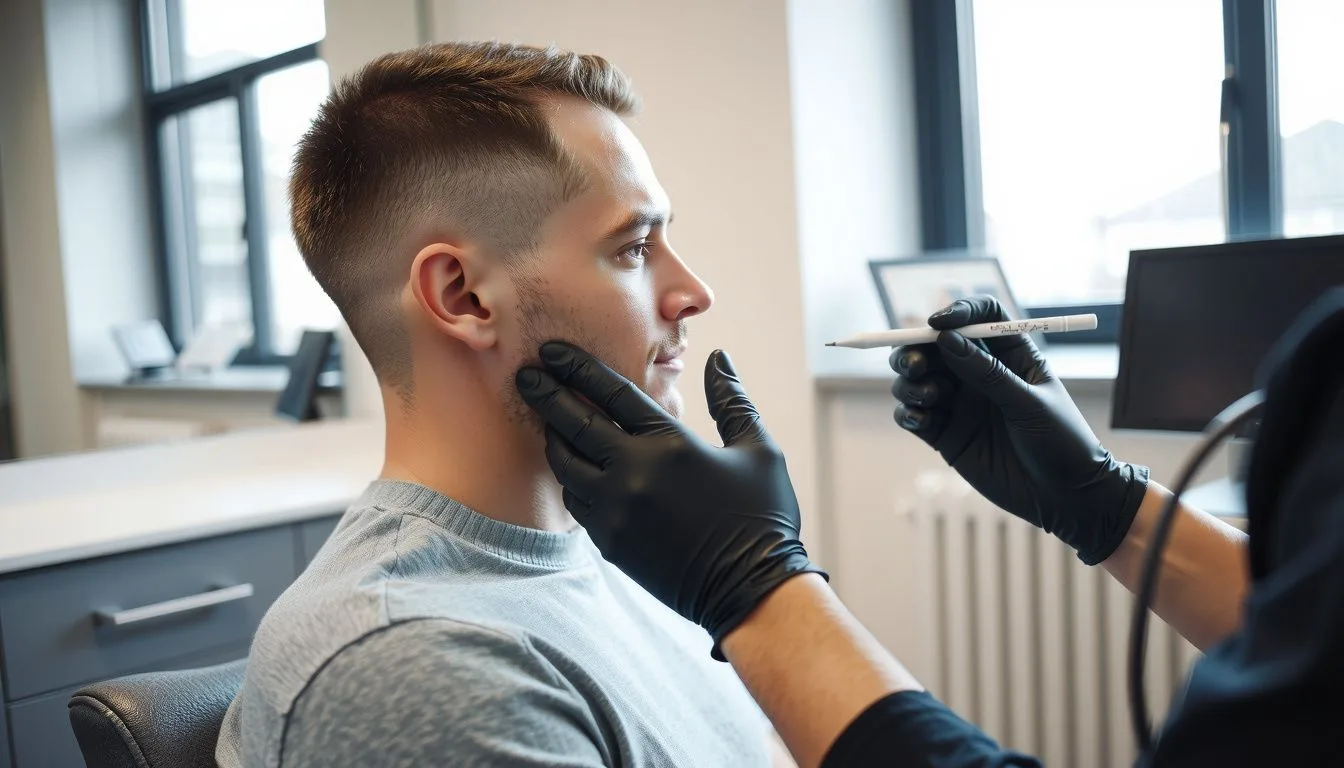
A session begins with a consultation and a mapping stage. The practitioner assesses your pattern of loss, your skin type, and your expectations, then draws a hairline and marks zones of coverage. During treatment, a fine needle delivers pigment in layered passes, building intensity gradually rather than saturating the skin at once. Most plans involve two to four sessions spaced weeks apart, because pigment settles and skin heals between visits.
It helps to place this in the right category. It is not a tattoo in the conventional sense: needles are shallower, pigments differ, and the goal is a soft, matte, follicle-like finish rather than a solid graphic. Nor is it hair transplant surgery, which relocates living follicles to grow real hair. Understanding that distinction is what tells you which treatment you are actually considering.
Realistic Results: What Healing, Density, and Longevity Look Like
The first look after a session is not the final result. Freshly deposited pigment sits dark and sharply defined, so the scalp can appear denser than it will once healing completes. Over the following days the treated area may scab lightly and flake, and some of that initial intensity lifts with it. What remains after roughly one to two weeks is the settled tone — softer, slightly lighter, and far closer to a natural shaved-hair look than the immediate post-session darkness suggests.
Achievable density is not a fixed number. It depends on how much existing hair frames the pigment, the contrast between pigment and skin, and the practitioner’s skill at matching your natural follicle pattern. Realistic density means a fuller-looking scalp, not a restored head of hair. Lighter skin with dark hair tends to show the strongest contrast; very dark skin or very light hair narrows the effect.
Longevity runs on a fading cycle rather than a permanent finish. Pigment gradually softens over years, accelerated by sun exposure and how your skin holds ink. Most people eventually need a refresh to keep the look convincing, which makes maintenance a predictable part of the decision rather than an optional extra.
Pricing Breakdown: Session Fees, Touch-Ups, and Hidden Costs

Quotes for this treatment vary widely because several variables set the baseline. The size of the treatment area and the density you want determine how many sessions are needed, and most providers charge per session rather than per project. A small crown patch may take two or three visits, while a full-scalp treatment can run five or more. Location matters too: metropolitan clinics with higher overheads charge more, though a lower fee in a smaller market does not automatically mean lower quality.
Where people get caught out is the recurring cost. Pigment fades over time, so touch-up sessions are not optional extras but a built-in part of the long-term budget. Most providers recommend a refresh every few years, and the price per touch-up is usually lower than a full session but still significant when multiplied across a decade.
Beyond sessions and touch-ups, expect additional charges that quotes often omit: consultation fees, correction work if a previous provider’s result needs reworking, and travel if the nearest qualified artist is out of town. Be cautious with unusually cheap quotes, as they frequently signal reused equipment, inadequate training, or pigment that fades fast. A low number is a risk signal, not a bargain.
Androgenic Considerations: Hair Loss Progression, Medication, and Scalp Health
The pigment used in scalp micro pigmentation is deposited in the dermis, the layer beneath your hair follicles, so the needles never enter or damage the follicle itself. That distinction matters because it means the treatment does not cause hair loss, accelerate balding, or interfere with the growth cycle of surviving hair. What it cannot do is stop the biology already in motion.
If you are losing hair to androgenetic alopecia, the boundary between real and mimicked density will keep shifting. Pigment dots placed between existing hairs can look convincing today, but as the surrounding follicles thin, the tattooed pattern stays fixed while your natural hair recedes around it. The result is a widening gap between the density you see and the density that was originally matched, which is why timing and honest staging matter more than most people expect.
Medication changes the equation. Finasteride or minoxidil may slow or partially reverse progression, and a stable baseline makes the illusion far easier to maintain. Scalp conditions such as psoriasis, active seborrheic dermatitis, or frequent folliculitis can affect both healing and pigment retention, so these need to be controlled before a session is scheduled. If you plan to start, stop, or switch treatments, tell your provider, because the pattern you are matching should reflect where your hair is likely to be, not just where it is today.
Choosing a Provider, Aftercare, and When to Avoid Treatment
The strongest predictor of a good outcome is not the price but the practitioner’s portfolio and hygiene standards. Ask to see healed results photographed in natural light, not just fresh sessions where pigment still looks sharp and dark. Look for density that matches the client’s natural hair pattern and hairlines that follow the existing recession rather than a drawn-on line. Confirm the studio uses single-use needles, sterile barriers, and pigment batches you can inspect. A practitioner who hesitates to discuss pigment composition, needle depth, or their own correction work is a warning sign, regardless of how confident the marketing appears.
Aftercare protects the investment during the two weeks when the scalp is most vulnerable. Keep the area dry for the first few days, avoid direct sun, swimming pools, and heavy sweating, and resist scratching or picking at flaking pigment. Follow the provider’s washing schedule precisely, because premature exfoliation lifts pigment unevenly and creates patchy density that a touch-up may not fully correct.
Some readers should delay or skip treatment entirely. Active scalp infections, open lesions, uncontrolled skin conditions such as psoriasis or eczema in the treatment zone, and certain autoimmune disorders make the procedure inadvisable. Anyone on blood thinners or prone to keloid scarring should get medical clearance first. If hair loss is still progressing rapidly, settling the underlying cause before committing to scalp micro pigmentation prevents a design that no longer fits a changing hairline.
FAQs
How much does scalp micro pigmentation typically cost, and what factors affect the final price?
Scalp micro pigmentation typically costs between $1,500 and $4,000, with most patients paying around $2,000 to $3,000 for a full treatment. The final price depends on the size of the treated area, the stage of hair loss, the number of sessions required, and the clinic's location and reputation. Additional touch-up sessions, usually needed every few years, may add several hundred dollars to the overall cost.
What kind of results can you realistically expect from scalp micro pigmentation over time?
Scalp micro pigmentation typically delivers immediate, natural-looking density that softens the contrast between hair and scalp, with results settling into their final appearance within one to two weeks as the pigment heals. Because the pigment is deposited in the upper dermis, it gradually fades over time, usually requiring a touch-up every two to four years depending on skin type, sun exposure, and aftercare. With proper maintenance, most clients can expect a stable, low-maintenance look rather than a permanent one, and results tend to remain convincing as long as sessions are not overdone.
Does scalp micro pigmentation carry any androgenic risks or affect natural hair loss?
Scalp micro pigmentation does not cause or accelerate androgenic hair loss because it is a cosmetic tattooing procedure that deposits pigment into the upper dermis without altering hair follicles or hormonal activity. It also does not affect the natural progression of androgenetic alopecia, so any ongoing hair loss will continue independently of the treatment. However, this means the pigmented dots may become less blended over time as natural hair thins or recedes, which is why touch-ups are often needed to maintain a consistent look.