Correcting prominent or misshapen ears is a big step, and the consultation turns that decision into a plan. If you are considering otoplasty in Turkey, your consultation shows whether your expectations are realistic, whether the surgeon understands your goals, and whether the clinic is right for you.
Many patients travel abroad for ear surgery because of the cost advantages and experienced surgeons Turkey offers, but the consultation still needs to be treated seriously. Walking in prepared — with the right questions ready — can mean the difference between a smooth experience and costly surprises later.
From asking about the surgeon’s specific otoplasty experience to understanding anesthesia options, recovery timelines, and what happens if complications arise after you return home, the questions you ask will shape your entire journey. Here is what you should cover before signing anything.
Why an Otoplasty Consultation in Turkey Matters Before Booking

Booking ear correction surgery abroad is a decision that deserves more than a quick price comparison. The gap between a satisfying result and a disappointing one usually comes down to what happens before the operation — during the conversation you have with the surgeon and their team. That is exactly why a proper otoplasty consultation Turkey experience matters so much before you commit to any clinic or travel date.
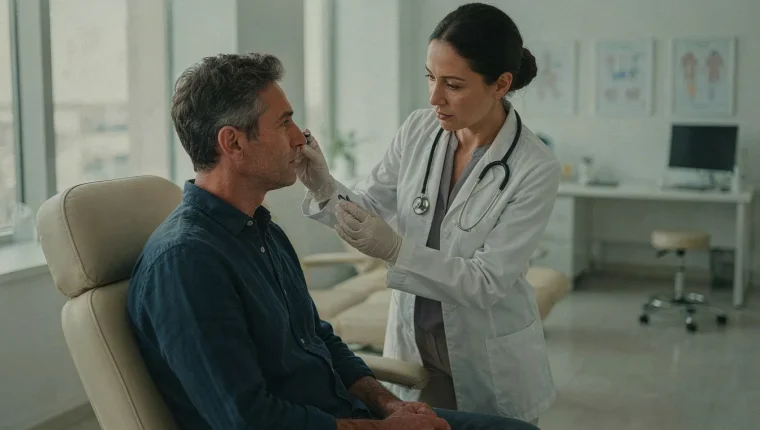
A consultation is not a formality or a sales call. It is the moment when a qualified surgeon evaluates your ear anatomy, cartilage structure, skin elasticity, and the specific shape you hope to achieve. Two patients with seemingly identical concerns can require completely different techniques, and only a personal assessment can determine which approach fits you. If a clinic offers surgery without ever properly examining you, that alone should raise questions.
Turkey has built a strong reputation in cosmetic surgery thanks to experienced surgeons and cost advantages, but quality varies between providers. The consultation is your best tool for sorting them out. It tells you how the clinic communicates, how honestly they discuss limitations and risks, and whether they tailor the plan to you or push a one-size-fits-all package.
It also shapes your expectations realistically. A good surgeon will show you what otoplasty can and cannot achieve, explain the technique they recommend, and give you a clear picture of recovery — details that directly affect your travel planning and time off work.
Approach this conversation prepared. Knowing which questions to ask transforms the consultation from a vague introduction into a genuine evaluation of the people who will operate on you, and the next sections walk you through exactly that.
Questions to Ask About the Surgeon's Experience and Credentials
The surgeon behind your results matters far more than the clinic’s website or its Instagram gallery. When you sit down for your otoplasty consultation in Turkey, one of your main jobs is to verify that the person holding the scalpel has the training, volume of cases, and accountability to deliver a natural-looking outcome. A confident surgeon will welcome these questions — hesitation or vague answers are themselves a form of information.
The single most useful thing to confirm is the surgeon’s status as a board-certified plastic surgeon, ideally with membership in an organization such as the Turkish Society of Plastic, Reconstructive and Aesthetic Surgery (TPRECD). Certification means years of formal residency training and ongoing evaluation, not just a short course in cosmetic procedures.
Questions worth asking directly:
- How many otoplasty procedures do you perform each year? Surgeons who regularly handle ear corrections are more familiar with the nuances of cartilage shaping and symmetry.
- Are you a fully certified plastic surgeon, and with which board? Ask for the exact credential and verify it independently if you can.
- Can I see before-and-after photos of your own ear surgery patients? Images should be of cases the surgeon personally performed, ideally including angles similar to your concern.
- Will you personally perform the entire operation? In some clinics, parts of the procedure may be delegated; you deserve to know who will actually be operating.
- What are your revision rates for this procedure? An honest, specific answer signals transparency and experience.
Beyond credentials, look at how the surgeon communicates. Someone who explains their training without prompting, shows real patient examples, and answers the revision question calmly is demonstrating the professionalism you’ll rely on throughout your journey. If a surgeon deflects these basics, that itself tells you what your post-operative experience would likely look like.
What to Discuss About Your Ear Correction Goals

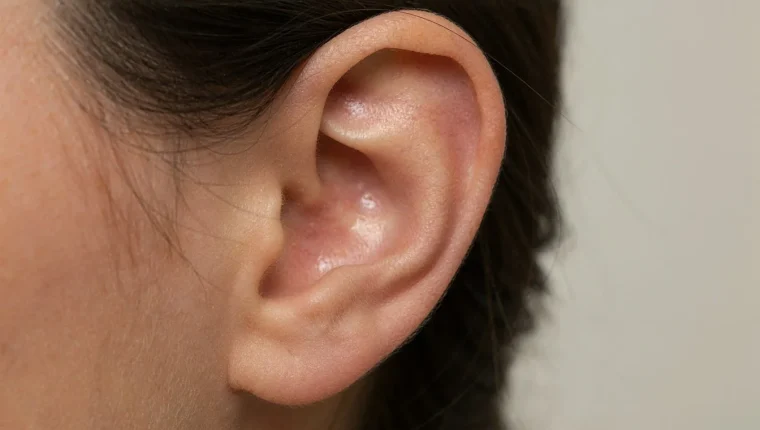
Once credentials are out of the way, the conversation should turn inward — to your own expectations. A productive discussion about your ear correction goals starts with being able to describe what bothers you: how far your ears protrude, whether one sits differently than the other, or if the shape of the ear itself (the fold of the upper ear, for example) bothers you as much as the angle. Bringing photos of ears you find aesthetically pleasing, or even of your own ears from a time you liked them, gives the surgeon something concrete to work with.
Be equally clear about what you *don’t* want. Many patients worry about an “operated” or pinned-back look, and saying so helps the surgeon tailor the plan toward a natural result. This is also the moment to talk about facial harmony — the idea that your ears should be corrected in proportion to your head, hairline, and overall features rather than set to a generic standard angle.
A few expectations worth clarifying during this part of your visit:
Whether perfect symmetry is realistic, or whether a slight, natural difference between ears will remain.
How your results might evolve over time, especially if you’re an adult patient whose cartilage is firmer than a child’s.
What the surgeon can and cannot change — for instance, reshaping cartilage structure is a different conversation than simply repositioning the ear.
Honest dialogue here protects you both. A good surgeon will sometimes gently adjust a goal that isn’t achievable, and that honesty during the consultation is one of the strongest signs you’ve found the right person.
Understanding the Proposed Surgical Technique and Plan
Once you and your surgeon have clarified your goals, the conversation should turn to how those goals will actually be achieved. Otoplasty is not a single procedure but a collection of approaches, and the right one depends entirely on your unique ear anatomy. A skilled surgeon will explain whether your case calls for cartilage reshaping, cartilage removal, repositioning, or a combination of these.
The most widely used method is the Mustardé technique, which uses permanent internal sutures to create or deepen the antihelical fold — the natural crease that is often missing in prominent ears. If your concern is ear protrusion caused by a deep conchal bowl rather than a missing fold, your surgeon may instead recommend a concha reduction or a Furnas-type procedure that pins the ear closer to the head.
Ask the surgeon to walk you through the specific plan for your ears and, just as importantly, why they chose that approach over the alternatives. A confident surgeon can usually show you where the incisions will be placed — typically hidden behind the ear — and describe how the cartilage will be reshaped or repositioned during your otoplasty in Turkey.
It is also worth asking whether the plan is bilateral and symmetrical. Even minor differences between your two ears should be assessed and addressed in the surgical plan, since symmetry is the single biggest factor in a natural-looking result. Request that the agreed technique be documented in writing before you travel home, so the plan travels with you and can be referenced by any future provider.
Risks, Recovery Time, and Aftercare: What to Clarify
No surgical procedure is risk-free, and otoplasty is no exception — but most complications are rare, manageable, and far easier to handle when you know about them before the operation, not after. A good surgeon will bring these up without prompting; a great consultation gives you the space to dig deeper. The most important topic to cover here is your recovery timeline, because it directly shapes how long you’ll need to stay in Turkey and when you can safely fly home.
Before agreeing to surgery, ask your surgeon to walk you through the specific risks that apply to your anatomy and chosen technique. Typical concerns include:
- Infection and wound breakdown: Uncommon, but any sign of increasing pain, redness, or discharge in the days after surgery needs immediate attention — ask which clinic contact handles post-operative concerns and in what language.
- Asymmetry or overcorrection: Ears are naturally slightly uneven, and perfect symmetry isn’t realistic. Ask how your surgeon plans for balance and what their revision policy covers if the result disappoints.
- Hypertrophic or keloid scarring: The incision usually hides behind the ear, but some skin types heal with raised scars. Mention any personal or family history of keloids during the consultation.
- Suture-related issues: Techniques using permanent internal stitches can occasionally cause irritation or the ear returning toward its original position, sometimes months later.
Just as important is understanding what the days after surgery will actually look like. Most patients wear a protective headband continuously for the first week, then at night for several weeks to prevent the ears from being folded during sleep. Expect some swelling, bruising, and tenderness that peaks around day three and fades steadily. Strenuous exercise, swimming, and contact sports are usually off the table for four to six weeks, while most desk-based work is possible within a week.
Finally, clarify your aftercare logistics as an international patient: how many follow-up appointments are included before you fly home, who monitors your healing remotely afterward, and when your surgeon considers it safe for air travel — typically after the first week, once cabin-pressure-related swelling risks have passed. Getting these answers in writing turns a good surgical outcome into a smooth overall experience.
Costs, Packages, and What's Included in Your Turkey Treatment
Cost is often the reason patients consider Turkey in the first place, but the price tag alone tells you very little. During your consultation, the real question is not “how much?” but “what exactly does that number cover?” A well-structured all-inclusive package typically bundles the surgeon’s fee, anesthesia, hospital or clinic charges, compression garments, medications, and follow-up visits into one figure — while a low headline price may exclude several of these, leaving you with unexpected bills.
Ask the clinic to provide a written, itemized breakdown. Specifically confirm whether the quote includes pre-operative testing, the anesthesiologist’s fee, post-operative check-ups, and any necessary prescription medication. Also clarify what happens financially if a revision is needed: some clinics cover minor corrections within the first year, while others charge again from scratch. Getting this in writing protects you far better than any verbal assurance.
Beware of comparing prices across clinics without equalizing the scope. A €1,800 offer that excludes anesthesia and aftercare can easily end up costing more than a €2,500 package that covers everything. Reputable clinics will not pressure you to pay the full amount upfront before you have even met your surgeon or reviewed the surgical plan discussed in earlier sections.
Payment logistics deserve attention too. Ask which currencies are accepted, whether deposit is required to secure your surgery date, and what the refund policy is if you cancel or the surgeon deems you unsuitable for the procedure. If your package includes accommodation and transfers, confirm the hotel’s proximity to the clinic — you will need to attend multiple dressing appointments during your first week.
Finally, remember that aftercare does not end when you fly home. Ask who you should contact if swelling, pain, or wound concerns arise after you return, whether teleconsultations are included, and whether your local doctor can receive your operative notes. The best clinics treat your journey as a full cycle, not a single transaction — and their pricing should reflect that.
Red Flags to Watch for During Your Clinic Visit
While many clinics in Turkey are professional and trustworthy, a face-to-face visit is precisely when warning signs become visible. One of the most reliable indicators of a problematic facility is pressure to book immediately — a reputable surgeon will give you time to think, never rush you into surgery with “limited-time discounts” or demands for full cash payment on the spot.
Be equally cautious if the consultation feels superficial. A surgeon who spends less than fifteen minutes with you, avoids examining your ears in detail, or has a staff member rather than the surgeon discuss the procedure is cutting corners that may continue into the operating room. You should never feel that questions about credentials, revision rates, or technique are unwelcome.
Other red flags worth noting during your visit include the clinic being vague or evasive about the surgeon’s board certification, photos of before-and-after results that appear heavily edited or inconsistent, and an unwillingness to put the full surgical plan in writing. Operating rooms that cannot tell you which hospital or accredited surgical facility would handle complications are also cause for concern, as is the absence of any discussion about follow-up care once you return home.
Trust your instincts as well. If the clinic promises “perfect” or “guaranteed” results, remember that ethical surgeons always acknowledge the realistic limits and small risks of any operation. Poorly translated or incomplete consent forms, contracts that differ from what was discussed verbally, and requests to skip medical evaluations are all signs to walk away — no matter how attractive the price.
Finally, consider using your clinic visit to verify details independently: confirm the surgeon’s certification with the relevant medical board, ask for references from international patients if possible, and make sure everything agreed upon is documented before any deposit is paid. A legitimate clinic will welcome this diligence, not resist it. Taking these precautions during your visit protects both your safety and the outcome you’ve invested in.
FAQs
How much does otoplasty cost in Turkey compared to Europe and the US?
Otoplasty in Turkey typically costs between $1,500 and $3,000, while the same procedure in Europe usually ranges from €3,000 to €6,000 and in the US from $4,000 to $8,000 or more. This makes Turkey roughly 40-60% cheaper than European countries and up to 70% cheaper than the US, even when flights and accommodation are included. The price difference reflects lower operating costs and labor expenses rather than lower quality, as many Turkish clinics are internationally accredited and surgeons perform high volumes of ear surgery. Final pricing varies with the surgeon's experience, the technique used, and whether the package covers aftercare.
What should I bring to my otoplasty consultation in Turkey?
Bring your medical history, a list of current medications and supplements, details of any allergies or previous ear surgeries, and recent test results if you have them. If you are a minor, a parent or legal guardian must accompany you with identification and consent documents. Also bring photos of your ears from different angles, your passport, and a written list of questions about the procedure, costs, and recovery so nothing is missed during the discussion.
How long should I stay in Turkey after ear surgery for safe recovery?
Most patients should plan to stay in Turkey for 7 to 10 days after ear surgery. This allows your surgeon to remove stitches or packing, monitor initial healing, and address any concerns before you fly. If otoplasty involves general anesthesia or complications occur, your surgeon may recommend extending your stay a few extra days. Always get clearance from your treating clinic before booking your return flight.