Searching for a hair transplant in Turkey price in USD may seem straightforward, but advertised figures rarely tell the whole story. The final cost may change according to the number of grafts needed, the procedure used, the clinic’s standards, and the services included in the package. A low headline price may cover only the surgery, while another quote may include accommodation, transfers, medication, and follow-up care. That difference can make direct comparisons misleading. This guide explains how to read Turkey hair transplant prices more realistically, what a quote may include, and which additional expenses should be considered before making a decision. Do not simply look for the cheapest offer; understand what you are paying for and whether the treatment plan, medical supervision, and overall arrangements match your needs.
What Is the Average Hair Transplant Turkey Price in USD?

Published prices for a hair transplant in Turkey often fall within a broad range, commonly around $2,000 to $5,000 USD for many international patients. This figure is a budgeting guide rather than a universal rate. A smaller procedure may cost less, while a larger session requiring several thousand grafts can move toward the upper end or beyond it.
Average prices differ because clinics serve different patient profiles and operate at different levels of specialization. A surgeon-led clinic with limited daily capacity may quote more than a high-volume center, even when both use a similar extraction method. The advertised amount may also refer to a basic procedure, a fixed graft allowance, or a wider package with accommodation and transfers. Comparing the number alone can therefore create a misleading impression of value.
To make two USD quotations genuinely comparable, check whether they are based on the same estimated graft count and whether the consultation, doctor’s involvement, medications, follow-up care, and any accommodation are included. The quoted currency and payment terms also matter, particularly when exchange-rate changes or additional card fees may apply.
Online ranges should be treated as orientation, not as a personal quotation. A realistic estimate requires photographs or an examination, an assessment of donor supply, and a treatment plan matched to the patient’s hair loss pattern. Until those details are confirmed, the most useful average is a starting point for budgeting—not a promise of the final hair transplant cost.
Which Factors Affect Hair Transplant Costs in Turkey?
The number of grafts is usually the first major factor affecting the cost of a hair transplant in Turkey. A patient with limited recession may need far fewer grafts than someone with advanced thinning across the hairline, crown, and mid-scalp. The pattern and extent of hair loss therefore matter as much as the clinic’s advertised price. A larger session generally requires more time, staff, and donor-area management.
Graft requirements also depend on the available donor supply. Thick, stable donor hair can make planning more straightforward, while limited density, previous surgery, or diffuse thinning may require a more conservative design. In these cases, the surgeon may recommend a smaller session or staged treatment rather than simply increasing the graft count.
Surgeon involvement can create another meaningful difference between quotations. Some clinics use a doctor to assess the patient, design the hairline, and supervise key surgical stages, while technicians perform much of the extraction and implantation. Others provide more direct surgeon participation. The clinic’s facilities, staffing model, operating standards, and level of medical supervision can all influence the fee, even when the proposed graft number appears similar.
The quoted amount may also reflect services surrounding the procedure, such as aftercare, medication, airport transfers, accommodation, or local transportation. These inclusions can make one offer appear more expensive while covering expenses that another clinic bills separately. Technique-specific pricing is another variable, but it should be assessed alongside the complete treatment plan rather than used as the sole comparison.
Finally, an online estimate is not always final. A consultation may reveal a different degree of hair loss, weaker donor density, or a need to revise the planned hairline. Before paying a deposit, ask whether the graft count, surgeon assessment, facility, aftercare, and any additional charges are confirmed in writing.
How Do FUE, DHI, and Sapphire Techniques Compare in Price?
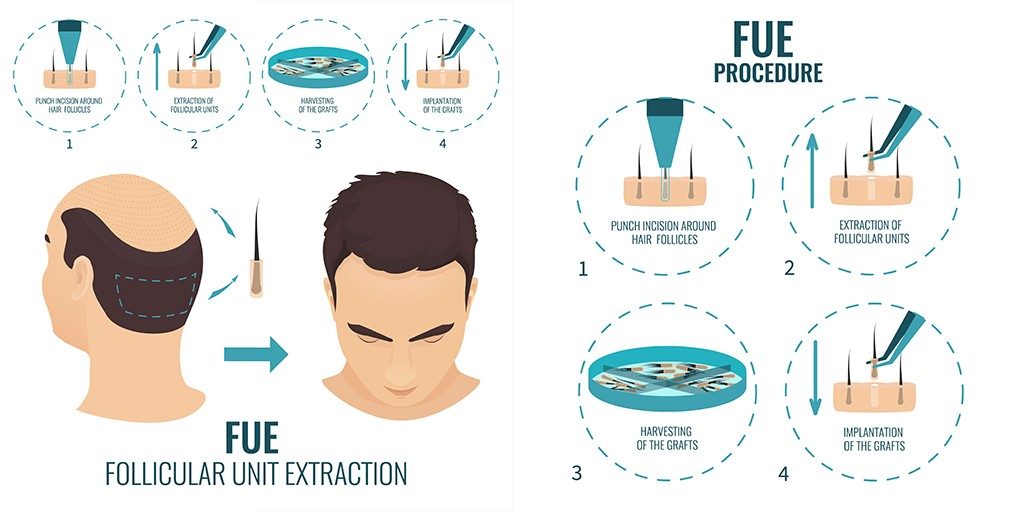
FUE, DHI, and Sapphire are often presented as separate price categories, but the distinction is more nuanced. FUE is primarily an extraction method: individual follicular units are removed from the donor area before being prepared for implantation. DHI generally refers to a direct implantation approach, often using a pen-like device to place grafts without creating all recipient sites in advance. Sapphire usually describes the material of the blade used to make recipient channels within an FUE-based procedure, rather than a completely separate transplant method.
Because of this, a clinic may quote DHI or Sapphire at a higher rate than standard FUE, particularly when the procedure involves specialized instruments, additional preparation, or a more time-intensive workflow. However, the technique label alone does not establish that the result will be better or that the extra charge is justified. In many cases, the number of grafts and the complexity of the recipient area have a greater effect on the quotation than the name used in the advertisement.
The team structure also matters. A procedure led closely by an experienced surgeon may be priced differently from one in which most stages are delegated to technicians. Patients should therefore ask who performs extraction, channel creation, and implantation, and whether the proposed method suits their hair loss pattern, donor supply, and long-term goals.
A higher-priced technique can be reasonable when it reflects a genuine clinical need or a clearly defined service difference. It is less meaningful when it is used only as a marketing upgrade. The most reliable comparison is between individualized treatment plans that specify the graft number, operating team, technique details, and expected inclusions—not between technique names alone.
What Does a Hair Transplant Package in Turkey Include?

A quoted package should be assessed as a bundle of specific services, not as a single procedure price. Clinics may use similar promotional wording while covering very different levels of care, so the key question is what happens before, during, and after the operation. A clear offer should define the treatment scope and identify which services are included at the stated price. Reviewing each part of the package in advance can help patients understand the proposed care, compare clinics fairly, and avoid relying on a headline price that does not reflect the complete experience.
- Consultation and planning: The package may include a medical assessment, hairline planning, graft estimation, and preoperative instructions. Confirm whether the consultation is conducted by the surgeon or by a coordinator.
- The procedure itself: Verify the planned technique, estimated graft range, local anesthesia, operating-room costs, and whether surgeon involvement is specified. Extra grafts or a change in treatment scope may carry a separate charge.
- Medication and aftercare: Some packages provide antibiotics, pain relief, washing supplies, or a postoperative kit, while others charge for these items separately. Ask how follow-up instructions and remote support are handled.
- Transfers and accommodation: Airport or hotel transfers and a stated number of hotel nights are common inclusions. Check the hotel category, room arrangement, transfer limits, and whether additional nights cost extra.
- Companion and stay-related terms: A patient’s package may not cover a companion, meals, upgraded accommodation, or an extended stay. These conditions should be clarified before booking.
The most important document is a written quotation that states the package scope, total price, deposit, payment schedule, cancellation terms, and possible additional fees. It should also indicate what happens if the final graft requirement differs from the initial estimate. Keeping this information in writing makes it easier to compare offers accurately and reduces the risk of unexpected charges at the clinic. Patients should also confirm who will be available for questions after returning home, since clear follow-up arrangements are an important part of understanding the overall value and support provided by the package.
How Much Do Travel and Additional Treatment Costs Add?
The clinic’s quoted fee is only one part of the amount you may spend. Flights can vary substantially by departure city and season, while airport transfers may cover only the scheduled journeys included in the arrangement. Check whether you will need to pay for transport between accommodation, clinic, and airport, especially if your itinerary changes.
Other common expenses include extra hotel nights, meals outside the provided plan, travel insurance, internet access, and foreign-exchange or card fees. A package may be priced in dollars, but your bank could apply conversion charges or an unfavorable exchange rate. Keeping a modest contingency fund can prevent these smaller costs from disrupting your budget.
Medical expenses should also be considered separately. You may need prescribed medication after the procedure, an additional consultation, or a follow-up appointment that is not included in the original arrangement. Corrective treatment is not inevitable, but it can become a significant cost if results require further assessment or intervention later. Out-of-package costs should therefore be identified before booking.
Ask the clinic which travel services are guaranteed, which depend on availability, and what happens if your flight is delayed or you need to extend your stay. Request written confirmation of any included nights, transfers, medications, and follow-up care, then combine those terms with your personal travel estimate to calculate a more realistic total.
How Can You Evaluate Clinics Beyond the Advertised Price?

A clinic should be judged by the quality and accountability behind its quote, not by the number displayed in an advertisement. Start by confirming the surgeon’s qualifications, experience with your type of hair loss, and exact role during the procedure. Ask who performs extraction, channel opening, implantation, and medical supervision. A clear answer is more reassuring than a generic claim that a procedure is “doctor-led.”
Review before-and-after photographs critically. They should show comparable lighting, angles, hair characteristics, and follow-up periods rather than only carefully selected results. The consultation should also demonstrate individualized planning, including a realistic assessment of donor supply and the long-term design of the hairline. Promises of unlimited density or guaranteed growth deserve closer scrutiny.
Communication is another important quality marker. The clinic should explain risks, expected recovery, possible limitations, and who will manage questions after you return home. Check whether its revision policy is written clearly, including what happens if the result is unsatisfactory or a medical complication requires further assessment.
Be cautious when a representative pressures you to pay quickly, avoids itemizing the offer, changes the graft estimate without explanation, or makes claims that cannot be independently verified. A transparent clinic will give you time to compare information, identify the responsible medical professionals, and understand exactly what you are agreeing to before payment.
FAQs
What is the average hair transplant Turkey price in USD?
The average hair transplant Turkey price is approximately $2,000 to $4,000 USD, depending on the clinic, technique, number of grafts, and included services. Premium clinics or larger procedures may cost more, while all-inclusive packages sometimes cover accommodation, transfers, and aftercare.
What does the hair transplant cost in Turkey usually include?
Hair transplant packages in Turkey usually include the surgeon’s consultation, the procedure, anesthesia, necessary medications, and follow-up instructions. Many clinics also include airport transfers, hotel accommodation, and an interpreter, but the exact inclusions vary by provider. Confirm whether post-operative care, additional procedures, and travel expenses are covered before booking.
Why can hair transplant prices in Turkey vary between clinics?
Hair transplant prices in Turkey vary because clinics differ in surgeon experience, procedure quality, technology, facility standards, and the number of grafts required. Packages may also include services such as accommodation, transfers, medications, and follow-up care, which affects the total cost. Very low prices may reflect limited surgeon involvement or reduced aftercare, so patients should compare qualifications and treatment details rather than cost alone.