Choosing a clinic for a hair transplant in Turkey is a medical decision, not just a search for the lowest price. A focused consultation helps you understand whether you are a suitable candidate, what caused your hair loss, and which procedure fits your pattern and goals. It also lets you evaluate the surgeon’s experience, the clinic’s standards, and the support available after treatment. Before booking, ask who will perform each stage, how many grafts are recommended, what results are realistic, and whether the quoted fee includes medication, accommodation, follow-up care, and possible revisions. You should also discuss your medical history, current treatments, donor-area condition, and recovery timeline. A trustworthy hair transplant consultation in Turkey should provide specific answers, a personalized plan, and enough information to make a confident decision.
What Happens During a Hair Transplant Consultation in Turkey?
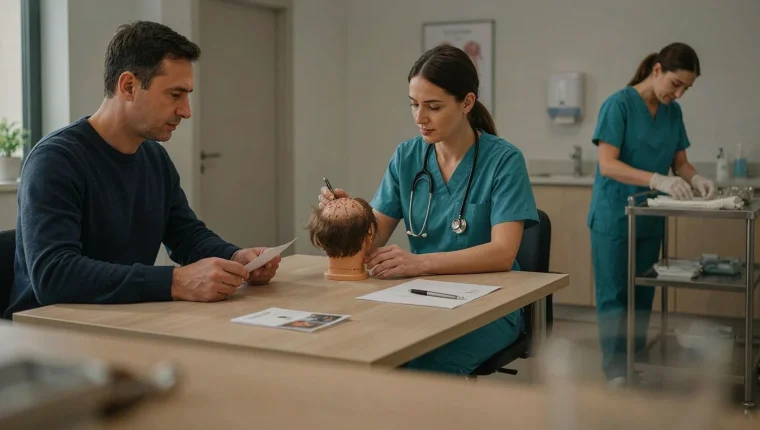
A consultation sets the direction for the entire hair restoration process. Whether it takes place in person or by secure video call, the appointment should give you a clear understanding of your diagnosis, realistic outcomes, and the clinic’s recommended plan before you make a decision.
The discussion usually begins with your medical and hair-loss history. The doctor may ask when shedding started, whether it is progressing, which relatives have experienced hair loss, and whether you have tried medication or previous procedures. You should also mention relevant conditions, allergies, regular medicines, smoking, and any history of poor wound healing. These details can affect both candidacy and surgical planning.
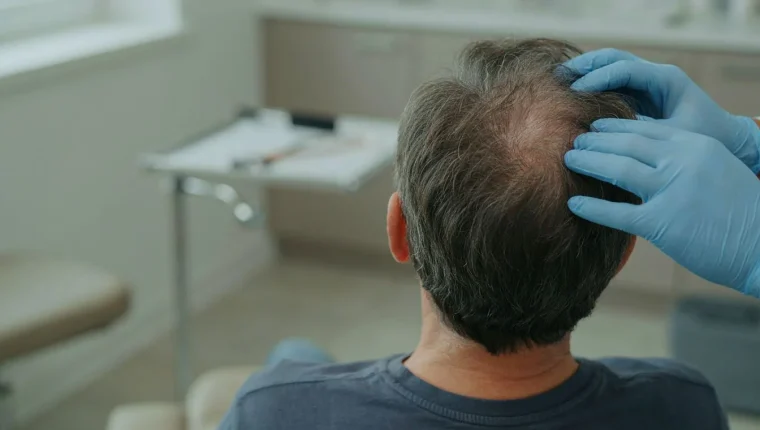
The clinician then examines your scalp and hair pattern. In an in-person appointment, this may include close visual inspection, magnified assessment, and photographs from several angles. During an online consultation, you may be asked to provide well-lit images of your hairline, crown, top, sides, and donor area. The purpose is to distinguish patterns such as androgenetic alopecia from other causes of thinning that may require medical investigation before surgery.
A key part of the meeting is discussing your goals. You may explain whether you want to rebuild the hairline, add density to the crown, or improve overall coverage. The doctor should respond with a realistic plan rather than promise a guaranteed result. Hair characteristics, available donor hair, age, and the likely progression of hair loss all influence what can be achieved.
You should also receive an explanation of the proposed procedure, including the expected number of grafts, approximate session length, anaesthesia, recovery timeline, and follow-up arrangements. At this stage, ask who will perform each surgical step and how communication will work after you return home. A trustworthy clinic should provide clear answers without pressuring you to book immediately.
Before agreeing to treatment, request a written summary of the recommendation. It should identify the planned technique, estimated graft range, surgeon responsible, quoted inclusions, and any medical preparation required. If the consultation is conducted remotely, confirm that the final graft estimate and surgical plan will be rechecked after an in-person examination in Turkey.
How Is Your Hair Loss and Donor Area Evaluated?
A careful assessment of hair loss determines whether transplantation is appropriate, how much coverage is realistic, and when treatment should take place. During the consultation, the clinician reviews the pattern and progression of thinning rather than judging the hairline from a single photograph. The goal is to distinguish stable, predictable loss from active shedding that may continue after surgery.
The donor area is examined with equal attention because it supplies the follicles used for restoration. A strong donor zone has sufficient density, healthy hair shafts, and follicles that are less sensitive to the hormones associated with pattern hair loss. The clinician may use magnified imaging or a digital dermatoscope to assess follicle calibre, density, miniaturisation, and signs of inflammation or scarring.
- Hair-loss pattern: The clinician maps recession, crown thinning, diffuse reduction, and the position of the existing hairline to identify the likely type and extent of loss.
- Progression: Previous photographs, family history, age, and the speed of shedding help determine whether the condition appears stable or may require medical management before surgery.
- Donor density: Measurements from the back and sides of the scalp show how many grafts may be available without making the donor area look visibly thinner.
- Follicle quality: Hair calibre, curl, angle, and the number of hairs in each follicular unit affect both the harvesting plan and the visual coverage that can be achieved.
- Scalp condition: Redness, scaling, active infection, scarring, or previous procedures can influence timing and may need evaluation or treatment before transplantation.
Assessment should also include the beard or other body hair only when the scalp donor supply is limited and the surgeon considers those sources clinically appropriate. These follicles may differ in texture and growth behaviour, so they cannot automatically replace scalp grafts. A trustworthy consultation should explain the estimated safe extraction range, preserve donor reserves for future loss, and avoid promising a density that the available follicles cannot support.
If shedding is diffuse or unusually rapid, the clinician may recommend blood tests or referral to a dermatologist before confirming a surgical plan. This step can identify treatable contributors and helps ensure that transplantation addresses permanent follicle loss rather than temporary shedding.
Which Transplant Technique and Graft Plan Suit You?

Once your hair-loss pattern and donor area have been assessed, the next decision is how those resources should be used. The most suitable technique depends on your follicle characteristics, the size and location of the thinning areas, your preferred recovery process, and how much donor hair should be reserved for possible future loss.
Follicular unit extraction (FUE) removes individual follicular units from the donor area using a small punch. It is widely used because it avoids a linear donor scar and allows grafts to be distributed across the hairline, temples, mid-scalp, or crown. However, the extraction pattern must be carefully planned. Removing too many grafts from one region can create visible thinning in the donor area.
Follicular unit transplantation (FUT), also called strip harvesting, removes a narrow strip of scalp from the donor region and separates it into individual grafts. It may provide a high number of usable grafts in selected patients, particularly when the donor area has suitable density. The trade-off is a linear scar and a different recovery experience, so the technique should be discussed in relation to your hairstyle, scalp laxity, and long-term plans.
The graft plan should match the visual priority of your hair loss. A natural hairline generally requires single-hair grafts placed at an appropriate angle and direction. Behind it, multi-hair grafts can create greater coverage, while the crown may require a different distribution because of its whorl pattern and higher visual demands. A reputable clinic should explain how many grafts are proposed for each zone and why.
Ask whether the plan accounts for future progression. A dense first procedure may leave too few donor grafts for later treatment if native hair continues to thin. The surgeon should therefore discuss medical management where appropriate, donor conservation, likely density, and whether the proposed result is realistic for your follicle quality and scalp characteristics.
Be cautious of a fixed graft number presented before examination. The right plan is individualized, and the safest recommendation may involve treating the most visible areas first rather than covering every thinning region at once. Request a written breakdown showing the technique, estimated graft number, target areas, expected density, and who will perform each surgical step.
What Should You Ask About the Surgeon’s Experience?
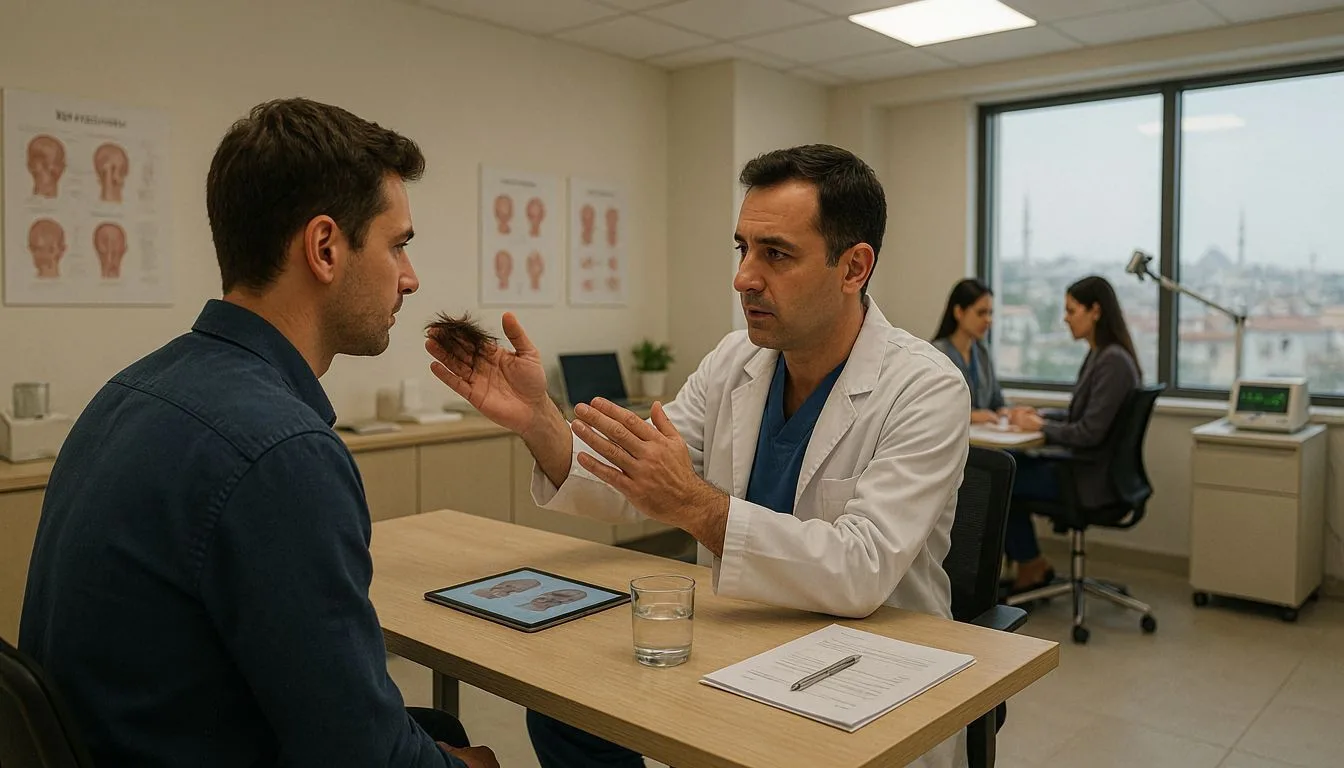
The surgeon’s experience should be assessed through specific, verifiable questions rather than broad claims such as “highly experienced.” Ask how many hair transplant procedures the surgeon performs personally each year, how long they have focused on hair restoration, and whether they regularly treat cases similar to yours. Experience with advanced hair loss, limited donor density, previous transplant repair, and different hair textures may be especially relevant to your situation.
Clarify which parts of the procedure the surgeon will perform directly. In some clinics, a doctor designs the hairline and supervises the operation while technicians carry out much of the extraction or implantation. Ask who will evaluate your donor area, make the recipient-site incisions, extract grafts, and place follicles. The answer should be specific, consistent, and easy to understand.
Request to see a substantial selection of verified before-and-after results, not only a few promotional photographs. Ideally, the examples should show patients at least 9 to 12 months after surgery and include comparable hair-loss patterns, hair characteristics, graft numbers, and angles. Ask whether the photographs belong to the clinic’s own patients and whether lighting, styling, or hair length could affect the comparison.
You can also ask about the surgeon’s approach to hairline design and long-term planning. A responsible surgeon should explain how the proposed hairline fits your age, facial proportions, current progression, and available donor supply. They should also discuss what happens if native hair continues to thin after transplantation, rather than presenting the procedure as a permanent solution for all future hair loss.
Before choosing a clinic, ask about the surgeon’s professional credentials, licensing, specialist training, and experience with the specific technique recommended for you. Find out who will be available if you have questions after returning home and who manages complications if they occur. A willingness to explain limitations, decline unsuitable cases, and provide realistic expectations is often as important as the number of procedures performed.
What Costs, Inclusions, and Risks Should You Clarify?
Price should be discussed as part of the treatment plan, not treated as a standalone figure. A low quotation may exclude important services, while a higher package may include care that is unnecessary for your case. Ask the clinic to connect every cost to your proposed graft number, technique, surgeon involvement, and follow-up arrangements so you can compare like with like.
Request a written quotation before making a decision. It should explain what happens if the plan changes after a closer examination, whether additional grafts can be added, and which payments are refundable. The clinic should also distinguish between medical necessities and optional extras rather than presenting one unclear package price.
- Package contents: Confirm whether the price includes consultation, blood tests, medications, local anaesthesia, the procedure itself, accommodation, airport transfers, translation, and postoperative check-ups.
- Surgeon involvement: Ask who performs each stage, including extraction, hairline design, and implantation, and whether the named surgeon is included in the quoted fee.
- Possible additional charges: Clarify costs for extra grafts, longer accommodation, prescription medicines, PRP, corrective treatment, or unexpected medical investigations.
- Aftercare and revision policy: Find out how follow-up is provided after returning home and whether the clinic offers defined support if growth is limited or a correction is later recommended.
- Payment protection: Check the deposit amount, cancellation terms, payment schedule, accepted methods, and the legal entity receiving your money.
Risk discussions should be specific to your situation rather than limited to general assurances. Ask how the clinic manages bleeding, infection, poor graft survival, overharvesting, unnatural hairline design, and shock loss. The surgeon should explain which risks are more relevant given your donor density, follicle quality, scalp condition, and expected progression of hair loss.
Be cautious when a clinic guarantees a precise number of grafts, permanent density, or a perfect result. A responsible plan explains realistic growth, recovery milestones, and the circumstances that could affect the outcome. Before agreeing, make sure you know who remains responsible for medical advice after leaving Turkey and how urgent concerns will be handled.
How Can You Prepare for Surgery After the Consultation?
After the consultation, turn the agreed treatment plan into clear, practical instructions before surgery. Ask the clinic to provide the proposed graft number, procedure date, arrival time, medication guidance, and contact details for your coordinator or medical team. Written instructions help prevent misunderstandings, especially when treatment is arranged abroad.
Follow the clinic’s medication and health instructions carefully. Tell the surgeon about all prescription medicines, supplements, allergies, chronic conditions, and previous operations. Some medicines and supplements may increase bleeding risk or affect healing, so do not stop prescribed treatment without medical advice. The clinic may also ask you to avoid alcohol, smoking, or certain products before the procedure.
Keep your scalp in its usual condition unless the clinic gives different advice. Avoid experimenting with new dyes, harsh treatments, or irritating scalp products shortly before surgery. If you develop an infection, significant scalp irritation, fever, or another health problem, inform the clinic rather than assuming the procedure should continue.
Plan the practical details early. Arrange suitable accommodation, airport transfers, and enough time in Turkey for the operation and the first review. Choose loose, front-opening clothing so you do not need to pull garments over the treated area. If sedation or medication is planned, confirm whether you need someone to accompany you and whether you should avoid driving afterward.
Before travelling, save copies of your consultation notes, consent documents, treatment plan, payment records, and contact information. Confirm what the clinic provides, including postoperative washing, medication, transportation, and follow-up access. Understanding the postoperative care protocol is especially important because washing, sleeping position, physical activity, sun exposure, and protective headwear can affect comfort and early healing.
Use the final preoperative call to resolve any remaining uncertainty. Confirm who will perform each stage, when you should arrive, what you may eat or drink, and how to report symptoms after returning home. Good preparation allows the surgical team to work from accurate medical information and gives you a safer, more predictable experience.
FAQs
What should I ask about the surgeon’s qualifications during a hair transplant consultation in Turkey?
Ask where the surgeon trained, which medical licenses and specialist certifications they hold, and how many hair transplant procedures they perform each year. Confirm that the named surgeon—not only a technician-led team—will assess you, design the hairline, and carry out the surgical steps. Request verifiable before-and-after cases involving patients with similar hair loss and ask about their experience with the specific technique recommended for you.
Which hair transplant technique and graft number are right for my hair loss?
The right technique and graft number depend on your hair loss pattern, donor-area density, hair characteristics, and long-term goals. During a consultation in Turkey, a qualified specialist should assess these factors, explain whether FUE, DHI, or another approach is appropriate, and provide a personalized graft estimate rather than using a fixed package number. Ask how the plan will preserve your donor supply and address future hair loss.
What should the package price include, such as surgery, accommodation, transfers, and follow-up care?
A clear package price should specify the surgery, surgeon and clinic fees, medications, accommodation, airport and clinic transfers, and scheduled follow-up care. During your consultation, ask whether preoperative tests, aftercare products, revisions, and additional nights are included or charged separately.