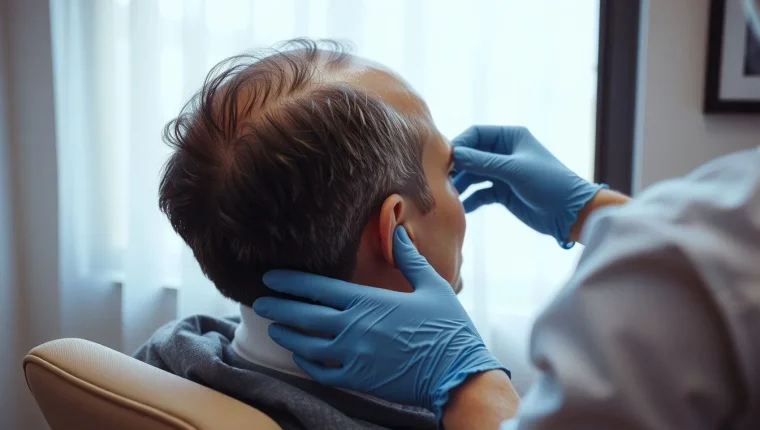
You notice it in the shower drain, on your brush, or across your pillowcase: more hair than usual, and no clear reason why. That moment is unsettling but common. Shedding follows a natural cycle, so losing roughly 50 to 100 hairs a day is expected. When shedding increases or thinning becomes visible, the cause may be harmless and temporary or point to something treatable. Causes range widely, from genetics and hormones to illness, medications, diet, stress, and styling habits. Understanding that range helps you judge whether your shedding is normal, what is likely driving it, and when it needs professional attention.
Understanding Normal Hair Shedding Versus Excessive Loss
Hair grows in a repeating cycle of growth, transition, and rest, and shedding is the natural end of that cycle. Most people lose somewhere between 50 and 100 strands a day, a number that rises slightly with washing, brushing, or seasonal shifts. Because new hairs are emerging at the same time, this turnover rarely changes how your hair looks.
The picture shifts when loss outpaces regrowth. Rather than counting strands, watch for changes in hair density: a part that seems wider, a ponytail that feels thinner, more scalp visible near the temples or crown, or clumps of hair on the pillow instead of scattered strands.
That visible thinning, not daily shedding itself, is the signal worth investigating. The next sections explore what commonly drives it.
Common Hair Falling Out Causes Linked to Genetics and Hormones
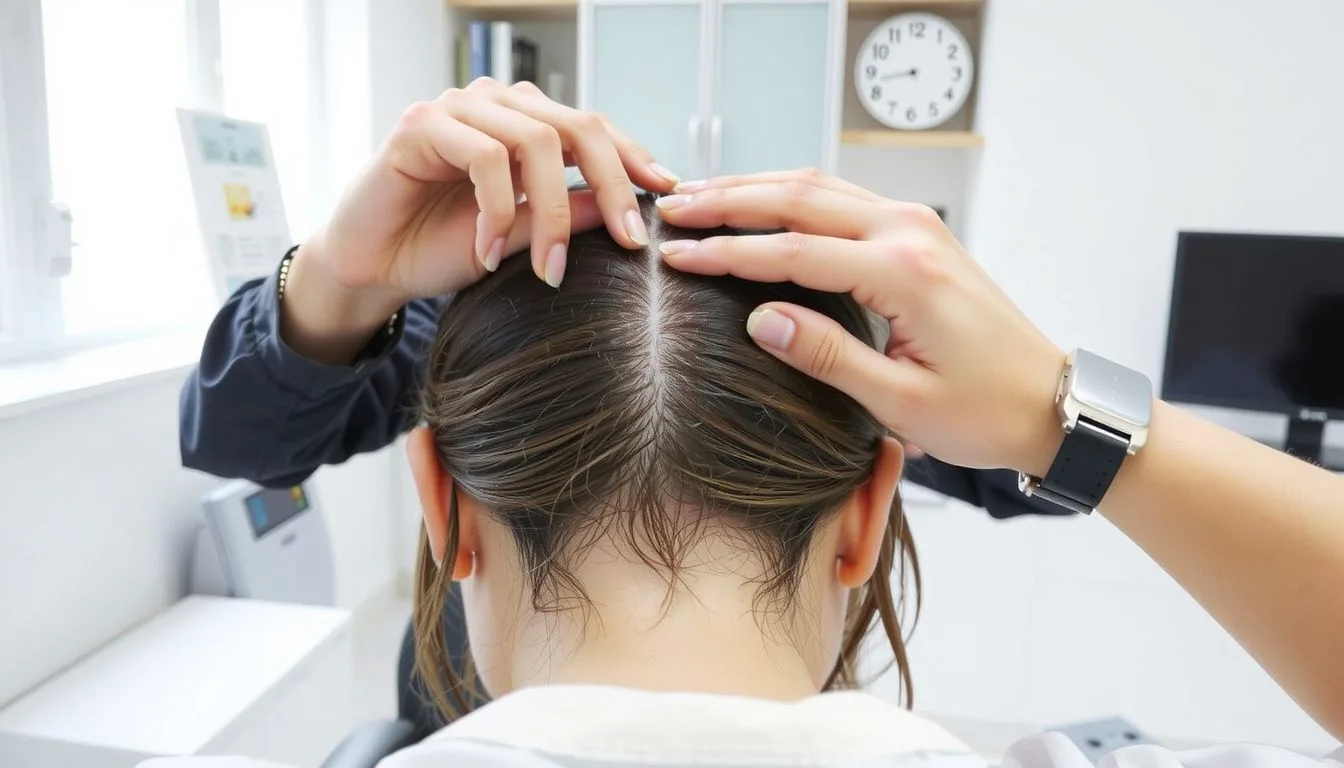
Some of the most persistent shedding patterns have little to do with what you eat or how you style your hair. Instead, they trace back to inherited traits and shifting hormone levels. The most recognizable form is androgenetic alopecia, often called pattern hair loss. In men, it usually begins as a receding hairline or a thinning crown. In women, it tends to show up as a widening part and overall thinning across the top of the scalp, while the frontal hairline stays largely intact. This difference matters because the visible pattern often points to the underlying driver.
Hormonal shifts can trigger shedding in equally distinct ways. An underactive or overactive thyroid can push follicles into a resting phase, producing diffuse loss weeks later. Pregnancy often causes heavy shedding a few months after delivery as hormone levels drop. Menopause and polycystic ovary syndrome (PCOS) alter the balance of androgens and estrogens, which can shrink follicles over time. In each case, the timing and pattern of loss reflect how hormones disrupt the normal growth cycle.
Medical Conditions and Medications That Trigger Hair Loss

Sometimes shedding is not the problem itself but a visible symptom of something happening elsewhere in the body. When hair loss begins suddenly, spreads diffusely, or arrives alongside fatigue, joint pain, or unusual rashes, an underlying condition may deserve attention. Infections such as scalp fungal disease and severe illness with high fever can interrupt the growth cycle, while autoimmune conditions like alopecia areata and thyroid disorders disrupt normal follicle function. Chronic illnesses, including lupus and anemia, are also recognized contributors.
Medications form a second major category. Blood thinners, certain antidepressants, retinoids, and chemotherapy agents are well-known for affecting hair growth. For many people, the timing of onset after starting a drug is a useful clue: shedding typically appears weeks to a few months later, which helps connect the symptom to the treatment. If you suspect a medication is responsible, do not stop it on your own. A clinician can confirm whether drug-induced hair loss is likely and discuss safer alternatives.
Nutritional Deficiencies and Lifestyle Factors Behind Thinning Hair
What you eat and how you live can influence how much hair you keep, but the effect is usually gradual rather than sudden. Hair follicles are among the most metabolically active structures in the body, and when nutrients run low or stress stays high, the follicle can shift prematurely into its resting phase. That shift shows up weeks later as increased shedding, which makes the connection easy to miss.
Several nutritional gaps are worth knowing because they are common and measurable:
- Iron deficiency — Low ferritin stores can reduce oxygen delivery to the follicle and are frequently linked to diffuse thinning, even without anemia.
- Vitamin D — This vitamin helps regulate the hair growth cycle, and low levels are often found in people with unexplained shedding.
- Protein — Hair is largely protein; consistently low intake forces the body to divert protein to vital functions first.
- B vitamins — B12 and biotin support cell division in the follicle, and deficiency can slow normal regrowth.
Lifestyle adds its own pressure. Chronic stress raises cortisol, which can push follicles into shedding, while poor sleep and rapid weight loss create similar disruptions. Tight hairstyles, harsh chemical treatments, and frequent heat styling cause a different kind of damage—traction and breakage rather than shedding from the root. Some of these factors you can adjust on your own, but nutrient deficiencies require blood testing to confirm before supplementing, since guessing can mask the real cause.
When to Seek Professional Help and How to Address the Root Cause
Most shedding settles on its own, but certain patterns mean waiting is the wrong move. See a doctor if the loss is sudden or comes out in clumps, if you notice patches of bare scalp, or if the parting has widened noticeably over a few months. Persistent shedding that continues beyond six months, scalp itching, pain, scaling, or redness, and any loss paired with fatigue, weight change, or irregular periods all deserve a professional opinion. The same applies if you are pregnant, recently gave birth, or started a new medication shortly before the shedding began.
An evaluation usually starts with your history: when the loss began, how quickly it progressed, family patterns, illnesses, diet, and every drug or supplement you take. A doctor then examines the scalp and hair under magnification to check density, follicle openings, and breakage. Blood work commonly checks ferritin, vitamin D, thyroid function, and hormone levels, since these overlap with the deficiencies and conditions discussed earlier. Not every test is needed in every case.
Treatment follows the finding rather than the symptom. If iron or vitamin D is low, correcting it may restore growth; if a medication is responsible, your doctor can adjust it; if the pattern is inherited, treatments such as minoxidil or prescription options may slow further loss. The key is identifying the root cause before choosing a product, because the same shedding can have very different solutions.
FAQs
What are the most common hair falling out causes in women?
The most common hair falling out causes in women include androgenetic alopecia (female pattern hair loss), telogen effluvium triggered by stress, illness, or nutritional deficiencies, and hormonal shifts related to pregnancy, menopause, or thyroid disorders. Iron deficiency, low vitamin D, and restrictive dieting frequently contribute as well. Tight hairstyles and excessive heat or chemical treatments can also lead to traction and breakage-related loss. Identifying the underlying trigger through lab work and a scalp examination is essential, since treatment depends on the specific cause.
Can stress or a poor diet really make your hair fall out?
Yes, both stress and poor diet are well-recognized contributors to hair loss. Chronic stress can push hair follicles into a resting phase, leading to noticeable shedding known as telogen effluvium, while nutritional deficiencies in iron, zinc, protein, or vitamin D can weaken hair structure and disrupt growth cycles. These causes are often reversible once the underlying trigger is addressed, which is why identifying them early matters for effective treatment.
When should you see a doctor about hair falling out causes?
You should see a doctor if you are losing hair in patches, noticing sudden or excessive shedding, or experiencing hair loss alongside symptoms such as fatigue, weight changes, or scalp pain, since these can point to underlying causes like thyroid disorders, nutritional deficiencies, or alopecia areata. Persistent hair loss that does not improve after several months, or that follows childbirth, illness, or medication changes, also warrants a professional evaluation. A doctor can identify the specific cause through blood tests, scalp examination, or medical history and recommend appropriate treatment. Early assessment is important because many forms of hair loss are more manageable when addressed promptly.