Many patients who have an arm lift in Turkey fly home to Canada within a week of surgery. The flight is usually eight to ten hours, and what happens during it matters more than most people expect. Cabin pressure, limited movement, and swelling can make routine recovery stressful if you do not plan the trip well.
Returning to Canada too soon after brachioplasty is one of the most common mistakes patients make. The body is still healing, fluid balance is shifting, and compression garments need to stay in place. Knowing when it is safe to fly, what to wear on the plane, and how to handle swelling at 30,000 feet makes the difference between a smooth recovery and an unnecessary complication.
Preparing Your Arms for Cabin Pressure Changes
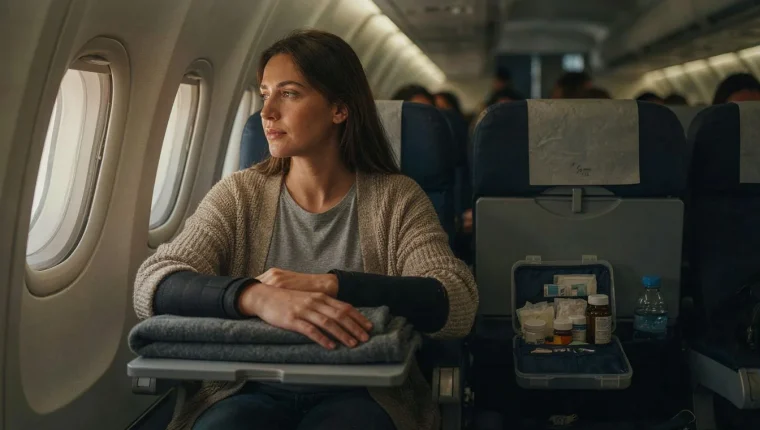
Once your surgeon clears you for the journey home, the next challenge is something most travelers never think twice about: the way cabin pressure behaves at 30,000 feet. After an arm lift, your freshly contoured arms are still settling. Tissues are inflamed, small vessels are repairing, and the skin around the incisions is unusually tight. Lower oxygen levels and the gentle squeeze of pressurization can make that swelling feel heavier than it did on the ground, especially during ascent and the first hour after takeoff.
The good news is that you can soften the effect with a few simple habits in the days leading up to your flight. Stay extra hydrated in the 48 hours before departure, because well-hydrated tissue handles pressure shifts more smoothly. Keep your compression sleeves on while you move through the airport, and avoid heavy lifting with your arms when stowing bags overhead. A short walk in the terminal also helps circulation settle before you sit still for hours.
Inside the cabin, think of your arms as passengers too. Flex and extend your fingers every thirty minutes, gently roll your shoulders, and avoid crossing your arms tightly across your chest. These small movements keep blood moving through the upper body and prevent the stagnant, heavy sensation that pressurized cabins tend to amplify after arm surgery.
What Canadian Surgeons Want to See Before You Fly
Before any patient boards a plane back to Canada, the surgical team they meet at home wants concrete reassurance that the early healing phase has stayed on track. Canadian plastic surgeons reviewing international cases usually ask for the same handful of clinical checkpoints, because each one tells them whether the long-haul flight is likely to be safe or whether waiting another week is the smarter move.
If you are still in Istanbul or Antalya, your travel letter, wound photos, and follow-up notes from your Turkish surgeon become a kind of passport. Here is what Canadian surgeons consistently request:
- Written clearance from the operating surgeon dated within seven days of departure, confirming incisions are sealed and no active complication is present.
- Photographs of both arms taken in natural light, showing suture lines, drain sites, and any bruising for objective review.
- Recent lymphatic drainage or physiotherapy notes, so the receiving surgeon can see how swelling has responded to treatment.
- Antibiotic and pain-management prescriptions still in use, including dosing schedules and any planned taper.
- Compression garment size, brand, and wearing schedule, which lets the Canadian team judge whether cabin pressure will be tolerated.
- Emergency contact information for the Turkish clinic, in case clarification is needed mid-flight or on arrival.
Bringing these items organized in a single folder saves time at the first Canadian consultation and signals that you have taken the recovery seriously. It also helps the local surgeon plan the next visit, refill prescriptions, or escalate care without repeating tests already done abroad. When this paperwork is complete and transparent, the conversation shifts from “is it safe to fly?” to “how do we maintain these results now that you are home?”
Compression Garments and Seat Choices That Make a Difference

The right compression garment does more than squeeze your arms; it keeps the incision flat against your chest wall, limits fluid pooling during long periods of immobility, and reminds you not to lift, twist, or stretch in tight airplane aisles. Choose a medical-grade post-surgical sleeve that reaches from wrist to upper arm without bunching at the elbow. Front closures, adjustable hooks, or zippered designs are far easier to manage in a small lavatory than pull-on styles. Confirm the fit before surgery day so a spare is packed in carry-on, since checked luggage occasionally arrives late to Canadian airports.
Seat selection matters just as much. An aisle seat lets you stand, stretch, and walk to the lavatory without climbing over a sleeping neighbour, which encourages the gentle ankle pumps and shoulder rolls that keep circulation moving. Bulkhead rows offer extra legroom for elevating your arms with a soft pillow propped against the cabin wall, reducing dependent swelling across the 10- to 13-hour journey home. Avoid exit rows for now; the required reach and bracing motions are exactly what a healing arm lift does not need.
Best Timing for Your Flight Home After Surgery
Most surgeons agree that seven to ten days post-op is the earliest realistic window for boarding a long-haul flight, but the right number for you depends on how your incisions, drains, and swelling are actually behaving. Day five can be fine for a younger patient with minimal liposuction, while someone who had a more extensive arm lift with combined procedures may genuinely need a full two weeks in Istanbul before the cabin pressure question even becomes relevant.
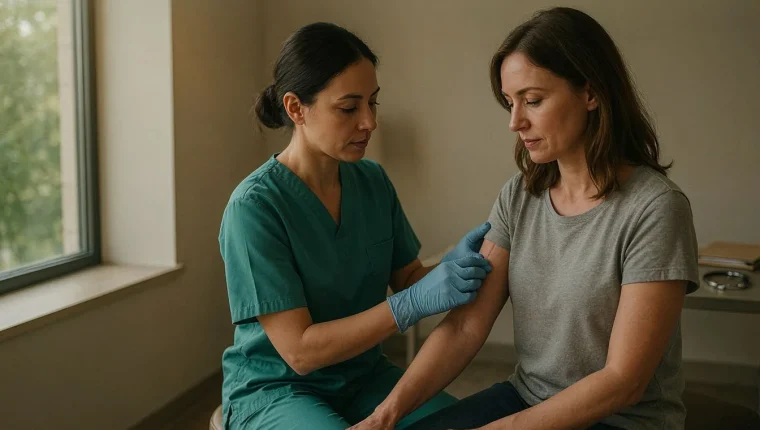
Try to schedule a final in-person check with the surgical team within forty-eight hours of departure. Lift your arms above your head during that visit, raise them overhead, and simulate the reaching motion you’ll do when stowing luggage. The response you get — comfort level, fluid movement, any tugging at the incision line — is far more telling than the calendar date. A short video walk-through with a Canadian follow-up surgeon lined up in advance is also worth its weight in gold.
Build a buffer into your ticket whenever you can. A changeable fare lets you postpone by a day or two if drains are still in place or if unexpected swelling shows up the morning of departure. That flexibility turns a stressful decision into a calm one, and it gives your body the breathing room it usually needs before a transatlantic cabin sits you in one position for eleven hours.
Airport Security, Swelling, and Hydration on Long-Haul Routes
The airport itself becomes a small obstacle course after an arm lift. Security scanners rarely trigger alarms from internal sutures, but compression sleeves, drain bulbs, or recent incision dressings can draw a secondary pat-down. A short medical letter describing the procedure and the implants keeps the line moving and avoids awkward explanations in front of fellow travelers.
Once on board, the cabin environment works against healing tissues in three predictable ways, and each one can be softened with a deliberate habit:
- Cabin humidity drops well below 20 percent, pulling moisture from skin and surgical sites faster than usual.
- Pressure shifts during climb and descent amplify fluid retention in the arms, making sleeves feel tighter by hour three.
- Long immobility slows lymphatic return, which already runs sluggishly after a brachioplasty.
Drink water steadily rather than in large gulps, aim for roughly 250 milliliters every hour of flight, and skip alcohol and coffee because both deepen dehydration. Walk the aisle every ninety minutes, roll the shoulders gently while seated, and elevate the forearms on the tray or a small pillow whenever the seatbelt sign allows. A light, arm-friendly snack such as banana or unsalted nuts helps replace electrolytes lost through dry cabin air, and a travel-size saline mist on the incisions prevents the scars from feeling tight as the plane descends into a colder Canadian airport.
When to Seek Medical Help After Landing in Canada

Even with careful planning, your body can react unpredictably once you’re back on Canadian soil. The first seventy-two hours at home are when most post-flight complications quietly announce themselves, so stay alert to changes that go beyond ordinary soreness.
Call a local clinic or head to an emergency department if you notice sudden swelling that feels hot and firm rather than soft and puffy, bleeding that soaks through dressings, a fever above 38°C, chills, redness spreading away from the incision lines, or a foul-smelling discharge. Sharp chest pain, shortness of breath, or calf tenderness also warrant immediate evaluation, since long immobility on the plane can occasionally trigger a clot.
Less urgent but still worth a same-day call: numbness that lingers, opening of incision edges, fluid leaking through the wound, or pain that keeps climbing instead of easing day by day. Bring your Turkish operative notes and any antibiotics prescribed, so the Canadian team can see exactly what was done and continue the plan without guessing.
FAQs
How long should I wait before flying back to Canada after an arm lift in Turkey?
Most surgeons recommend waiting at least 7 to 10 days before flying after an arm lift, provided your recovery is progressing normally and your surgeon gives clearance. Air travel too soon can increase the risk of swelling, blood clots, and complications due to changes in cabin pressure and prolonged immobility. Your surgeon will determine the safest timeframe based on your healing progress and overall health, so get personalized advice before booking your return flight to Canada.
Is it safe to take a long-haul flight with compression garments and drains following arm lift surgery?
Yes, it is generally safe to take a long-haul flight while wearing compression garments and with surgical drains in place after an arm lift, but you should get explicit clearance from your surgeon before traveling. Long periods of immobility can increase the risk of deep vein thrombosis, so wearing compression garments actually helps reduce this risk, and drains must remain intact, secure, and monitored. Make sure to move your legs regularly during the flight, stay well hydrated, and carry extra drain care supplies in your hand luggage in case of any issues.
What can I do to reduce swelling and discomfort during the flight home to Canada after my arm lift?
Wear your compression sleeves or garments as directed by your surgeon to minimize swelling, and keep your arm elevated whenever possible, even using a pillow or armrest to prop it up during the flight. Stay hydrated, avoid salty foods, and take short walks down the aisle every hour or so to promote circulation. If your surgeon has prescribed anti-inflammatory medication or pain relievers, take them as instructed before and during the flight.