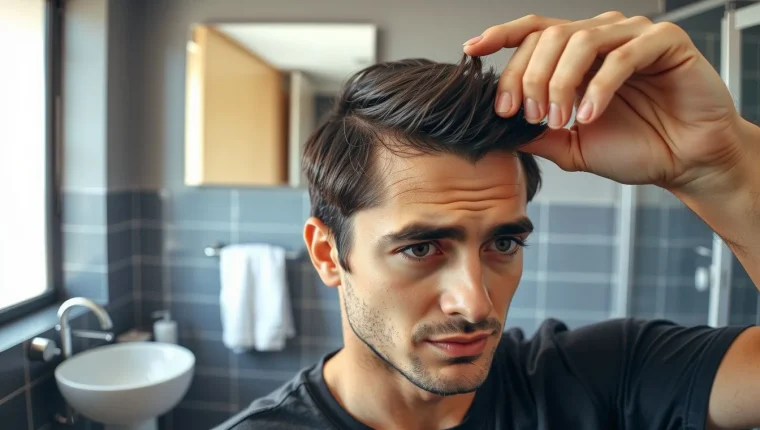
Noticing more hair in the shower drain or on your pillow than usual is unsettling, and the uncertainty that follows is often worse than the shedding itself. Alopecia is the medical term for hair loss, not a single condition but a category that includes several distinct disorders. Some are temporary and reversible, while others are progressive and rooted in genetics or the immune system. Ordinary shedding is part of a normal growth cycle; doctors diagnose alopecia when loss exceeds that baseline or follows a recognisable pattern. Seeing it as a medical issue rather than a cosmetic complaint is the first step in deciding whether it needs attention. The type, underlying cause and available treatments matter because they shape what can realistically be done.
What Is Alopecia? A Clear Definition and How It Differs From Normal Hair Loss
Alopecia is the medical term for hair loss that goes beyond the shedding every scalp experiences. Dermatologists use it as an umbrella label covering many distinct conditions, from small smooth patches to diffuse thinning across the whole scalp. The word itself simply describes the outcome, not the mechanism, which is why a precise diagnosis matters more than the label alone.
To judge whether loss is abnormal, it helps to know the baseline. Hair grows in cycles: an active growth phase lasting years, a short transition, then a resting phase before the strand falls out. Losing roughly 50 to 100 hairs a day is expected, and new hairs replace them at the same rate, so overall density stays stable.
The line between ordinary shedding and alopecia usually shows up in three signals. Duration matters, because normal shedding is temporary and self-correcting, while alopecia persists for months. Density matters, since visible thinning or a widening part suggests replacement is no longer keeping pace. Pattern matters too, because loss that clusters in one area, follows a defined shape, or appears alongside scalp symptoms points toward a specific condition rather than routine turnover.
Common Types of Alopecia and the Patterns That Set Them Apart
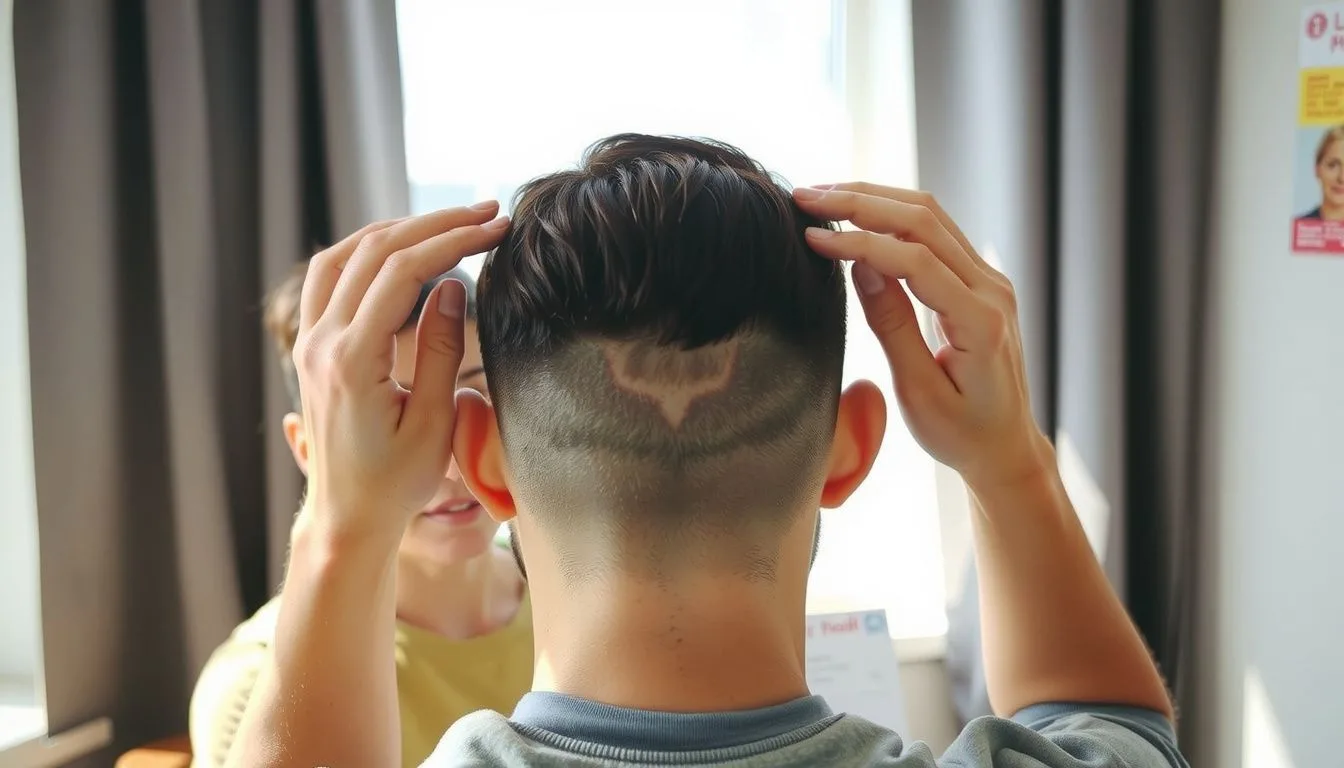
Alopecia is not a single condition but an umbrella term covering several distinct disorders, and the fastest way to tell them apart is by pattern. Where the loss appears, whether it is patchy or diffuse, and whether the scalp shows signs of scarring are the three features clinicians use to separate one type from another.
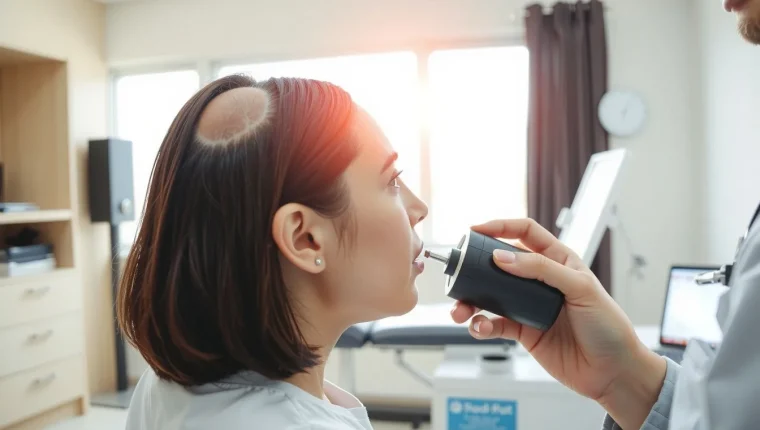
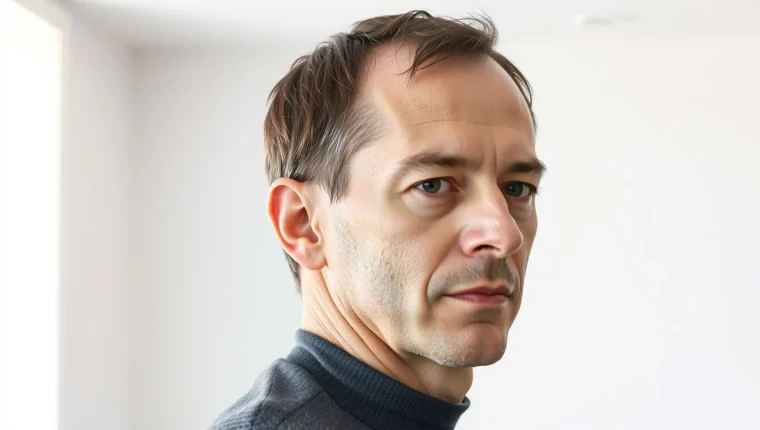
Androgenetic alopecia, the most common form, follows a recognizable shape: a receding hairline and thinning crown in men, and a widening part with diffuse thinning over the top of the scalp in women. Alopecia areata looks entirely different, appearing as smooth, round patches of sudden loss, sometimes affecting the eyebrows or beard. Telogen effluvium spreads evenly across the scalp rather than clustering, and typically follows a stressful event or illness by two to three months. Traction alopecia traces a line where hair has been pulled repeatedly, often along the temples or edges. Less common scarring forms, such as cicatricial alopecia, destroy the follicle itself, which makes early recognition especially important.
These patterns are a starting point for understanding your own situation, not a substitute for a professional diagnosis, since several types can overlap or mimic one another.
Root Causes Behind Alopecia: Genetics, Autoimmunity, and Hormonal Triggers
Hair follicles do not fail without reason. In most cases, alopecia develops from a combination of inherited predisposition, immune activity, and hormonal signaling, and these forces frequently overlap rather than act alone.
Genetics form the most common background factor, particularly in pattern hair loss. Inherited variations make certain follicles unusually sensitive to normal circulating hormones, so thinning follows a predictable distribution over time. A family history of early or extensive hair loss is therefore a meaningful clue, though its absence does not rule out a genetic contribution.
Autoimmunity represents a distinct mechanism. Here the body’s own immune response mistakenly targets the hair follicle, disrupting its growth cycle. This process is not driven by hormones or inheritance in the same way, which is why it can produce sudden, well-defined patches rather than gradual thinning. It also explains why some forms of alopecia respond to immune-directed therapy instead of conventional hair treatments.
Hormonal triggers often work in concert with genetic susceptibility. Androgens, thyroid imbalance, and shifts during pregnancy, menopause, or periods of significant stress can all push susceptible follicles toward shedding. The key point is that these causes are not mutually exclusive: a person may carry a genetic predisposition while an immune or hormonal event determines when and how the loss appears. Understanding this overlap helps explain why alopecia is best viewed as a condition with multiple contributing pathways.
How Doctors Diagnose Alopecia and Identify the Underlying Type
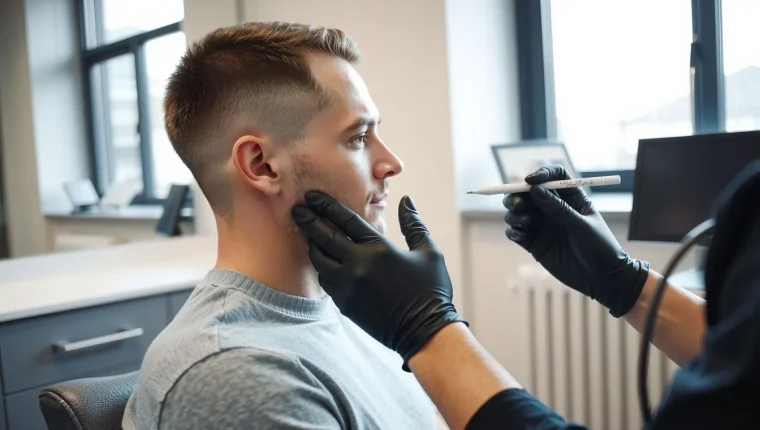
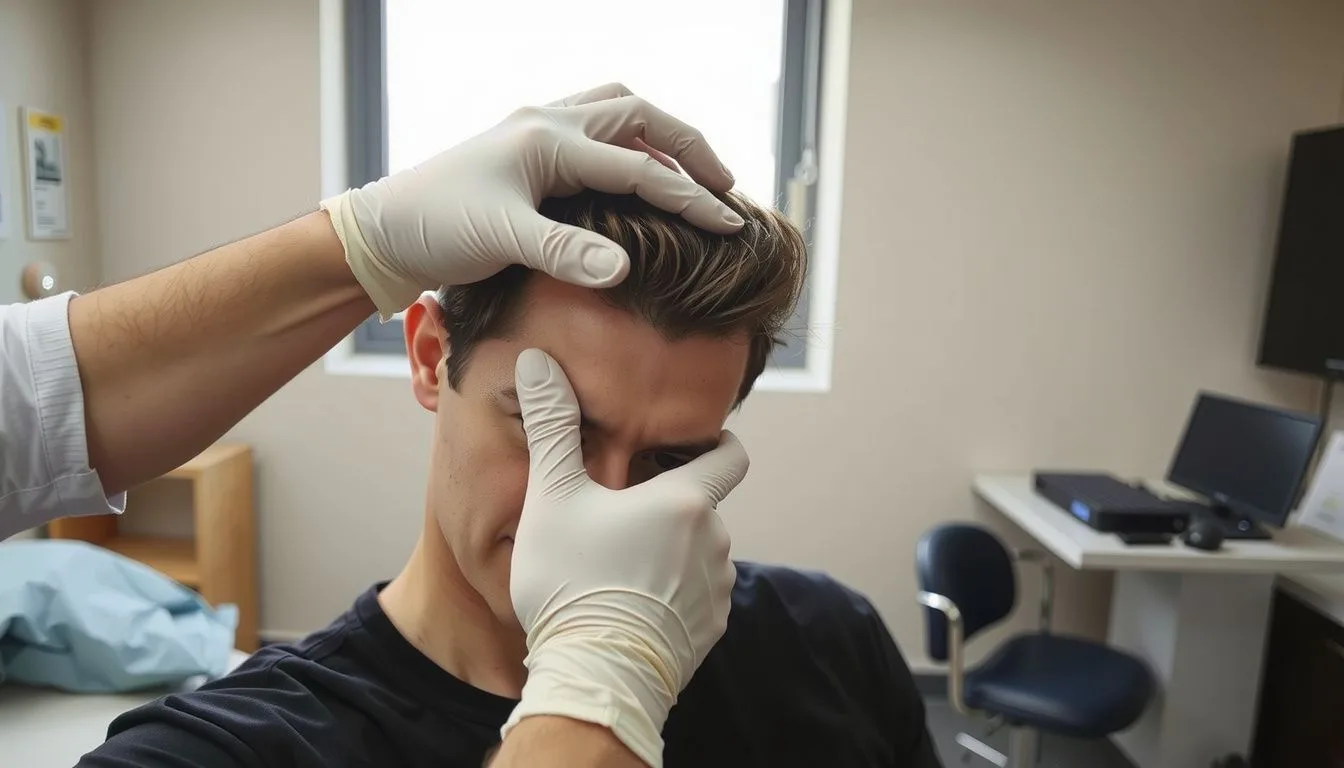
Because several types of alopecia can look similar in a mirror, doctors rely on a structured evaluation rather than a single test. The process usually begins with a detailed history: when the shedding started, whether it is patchy or diffuse, recent illness, medications, stress, or family patterns of hair loss. A close scalp examination follows, checking for scaling, redness, scarring, broken hairs, and the distribution of thinning across the crown, temples, or margins.
When the visible pattern is ambiguous, clinicians add targeted tools. A hair-pull test can show whether hairs are actively shedding, while a trichoscopy exam magnifies the scalp to reveal follicle shape and density. In some cases, a small scalp biopsy or blood work for thyroid, iron, or hormonal markers is needed to separate conditions that otherwise overlap.
Identifying the exact type matters because it directly determines the treatment path. Autoimmune, hormonal, and stress-related forms respond to very different approaches, so an accurate diagnosis prevents months of ineffective self-treatment.
Androgenic Alopecia Treatments: From Topical Options to Advanced Therapies
Androgenic alopecia is typically progressive, which is why timing and consistency matter as much as the choice of treatment itself. Options generally escalate in intensity, starting with topical agents. Minoxidil, applied directly to the scalp, remains the most widely used topical option; it can slow shedding and support regrowth, but results fade if use stops. Topical finasteride is a newer alternative for those who prefer to avoid oral medication.
When topicals are insufficient, oral therapies such as finasteride and minoxidil tablets may be considered, though they require a prescription and carry potential side effects. Procedural and advanced approaches include platelet-rich plasma injections, low-level laser therapy, and hair transplantation, which redistribute existing follicles rather than creating new ones.
Each option aims at a different part of the problem: slowing loss, encouraging regrowth, or restoring density. Suitability depends on diagnosis, stage, and personal history, so professional guidance is essential before committing to any single approach.
FAQs
What exactly is alopecia, and how does it differ from ordinary hair shedding?
Alopecia is a medical condition in which the immune system, genetics, hormones, or other factors disrupt the hair growth cycle and cause hair to fall out faster than it can regrow. It differs from ordinary shedding because everyone loses roughly 50 to 100 hairs a day as part of normal turnover, while alopecia produces noticeable thinning, bald patches, or widespread loss that does not replace itself. Ordinary shedding is temporary and self-correcting, whereas alopecia tends to persist or worsen without treatment.
Which types of alopecia are most common, and what causes them?
Androgenetic alopecia is the most common type, affecting both men and women, and it is driven by genetic sensitivity to dihydrotestosterone (DHT), which gradually shrinks hair follicles. Alopecia areata is another common form, an autoimmune condition in which the immune system mistakenly attacks hair follicles and causes sudden patchy hair loss. Telogen effluvium is also frequently seen and typically results from stress, illness, hormonal shifts, or nutritional deficiencies that push hairs into the shedding phase.
How effective are androgenic treatments for hair loss, and who benefits most?
Androgenic treatments are most effective for people with androgenetic alopecia, especially men with early hair loss and women with pattern thinning. Medications such as minoxidil and finasteride can slow shedding and promote regrowth, but results vary and are usually best when treatment starts early and continues long term. They tend to work less well for scarring alopecias or hair loss caused by other medical conditions.