Large, heavy breasts can pull on the neck, dig grooves into the shoulders, and make exercise feel like a chore. For many people, breast reduction surgery brings relief from discomfort, and the breast reduction before and after difference shows up not just in photos but in how the body moves and breathes day to day.
The results are usually noticeable right away: a smaller, lighter chest that sits higher on the torso, with a shape that looks more balanced with the rest of the frame. Clothes fit the way they were designed to. Bras stop being a daily negotiation. Most patients describe the before and after shift as feeling less like a cosmetic change and more like a weight lifted, literally and figuratively.
Who Is a Good Candidate for the Procedure

Most people who consider breast reduction surgery share a few common experiences that go well beyond simple aesthetics. Chronic neck, back, and shoulder pain, deep bra-strap grooves, recurring skin irritation beneath the fold, and difficulty exercising or finding comfortable clothing are everyday realities rather than occasional complaints.
From a surgical standpoint, the best candidates are in good overall health, at a stable weight, and non-smokers, since nicotine affects healing and scar quality. It’s also important that breast development has finished, which is usually the case by the late teens or early twenties. Emotional readiness matters just as much: clear, personal reasons for wanting the procedure tend to lead to the most satisfying breast reduction before and after outcomes.
During the consultation, your surgeon will look at breast size, shape, skin quality, and nipple position, along with your medical history. Together you’ll discuss how much tissue to remove, what scarring to expect, and whether a lift should be combined with the reduction for a balanced final shape.
What Happens During the Surgery
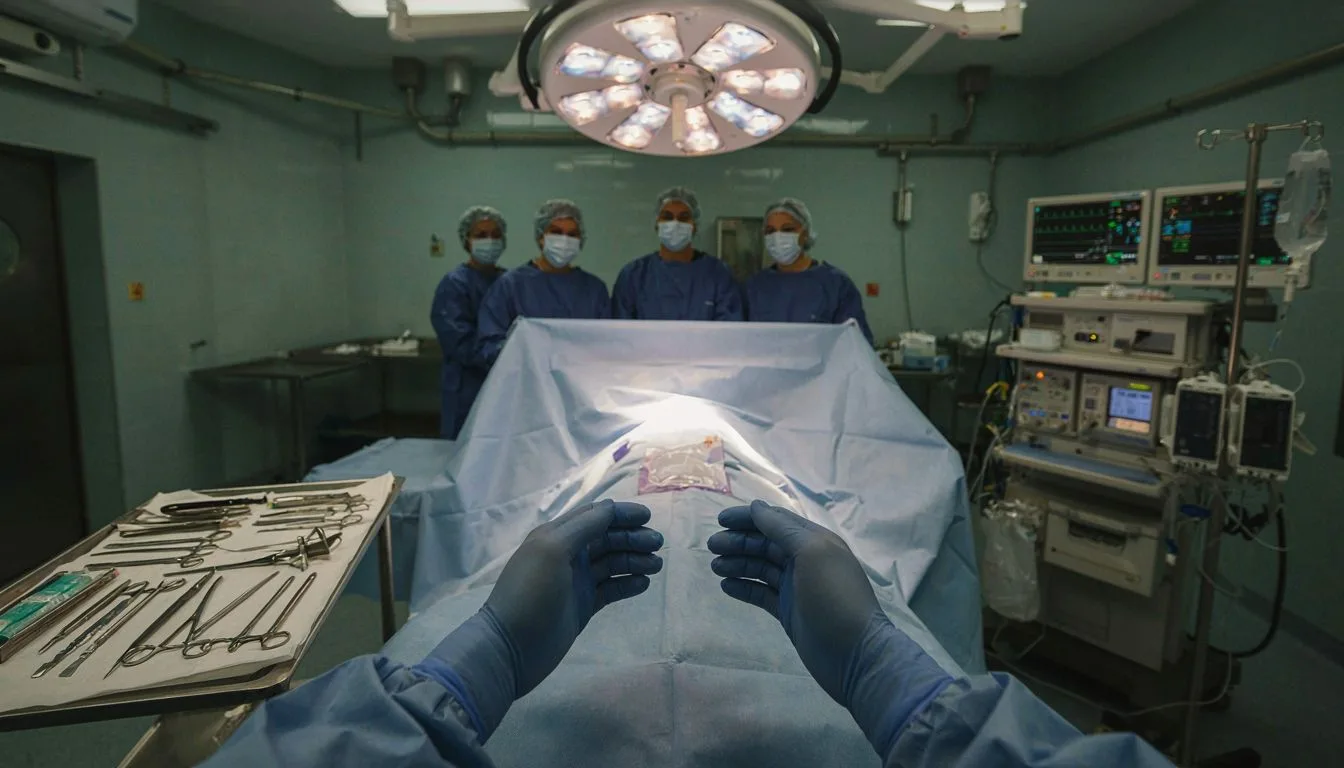
Walking into the operating room is the part most patients want mapped out clearly before they ever see the before and after photos people post online. The procedure itself usually takes two to four hours and follows a fairly predictable rhythm, which makes it easier to mentally prepare once you understand what each stage actually involves. Knowing the steps in order also helps set realistic expectations for the recovery that begins the moment the case ends, since the choices made in the operating room directly shape how the breast settles, scars, and ultimately looks in the months that follow.
Here is the basic sequence your surgeon will move through once anesthesia has been settled and the surgical plan is confirmed on your skin:
- Anesthesia and safety setup: General anesthesia is standard, so you will be fully asleep while the team monitors heart rate, blood pressure, and oxygen throughout the case.
- Markings and positioning: With you sitting upright before sedation, the surgeon draws the new nipple position, the planned skin excision patterns, and symmetry guides that act as a road map on the table.
- Incision patterns: Most reductions use either an anchor or a vertical pattern; both remove skin and glandular tissue through openings placed where future scars will hide in the natural breast crease and around the areola.
- Tissue removal and reshaping: Fat, glandular tissue, and excess skin are taken out while the surgeon reshapes the remaining breast into a smaller, lifted mound that matches the plan drawn earlier.
- Nipple repositioning: In almost every case the nipple is moved upward as a graft or on its own pedicle, preserving sensation and a natural color match rather than being detached and reattached.
- Closing and drain placement: Layers of internal sutures support the new shape, the skin is closed with fine external stitches, and small drains are often placed to keep fluid from collecting during the first days.
Once the dressings and a supportive surgical bra are in place, you head to recovery while the team tracks your vitals for a short observation window, and the changes made on the table are now locked in as the starting point of your breast reduction before and after comparison. The operating room phase is short compared to the weeks that follow, but every decision made here shapes how the settling, scarring, and final shape will look later on. From the length of the drains to the exact pattern of the incisions, each technical detail is chosen with the long-term result in mind, so thinking through the sequence ahead of time lets you walk in with a clearer picture of what the next few hours, and the next few months, are really about.
The First Two Weeks of Recovery
Days one through three usually feel like the slowest part of healing, and that is completely normal. Most patients spend the first 48 to 72 hours resting in a reclined position, taking prescribed pain medication on schedule, and noticing tightness, swelling, and a heavy, pressured sensation across the chest. Small surgical drains may still be in place during this window, and the incision lines stay covered with sterile dressings.
By the end of week one, daily movement becomes noticeably easier. Short, slow walks around the house help circulation and reduce the risk of blood clots, but lifting anything heavier than a few pounds is still off the table. Dressings are typically checked or changed at a follow-up visit, and many surgeons allow a gentle shower once drains are removed. Bruising often shifts color from deep purple to greenish-yellow, which is a reassuring sign that tissue is repairing itself.
Week two is when independence starts to return. Many people can return to desk work or light household tasks, though anything that raises the heart rate sharply, including cardio or heavy lifting, is still restricted. Sleep is usually most comfortable on the back, slightly elevated, with pillows supporting the arms. Compression bras stay on around the clock, and the chest still looks and feels higher, firmer, and more swollen than the final result will be.
The honest truth is that comparing early healing photos to fully settled breast reduction before and after images is not a fair matchup, because the two-week mark is really about protection and patience rather than appearance. Sticking closely to the surgeon’s activity limits, wound care instructions, and garment schedule during this phase sets the foundation for everything that comes next.
When Swelling Goes Down and Shape Settles
Around weeks three and four, something quietly shifts. The tight, swollen feeling that made the chest look and feel puffed up begins to soften, and the new contour starts peeking through. Postoperative swelling follows a predictable pattern: most of it fades in the first month, but a thin layer can linger for several months, especially along the lower pole and incision lines.
You will likely notice the breasts sitting higher than expected at first. That is normal. Gravity, tissue relaxation, and the gradual resolution of swelling allow the shape to settle into its final position over the next two to three months. Bras fitted during this window often feel a bit loose later, so holding off on buying a permanent wardrobe until month three is wise.
One detail that surprises many patients: the two sides rarely settle at the same pace. Minor asymmetry during this phase is common and usually resolves on its own. Comparing weekly photos rather than day to day helps you see the steady progress that is easy to miss in the mirror.
How Scars Change Over Time
Scarring tells the long story of breast reduction surgery, and it rarely looks the same at three weeks as it does at three years. Fresh incisions look pink, slightly raised, and a little angry in the early weeks, then gradually flatten and fade as collagen remodels underneath. Understanding this timeline helps you compare your own healing with realistic expectations rather than the most dramatic breast reduction before and after images online.
The maturation process follows a fairly predictable rhythm, and knowing each stage keeps you from overreacting to changes that are actually normal.
- Weeks 2 to 4: incision lines look redder and may feel firm or itchy as the body ramps up collagen production.
- Months 2 to 3: scars often reach their thickest and darkest point, which is the most discouraging phase but still part of normal healing.
- Months 4 to 6: redness begins to fade, the texture softens, and scars start blending into surrounding skin.
- Months 9 to 12: lines flatten further and lighten to pink or light brown depending on your skin tone.
- Year 1 to 2: most scars settle into a thin, pale line, though final appearance depends on genetics, tension, and aftercare.
Several factors quietly shape how each person’s scars evolve, including incision location, skin type, sun exposure, and how consistently silicone therapy or taping is used. Compression, hydration, and avoiding nicotine give the biology a real advantage during remodeling. If a scar stays thick, raised, or dark beyond the expected window, options like laser treatment, steroid injections, or scar revision can be discussed with your surgeon.
Real Results and What They Actually Look Like
The honest truth is that most people scrolling through a breast reduction before and after gallery are not really looking for a perfect image. They want a familiar one. They want to see someone whose starting shape, size, or shoulder grooving looked something like theirs, and then to see what life looked like on the other side of healing. That is the only comparison that actually settles the mind.
What tends to surprise first-time viewers is how proportional the new contour looks rather than dramatically smaller. A well-executed result usually looks like the breasts finally match the frame of the body. Nipples sit higher on the chest wall, the upper pole has a softer slope instead of a heavy drape, and the side profile no longer pulls forward. Clothing fits differently across the back and shoulders, not because the wardrobe changed but because the underlying weight is gone.
Functionally, the changes are often more meaningful than the visual ones. Posture straightens as the constant forward pull disappears, bra straps stop leaving indentations, exercise becomes possible in ways it was not before, and skin irritation under the fold quiets down. These everyday shifts are what most patients describe when asked, months later, what they notice most.
FAQs
How long after breast reduction surgery do the final results become visible in before and after photos?
You can generally expect your final breast reduction results to show clearly in before and after photos around six months after surgery, once swelling has fully resolved and the breasts have settled into their new shape. Most patients see roughly 80 to 90 percent of the outcome by three months, but subtle refinements like scar fading and the softening of the lower breast crease continue for up to a full year. Your surgeon usually schedules a follow-up photo session at the six month mark because that's when the contour and symmetry are stable enough to accurately reflect the final result. If you are comparing your healing to someone else's timeline, keep in mind that cup size, tissue density, and how strictly you follow post-op instructions all influence how quickly your results settle.
What kind of scarring should be expected when comparing breast reduction before and after images?
Expect anchor-shaped or vertical scar patterns, commonly described as a "lollipop" (around the areola and straight down) or an "anchor" (the lollipop plus a horizontal line along the crease), depending on the reduction amount and technique used. Scars typically start out pink and slightly raised, then flatten and fade over 12–18 months with proper scar care, though they rarely vanish completely. Because individual healing varies, comparing breast reduction before and after images realistically means looking for improvement in size and shape while accepting that faint, well-placed scarring is the trade-off most patients find well worth the comfort gained.
Can breast reduction before and after results be maintained long-term if weight changes occur?
Results after breast reduction are designed to be long-lasting, but significant weight fluctuations can still affect breast size and shape because fatty tissue is part of the breast composition. Gaining weight often leads to the breasts enlarging again, while substantial weight loss can cause the remaining tissue to deflate and the skin to lose elasticity, which may change the contour you worked to achieve. Keeping your weight stable is the single most reliable way to preserve your surgical results over time.