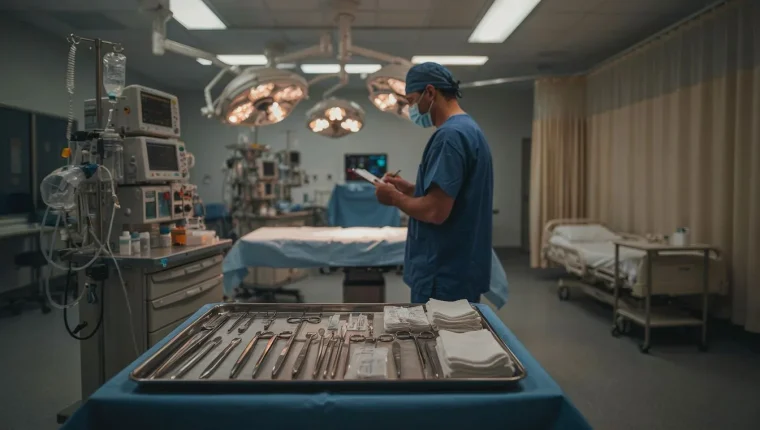
Large breasts can make everyday life harder than many people realize. Neck pain, shoulder grooves from bra straps, skin rashes under the fold, and trouble finding comfortable clothes are common complaints. For many US patients, breast reduction in Istanbul offers lasting relief, with experienced surgeons and significantly lower out-of-pocket costs than private clinics back home.
Why US Patients Choose Istanbul for Breast Reduction
Every year, thousands of Americans cross the Atlantic to undergo breast reduction in Istanbul, and the reasons go well beyond simple curiosity. The combination of board-certified plastic surgeons, internationally accredited hospitals, and noticeably shorter wait times has reshaped how US patients approach this once purely domestic decision.
Cost transparency plays a major role too. All-inclusive packages typically bundle the surgery, anesthesia, hospital stay, medications, airport transfers, and hotel accommodation into a single quoted price. That structure removes the guesswork that often comes with itemized US billing, where facility fees, anesthesiologist charges, and post-operative garments can stack up quickly.
Recovery conditions also matter. Many clinics offer private nursing support, lymphatic drainage sessions, and on-site translator services during the initial healing period, which helps patients feel looked after far from home. Istanbul’s direct flight connections from most major US hubs add another practical layer, reducing travel fatigue for anyone sensitive to long-haul movement after surgery.
Who Is a Good Candidate for the Procedure

The decision to undergo a breast reduction is deeply personal, and not everyone is an ideal fit for the procedure. Surgeons evaluate candidacy based on a combination of physical symptoms, overall health, and personal expectations. Understanding where you fall on this spectrum helps you approach a surgical plan abroad with clarity rather than assumptions.
Most qualified patients share a recognizable cluster of signs that go beyond simple dissatisfaction with breast appearance. During your initial online or in-person consultation, your surgeon will typically look for these markers:
- Chronic physical symptoms such as persistent neck, shoulder, or back pain that has not improved with posture correction, physical therapy, or supportive bras.
- Skin and posture issues including recurring shoulder grooving from bra straps, skin irritation beneath the breast fold, or a noticeably rounded upper-back posture caused by breast weight.
- Stable body weight for at least six to twelve months, since significant weight fluctuations can alter surgical outcomes and may require revision later.
- Good general health, meaning no uncontrolled chronic conditions, active infections, or unmanaged diabetes that could complicate anesthesia or wound healing.
- Realistic expectations about scarring, recovery time, and the final size and shape, which are best developed through open conversation with the operating surgeon.
- Non-smoker status or a willingness to stop well before surgery, because nicotine dramatically impairs circulation and slows healing.
If several of these factors describe your situation, you are likely a strong candidate. The next step is learning how the actual surgical process unfolds, from the first consultation to the operating room and beyond.
How the Surgical Process Actually Works
Most breast reduction surgeries follow a fairly predictable path, and walking through it ahead of time takes a lot of the mystery out of the experience. The operation itself usually takes two to four hours under general anesthesia, with a one-night hospital stay for monitoring. On the day of surgery, your surgeon will make precise markings while you are still standing, which guides tissue removal and reshaping once you are on the table.
The technique used depends on breast size, skin elasticity, and how much lifting is needed. Many surgeons prefer a vertical or “lollipop” incision, which circles the areola and runs down to the breast crease, leaving a scar that fades significantly over time. For larger reductions, an anchor-shaped incision adds a horizontal line along the crease for better contouring. Liposuction is sometimes added to refine the sides, but the core reshaping relies on removing glandular tissue, fat, and excess skin while repositioning the nipple.
What many people do not realize is how much of the surgical plan is customized in the operating room. Surgeons often adjust on the spot, sitting the patient up briefly to check symmetry before closing. Drains are commonly placed to prevent fluid buildup, and these are usually removed within a few days. Waking up wrapped in a surgical bra feels strange at first, but it is a sign that the hardest part is behind you and the recovery phase has officially begun.
Comparing Costs and What's Included Abroad

Let’s talk numbers, because cost is usually the first practical reason American women look abroad in the first place. In the US, a breast reduction typically runs anywhere from $8,000 to $15,000 or more once you add up the surgeon’s fee, anesthesia, and the operating room itself. In Istanbul, the all-inclusive packages many clinics advertise generally fall in the $3,500 to $6,500 range, and that single price usually covers a surprising amount: the pre-op bloodwork, the hospital stay, the anesthesia team, compression garments, post-op medications, and even airport transfers and hotel nights.
Before you book, though, read the fine print carefully. Some quotes bundle everything into one number, while others price each component separately, and a “too good to be true” deal sometimes means corners are being cut on things like implant-grade materials or the length of your hospital stay. Ask specifically whether follow-up visits, revision policy, and complication coverage are part of the package, since handling an issue back home after returning can add unexpected expense and stress.
Also remember to budget for flights, travel insurance, and any time off work that extends beyond what a domestic surgery might require. Once you add those extras in, Istanbul still tends to come out significantly more affordable, but only when the package is transparent about what you’re actually receiving for your money.
Travel, Recovery Timeline, and Follow-Up Care
Most US patients who travel for a breast reduction in Istanbul end up spending around 7 to 10 nights in the city, and a little planning makes that window feel far less rushed. Your surgeon will typically see you the day after surgery for a quick check, then again around day five or six for drain removal and a wound review before you fly home. That timeline leaves enough cushion for rest without stretching the trip into a long, expensive stay. Comfortable loose clothing, a trusted companion for the first 24 hours, and a hotel near the clinic are small details that pay off once you’re moving more slowly than usual.
- Flight booking: Aim for a return ticket at least 7 days post-op so your surgeon can clear you before boarding; cabin pressure on long-haul flights is generally well tolerated once drains are out.
- Compression bra: Wear the surgical bra continuously for 4 to 6 weeks, switching to a soft wireless style only after your surgeon approves.
- Activity limits: Light walking is encouraged from day one, but no lifting over 5 pounds, strenuous exercise, or upper-body workouts for roughly 6 weeks.
- Back home follow-up: Schedule a check-in with a local plastic surgeon or your primary doctor within 2 weeks of returning, and share your operative notes and aftercare instructions.
- Swelling and scars: Expect swelling to linger for several weeks and incision lines to redden before fading; silicone scar sheets and sunscreen on healed scars improve the final result.
Keep your clinic’s WhatsApp or patient coordinator contact saved on your phone, since most Istanbul teams stay available for photo updates and questions for months after the surgery. If anything feels off once you’re home, such as sudden swelling, fever, or unusual drainage, reach out to both your local doctor and your surgical team so care stays continuous. The follow-up rhythm is simple: close monitoring in Istanbul, a handover to a local provider, and steady self-care through the first six weeks.
Key Questions to Ask Before Booking Your Surgeon
Booking a surgeon for breast reduction in Istanbul is not something you should do on price alone, and a short consultation call can reveal far more than a glossy before-and-after gallery ever will. Before you commit to a deposit, ask how many reductions the surgeon personally performs each month, what an Accreditation by a recognized body like JCI or ISAPS actually covers, and whether the quoted fee includes the operating room, anesthesia, compression garments, and any revision policy.
It is also fair to ask for the surgeon’s specific complication rates, who assists during the operation, and which hospital the procedure takes place in. Request real patient photos taken at least six months post-op, not just week-old results, so you can see how scars actually settle. Clarify what happens if healing takes an unexpected route once you are already back home, and confirm that your primary US physician is welcome to coordinate follow-up care. Clear answers to these questions separate trustworthy clinics from those that rely on tourism volume rather than surgical craft.
FAQs
How much does breast reduction in Istanbul typically cost for US patients?
Breast reduction in Istanbul typically costs US patients between $3,000 and $6,000, which usually includes the surgeon's fee, anesthesia, and facility charges. Many clinics also bundle in accommodations, airport transfers, and post-op care, making it significantly more affordable than the $8,000 to $15,000 range common in the United States. Final pricing varies based on the surgeon's experience, clinic location, and the complexity of the procedure, so requesting a personalized quote is recommended.
Is it safe for US patients to travel abroad for breast reduction surgery in Istanbul?
Traveling abroad for breast reduction surgery in Istanbul can be safe when patients choose accredited clinics with board-certified plastic surgeons, strong international patient reviews, and modern hospital facilities. Many Turkish clinics hold JCI accreditation and surgeons often have international training, which helps maintain safety standards comparable to those in the US. However, patients should carefully evaluate the surgeon’s credentials, verify the facility’s accreditation, plan for a sufficient recovery period before flying home, and arrange for follow-up care with a local physician to monitor healing and address any potential complications.
How long should US patients plan to stay in Istanbul after a breast reduction procedure?
Most US patients should plan to stay in Istanbul for about 7 to 10 days after a breast reduction. This window typically includes the surgery day, a short hospital or clinic stay for initial recovery, and a follow-up appointment so the surgeon can check healing and remove or assess stitches before you fly home. Keeping this timeframe in mind helps ensure you’re cleared for travel and reduces the risk of post-operative complications during your return trip.