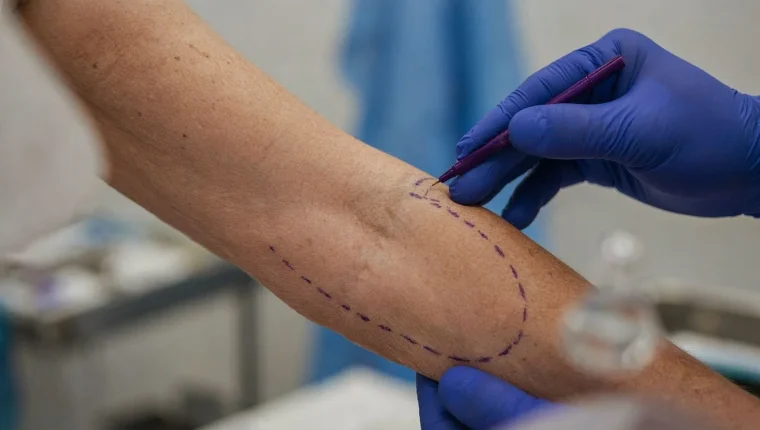
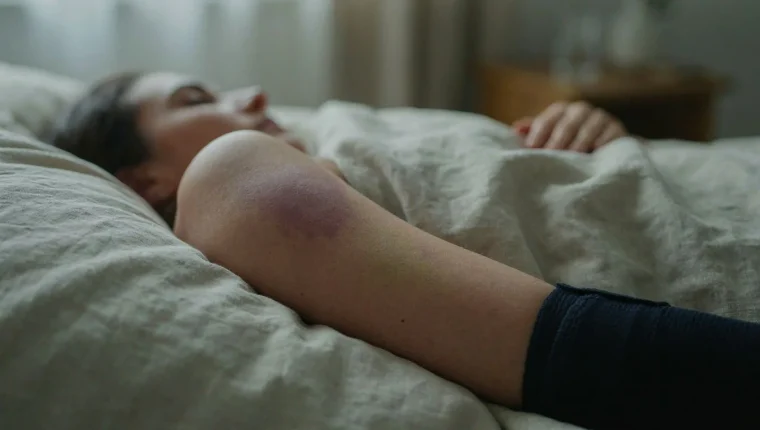
After arm lift surgery, results take time to appear. Swelling hides the new contour for weeks, and many patients question their decision before the final shape settles. Arm lift results don’t arrive all at once—they unfold in stages, and knowing what to expect at each point makes recovery less uncertain.
Bruising and tightness peak in the first few days, then gradually fade. By week two or three, most people feel comfortable returning to desk work and light daily routines. The scar, however, stays visible for a while, slowly flattening and fading as collagen remodels the tissue. Real definition in the upper arms usually shows up once the swelling fully resolves — somewhere between three and six months after surgery.
Understanding this arm lift results timeline helps separate normal healing from unnecessary worry. Every stage brings visible changes, and patience during the early months pays off when the final contour emerges.
Healing Milestones in the First Weeks After Surgery
The first two weeks after an arm lift set the tone for everything that follows, and most patients notice a clear shift in how they feel day by day. By the end of week one, the incisions are usually sealed enough to tolerate light daily movement, though your surgeon will still ask you to keep your elbows close to your body and avoid lifting anything heavier than a few pounds. Dressings come off in stages, and the compression sleeves you were sent home in start to feel less awkward as swelling gradually settles.
Week two often brings the first real signs of progress. Many people sleep more comfortably, wean off prescription pain medication, and return to desk-based work. Compression garments remain essential during this phase because they guide fluid away from the surgical site and help the upper arms begin to take on a smoother outline. Light walking is encouraged, but the upper body still needs protection.
By week three, you will likely be cleared for gentle range-of-motion exercises and may notice that bruising has shifted from deep purple to a yellowish hue. Patience matters more than speed here, since pushing too hard can interrupt the delicate tissue remodeling that influences how your final shape develops.
When Bruising and Swelling Finally Fade
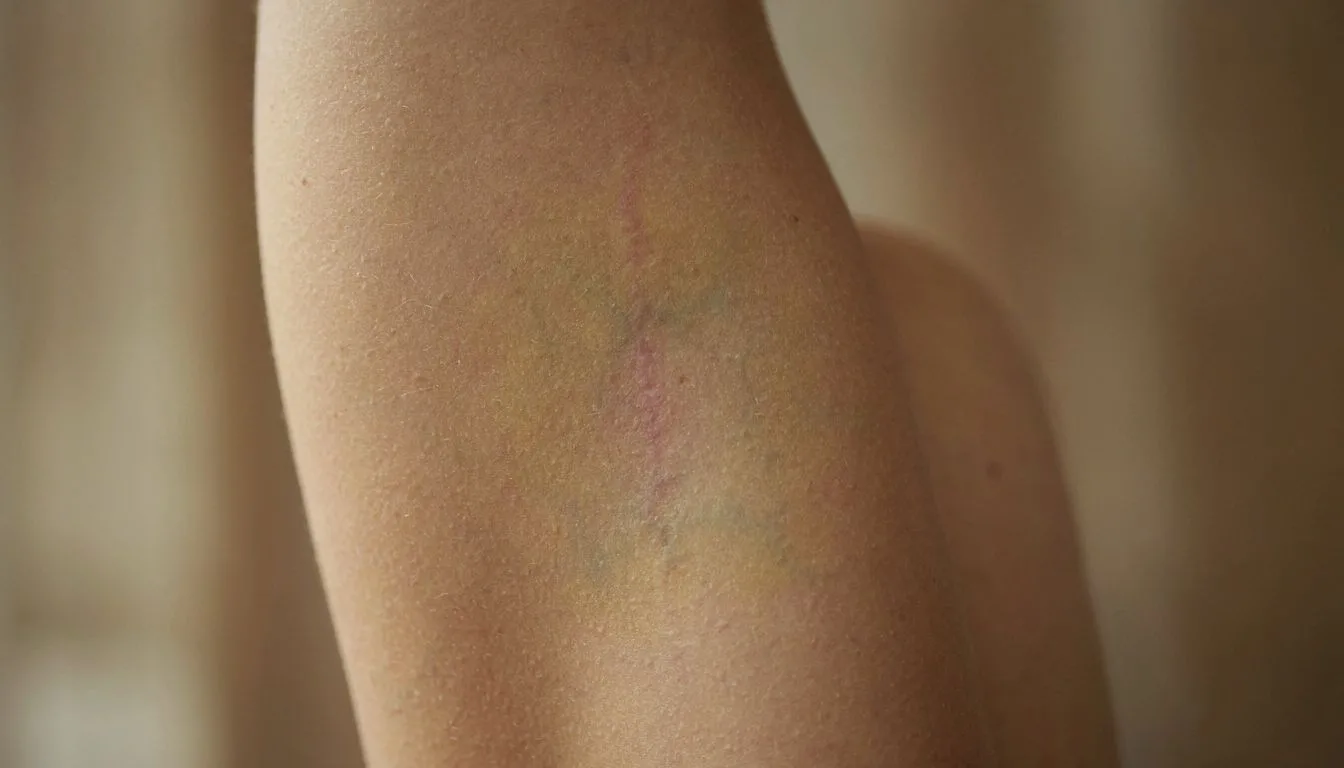
As the incisions begin to close and tenderness eases, the colorful reminders of surgery start to lose their intensity. Most patients notice a steady, day-by-day lightening of bruising and a softening of swelling once they pass the two-week mark. The body is quietly reabsorbing pooled blood and excess fluid, and the skin is starting to settle into its new position rather than sitting tight and puffy.
Knowing what to expect during this fading phase helps you tell the difference between normal healing and something that deserves a call to your surgeon:
- Bruising typically shifts from deep purple or blue to green and yellow before disappearing, usually within three to four weeks after the procedure.
- Swelling in the upper arms often fluctuates through the day, looking slimmer in the morning and slightly fuller by evening, especially after activity.
- Incision lines may look slightly raised or pink while the deeper tissue is still settling, which can make the surrounding skin appear puffier than it really is.
- Sleeping with your arms slightly elevated on pillows and continuing your compression garments as directed supports fluid drainage and speeds visible improvement.
- Salt intake, alcohol, and heavy arm movement in the early weeks can all prolong swelling, so small daily choices genuinely influence how quickly the arms look “normal” again.
By the end of the first month, most of the dramatic color changes are gone and the arms look far closer to their eventual contour, even though subtle swelling can linger in the deeper tissues for several more weeks. Patience during this stage pays off, because the cleaner the canvas, the easier it becomes to judge the shape that is steadily emerging.
Early Signs Your Arms Are Taking Shape
Around weeks three and four, many patients catch their first real glimpse of what their surgery is going to deliver. The tight, puffy look begins to soften, and the upper arm starts to feel less like a swollen bandage and more like a limb again. When you raise your arm in front of a mirror, the line from shoulder to elbow may already look slimmer, even if the skin still feels a little firm or slightly uneven to the touch.
One of the most encouraging early signals is how clothing begins to behave. Sleeves that once tugged and strained across the underside of the arm start to drape more loosely, and fitted tops no longer cling to the same stubborn bulge. Small everyday moments, like reaching across a shelf without the fabric pulling or noticing a smoother outline in profile photos, quietly confirm that the contour is shifting in the right direction.
It helps to remember that these first visible changes are only a preview. The underlying tissues are still settling, numbness or tingling can come and go, and minor asymmetries between the two arms are completely normal at this stage. Comparing how you looked the day the dressings came off with how you look a few weeks later is usually the most accurate way to judge your own progress, rather than measuring against a final result that is still months away.
Months Three to Six: Noticeable Contour Changes
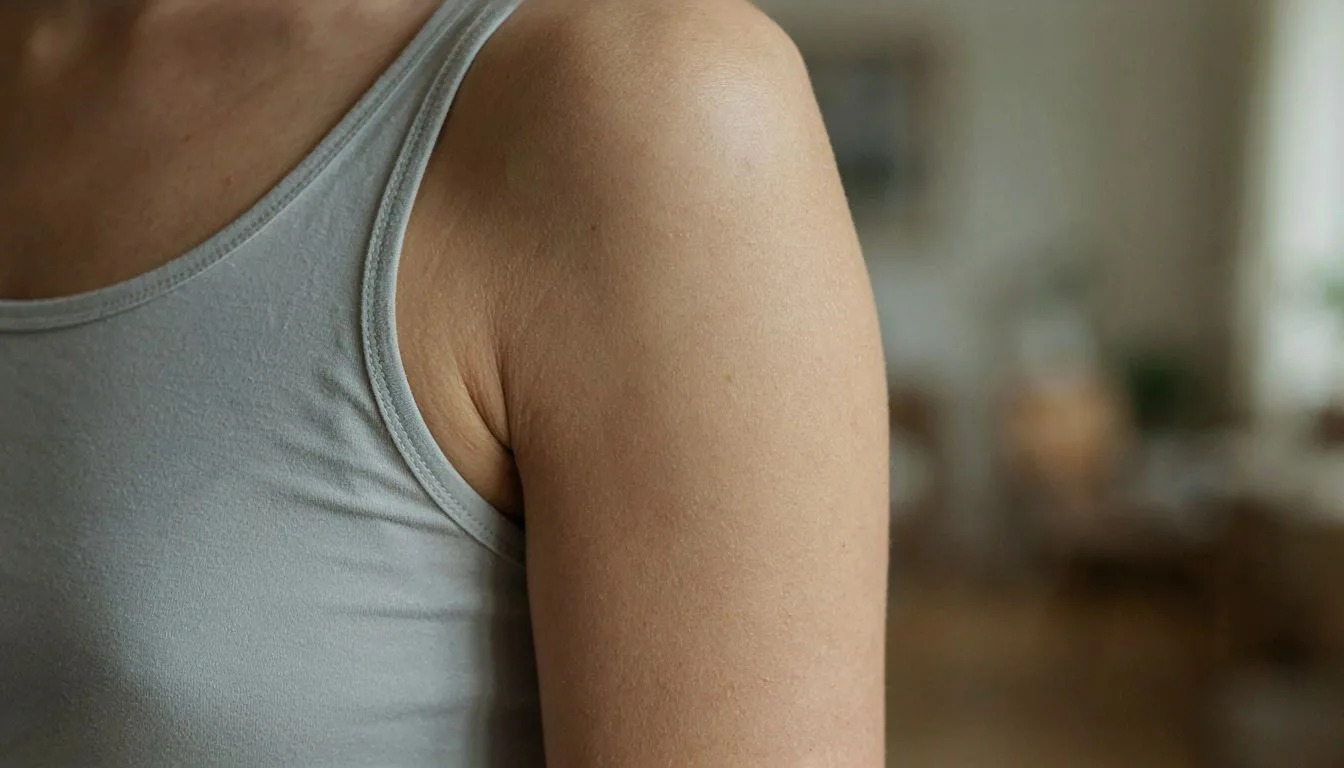
Somewhere around the third month, the arms start to look noticeably different from how they did in that first mirror check. The skin has usually settled into its new position, and the silhouette begins to reflect the surgical work that was done beneath the surface. Many patients describe this as the moment their upper arms finally match how they feel in their clothes.
By month four, skin retraction tends to be the most visible change. Tissues that once looked loose or crepey now appear smoother, and the contour between the shoulder and elbow reads as a cleaner line. This is also the window where residual numbness begins to fade for most people, so sensation slowly returns to the inner arm and the underarm crease.
By month six, the arms are usually close to their final shape, though small refinements can still happen. Scars often look their flattest at this stage, though color will keep maturing for many more months. It is a good time to step back and compare progress photos, since the difference between week two and month six is almost always striking.
The Role of Aftercare in Your Final Outcome
How you treat your arms in the weeks and months after surgery quietly shapes everything you see in the mirror. Good aftercare does not just speed healing, it directly influences how cleanly the skin redrapes over the new contour. That is why small daily habits often matter more than the procedure itself.
Surgeons agree on a handful of practices that consistently support a smoother recovery and a more refined final look.
- Wearing compression garments as directed keeps swelling under control and helps the soft tissues settle into their new position evenly.
- Protecting incisions from sun exposure for at least a year prevents darkening and keeps the scars closer to your natural skin tone.
- Keeping the arms elevated during rest in the early weeks reduces fluid buildup that can blur the emerging shape.
- Following a gradual return to lifting protects the internal repairs and avoids stretching the healing skin.
- Staying hydrated and eating protein-rich foods gives the body the raw materials it needs to rebuild collagen and support skin retraction.
Missed steps rarely cause alarm, but they tend to show up later as lingering puffiness, wider scars, or a softer contour than expected. Treating aftercare as part of the procedure, not an afterthought, is what separates a good result from one that quietly fades over time.
Long-Term Results and How to Maintain Them
By the time you cross the one-year mark, the journey is essentially complete: scars have softened and faded from pink to a pale, flat line, the arms feel like a natural part of your body, and the contour you see in the mirror reflects the final chapter of your arm lift results timeline. Most patients find that this mature shape holds remarkably well, because the underlying tissue has been physically reshaped rather than merely slimmed.
Long-term stability depends less on the surgery itself and more on the daily habits you keep afterwards. Weight fluctuations are the single biggest threat to the new silhouette, since significant gain or loss can stretch the skin and underlying tissue all over again. Pairing a steady, balanced diet with consistent strength work for the shoulders and triceps helps the underlying muscle support the reshaped contour, while simple habits like staying hydrated and keeping sunscreen on old incision lines preserve skin quality over the years.
Think of the procedure as a reset point: the surgery does the structural work, but your routine protects it. Patients who maintain their weight, build lean muscle, and treat their skin kindly tend to enjoy arms that still look defined and proportionate a decade later, with scars that blend quietly into the natural creases of the underarm.
FAQs
When can I expect to see the first noticeable arm lift results?
You can typically expect to notice early improvements in your arm contour within two to four weeks as swelling subsides, though the arms will still look and feel firm. More defined, settled results usually become visible around the six to eight week mark, and the final outcome—smoother, slimmer arms—is generally appreciated after three to six months once all residual swelling has resolved.
How long does it take for arm lift scars to fade and final results to settle?
Scars from an arm lift usually take 12 to 18 months to fully mature, gradually softening and lightening from pink to a finer, paler line during that time. Final contour and skin tightness settle around the six-month mark, with subtle refinements continuing for up to a year. Your surgeon may recommend silicone scar therapy or laser treatments to speed up the fading process.
What factors can speed up or delay the arm lift results timeline?
Healing speed, age, skin quality, and how carefully you follow post-op instructions all play a role, so sticking to your surgeon's recovery plan can noticeably move things along. Smoking, poor nutrition, and underlying health issues tend to slow visible results, while steady swelling control and gentle movement usually help them appear sooner.